
A wobbly strap and a misplaced stick can ruin a hunt camera’s angle. The right arm keeps your lens steady on a tree, your ATV rack, or your bow mount, so the footage actually tells the story. This roundup covers mounts and arms built for serious field use, from low-profile kayak setups to heavy-duty tree screws and flexible studio-style rigs adapted for the outdoors. Whether you scout for deer, track predators, or film your own hunt, there’s an arm on this list designed for your terrain.
The Essentials At A Glance
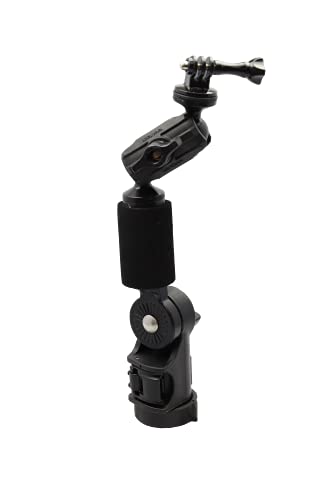
YakAttack PanFish Portrait Pro 11.5″ Kayak Camera Mount

HME Economy Trail Camera Holder 4-Pack Bundle

WingHome Trail Camera Mounting Bracket

Rigdance Articulating Magic Arm 4.9″ Mount
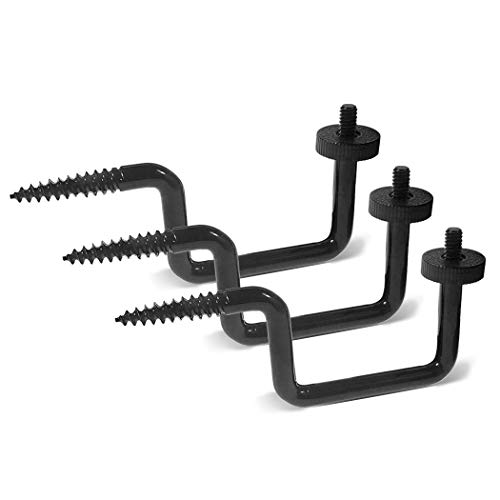
Highwild Tree Screw Mount 3-Pack Bracket

Woleyi Gooseneck Super Clamp Camera Mount

ATUMTEK Super Camera Clamp Dual Ballhead

HME Economy Trail Camera Holder
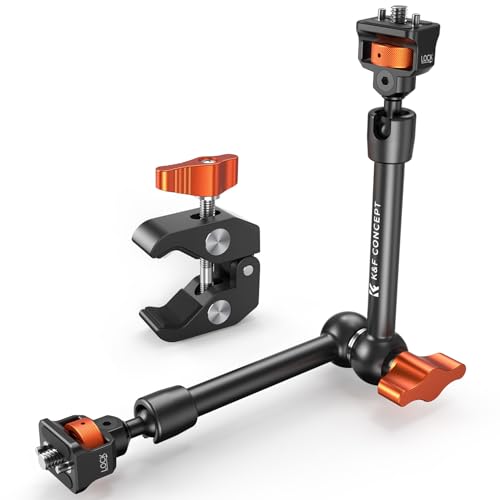
K&F CONCEPT 11″ Magic Arm Clamp
The Strengths Of Each Pick
The YakAttack PanFish Portrait Pro is purpose-built for kayak anglers who want their action cam or compact camera close to the deck. The 11.5-inch pole keeps weight low, which matters when every paddle stroke sends ripples through your shot. It’s a different animal from the tree-mount trail cams coming later on this list, designed for watercraft rather than woodland blinds.
What makes it work is the LockNLoad base (YakAttack’s toolless track-mounting system that locks into existing gear tracks), which lets you rotate the camera a full 360 degrees and tilt it to the angle you want. Compared to the rigid brackets further down the list, this one is built for movement, not static surveillance.
Positive Points
- Low-profile 11.5-inch pole reduces vibration from paddling and chop.
- LockNLoad base provides full 360-degree rotation plus angled articulation.
- Includes both a 1/4-20 thread (the standard tripod screw used by most cameras) and a GoPro mount head.
- Keeps your camera weight centered near the deck for better balance on the kayak.
Points To Note
- Tied to YakAttack track systems, so you’ll need compatible gear tracks already installed on your kayak.
- Not designed for tree mounting or stationary wildlife observation.
- Owners in rough-water setups commonly report needing extra thread-locking compound to keep the camera from drifting over time.
Right Fit For
Kayak anglers and paddlers who film their catches and want a deck-mounted, vibration-resistant rig for action cams or compact cameras.
Swap It Out When
The HME Economy Trail Camera Holder is a better match if your goal is leaving a stationary camera strapped to a tree in the woods for days.
The HME Economy Trail Camera Holder bundle delivers four mounts in one box, which is the real story for hunters running multiple camera locations. Each holder screws into a tree with a standard 1/4-inch x 20mm thread (the universal mount spec for trail cams) and stays low to the trunk to keep the camera out of sight.
Compare that to the single-unit HME holder further down: this bundle trades a few frills for quantity. If your scouting plan involves rotating camera positions or covering a wide property line, that math works in your favor.
Standout Benefits
- Four mounts in one bundle covers multiple stands or property corners.
- Full 360-degree rotation and 220-degree vertical tilt on each unit.
- Standard 1/4-20 thread fits most trail cameras on the market.
- Compact, low-profile build reduces snag points and theft visibility.
Worth Noting
- Plastic-dominant construction means it’s not the toughest option against determined wildlife or curious bears.
- No quick-release mechanism, so swapping cams takes a few extra twists.
Who It Suits Best
Scouts and property managers running multiple camera locations who want a budget-friendly way to expand their coverage area.
Consider Something Else When
The Highwild Tree Screw Mount 3-Pack is a better fit if you need powder-coated steel for harsher weather exposure.
The WingHome bracket keeps things simple, and for many weekend hunters, that’s the whole point. It supports any trail or security camera with a 1/4-20 tripod thread, and you can mount it on trees, fences, gates, ceilings, or walls depending on your setup.
Unlike the rigid steel mounts further down the list, this one is designed for quick deployment. It positions your camera exactly where you want it, then holds it there through wind and weather. You may find the adjustment range slightly tighter than the HME bundle, but the install process is faster.
What Pays Off
- Universal 1/4-20 thread accepts trail cams and security cameras alike.
- Installs on trees, fences, walls, and ceilings for flexible placement.
- Built for harsh weather conditions in active hunting environments.
Honest Caveats
- Single-pack purchase means you’ll need extras for multi-location scouting.
- Plastic-bodied construction can wear faster than steel alternatives under constant sun exposure.
- Adjustment range is more limited compared to full articulating arms like the Rigdance option.
Made For
Weekend hunters and casual wildlife observers who want one straightforward mount that works on trees, fences, and other surfaces without a learning curve.
Skip It When
The Rigdance Articulating Magic Arm is a smarter call if you’re trying to dial in precise angles on a monitor while filming a hunt.
The Rigdance Magic Arm is the kind of mount that lives in video production kits, but hunters have started adopting it for field monitors and run-and-gun setups. At 4.85 inches fully stretched, it bridges the gap between small camera mounts and full studio arms.
The 22mm ball heads (the rotating spheres at each joint that grip your accessory) are larger than typical magic-arm balls, and O-rings inside the joints keep friction steady so the arm holds position over time. Compared to the Woleyi gooseneck later on, this arm is stiffer and more precise, less flexible and forgiving.
A Few Strong Suits
- Large 22mm ball heads with internal O-rings maintain grip after repeated repositioning.
- Knurled knobs (textured metal grips for tightening by hand) include Allen wrench holes for extra torque.
- Medium length fits field monitor rigs without dominating your setup.
- Friction-based articulation lets you fine-tune angle without tools.
Worth Bearing In Mind
- Not designed for tree mounting; works best on tripods, clamps, or rig setups.
- Payload capacity drops off quickly with heavier monitors at full extension.
Best Suited To
Hunters filming from fixed blinds or vehicles who want to mount an external monitor and reposition it on the fly without losing angle.
Reach For A Different Pick When
The Woleyi Gooseneck Super Clamp is a stronger choice if you need to wrap your mount around a roll bar, handlebar, or pipe.
The Highwild bracket is built for hunters who leave cameras out for weeks at a time and don’t want to revisit them. The heavy-duty steel body and corrosion-resistant powder-coated finish handle rain, snow, and humidity without complaint.
You get three mounts in the pack, plus a standard 1/4-20 thread that fits nearly every trail cam, hunting cam, and even solar panel add-on. Where the WingHome option above leans toward quick installs, this one is built to stay put.
What Helps Most
- Powder-coated steel body resists rust and corrosion in wet conditions.
- Three-pack quantity suits multi-camera scouting setups.
- Universal 1/4-20 thread works with trail cams, hunting cams, and solar panels.
- Heavy-duty build handles year-round outdoor exposure.
Points To Keep In Mind
- Screw-in installation requires a pilot hole in hardwood, which adds setup time.
- Heavier than plastic brackets, so it’s overkill for short-term placements.
- Steel-on-tree contact can stress thin bark on younger trees if over-tightened.
Built With In Mind
Hunters running long-term scouting setups in remote areas where weather resistance and theft deterrence matter more than quick swaps.
A Better Fit Elsewhere
The ATUMTEK Super Camera Clamp is worth considering if you need a clamp-based mount rather than a tree-screw approach.
The Woleyi gooseneck mount is the most adaptable piece on this list. The flexible neck bends into nearly any shape, and the clamp jaws grip tubular objects from 12mm to 40mm in diameter. That covers bike handlebars, mic stands, boat rails, ATVs, and more.
Where the tree-screw mounts above assume a fixed location, this one assumes you’ll move. The 360-degree ball head rotation and roughly 180-degree adapter tilt give you framing flexibility even after the clamp is locked down. Compared to the rigid Rigdance arm earlier, you trade precision for shape memory.
A Favorable Mix
- Gooseneck arm bends and holds position for custom angles.
- Clamp range fits everything from skinny mic stands to thick roll bars.
- 1/4-20 thread works with DSLRs, GoPros, Insta360, and LED lights.
- Quick repositioning makes it ideal for run-and-gun hunting scenarios.
Practical Considerations
- Gooseneck memory can drift under heavy vibration from ATV or trail riding.
- Clamp rubber pads wear faster than steel mounts on rough pipe surfaces.
- Not a tree-mount solution, so it won’t help with stationary scouting cameras.
Perfect Match For
Hunters filming from vehicles, bikes, or boats who need a mount that wraps around tubes and bars and repositions without tools.
Where Another Pick Suits Better
The Highwild Tree Screw Mount is the right call for permanent tree placement, where vibration and movement aren’t part of the equation.
The ATUMTEK clamp mount lands in the middle of this list because it genuinely splits the difference. The aluminum-alloy body is lighter than steel, and the dense rubber pads in the clamp area protect whatever surface you’re gripping from scratches.
What separates it from the Woleyi gooseneck above is the dual ballhead design with both 1/4-inch and 3/8-inch threads. That wider thread compatibility (3/8-inch is the heavier-duty standard often used in pro video rigs) opens up professional camera rigs, monitors, and audio gear alongside the standard GoPro and DSLR crowd.
Strengths Worth Knowing
- Aluminum-alloy construction balances weight savings with structural strength.
- Dual thread sizes (1/4-inch and 3/8-inch) accept broader camera and accessory setups.
- Rubber-padded clamp protects surfaces from scratching and slipping.
- 360-degree ball head on both ends for full repositioning freedom.
Less-Strong Areas
- Quick-release design adds moving parts that need occasional checking.
- Clamp grip strength depends on surface diameter, and smaller bars may need shimming.
Who Should Grab It
Hunters running mixed-gear setups (camera plus monitor or mic) who want one clamp mount that handles both standard and heavier threads.
Look Elsewhere When
The K&F CONCEPT 11″ Magic Arm is a smarter option if you need longer reach for studio-style monitor positioning.
The single-pack HME Economy holder has been around long enough that it’s almost a default choice for first-time trail camera owners. The design is simple: a tree screw threads into wood, a knob locks the camera angle, and the low-profile body keeps the rig tucked against the trunk.
Versus the HME 4-Pack bundle earlier, this is the right pick when you only need one mount and want the lowest entry cost. You may find the plastic-and-metal blend feels less rugged than the steel Highwild option, but for casual scouting, it gets the job done.
Practical Pluses
- Screw-in install works on any standard tree trunk.
- Full 360-degree rotational and vertical angle adjustment.
- Low-profile design reduces snag and visibility in the field.
- Camera-locking knob keeps your gear secure once positioned.
Trade-Offs
- Single-unit purchase means no backup mount for a second location.
- Plastic components show wear sooner than the all-steel Highwild alternative.
The Right Fit
Beginner hunters and first-time trail camera owners who want a simple, single-mount solution for one or two scouting spots.
Where A Sibling Pick Shines
The HME 4-Pack Bundle is the better value once you expand beyond a single camera location.
The K&F CONCEPT Magic Arm is the longest option on this list at 11 inches fully stretched, and that extra reach changes what you can mount and where. Dual ball heads at both ends provide 360-degree rotation, while the included clamp attaches the whole assembly to a tripod, rail, or pipe.
What sets it apart from the shorter Rigdance arm earlier is the ARRI-standard thread compatibility (ARRI is a German cinema-camera maker whose pin and thread layouts have become an industry standard for pro rigs). That makes it a natural fit for hunters who shoot with cinema-style accessories or want monitor positions a smaller arm can’t reach.
Why It Works Well
- 11-inch reach accommodates larger monitors and off-camera lighting.
- Dual ball head design offers 360-degree adjustment at both ends.
- Includes both 1/4-inch and 3/8-inch thread screws for wide compatibility.
- Clamp base expands mounting options beyond tripod threads alone.
Possible Compromises
- Longer arm means more leverage on the clamp, so heavier accessories may cause droop.
- Clamp base isn’t included in every kit variation, so check the package contents before you mount.
Quick Facts
Whose Shelf It Belongs On
Hunters filming with monitors, cinema-style cameras, or lighting setups who want longer reach and pro thread compatibility in one arm.
Not Your Match When
The Rigdance 4.9″ Magic Arm is a cleaner fit for compact run-and-gun setups where shorter reach is actually an advantage.
What To Weigh Before Choosing Camera Arms For Hunting
Match The Mount To The Terrain
A kayak angler filming on the water needs a low-profile deck mount like the YakAttack PanFish, while a still hunter running stationary trail cams wants tree-screw or bracket solutions. Think about where your camera actually lives: watercraft, tree, vehicle, blind, or pack. Each environment rewards a different mounting philosophy, and choosing wrong means shaky footage or worse, a lost camera.
Check Thread Standards First
The 1/4-20 thread is the universal language of trail cams and DSLRs. Most arms on this list support it, but professional cinema gear often uses the larger 3/8-16 thread. If you’re running mixed equipment (GoPro plus cinema monitor, for example), the ATUMTEK and K&F CONCEPT arms with dual threads save you from buying adapters.
Vibration And Drift Matter
Flexible gooseneck arms hold their shape but drift under heavy vibration, which is a real problem on ATVs or in moving vehicles. Rigid friction arms like the Rigdance maintain position better but offer less fine adjustment. Steel brackets hold firm but offer zero flexibility. Your shooting style, stationary versus on-the-move, drives which trade-off makes sense.
Buy For Quantity Or Quality
Multi-packs like the HME 4-Pack and Highwild 3-Pack make sense for scouts covering wide areas. Single specialty arms make sense for filmmakers who want precision over coverage. Decide whether your priority is spreading cameras across multiple sites or refining one rig into a studio-quality setup.
Common Slip Ups And Where The Extra Money Goes
Pitfalls Shoppers Hit
The most common mistake is buying a tree-screw mount for a kayak or a flexible gooseneck for a stationary wildlife cam. Each design solves one problem well, and forcing a square peg into a round hole leads to wobbly footage. The second slip-up is overlooking thread compatibility, which forces last-minute adapter purchases or returns. Measure twice, check your camera’s mount spec, and buy once.
Where The Extra Money Goes
Higher-tier arms like the K&F CONCEPT and ATUMTEK cost more because of better materials (aluminum alloy versus plastic), dual thread support, and refined articulation hardware. You pay for tighter tolerances, smoother ball heads, and longer reach. For most casual hunters, mid-tier options do the job. For hunters running monitors, lights, or cinema accessories, the upgrade pays back in saved frustration and steadier framing.
Frequently Asked Questions
What Thread Size Do Most Trail Cameras Use?
Nearly every trail camera on the market uses the 1/4-20 thread, which is the same standard as consumer DSLR tripod mounts. This is why most arms and brackets on this list default to that size, though professional cinema accessories sometimes require the larger 3/8-16 thread.
Can I Use A Camera Arm Designed For Video Rigs In The Field?
Yes, magic arms and articulating mounts from video production work well in hunting setups, especially for monitors and run-and-gun filming. The main adjustment is making sure the clamp base fits your actual mounting surface (tree, rail, or pipe) rather than a studio C-stand.
Are Gooseneck Arms Stable Enough For Hunting Use?
Goosenecks hold position well for stationary or slow-moving setups, but heavy vibration from ATVs or rough terrain can cause drift. For vehicle-mounted or high-vibration scenarios, a rigid friction arm or steel bracket is the more reliable choice.
How Many Trail Camera Mounts Do I Need?
Most hunters run three to five cameras across a property to cover different angles and approaches. Multi-packs like the HME bundle and Highwild 3-Pack match that pattern, while single-mount options work for beginners with one or two locations.
What’s The Difference Between A Camera Arm And A Camera Mount?
A mount is typically fixed or minimally adjustable (tree screws, brackets, clamps), while an arm is articulating and lets you reposition the camera angle. Your choice depends on whether you want a set-and-forget scouting camera or a filming setup that you adjust as conditions change.