
Saddle hunting changes how you approach a tree: lighter pack, fewer fixed stands, more hiking between trunks. The right climbing stick makes that approach faster and quieter, and the wrong one turns every ascent into a noisy balancing act. If you want dependable sticks, aiders, harnesses, and full saddle kits, this list covers the gear that actually solves the way you hunt.
A Side-By-Side Look
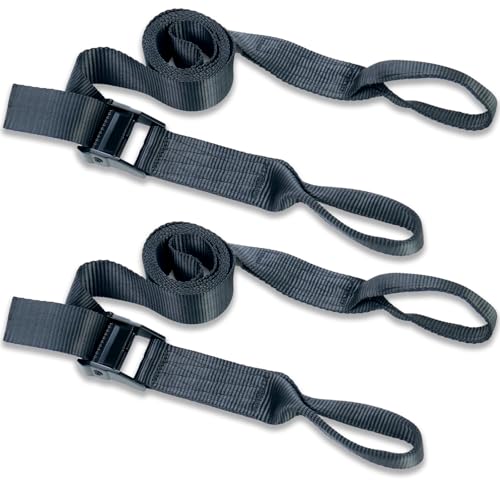
Huntury Climbing Stick Straps (Replacement Set)

Kalkal 20″ Aluminum Climbing Sticks (4 Pack)

Kalkal Adjustable Tree Stand Safety Harness

PUNCHMAN UHMWPE Single Step Climbing Aider

XOP X2 Double Step Climbing Sticks (3 Pack)

Kalkal Complete Tree Saddle Hunting System

Rivers Edge RE727 Grip Rail 32″ Climbing Aid (4 Pack)
A Breakdown Of The Leading Choices
Stick straps look like a small detail until one snaps halfway up a trunk. Huntury’s replacement straps sit in the same accessory category as the climbing sticks themselves, which means you’re buying the part that actually keeps each step attached to the tree.
If you already own a set of sticks and the originals are fuzzy, frayed, or just tired, this is the kind of low-cost swap that resets your whole kit. Saddle hunters who bounce between trees benefit from carrying a spare strap into the woods, since a torn loop mid-hunt is the worst possible time to discover you needed one.
Everyday Perks
- Restores the holding power of older sticks without replacing the whole stick
- Small enough to live in a cargo pocket or saddle bag
- Compatible with most common stick strap layouts
- Inexpensive insurance against a torn loop mid-hunt
Things To Consider
- Not a full climbing system, only a strap accessory, so it won’t help you get up a tree on its own
- Owners commonly swap these in once a season after rough bark or wet trunks wear the original loop
Whose Trail Kit It Belongs In
Hunters who already own a solid set of sticks but want a cheap spare strap ready when the original gives up.
Skip It When
You’re starting from zero, since the Kalkal Complete Tree Saddle Hunting System covers straps and steps together.
Aluminum has been the standard climbing stick material for a reason: it sheds weight without bending under load. Kalkal builds these 20-inch sticks from lightweight aluminum and pairs them with adjustable steps, which is the same basic recipe you find on sticks costing twice as much.
Each one weighs roughly two pounds, so the four-pack comes in around eight pounds of climbing gear before straps. Saddle hunters covering real ground on foot appreciate that ratio, and the non-slip step design keeps boots planted on cold mornings.
Advantages To Know
- Aluminum body cuts weight for long hikes between set-ups
- Adjustable steps let you tune stick spacing to the tree
- Non-slip step surface holds steady in frost and damp bark
- Four-pack covers roughly twenty feet of vertical reach
Worth Noting
- Aluminum can be quieter than steel but scratches and scuffs more easily on rough bark
- You may find the 20-inch length short on the tallest hardwoods without an aider stacked on top
Key Specs
Who It Suits Best
Mobile saddle hunters who want an affordable aluminum setup that handles the basics on most public-land timber.
Where Another Pick Suits Better
Hunters chasing deep-woods bucks at 25 feet benefit more from the PUNCHMAN Single Step Climbing Aider stacked on top of a stick pack.
A saddle setup is only as safe as the harness holding you to the tree. Kalkal builds this piece as a dedicated tree-stand safety harness, separate from the saddle itself, which matters because safety systems wear on a different timeline than your main hunting platform.
Lightweight construction keeps the harness from adding noticeable bulk to your pack. The adjustable straps accommodate layering under a heavy coat in late season, and the simple buckle layout means you can check every connection before you leave the ground.
Why It Works Well
- Purpose-built tree-stand safety design
- Adjustable straps fit over bulky cold-weather layers
- Lightweight enough to live in your pack without weighing it down
- Simple buckles speed up pre-hunt safety checks
Honest Caveats
- Stands on its own as a harness only, so you still need a lineman-style belt or saddle tether to climb in comfort
- Commonly replaced every few seasons once webbing shows heavy fraying
Best Suited To
Hunters running a saddle kit who want a dedicated, adjustable safety layer on top of their primary platform.
A Better Fit Elsewhere When
Hunters starting from scratch get more value from the Kalkal Complete Tree Saddle Hunting System, which includes a harness plus platform.
An aider is a short rope ladder that stacks on top of your top stick, extending how high you can climb without swapping out your whole stick stack. PUNCHMAN builds this single-step aider from UHMWPE rope, a high-strength synthetic that resists abrasion and absorbs less water than nylon. A hand-braided construction adds grip texture under your boot.
Where aluminum sticks top out around four stacked sections, an aider adds another 18 inches of vertical reach on the top step, which is enough to clear a tight crotch or reach a higher limb. The single-step design keeps the aider narrow and quiet against the tree.
What Works In Its Favor
- UHMWPE rope resists water absorption, so it stays light in rain and snow
- Hand-braided step adds grip texture under wet boots
- Single-step profile keeps the aider close to the trunk, reducing snag points
- Adds altitude without forcing you to carry another full stick
Points To Keep In Mind
- Designed as an add-on, not a replacement for the sticks themselves
- Braid construction commonly frays at the step loop after several seasons of heavy use
Feature Snapshot
Who Should Grab It
Big-woods hunters chasing mature bucks who need that last bit of altitude to clear the top of the stick stack.
Look Elsewhere When
You hunt shorter ridges with low limbs, since the Kalkal Aluminum Climbing Sticks cover typical timber without needing an extension.
XOP, short for Xtreme Outdoor Products, builds sticks with a reputation among mobile hunters for quiet carry and tight integration with their hang-on stands. The X2 uses 6061 and 7075 aluminum alloys, two grades favored in stick construction for the balance of strength and weight. The double-step layout means each stick gives you two places to plant a foot.
You get three sticks, three attachment straps, and the documentation needed to set up safely. For saddle hunters stepping off a platform and onto a stick, the wide 10-inch standing surface feels like a small landing pad rather than a tightrope wire.
The Case For It
- Double-step design lets you pick the foot height that suits the climb
- Wide 10-inch standing surface gives boots a stable landing
- Alloy aluminum construction keeps weight down on long hikes
- Designed to integrate cleanly with XOP hang-on stands
Trade Offs
- Premium positioning pushes it above entry-level aluminum sticks
- Three-stick pack may fall short of the altitude covered by the Kalkal four-pack
Quick Facts
Made For
Hunters who already run XOP hang-on stands and want sticks that carry and stack quietly with their existing kit.
Swap It Out When
Budget is the priority, since the Kalkal Aluminum Climbing Sticks cover a basic four-stick setup at a lower cost.
Saddle kits pull together saddle, platform, rope, carabiners, and a bag into one package, which removes the guesswork for first-time saddle hunters. Kalkal builds this system with a foldable platform measuring roughly 13.8 by 13.4 inches, two heavy-duty carabiners, two 10-foot safety ropes, and a carry bag alongside the saddle itself.
Note that this kit focuses on the saddle side of the equation rather than the stick side, so you’ll still need a separate climbing setup like the Kalkal Aluminum Sticks or PUNCHMAN Aider to actually reach your hunting height. For someone who wants the platform solved in one box, the convenience is real.
What It Does Well
- Saddle, platform, ropes, and carabiners arrive in one box
- Foldable platform simplifies transport between trees
- Carry bag keeps the kit organized in a pack or on a shelf
- Saves the time of researching each component separately
Some Limits To Know
- Does not include climbing sticks, so you need a separate stick purchase to actually ascend
- Platform sizing sits in the mid-range, which some larger hunters may find snug
Spec Overview
The Right Fit
First-time saddle hunters who want the platform side of the kit solved in a single purchase, with sticks added separately.
Reach For A Different Pick When
You want sticks included in the same order, since the Kalkal Aluminum Sticks four-pack is the practical companion for this saddle kit.
Climbing aids are permanent steps strapped to a tree year-round, and Rivers Edge builds the RE727 with powder-coated steel rather than aluminum. The 32-inch length is longer than most portable sticks, and the Grip Rail name refers to a permanent non-slip coating called Tractionite, a textured finish bonded to the step surface.
Note that this category fits a different hunting style than portable saddle sticks. Hunters who run the same ridge or saddle all season strap these steps up once and leave them, then walk in without carrying a full stick pack. The wide step area is sized for two feet, which makes the climb feel more like stairs than a ladder.
A Few Highlights
- Steel construction handles years of weather without flexing
- Permanent non-slip coating adds grip in wet or icy conditions
- Wide step area accepts two feet at once for stability
- Four-pack covers a typical tree with room for adjustment
Possible Compromises
- Steel weighs more per step than aluminum, so it’s heavier to haul during initial setup
- Permanent installation means leaving gear on the tree, which doesn’t fit mobile saddle hunters who move daily
Feature Card
Built With In Mind
Hunters who lock into a few dependable trees and prefer to leave steps installed year-round rather than carry a portable stick pack.
Consider Something Else When
You move to a new tree every sit, since the Kalkal Aluminum Sticks travel with you and don’t require permanent placement.
Choosing Climbing Sticks The Right Way
Stick Material And Weight
Aluminum is the most common climbing stick material, and most saddle hunters pick aluminum because it keeps packs light. Steel runs sturdier but adds weight, so steel-based climbing aids like the Rivers Edge RE727 fit a permanent-installation style more than a mobile approach. For long walks between set-ups, every pound saved on the stick stack is a pound saved on your back.
Step Width And Spacing
Step width matters more than total stick length when you’re climbing in the dark. A 10-inch standing surface, like the XOP X2, gives your boot room to land without searching for a narrow step. Single-step designs feel more precise, and double-step designs feel more forgiving. Match the choice to the conditions you actually hunt, not the conditions you hope for.
Compatibility With Saddle Kits
A climbing stick only matters if it works with the saddle, tether, and platform you already run. Portable stick packs pair well with mobile kits like the Kalkal Complete System, while permanent climbing aids suit hunters who settle on a few trees. Before you buy, check that your stick’s strap width matches the tree sizes you hunt and that the top stick sits low enough for an aider to extend reach without forcing an awkward first foothold.
Stick Count Versus Aider Stack
Four sticks cover roughly 80 inches of vertical reach, while three sticks plus an extension couvrir less ground in fewer placements. Adding a PUNCHMAN aider on top of a shorter stack keeps weight down and reaches higher. For tall timber, fewer sticks plus an aider tend to outwork a longer stick stack that you haul up the same trunk.
Notes From The Gear List
Where First-Timers Slip Up
New saddle hunters often buy a full kit before they understand their tree profile, which leads to a stick stack that’s too short or a platform that doesn’t fit the trunks they actually hunt. Start by measuring the trees on your hunting property, then choose sticks or aids that cover that height with at least a foot of overlap for limb clearance. Gear that matches the timber beats gear that matches the catalog every season.
What Higher-Tier Models Pay For
Premium sticks like the XOP X2 earn their place through alloy blends, step coatings, and tighter integration with matching hang-on stands. The upgrade pays off when you climb often, hunt in cold or wet conditions, or want a kit that carries quietly on long hikes. For occasional weekend sits in mild weather, entry-level aluminum sticks cover the basics without the higher cost. The honest read is that premium build quality shows up over seasons of use, not on the first trip to the woods.
Frequently Asked Questions
How many climbing sticks do you need for saddle hunting?
Most saddle hunters run three to five sticks depending on tree height, with three sticks covering shorter hardwoods and four or five covering tall pines. A PUNCHMAN aider stacked on top extends reach without adding another full stick to the pack.
Are aluminum or steel climbing sticks better for saddle hunting?
Aluminum wins for mobile saddle hunters because lighter sticks shorten long hikes. Steel-based climbing aids like the Rivers Edge RE727 fit hunters who install steps permanently and leave them year-round rather than carrying a portable pack.
Can you use climbing sticks without a lineman’s belt?
Yes, but you’ll want a saddle tether or stick strap that holds the top stick steady while you step off. Without something anchoring the top stick, it can pivot under load and throw off your balance on the first step.
Do climbing aids need to be replaced every season?
Permanent climbing aids commonly last several seasons before the strap or coating shows wear. Portable sticks tend to last longer since they’re stored dry between hunts, while permanent aids take the worst of weather, sun, and bark abrasion.
What goes in a complete saddle hunting kit?
A saddle, platform, tether, two safety ropes, carabiners, climbing sticks, and an aider cover the standard kit. The Kalkal Complete System covers the platform and rope side, while the Kalkal Aluminum Sticks cover the climbing side, and a PUNCHMAN aider adds the final reach piece.