
You’re packing for a backcountry birding trip, a long hike to a glassing ridge, or just want a scope that lives in a daypack without punishing your shoulders. The right compact spotting scope gives you real reach, sharp color, and quick setup in a body that won’t weigh you down.
This roundup focuses on shorter, lighter optics from trusted names and value-oriented newcomers. Every pick here earns its place through honest trade-offs, so you can match the scope to your terrain, your targets, and your tolerance for lugging gear.
An Overview Of The Picks

Vortex Diamondback HD Spotting Scope 16-48×65 Angled

Vortex Razor HD Spotting Scope (22-48×65 Straight)

Celestron TrailSeeker 16-48×65 Compact Spotting Scope

Celestron C70 Mini Maksutov Spotting Scope
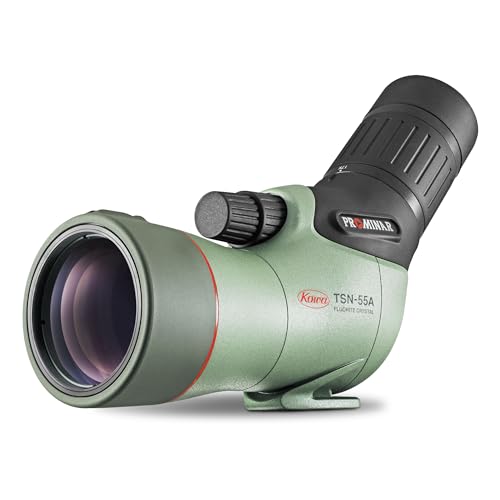
KOWA TSN-55A PROMINAR 17-40x55mm Angled Spotting Scope

Vortex Viper HD Spotting Scopes

25-75×80 Compact Spotting Scope with Phone Adapter Tripod

Celestron 52238 C70 Mini Mak Spotting Scope with Smartphone Adapter
Why These Options Stand Out
The Vortex Diamondback HD 16-48×65 is the scope most hobbyists end up cross-shopping against everything else, and for good reason. It threads a wide zoom range through a body that still rides comfortably in a daypack, so a long ridge walk doesn’t turn into a shoulder workout.
For deer hunters scanning open timber and birders chasing warblers through mixed cover, the angled eyepiece makes sharing the view easy. Chromatic aberration (color fringing around high-contrast edges) is one of the main things that separates budget glass from premium glass, and the HD optical system is designed to keep it well controlled at the upper end of the zoom.
A Strong Showing
- 16-48x zoom range covers everything from a tree-line buck to a perched songbird without swapping eyepieces
- 65mm objective gathers enough light for dawn and dusk glassing sessions
- Angled body reduces neck strain during long viewing sessions on a tripod
- Helical focus wheel allows smooth, precise dialing without oversized knobs
Points To Keep In Mind
- At the top of the zoom range, image brightness and contrast dip more than they do on the Razor HD below
- You’ll want a sturdy tripod; a light travel tripod will visibly shake at 48x
Quick Facts
Who It Suits Best
Recreational hunters, hikers, and birders who want one scope to do most jobs without paying flagship prices.
Where Another Pick Suits Better
Opt for the Vortex Razor HD 22-48×65 if you spend more time at the long end of the zoom and want visibly cleaner edge sharpness.
The Vortex Razor HD 22-48×65 is what you reach for when you want the kind of image the Diamondback HD aspires to. It starts at 22x, which is higher than many compact spotters, so it’s built for serious distance work rather than casual backyard use.
The straight-through body is a traditional choice that works well for bench-style shooting and long, level viewing across open country. For sheep hunters, long-range shooters spotting their own impacts, and birders chasing raptors across a canyon, the cleaner color and tighter distortion control pay off where it counts.
Where It Delivers
- High-end optical system minimizes distortion and color fringing at the edges
- 22-48x range targets the long-distance end of the spotting spectrum
- Straight body suits rifle-bench use and tripod work at chest height
- Premium-grade coatings lift low-light performance over entry HD glass
Trade Offs
- 22x minimum magnification is more than you need for nearby songbirds
- Premium pricing puts it well above the Diamondback HD for similar magnification
The Right Fit
Experienced shooters and distance-focused outdoorsmen who care about image quality at the long end of the zoom.
A Better Fit Elsewhere
The Celestron TrailSeeker 16-48×65 is a friendlier choice for travelers who need a lower starting magnification.
Where the Vortex Diamondback HD is a great all-rounder, the Celestron TrailSeeker 16-48×65 leans harder into portability. It’s the scope that fits in a side pocket of a hiking pack and doesn’t feel like a penalty on the trail.
Birders carrying it for hours at a time tend to appreciate the lighter load, and the 65mm objective is a sensible middle ground between pocket scopes and full-size 80mm+ glass. Image quality sits a step below the Vortex HD offerings, but for the weight savings, most travelers find the trade fair.
What Helps Most
- Lighter 65mm body trims pack weight for long hikes and backcountry trips
- 16-48x zoom handles both close songbirds and distant ridgelines
- Travel-friendly size stows in most daypacks without dedicated room
- Reaches deeper magnification than the C70 Mini Mak below
Honest Caveats
- Edge sharpness is softer than Vortex HD glass at the same magnification
- Coatings and low-light performance trail the more expensive spotters on this list
Feature Card
Made For
Backpack-first birders and travelers who count ounces and still want a useful zoom range.
Consider Something Else When
The Vortex Diamondback HD is the smarter pick if low-light clarity matters more than cutting a few hundred grams.
The Celestron C70 Mini Mak doesn’t look much like the other spotters here, and that’s the point. A Maksutov-Cassegrain optical design folds the light path into a very short tube, so it works where traditional spotters feel oversized.
It’s a genuine dual-purpose optic for birding, casual wildlife viewing, and quick stargazing on the patio. The package includes a tabletop tripod with slow-motion controls, which makes the short body feel purposeful rather than compromised. Just expect a different feel at the eyepiece than a wider conventional scope.
A Favorable Mix
- Very short tube slips into a coat pocket or small messenger bag
- Maksutov design works for both daytime wildlife and casual astronomy
- Tabletop tripod with slow-motion controls included out of the box
Possible Compromises
- Zoom range and field of view are limited compared to traditional spotters
- Small front lens means dimmer images in low light than the 65mm and 80mm picks
Best Suited To
Casual birders, condo dwellers, and travelers who want a grab-and-go optic that doubles as a small night-sky scope.
Not Your Match When
Reach for the Vortex Diamondback HD or TrailSeeker when you need a wider field of view for tracking moving birds.
The KOWA TSN-55A PROMINAR is the outlier on this list in the best way. A pure fluorite crystal objective lens is a serious piece of glass, and Kowa packs it into a 55mm body that weighs roughly 965g and measures around 275mm long.
For traveling birders who obsess over feather detail, the PROMINAR line is the kind of upgrade that gets noticed immediately. Fluorite crystal helps suppress chromatic aberration, which is the color fringing that often shows up around dark birds against bright sky. The angled body and 17-40x zoom keep the use case firmly in the hiking-and-glass-on-the-go category.
Where It Excels
- Pure fluorite crystal objective delivers premium-grade color correction
- Compact 275mm length and roughly 965g weight suit serious travel kits
- 17-40x zoom range covers typical birding distances without going excessive
Factors To Consider
- Premium pricing reflects the fluorite objective and PROMINAR build
- 55mm front lens gathers less light than the 65mm and 80mm picks on this list
- You may find yourself wishing for more reach at the long end for big open terrain
Feature Card
Perfect Match For
Purist birders and traveling naturalists who want reference-level color in a packable body and don’t mind paying for it.
Skip It When
The Celestron TrailSeeker or Vortex Diamondback HD makes more sense for casual use without the fluorite premium.
The Vortex Viper HD 15-45×65 has been a fixture on glassing benches for years, and it remains a sensible middle-tier choice. It offers a useful 15-45x zoom range with a 65mm objective in a body that feels familiar to anyone who has used a full-size spotter.
Multi-position eyecup adjustments and a rotating collar let you dial in eye relief and angle. For hunters and shooters who log a lot of hours behind the optic, those small touches matter more than the spec sheet suggests.
Practical Advantages
- 15-45x zoom starts lower than many spotters, useful for closer subjects
- Multi-position eyecup suits glasses wearers during long sessions
- Locking collar rotates the scope into different viewing positions
- HD optical system lifts image quality over older Viper generations
Where It Is Less Suited
- Not the most compact option in this list; bodies trend longer than newer travel designs
- Image quality sits below the Vortex Razor HD for similar magnification
Who Should Grab It
Mid-range hunters and shooters who want a proven workhorse scope from a familiar lineup.
Another Choice May Suit
The KOWA TSN-55A PROMINAR is worth a look for travelers who want better color in a noticeably shorter body.
The 25-75×80 is the most ambitious spec sheet on this list for the money, pairing a generous zoom range with a sizable 80mm objective and bundling a tripod and phone adapter. On paper, it offers more reach than most compact spotters at a fraction of what the premium brands charge.
For target shooters ringing steel at the range, casual hunters, and anyone curious about long-distance viewing without committing to a flagship scope, it’s a low-friction entry point. Owners commonly report that the 80mm front lens pulls in noticeably more light than 65mm spotters at dusk.
Points In Its Favor
- 25-75x zoom range reaches well past what 16-48x and 17-40x scopes can do
- 80mm objective gathers more light for late-day glassing
- Waterproof, fog-proof nitrogen-filled body handles rough field use
- Phone adapter and tripod included for digiscoping and stable viewing
Small Caveats
- Heavier and longer than 55mm and 65mm travel-friendly spotters
- Color and edge sharpness trail the established optics brands on this list
- Without a strong tripod, the 75x top end magnifies every shake
Who Will Love This
Target shooters, range spotters, and curious newcomers who want maximum reach and accessories on a tighter budget.
Look Elsewhere When
Opt for the Vortex Viper HD or Razor HD if brand-tier optical refinement matters more than zoom range.
The Celestron 52238 C70 Mini Mak builds on the C70 platform with a 1.25-inch smartphone adapter for digiscoping, which is the practice of photographing distant subjects through the scope with your phone. It’s a small addition that turns the Mini Mak into a casual content-capture tool as well as a viewing scope.
The 25-75x built-in zoom eyepiece pairs nicely with phone capture, and the tabletop tripod with slow-motion controls keeps subjects framed while you tap to focus. For backyard birders, amateur astronomers, and anyone wanting to share what they’re seeing on social media, the kit lands in a useful middle ground.
What Earns Its Place
- Built-in 25-75x zoom eyepiece removes the need for aftermarket oculars
- Smartphone adapter captures photos and video through the eyepiece
- Tabletop tripod with slow-motion controls keeps subjects steady and framed
- Compact Maksutov body works for both terrestrial viewing and casual stargazing
Things To Weigh
- Phone adapter is a basic unit; image quality depends on your phone and the fit
- Smaller 70mm aperture gathers less light than the 80mm options on this list
- Not designed for long hikes; a tabletop tripod limits where you can set it up
Feature Card
Built With In Mind
Casual digiscopers, backyard birders, and curious stargazers who want an all-in-one starter kit.
Swap It Out When
Pick the Celestron TrailSeeker if you want a more traditional spotter with a wider field of view for tracking wildlife.
Choosing The Right Compact Spotting Scope For Your Style
Picking a compact spotter is really about matching three things: where you’ll use it, how far you need to see, and how much weight you can carry without thinking about it all day.
Magnification And Objective Lens Balance
Magnification is the most quoted number, but the objective lens (the front glass that gathers light) quietly matters just as much. A 65mm lens with a 16-48x range, like the Vortex Diamondback HD or Celestron TrailSeeker, hits a sweet spot for most hikers and hunters. Going up to 80mm pulls in more light at dawn and dusk, but the scope gets noticeably bigger and heavier. Going down to 55mm or 70mm keeps the body short and light, but you’ll sacrifice some brightness and reach.
Portability Versus Optical Reach
A truly compact scope is one you’ll actually carry. The 275mm KOWA TSN-55A PROMINAR is impressive because it tucks into smaller packs, while the 25-75×80 leans the other way with more reach and a longer body. Think honestly about your use case: a scope that lives in a truck or a spotting bench has different priorities than one climbing a ridge with you.
Tripod, Mounting, And Stability
High magnification amplifies shake. A solid tripod matters more than most spec sheets admit. Compact carbon-fiber travel tripods work well for 16-48x and 17-40x scopes, but you’ll want a sturdier head once you cross 60x. The tabletop tripods bundled with the C70 Mini Mak models are useful for short sessions, not for field glassing at distance.
Eyepiece And Use-Case Fit
Angled bodies suit most birding and casual spotting because you don’t have to crane your neck. Straight-through bodies work well for bench shooting and tripod work at chest height. A built-in zoom eyepiece, like the one on the Celestron 52238 C70 Mini Mak, removes the hassle of swapping oculars in the field. If you wear glasses, look for longer eye relief and adjustable eyecups, like those on the Vortex Viper HD.
Key Considerations Across These Picks
Mistakes Worth Dodging
The most common slip is chasing magnification at the expense of objective size. A 75x scope on a tiny front lens produces dim, soft images. A second trap is underestimating tripod needs. Even a great optic looks terrible on a flimsy mount at long range. Finally, watch the case and armor. Compact spotters get bounced around in packs, so rubber armor and a fitted case are worth more than they seem.
Where The Extra Money Goes
Higher-tier models like the Vortex Razor HD and KOWA TSN-55A PROMINAR use premium glass and tighter optical tolerances. That translates to cleaner color, less fringing around high-contrast edges, and better low-light performance. If you spend long days behind the scope, those differences add up to less eye fatigue and more confidence in what you’re seeing. For occasional use, a mid-tier HD scope like the Vortex Diamondback HD or Viper HD is plenty.
Frequently Asked Questions
What magnification do most people need in a compact spotting scope?
A 16-48x or 15-45x zoom handles the vast majority of hiking, hunting, and birding situations. More reach is nice for open terrain, but it usually means a longer, heavier body.
Are angled or straight spotting scopes better?
Angled bodies are easier for sharing views, sitting on a stool, or long sessions on a tripod. Straight bodies work well for bench shooting and quick top-down viewing. The choice mostly comes down to how you plan to use it.
Can compact spotting scopes be used for astronomy?
The Celestron C70 Mini Mak and the 52238 with smartphone adapter both double as casual astronomy scopes. Maksutov designs are especially well-suited for lunar and planetary viewing because of their long focal lengths in a short tube.
Do compact spotting scopes need a tripod?
For most magnifications above 20x, a tripod is strongly recommended. Higher zoom magnifies every shake, and image quality drops quickly without a stable mount. Travel-friendly carbon-fiber tripods are a good match for compact bodies.
How important is waterproofing on a compact spotting scope?
Nitrogen-purged, waterproof bodies resist internal fogging and handle wet field conditions much better than non-sealed designs. If you regularly glass in rain, near water, or in humid climates, look for explicitly waterproof and fog-proof models like the 25-75×80 or the KOWA TSN-55A.