
A cut-on-contact broadhead starts opening a wound channel the instant its tip touches hide, which matters when shot placement is good but penetration still has to do the heavy lifting on whitetail, hog, or elk-sized game. The right head pairs a durable one-piece or solidly built body with a tip geometry that refuses to deflect off bone and rib cartilage. Hunters dialing in crossbow bolts at close range and traditional shooters threading long, heavy arrows through tight quarters all want the same core trait: a head that flies straight, bites hard, and stays together after impact.
This roundup walks through eight solid cuts on contact broadheads covering fixed-blade, mechanical, and practice-ready options for both compound and crossbow setups. Each pick is matched to a real hunting scenario, with honest trade-offs called out so you can match gear to your arrows, your draw weight, and your quarry.
The Picks In Brief
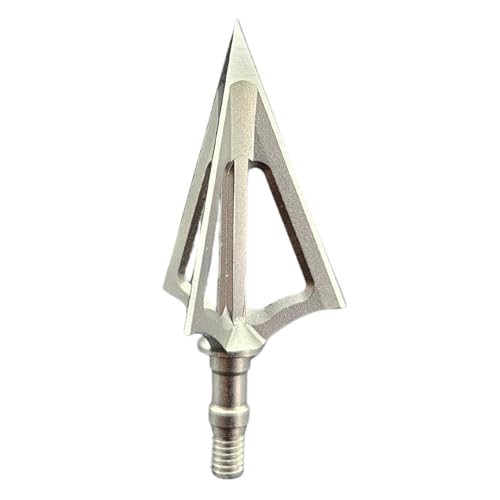
G5 Montec Fixed 3-Blade Broadheads, Compound & Recurve
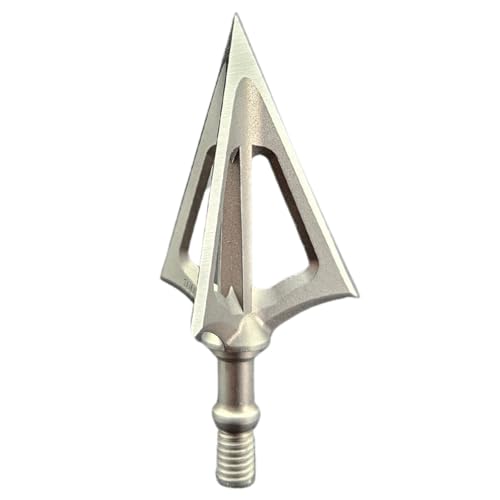
G5 Montec Fixed 3-Blade Broadheads, Crossbow 100/125

Magnus Stinger Buzz Cut 4-Blade Broadheads, 100 Grain

QAD Exodus Crossbow Full Blade Broadhead (Pack of 3)

Magnus Stinger Buzz Cut 4-Blade Broadheads, 125 Grain

NAP Spitfire Maxx Mechanical Broadhead, 1.75-Inch Cut

Swhacker #220 Practice Broadheads, 100 Grain
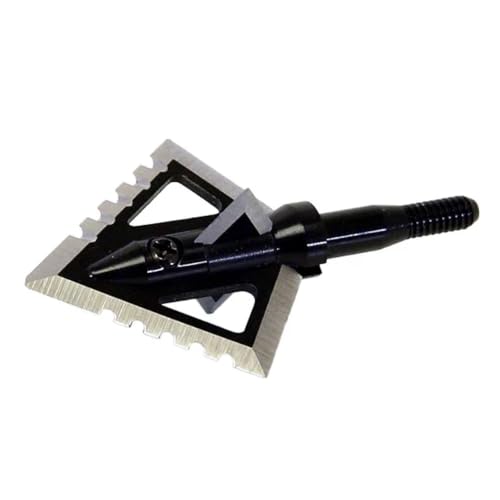
Magnus 4 Blade Hornet Ser-Razor Broadhead, 125-Grain
A Deeper Look At The Lineup
All-steel construction makes the Montec a head you can bounce off a target stand and keep shooting. The one-piece MIM build (Metal Injection Molding fuses powdered steel into a single, gap-free part) removes the weak joints where fixed blades usually loosen or snap. Hunters carrying a single broadhead through thick November cover tend to gravitate toward this design because there are no replaceable blades to drop, strip, or forget in the truck.
Each head leaves the factory spin-tested, which trims the trial-and-error loop you usually face when sighting in fixed blades. Available in 85, 100, and 125 grain weights, the Montec slots cleanly into most arrow spine charts without forcing a rebuild. The diamond-cut tip starts cutting on contact rather than sliding into the hide first, which is the entire point of this category.
Everyday Wins
- Single-piece steel body shrugs off dry-firing, rocks, and brush without loosening
- Spin-tested out of the box, cutting setup time on the range
- Three grain options (85, 100, 125) cover most compound and recurve builds
- Cut-on-contact diamond tip avoids the dreaded deflection off shoulder bone
- Easy to re-sharpen in camp with a small file system
Things To Consider
- Fixed-blade design demands a wide-diameter arrow rest or open shelf to clear
- Field-point accuracy may require a paper-tuning pass before a hunt
Key Specs
Who It Suits Best
Compound and recurve hunters who want one bulletproof fixed blade to carry through a full season without swapping parts.
Consider Something Else When
Crossbow shooters running high-energy bolts should look at the QAD Exodus Crossbow Full Blade Broadhead for its thicker blade stock.
The crossbow-tuned Montec takes the same one-piece steel DNA as its compound sibling and scales it for the higher-impact world of horizontal bolts. Where a vertical bow delivers 60 to 80 foot-pounds of energy, a modern crossbow often pushes 100 to 150, so the head needs thicker steel and tighter tolerances. This version lands in 100 and 125 grain options to match heavier crossbow bolt spines.
The cut-on-impact nose and multi-tapered blades work together to keep the head tracking straight even after glancing contact with rib cartilage. Compared to the compound-tuned Montec, this head is built for hunters who want minimal flight deviation at 30 to 50 yards from a braced position.
Well-Handled Touches
- Stainless steel monoflow (one-piece flow-formed) body shrugs off crossbow kinetic energy
- Multi-tapered blade profile reduces energy loss after bone contact
- Diamond-cut edges stay sharp through repeated shots into foam
- Spin-tested for crossbow-tier straightness
Points To Keep In Mind
- Only available in 100 and 125 grain, so lighter crossbow bolts need a different head
- No replaceable blade design means a hard rock hit ends the head’s life
- Requires crossbow-rated arrow rests with enough clearance for fixed blades
Right Fit For
Crossbow hunters running 100 or 125 grain broadheads who want a one-piece steel design that survives the heavier energy transfer of a horizontal bow.
Look Elsewhere When
Compound bow shooters without a crossbow-rated arrow setup should pick the standard G5 Montec Fixed 3-Blade Broadheads for their lighter grain options.
The Stinger Buzz Cut swaps a smooth edge for a chisel-style serration that saws through hide rather than slicing it. Four blades instead of three widen the wound channel without forcing a switch to mechanicals (heads with blades that deploy on impact). For hunters chasing whitetail through oak flats, the extra cutting edges help build a blood trail even when the shot angles rearward and quarters away from a clean exit.
At 100 grain, this head fits most standard compound bow arrow setups without an arrow spine rework. Where the Montec leans on steel mass for penetration, the Buzz Cut leans on serrated geometry, so the trade-off is edge longevity versus entry aggression.
What Pays Off
- Chisel-cut serrated edge chews through hide for fast blood trails
- 100 grain weight slots into most factory-tuned compound setups
- Fixed four-blade design delivers wider wound than typical three-blade heads
Worth Noting
- Serrated edges dull faster than plain blades after repeated foam impacts
- Sharpening serrations in the field requires a specialized file or stone
- Fixed-blade geometry may need a small vane or wrap clearance check on tight rests
Built With In Mind
Mid-weight compound bow shooters who want a wider wound channel and a 100 grain head without jumping to a mechanical broadhead.
Where A Sibling Pick Shines
Hunters chasing heavier game with more kinetic energy behind the arrow should pick the Magnus Stinger Buzz Cut 4-Blade Broadheads, 125 Grain for added momentum.
The Exodus is engineered around crossbow energy, with 0.40-inch thick stainless blades that resist bending after glancing rib hits. The Blade Over Shaft (BOS) geometry, where the blades extend forward of the arrow shaft rather than sitting above it, generates a steeper cutting angle that engages hide earlier than traditional fixed designs. For crossbow hunters chasing hogs or elk at close range, the 1.25-inch cutting diameter leaves a wide wound even when arrow flight wobbles slightly.
Replaceable blades soften the hard-rock impact problem that ends most one-piece steel heads. Compared to the G5 Montec crossbow version, the Exodus trades one-piece simplicity for a serviceable design you can rebuild at the truck.
Benefits That Matter
- 0.40-inch thick stainless blades survive glancing bone contact that bends thinner heads
- 1.25-inch cutting diameter leaves a noticeable exit wound on broadside shots
- Replaceable blades let you rebuild the head after a single rock hit instead of trashing it
- Cut-on-contact tip starts the wound before the full head enters the animal
Some Limits To Know
- Replaceable blade design requires torque checks before each hunt
- Heavier mass front-end shifts arrow balance, so paper tuning is worth the time
Best Suited To
Crossbow hunters running high-energy bolts through heavy cover who want a thick-bladed head that handles deflection better than thin steel competitors.
A Better Fit Elsewhere
Bowhunters without crossbow energy behind their arrows will get more accuracy from the G5 Montec Fixed 3-Blade Broadheads.
The 125 grain version of the Buzz Cut trades some speed for momentum, which matters when arrows hit bone at sharper angles. The heavier front weight also pulls broadheads into tighter groups at 40 to 60 yards, where lighter heads can drift in crosswinds. Hunters shooting heavier traditional rigs or compound setups with stiffer spines often find 125 grain heads fly straighter because the arrow’s front-of-center balance stabilizes flight.
Compared to the 100 grain sibling, this version adds kinetic energy without requiring a different arrow build for most carbon shafts in the 8 to 9 grain per inch range.
What Stands Out
- 125 grain front weight improves downrange accuracy in crosswind conditions
- Same chisel-cut serration pattern as the 100 grain for consistent wound channels
- Four-blade fixed design builds a wider blood trail than three-blade competitors
Honest Caveats
- Heavier mass slows arrow velocity slightly compared to lighter heads
- Serrated edges need periodic sharpening, especially after bone hits
- Requires arrow shafts with enough spine to support the front-end weight
Whose Shelf It Belongs On
Traditional shooters running heavier arrows and compound hunters who want tighter groups at longer ranges, with a head that adds momentum without sacrificing cutting width.
Reach For A Different Pick When
Speed-focused setups where lighter 100 grain heads already fly true should stick with the Magnus Stinger Buzz Cut 4-Blade Broadheads, 100 Grain.
The Spitfire Maxx brings mechanical broadhead advantages to hunters who want a wider cut without the wind drag of a fixed design. Blades deploy on impact rather than in flight, so the arrow flies like a field point until it hits hide, then opens to a 1.75-inch cutting diameter. That extra width matters when shooting quartering-away at whitetail, where a narrow wound can plug with fat and hair.
The cut-on-contact tip keeps entry performance in line with fixed blades, while the front-deploy blade arrangement (blades open forward of the ferrule, not rearward) avoids the rubber-band deployment failures that plague some rear-opening designs. Compared to the Montec’s 1-inch cut, the Spitfire Maxx nearly doubles the wound width for similar kinetic energy.
Standout Benefits
- 1.75-inch cutting diameter builds massive wound channels for fast blood trails
- Front-deploy blade design avoids the deployment failures of rear-opening heads
- Cut-on-contact tip starts the wound before blades fully open
- Flies like a field point until impact, so broadhead tuning is faster
Potential Drawbacks
- Moving blades, rubber bands, and ferrules add failure points compared to fixed heads
- Mechanical design requires inspection of blades and bands before each hunt
- Wider deployed blades increase drag in flight, which can affect long-range accuracy
- Some states restrict mechanical broadheads for certain game species, so check local regs
Perfect Match For
Compound bow hunters chasing big game where the extra cutting diameter outweighs the added mechanical complexity, and who tune their bows frequently.
Swap It Out When
Hunters wanting simple, one-piece reliability in thick cover should pick the G5 Montec Fixed 3-Blade Broadheads instead.
The Swhacker practice head mirrors the weight and flight profile of its hunt-ready sibling, so paper tuning and sight alignment at the range carry over directly to the field. New archers spend less time chasing paper tears because the practice head flies almost identically to the broadhead it represents. The 100 grain configuration matches standard compound and crossbow setups without forcing an arrow spine change just to practice.
Compared to foam- or bag-style target points, this practice broadhead lets you shoot into actual broadhead targets and see real cut patterns before opening day. It also spares hunt-ready blades from the dulling wear of range sessions.
What Makes Sense
- Weight and profile match the hunt-ready Swhacker #219, so tuning transfers cleanly
- 1.75-inch cutting profile lets you see realistic wound patterns in practice foam
- Saves hunt-ready broadheads from the dulling wear of frequent range sessions
Less Ideal Details
- Practice-only design means it cannot be used for actual harvest in most states
- Sharp blades require careful handling during loading and target retrieval
- Limited to 100 grain, so hunters using other grain weights need a different practice head
Who Should Grab It
New archers dialing in sight alignment and broadhead tuning who want practice sessions that match the exact flight of their hunt-ready broadheads.
Skip It When
Experienced hunters with a well-tuned setup may prefer standard field points for cheaper range sessions.
The Hornet Ser-Razor layers serrated main blades with bleeder blades (small secondary blades that open additional wound channels beyond the primary cut) for a wound channel that bleeds fast and tracks well. Main blades run 0.059 inches thick while bleeder blades sit at 0.040 inches, balancing cutting width with structural strength. Knife-grade stainless steel stands up to bone contact without snapping, and the patented diamond tip initiates cutting the instant the head touches hide.
Field-point accuracy comes from a head designed for high-speed compounds, so hunters pushing 300 fps or more can expect groups close to their field points. Replaceable main blades extend the head’s life through multiple seasons, which softens the per-shot cost over time.
Everyday Perks
- Serrated main blades paired with bleeder blades create wider blood trails
- Field-point accuracy holds up at high compound bow speeds
- Replaceable main blades extend service life across multiple seasons
- Patented diamond tip cuts on contact for instant wound initiation
Practical Considerations
- Serrated main blades need careful sharpening to maintain cutting geometry
- Bleeder blades add drag that affects arrow flight at very long ranges
- Replaceable blade system requires torque checks before each hunt
Key Specs
Made For
Big-game bowhunters who want a four-blade fixed head with serrated cutting geometry and field-point accuracy from high-speed compound setups.
Another Choice May Suit
Hunters preferring a simpler three-blade design with replaceable crossbow-grade blades should look at the QAD Exodus Crossbow Full Blade Broadhead.
Matching Cuts On Contact Broadheads To Your Setup
Understanding Cut-On-Contact Geometry
A cut-on-contact tip differs from a chisel-point or conical tip in one key way: the sharpened blade edges extend all the way to the point itself. The instant the tip touches hide, the wound channel starts opening, rather than waiting for the head to push deeper before cutting begins. This geometry helps when arrow flight is slightly off and the head hits at a shallow angle, because the cutting edges still engage instead of skipping off the hide surface.
Matching Grain Weight To Arrow Spine
Arrow spine (the stiffness of an arrow shaft, measured by how much it deflects under load) drives grain weight choices more than bow speed alone. A 100 grain head on a weak-spined arrow causes the front to whip in flight, hurting accuracy. A 125 grain head on an over-spined arrow makes the front heavy and slow. Most factory-tuned compound setups handle 100 grain cleanly, while traditional longbows and heavier crossbow bolts often pair better with 125 grain options.
Fixed Blade Vs Mechanical Trade-Offs
Fixed blades offer one-piece reliability but demand a wider arrow rest and a slight accuracy penalty compared to field points. Mechanical broadheads fly tighter because blades stay tucked until impact, but they add moving parts that can fail in the field. Hunters choosing between the two should weigh whether simplicity or cutting width matters more for their typical shot angles and game.
Considering Local Regulations And Game
Some states restrict mechanical broadheads for turkey or other specific species, so checking local regulations before season matters as much as tuning the head. For elk and moose-sized game, the 1.25 to 1.75-inch cutting diameters of heavier broadheads leave more recoverable blood trails, while whitetail hunters can get away with slimmer 1-inch cuts when shot placement is consistent.
Key Considerations Across These Picks
Mistakes Worth Dodging
Chasing cutting diameter alone leads many shoppers to ignore blade thickness and replacement options. A wide-cut head with thin blades bends after the first bone hit, while a narrower head with replaceable blades can be rebuilt in camp. Skipping the paper tuning step is another common misstep, because even spin-tested heads need to match your specific arrow setup before they group reliably at hunting distances.
Where The Extra Money Goes
Premium broadheads buy knife-grade stainless steel, replaceable blade systems, and tighter factory tolerances on balance. For hunters running high-end compounds or crossbows, those tolerances show up in tighter groups at long range. Casual archers shooting within 30 yards often cannot tell the difference between premium and mid-tier heads, so the upgrade pays off most for hunters stretching the distance or chasing tough quartering-away shot angles.
Frequently Asked Questions
What Does Cut On Contact Actually Mean?
Cut on contact means the blade edges run all the way to the tip, so the wound opens the moment the head touches hide. Standard chisel tips often push through the surface before the blades engage, which can cause the head to skip or deflect.
Are Fixed Blades More Accurate Than Mechanical Broadheads?
Modern mechanical broadheads fly like field points, so accuracy gaps have shrunk. Fixed blades still tend to group tighter at long range when properly tuned, but mechanicals win at shorter distances where the wider cut matters more.
How Often Should I Replace Broadhead Blades?
Replace blades whenever they show nicks, rounding on the edge, or bending from bone contact. Serrated blades dull faster than plain edges, so a quick visual check before each hunt catches most issues.
Do Crossbow Broadheads Work On Compound Bows?
Crossbow-specific heads are built for higher kinetic energy and often come in heavier grains. Compound shooters can use them, but lighter compound-tuned heads usually fly tighter from vertical bows.
How Important Is Spin Testing?
Spin testing ensures each head balances evenly on the arrow shaft, which directly affects group size at the range. Factory spin-tested heads save setup time, but field-tuning with a paper test still matters for the best accuracy.