
Managing a property for whitetail means thinking in seasons. Spring and summer call for protein to support herd and antler growth, while fall and winter push deer toward calorie-dense feed that holds them on the land. The right attractant depends on your goals: nutrition, observation, or full-on food plot establishment. A granular supplement works well for year-round use near a stand, while a food plot seed takes longer to establish but produces more volume per acre.
Below are seven solid options spanning granular supplements, pressed blocks, plot seed, and a connected feeder for remote management. Each one fits a different kind of property and hunter routine, so use the lineup to match your acreage and the season you hunt most.
A Quick View Of The Lineup

Ani-Logics Outdoors ANI-Supplement Gold Deer Attractant 50lbs

Big Tine Fortified Deer Block, 20 Lb
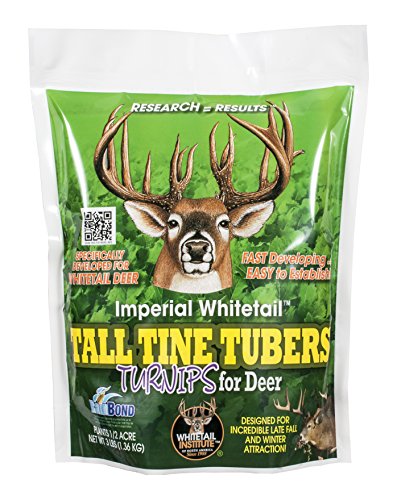
Whitetail Institute Tall Tine Tubers Deer Food Plot Seed
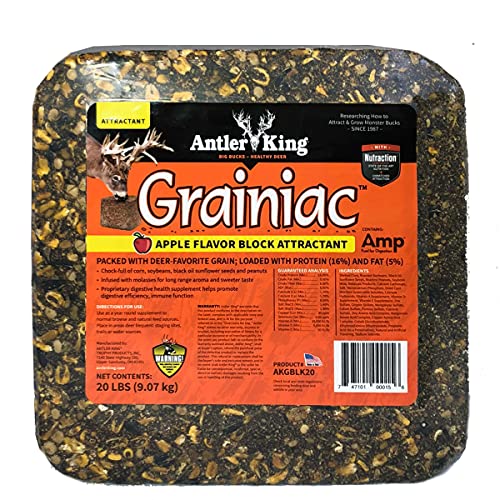
Antler King Apple Flavored Grainiac Block for Deer 20 lb

Moultrie Deer Feeder Connected 250 Lb Tripod

Ani-Logics Outdoors Crush Acorn Block Attractant 20 lb

Ani-Logics Outdoors ANI-Supplement Gold 20 lb
More On The Choices That Made The List
For property managers running a year-round feeding program, the ANI-Supplement Gold sits in a comfortable middle ground. The 50-pound bag covers a generous amount of ground at a trail camera station, and the granular form lets you scatter small piles or pour directly into a trough depending on how exposed the site is.
Compared with the smaller 20-pound option from the same brand later in this list, the bigger bag makes more sense for landowners running several sites at once. The core formulation stays the same, so the question becomes how often you want to refill versus how many properties you manage.
The Upside
- Protein-forward formulation supports herd and antler growth through summer stress periods
- Built-in Ani-Shield TX4 targets immune function alongside raw protein content
- Chelated minerals (minerals bound to organic compounds for better absorption) improve uptake compared with cheaper sulfate forms
- Essential oils and aroma compounds help draw deer from a wider area around the site
- Mold inhibitors keep the bag usable longer once opened, which matters in damp climates
Things To Consider
- Bulk grain requires a feeder or trough to keep it from spoiling on wet ground
- Heavy 50-pound bag is awkward to haul to remote spots without an ATV or hand cart
Who It Suits Best
Landowners managing multiple sites or larger properties who want a single bulk supplement that handles spring through winter without swapping products each season.
Consider Something Else When
The Big Tine Fortified Deer Block fits better for anyone wanting to drop a block at a remote site and refill only every few weeks.
A pressed block solves one big problem: you drop it and walk away. The 20-pound weight is manageable on foot, and the pressed form holds together through rain that would dissolve a grain pile. For a remote stand you only check every couple of weeks, that durability matters more than the upfront convenience of a granular product.
The corn, sunflower seed, and milo mix leans toward energy rather than protein, so this block fits late-summer and fall feeding patterns more than spring antler-building goals. Pair it with a protein-focused supplement if your herd needs summer nutrition.
What Makes Sense
- Pressed form holds shape in rain and resists spoilage better than loose grain
- Black oil sunflower seeds add fat content that helps deer through cold stress
- Stacks cleanly with other Big Tine products if you want to layer attractants
Points To Note
- Lower protein content than the Ani-Logics supplement makes it less ideal for spring antler development
- Once the block softens in wet weather, deer often finish it in days rather than weeks
Quick Facts
Right Fit For
Walk-in hunters placing food at remote sites who want a set-and-forget option that survives weather and infrequent checks.
Skip It When
The Whitetail Institute Tall Tine Tubers fits better when you have an acre or two to convert into a long-term fall food source.
Food plot seed plays a different game than a bag of attractant. You plant it, wait for a canopy, and let the deer come to a permanent forage stand. Tall Tine Tubers uses brassicas (a family of leafy, cold-tolerant plants) that produce two stages of attraction: leafy greens above ground and bulb roots below once temperatures drop.
Compared to the pressed-block approach of Big Tine, this seed demands soil preparation and timing. The payoff is a sustained late-season food source that does not require weekly refills.
Features That Help
- Two-stage food structure (greens above, bulbs below) extends the attraction window well into winter
- Available in 3-pound half-acre or 12-pound two-acre bags to match plot size
- Brassica family forages handle frost without dying back
Honest Caveats
- Requires tillage, seedbed prep, and proper planting timing for a real stand
- Single-season forage must be replanted each year for ongoing results
Made For
Landowners with a half-acre or more of workable ground who want a self-sustaining late-season food source rather than ongoing feed purchases.
Look Elsewhere When
The Antler King Apple Flavored Grainiac Block suits small properties without tillable ground or equipment to work it.
Flavor drives initial site visits, and apple is a recognized draw for whitetail. The Grainiac Block leans into that palatability (how readily deer accept and consume the feed) with a 16% protein and 5% fat profile that suits year-round use. The 20-pound size is easy to drop at a stand without hauling gear.
Versus the Big Tine block earlier in this list, Antler King targets a slightly higher protein ratio, which makes this pick a stronger summer choice when does are lactating and bucks are building antlers.
Strengths Worth Knowing
- 16% protein supports summer herd demands better than lower-protein blocks
- Apple aroma draws curious deer during early-stage site conditioning
- Year-round label removes the need to swap products between seasons
- Pressed form keeps a single block usable across multiple weeks of visits
A Few Limitations
- Apple scent fades after heavy rain, so site activity may dip until deer re-find the block
- Hard-pressed blocks can crack in freezing conditions, speeding consumption
Feature Snapshot
Best Suited To
Hunters running camera surveys on small parcels who want a block that doubles as both nutrition and site-conditioning draw.
A Better Fit Elsewhere
The Moultrie Deer Feeder Connected fits better when you want to schedule and adjust feed times remotely rather than dropping a single block.
The connected feeder category changes the management equation entirely. With a 250-pound hopper and cellular connectivity, the Moultrie unit handles season-long feeding without monthly refill trips. For landowners who manage multiple properties or simply want to adjust schedules from a phone, that remote control is the real selling point.
Compared to the granular and block options earlier in this lineup, the Moultrie is infrastructure. It costs more upfront and requires a feed source of your own, but it removes the most labor-intensive part of running an attractant program.
Where It Excels
- 4G LTE connectivity lets you adjust schedules and trigger feeds from anywhere with cell coverage
- 250-pound hopper cuts refill trips to a few times per season
- Built-in feed level monitoring removes guesswork about run time
Trade Offs
- Higher upfront investment than a bag of supplement or a single block
- Requires cellular signal at the feeder site, which limits placement in deep canyons or thick cover
Quick Technical Notes
Whose Shelf It Belongs On
Multi-property managers and remote landowners who need feed timing control without driving to every site each week.
Swap It Out When
The Ani-Logics ANI-Supplement Gold 50lb fits better for small parcels where a feeder setup is overkill and a granular supplement is enough.
Acorn is the natural benchmark for fall whitetail attraction, and the Crush Acorn Block leans into that flavor profile with a pressed format. The 20-pound block is designed for long-duration site visits, with ingredients aimed at keeping the block fresher longer in the field than competitors.
Versus the Apple Flavored Grainiac earlier in this list, the acorn profile better matches late-October through December feeding patterns when deer key on natural mast crops. The two blocks can also be stacked at adjacent sites if you want to test flavor preferences in your local herd.
Positive Points
- Acorn flavor profile aligns with natural fall feeding behavior
- Nutrient package targets both herd health and antler growth
- Press-block format holds up longer than loose attractants in wet conditions
Possible Compromises
- Acorn scent may underperform early in the season when natural mast has not dropped yet
- Block hardness can vary between batches, affecting how quickly deer consume it
Spec Overview
Who Should Grab It
Hunters focused on the rut and post-rut window when acorn-driven feeding is the dominant herd behavior.
Reach For A Different Pick When
The Ani-Logics ANI-Supplement Gold 20 lb works better in summer when protein matters more than flavor profile.
The 20-pound version of the Supplement Gold delivers identical nutrition in a smaller footprint. For small properties or hunters just starting a feeding program, this bag lowers the entry cost without sacrificing the core formulation.
Compared to the 50-pound sibling earlier in this lineup, the trade-off is simple: more frequent refills versus easier handling. Landowners running two or three sites should weigh refill logistics before scaling up.
Points In Its Favor
- Compact 20-pound bag fits in a small ATV bed or even a backpack for foot access
- Same Ani-Shield TX4 and chelated mineral profile as the larger 50-pound bag
- Year-round formulation removes the need to swap products seasonally
Worth Bearing In Mind
- Smaller bag means more frequent refills at high-traffic sites
- Bulk grain still requires a trough or covered feeder to stay usable in rain
Feature Card
Who Will Love This
New managers and small-acreage hunters looking to start a protein-forward feeding program without committing to a 50-pound bag upfront.
Where Another Pick Suits Better
The Big Tine Fortified Deer Block fits better when you want a single drop that lasts several weeks without managing loose grain.
Picking The Right Deer Attractant For Your Property
Match The Format To Your Management Style
Granular supplements like the Ani-Logics Gold work well when you visit sites often and want fresh feed each time. Pressed blocks like the Big Tine and Antler King options suit remote sites where infrequent trips demand a long-lasting format. Food plot seed like the Whitetail Institute Tall Tine Tubers trades hands-on feeding for soil work and seasonal planning.
Protein Versus Energy By Season
Spring and summer push deer toward protein for antler development and lactation, which makes high-protein supplements the right call. Fall and winter shift toward calorie-dense energy feeds as deer prepare for cold weather. Some products like the Antler King Grainiac label themselves year-round, but rotating between high-protein summer feeding and energy-dense winter feeding tends to match natural nutritional cycles more accurately.
Site Location And Refill Logistics
Before choosing, think honestly about how often you visit each site. A 50-pound bag makes no sense for a remote spot you check monthly, and a 20-pound block underperforms at a high-traffic stand you refill weekly. Mapping your access routes and refill frequency upfront saves wasted product and frustration later.
Scale Up With Connected Infrastructure
Once you manage multiple properties or simply want feed timing control, cellular feeders like the Moultrie unit step in. The upfront investment is heavier, but the time savings over a season usually pay back for anyone managing more than two or three active sites.
Key Considerations Across These Picks
Where Shoppers Go Wrong
The most common mistake is matching the format to the wrong site. Dropping a granular supplement in a wet, low spot invites mold and waste, while a pressed block in a high-traffic area burns through faster than expected. Before purchasing, walk your site after rain to confirm drainage and figure out how often you will realistically refill. Choosing the wrong scale, like a 50-pound bag for a site that sees light traffic, leads to spoilage before the product is used up.
What The Higher Tier Buys
Premium-tier attractants invest in chelated minerals for better absorption, mold inhibitors for longer field life, and flavor profiles that match natural feeding behavior. Those upgrades make sense for serious property managers running multi-season programs. Casual users or those just starting out often find the mid-tier options deliver solid performance at a friendlier entry point.
Frequently Asked Questions
What is the best time of year to start a deer feeding program?
Late winter through early spring is the most effective window for protein-forward supplements, since does are in late gestation and bucks are beginning antler development. Fall feeding with energy-dense blocks holds deer for hunting season but does less for herd nutrition overall.
Should I use a granular supplement or a pressed block?
Granular supplements work when you visit sites frequently and can keep feed dry. Pressed blocks suit remote sites with infrequent checks and unpredictable weather.
How long does a 20-pound deer block typically last?
A 20-pound block typically lasts two to six weeks depending on herd density, weather, and how many deer use the site. In heavy-use areas with soft conditions, blocks may disappear in under two weeks.
Do cellular feeders really save time?
Cellular feeders save significant time for anyone managing more than one site or for landowners who live far from their property. For a single nearby site, the convenience may not justify the higher upfront cost.
Can food plot seed replace supplemental feed entirely?
Food plot seed can replace supplemental feed during the growing season on properties with tillable ground. Outside the plot’s active window, supplemental blocks or grain fill the gap between seasons.