
Late-season deer shift their diets hard once frost locks down native browse, so what you put out in November and December matters more than what you scattered in October. Hard mast (nuts dropped from oaks and hickories) thins out, and deer pivot toward calorie-dense foods to survive the coldest stretch. The right attractant holds them on your property through the post-rut slump when most hunters have already hung up their boots. This list covers granular feeds, food plot seed, crushed fruit attractants, mineral blocks, and one deterrent for hunters who want the opposite problem solved.
The Main Contenders

Ani-Logics Outdoors ANI-Supplement Gold Deer Attractant 50lbs
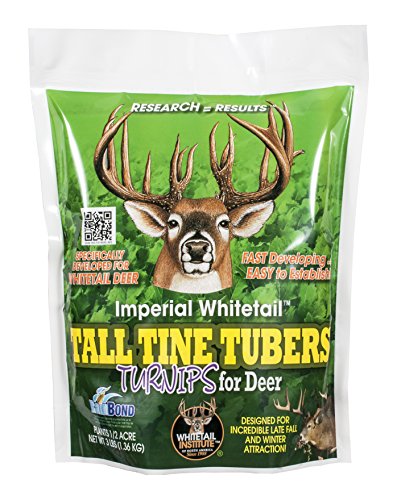
Whitetail Institute Tall Tine Tubers Deer Food Plot Seed

WILDGAME Innovations Persimmon Crushed Deer Attractant 5lb Bag

WILDGAME Innovations Sugar Beet Crushed Deer Attractant

Ani-Logics Outdoors Crush Acorn Block Attractant 20 lb

Ani-Logics Outdoors ANI-Supplement Gold 20 lb

Solar Deer Repellent Outdoor Motion Activated 4 Pack
Taking A Closer Look At The Options
Protein-heavy feed supplements earn their reputation for a reason, and the Ani-Logics Outdoors ANI-Supplement Gold 50 lb bag sits near the top of that category for hunters running year-round herd programs. The formula leans on chelated micro-minerals (minerals bound to organic compounds so deer absorb them more efficiently than plain mineral salts) plus probiotics and essential oils, with the brand’s Ani-Shield TX4 additive positioned to support immune function and antler development. Set out before frost locks the ground, and deer tend to find it within days in most setups. The 50 lb size suits properties with a few stand sites, or hunters running a single gravity feeder.
Mold inhibitors extend the usable window once the bag is opened, which matters more in late season when rain and freeze-thaw cycles punish exposed feed. For hunters already invested in a year-round nutrition plan, this bag slots into a mineral or feed program without forcing a new feeding routine. Compared to smaller bags like the 20 lb version covered later, you spend less per pound and refill the site less often, a real perk when the lease sits an hour down the road.
Well-Handled Touches
- Ani-Shield TX4 additive supports herd immune response and antler growth through the stress of late winter.
- Chelated micro-minerals absorb more efficiently than basic mineral mixes, so each pound delivers more usable nutrition.
- Mold inhibitors keep the feed working longer in wet weather, important when you can’t refill every week.
- 50 lb bag stretches across multiple stand sites, lowering the per-trip cost of maintaining a feeding program.
- Useful as a trail cam survey tool: hit-list bucks visiting the site give you inventory data before season closes.
Things To Consider
- 50 lbs is heavy to haul solo on foot in rough terrain, so a vehicle or feeder placement near a road helps.
- Works best as part of a year-round feeding rhythm rather than a one-off late-season drop.
- Check state and local feeding laws before deploying, as baiting regulations vary widely and some areas restrict protein feed entirely.
Who It Suits Best
Hunters managing 40 acres or more who already run a year-round protein program and want a single bag that lasts through late season.
Look Elsewhere When
You hunt a small parcel where the lighter 20 lb Ani-Logics bag fits your refill cadence better and reduces waste.
Food plots behave differently than bagged feed: the crop is alive, the herd works it over a long window, and the timing depends on your planting date. Whitetail Institute Tall Tine Tubers is built around a brassica blend that produces two food sources through fall and winter, with leafy top growth deer hammer early and bulb-style roots that sweeten after the first hard frost. The 3 lb bag covers about half an acre, and the 12 lb size scales to roughly 2 acres. For most hobby plots on the small side of a hunting property, the smaller bag is the realistic entry point.
Planting happens in late summer for a fall pull, which means planning ahead if you’re reading this in November. The payoff shows up in December and January, when deer dig through shallow snow to reach the bulbs. Compared to granular attractants like the Wildgame Innovations options later in this list, a food plot demands equipment, a prepped seedbed, and rain on your schedule, but it also feeds deer for months on a single planting.
Practical Pluses
- Brassica bulbs sweeten after frost, creating a calorie-dense food source right when deer need it most.
- Two-acre coverage from the 12 lb bag suits most weekend hunting properties without overspending on seed.
- Living plot keeps deer on your property across multiple weeks, not just one hungry afternoon.
- Whitetail Institute’s research pedigree means the blend was trial-tested in real whitetail country, not just field-grown.
Worth Noting
- Late-season planting is past the realistic window; this is a summer-seeded crop, not a November drop.
- Needs a prepared seedbed, fertilizer, and reliable rainfall to establish, so it isn’t a low-labor option.
- Small 3 lb bag covers only half an acre, which may feel tight if your plot site is larger.
Made For
Landowners with a few cleared acres who can plant in late summer and want a natural late-season food source instead of bagged feed.
Consider Something Else When
You need an attractant working this season without the labor of tillage, in which case the Ani-Logics Outdoors Crush Acorn Block drops into place fast.
Persimmons are a late-fall favorite in much of whitetail range, but the season is short and the trees are scattered. WILDGAME Innovations Persimmon Crushed solves the supply problem by blending real persimmons into a high-protein base, then double-screening the powder so it releases scent cleanly over distance. A 5 lb bag goes a long way because you’re dusting scrapes, mock scrapes, and travel corridors rather than filling a feeder. The airborne scent profile is the selling point: it carries further than granular feed in cold, still air.
Hunters running a stand-hunt setup near thick cover tend to get the most from this format. You can refresh a mock scrape in seconds and the aroma resets quickly after rain. Compared to mineral blocks or protein feed, persimmon crushed is a scent-driven tool, not a nutrition program. If your goal is pulling a specific buck past your stand on a given afternoon, this is the kind of product that earns its spot in the pack.
Strong Points
- Real persimmon content delivers an authentic fruit aroma that whitetails key in on during the post-rut.
- Double-screened powder releases scent efficiently, so a little covers a meaningful area around the scrape.
- Pairs naturally with mock scrape strategies for hunters patterning a target buck in late season.
- 5 lb bag is light enough to carry to remote stands without a feeder run or vehicle.
Trade Offs
- Works best when paired with a scrape or trail setup, so solo use on bare ground wastes the scent profile.
- Heavy rain washes the powder off exposed surfaces, which means reapplication after storms.
- This is a scent tool, not a herd-nutrition program, so protein-starved deer won’t fill up here.
Best Suited To
Mobility-focused hunters who pattern bucks near cover and want a fast-acting scent pull at a specific stand.
Reach For A Different Pick When
Your goal is calorie delivery through January, in which case the Sugar Beet Crushed attractant delivers heavier energy per application.
Sugar beets are a textbook late-season food source: high in calories, naturally sweet, and reliably attractive to deer once temperatures drop. The challenge is regional availability. Wildgame Innovations solves that with an ultra-concentrated crushed format built around real sugar beets, so hunters outside beet-farming country can offer the same pull without a commercial feed setup. The 5 lb Canadian option exists for those buying across the border, and the standard 5 lb bag fits most late-season applications cleanly.
Late season is when sugar-beet-based attractants earn their keep, since deer burn through stored fat and need quick energy to thermoregulate. Set near a bedding-to-feed travel corridor and you give yourself a real reason for deer to visit during daylight. Compared to the persimmon crushed option, sugar beet is heavier on calories and lighter on the airborne scent throw, so think of it as fuel, not aroma.
What Makes Sense
- Real sugar beet content delivers the calorie profile deer crave once frost hits hard.
- Ultra-concentrated format means a 5 lb bag covers meaningful ground around a feeder or scrape.
- Pairs naturally with a late-season food plot or standing corn to extend an existing food source.
- Works in cold climates where persimmon-style scents lose volatility in low temperatures.
Honest Caveats
- Calorie delivery depends on deer actually consuming the product, so an open feeder helps maximize intake.
- Wet snow can crust over exposed product, reducing accessibility until you break it up.
- Less aromatic than fruit-based attractants, so initial discovery takes a day or two longer.
Who Should Grab It
Hunters in northern climates running a feeder setup and wanting high-calorie late-season energy without hauling bulk feed.
Swap It Out When
You hunt from a stand over a scrape line and need the scent pull the Persimmon Crushed attractant delivers on cold, still mornings.
Key Specs
Mineral blocks appeal to hunters who want set-it-and-hunt-it convenience, and the Ani-Logics Outdoors Crush Acorn Block leans into that simplicity. Open the package, set the block near a stand or trail, and walk away. The acorn-flavored formula holds deer on a property between feeder fills, which matters in late season when a missed refill can cost you a week’s worth of daylight activity. The 20 lb size is realistic for a single-site deployment that runs through most of the late season.
Ingredients designed to keep the block fresher longer than competing products matter more in late season than they do in early fall. Snow, rain, and freeze-thaw cycles all work on a block exposed to the elements, and a softer block turns into mush. The brand positions this block for herd health and antler growth alongside attraction, so it’s also a nutrition tool, not just a scent lure. Compared to granular feed, a block asks for nothing from you once deployed.
What Helps Most
- Open-and-go setup means no feeder hardware, no mixing, and no daily maintenance.
- Acorn flavor profile aligns with the natural late-season mast deer are already searching for.
- Freshness-focused ingredients slow degradation in wet or snowy conditions better than basic blocks.
- Holds deer between feeder fills, so you keep traffic steady even when granular sites run low.
Points To Keep In Mind
- Exposed blocks lose surface appeal as deer work them down, so plan to rotate location every few weeks.
- 20 lb is enough for one site, so multi-stand properties need multiple blocks to cover travel routes.
- Check local regulations since mineral-block rules differ from feed or bait rules in some states.
Perfect Match For
Travel-property hunters or busy weekenders who can’t refill a feeder weekly but want consistent late-season traffic.
Where Another Pick Suits Better
You run a year-round protein program and want the same herd-health formulation in bag form, in which case the Ani-Logics Gold 50 lb fits the bill.
Quick Facts
The 20 lb version of the Ani-Logics Outdoors ANI-Supplement Gold carries the same formulation as its bigger sibling but in a bag sized for smaller properties and shorter hunts. If your lease is under 20 acres, or you only need to fill a single mineral site through the late season, this lighter bag makes more sense than paying for 50 lbs and storing the leftovers in a humid garage. Grain-based with the same vitamin, mineral, and protein balance designed for whitetail nutrition, it slots into any feed program that already runs the larger bag.
For hunters managing multiple small sites rather than one large feeding station, splitting the weight across several bags actually beats buying one bulk sack. You avoid stale feed sitting in storage and rotate fresh product through each site. Compare this to the 50 lb pick earlier, and the trade-off is purely logistical: same nutrition, less hauling, higher cost per pound.
Everyday Advantages
- 20 lb bag is realistic for solo carries to remote stands without a vehicle.
- Same Ani-Shield TX4 additive and balanced protein profile as the larger bag.
- Smaller bag reduces stale-feed risk since you finish it before it sits in storage too long.
- Fits well into a mineral-site rotation across multiple small stand locations.
Small Caveats
- Higher cost per pound than the 50 lb bag, so budget hunters managing large acreage pay more overall.
- Refills more frequently, which adds trips to your feeding site through the season.
- Storage in a sealed container helps preserve freshness once the bag is opened.
Whose Shelf It Belongs On
Small-acreage hunters and weekend leaseholders who want premium nutrition without committing to bulk storage.
Not Your Match When
You run one large feeder on a big property where the 50 lb Gold bag delivers lower cost per pound and fewer refill trips.
Feature Snapshot
This pick flips the script. Hunters trying to pull deer onto a property don’t need a repellent, but gardeners and homeowners trying to protect shrubs, fruit trees, or ornamentals from browsing deer absolutely do. The Solar Deer Repellent 4 Pack uses motion detection to trigger ultrasonic sound in the 13.5 to 45.5 kHz range, paired with a flashing strobe to startle deer before they settle into a feeding routine. Solar charging keeps it running without battery swaps, and the ABS housing (a hard, weather-resistant plastic) plus IP65 waterproof rating (a standard that certifies protection against low-pressure water jets and dust) handles rain, snow, and summer sun without complaint.
Consistent use across 2 to 3 weeks is the realistic window for behavior change, so think of this as a season-long deployment rather than a quick fix. Four units in the pack cover a typical suburban lot, or you can concentrate them on the most-browsed corners. Compare this to any attractant on the rest of the list, and the purpose is the opposite: this keeps deer out, while the others draw them in.
Key Advantages
- Solar panel eliminates battery swaps, so you set it and forget it through changing seasons.
- Dual-action ultrasonic plus strobe covers both auditory and visual cues for stubborn deer.
- IP65 housing survives rain, snow, and sun exposure without degrading.
- Four-pack layout covers a typical yard perimeter or concentrates on hot-spot corners.
Practical Considerations
- Initial 2 to 3 week window of consistent use is required before deer change habits, so patience matters.
- Heavy snow cover can block the solar panel temporarily, reducing charging on overcast days.
- Most effective in open or mid-cover zones where the motion sensor has clear line of sight.
Built With In Mind
Suburban gardeners and homeowners protecting ornamentals, vegetable beds, or fruit trees from regular deer browsing pressure.
A Better Fit Elsewhere
You want to attract deer onto hunting property rather than repel them from a yard, in which case any of the granular or block attractants on this list serve the opposite purpose.
Matching Attractants To Late-Season Behavior
Late-season food selection drives every choice on this list. Once native browse and hard mast run thin, deer concentrate on calorie-dense, easy-to-digest food sources to maintain body condition through the coldest weeks. Protein feeds and mineral blocks support body condition and antler growth for the following year, but they rarely pull hard in the final month of season on their own. Sugar beet and persimmon crushed attractants fill that gap by offering concentrated energy with strong scent profiles, which is why hunters running them alongside a food plot often see longer daylight visits than those relying on feed alone.
Format matters as much as ingredient. Granular feed fits gravity or trough feeders. Crushed attractants fit mock scrapes, trail corners, and small open sites where you want scent to carry. Blocks suit hunters who can’t refill weekly. Food plot seed suits landowners willing to plant in summer for a winter payoff. Choosing wrong on format usually costs more time than money, since the attractant just sits untouched until you redeploy it correctly.
Regional regulations also narrow the field. Several states restrict baiting with protein feed or mineral blocks during specific season windows, and the rules change year to year. Always check current state wildlife agency guidance before deploying any of these products. The same applies to ultrasonic deterrents, since some residential areas restrict strobe lights near property lines.
Timing Your Deployment For Maximum Pull
Late-season timing splits into two windows. The early window, roughly mid-November through early December, overlaps the post-rut recovery period when bucks are exhausted and feeding heavily. Scent-driven attractants like persimmon crushed shine here because bucks are searching for anything calorie-dense and easy to consume. Sugar beet attractants work in this window too, but expect 2 to 3 days for deer to find and trust a new food source.
The late window, mid-December through season close, is when thermoregulation (the ability to maintain core body temperature in cold weather) starts dominating deer behavior. Energy-dense attractants that deer can digest quickly outperform protein-heavy feeds in deep cold, since deer are trying to generate body heat rather than build muscle or antler. Mineral blocks and protein feeds still have a place for herd health and inventory work, but they won’t pull as hard as sugar beet on a single-digit morning.
Pitfalls Shoppers Hit
Buying the wrong format for your stand access is the most common mistake. A 50 lb protein bag does you no good on a lease you can only reach by foot and don’t visit weekly, since the feed goes stale before you use it. Match bag size to your refill cadence, not to the per-pound savings.
Assuming scent-driven attractants replace feed is the second trap. Persimmon and sugar beet crushed products pull deer to a site, but they don’t replace the herd-health role of a protein feed or mineral block. Hunters who try to run scent-only programs often see short-term success but weak body condition in their trail cam inventory by February.
Ignoring regional regulations trips up hunters every season. What works as legal bait in one state is a violation in the next, and the rules shift between early and late season in some areas. Check current regulations before you drive to the property.
What The Higher Tier Buys
Premium attractants earn their position through ingredient sourcing, additive packages, and format consistency. The Ani-Logics Outdoors Gold line, for example, includes Ani-Shield TX4 and chelated minerals that cheaper protein feeds skip, and the freshness-focused ingredients in the acorn block extend usable life in wet weather. Wildgame Innovations’ double-screening process for the crushed products reduces clumping and improves scent release, which matters more than it sounds on a cold, still morning.
The upgrade is worth it for hunters running a year-round program who want consistent herd condition and reliable attraction. For a one-season test on a small property, the value-tier options cover the basics without the additive stack. The honest read is that premium pays off when you’re managing a property across multiple seasons, not when you’re experimenting on a single late-season hunt.
Frequently Asked Questions
What is the best deer attractant for late season? Sugar beet or persimmon crushed attractants tend to outperform pure protein feeds in late season, since deer prioritize calorie-dense, easy-to-digest food when temperatures drop. Pairing a crushed attractant with a food plot or mineral site gives you both the pull and the herd-health coverage.
When should you start using late-season deer attractants? Early November through the first hard frost is the typical starting window, so deer learn the site before natural food sources dry up. Scent-driven attractants often need 2 to 3 days to draw consistent visits, so early deployment beats waiting until the food is gone.
Are mineral blocks effective in late season? Mineral blocks hold deer on a property between feeder fills and support herd health, but they aren’t the strongest pull on cold mornings. Pair a block with a calorie-dense attractant if you want consistent daylight activity rather than just overnight traffic.
Do food plots work better than bagged attractants in late season? Food plots feed deer for months on a single planting, while bagged attractants require ongoing refills and attention. Plots demand more summer preparation but pay off through the entire late season without weekly trips, so the right answer depends on your labor and access.
Are ultrasonic deer repellents safe for other wildlife? Ultrasonic deterrents target a frequency range that primarily affects deer and similar mammals, and they don’t poison or trap anything. Birds and small mammals typically ignore the higher frequencies, so most gardeners use them without harming non-target species.