
You don’t need a wall of fancy blades to gut a deer cleanly. You need one sharp knife that fits your hand, holds an edge through the whole job, and won’t slip when things get wet. That’s the bar this list is working from, and every pick below earned its spot against it.
Field dressing a deer asks a lot of a blade. The work involves pushing through hide, opening the body cavity without puncturing organs, and skinning around joints and sinew. A knife that’s too short loses reach, a blade that’s too thick tears instead of slices, and a handle that gets slick ruins your control. The nine picks below cover a range of sizes, handle materials, blade shapes, and price tiers, so you can match the tool to your style of hunting and the size of game you bring home.
How The Shortlist Stacks Up

Buck Knives 119 Special Hunting Knife with Sheath, Phenolic Handle, 7.5 oz
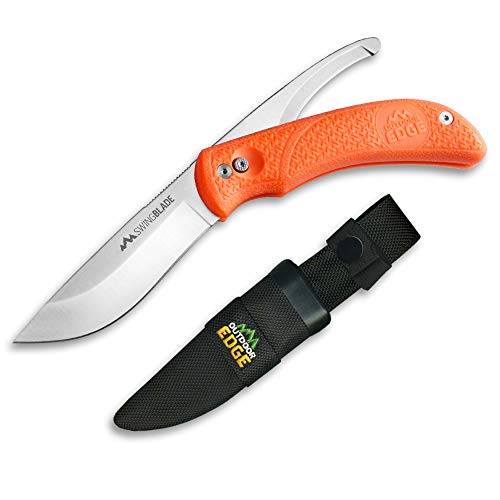
Outdoor Edge Swingblaze Double Blade Hunting Knife with Rotating Skinning & Gutting Blades, Nylon Sheath, (Blaze Orange)

OUTDOOR EDGE Knives’ RazorPro L Hunting Knife with Replaceable Blades, Non-Slip TRP Orange Handle, Belt Holster, & 30 Blades

Buck Knives 192 Vanguard Hunting Knife with Sheath, DymaLux Handle, 6.3 oz

Buck Knives 102 Woodsman Hunting Knife with Sheath, Phenolic Handle, 2.6 oz
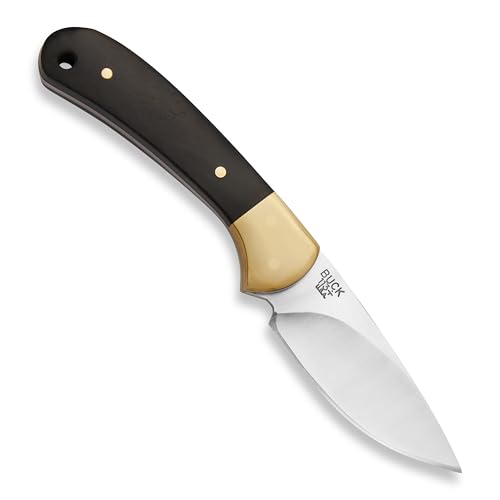
Buck Knives 113 Ranger Skinner Hunting Knife with Sheath, 5.2 oz

KNINE OUTDOORS Hunting Deer Knife Set Field Dressing Kit Portable Game Processor Set Red Maple Camo Handle, 8 Pieces

Kalkal 8 Pieces Hunting Knives Sharp Hunting Knife Set, Full Tang Handle Field Dressing Kit for Deer Hunting Season Camping Survival
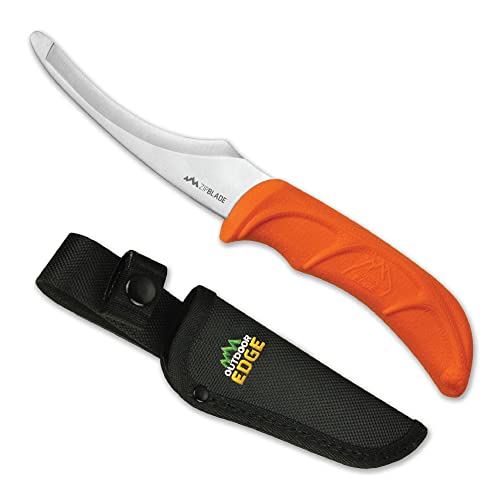
OUTDOOR EDGE Zip Blade – 4.0″ Fixed Blade Hunting Knife for Skinning and Gutting Big Game
More On The Choices That Made The List
The 119 has been a working blade since the 1940s, and that kind of staying power usually means the design was right from the start. For most hunters processing a whitetail or muley, this is the kind of knife you can hand to a friend and trust them to make clean cuts.
It carries some weight in the hand at 7.5 ounces, and that heft helps when you’re pushing through the brisket. Compared to the lighter Buck picks further down this list, the 119 feels more like a serious tool and less like a back-up. The clip point blade shape reaches into the body cavity with control, which matters when you want to avoid nicking the gut sack.
The Upside
- Time-tested clip point shape that handles skinning, caping, and gut work without needing a specialty blade
- Full tang construction (meaning the steel runs the entire length of the handle) gives you strength for prying through joints
- Phenolic handle stays grippy in cold weather and resists the swelling that plagues wood handles after wet work
- Comes with a leather sheath made for belt carry, no extras to buy
- At 7.5 oz, the weight helps drive cuts through hide without forcing your wrist
Trade-Offs Worth Knowing
- Heavier than the 192 Vanguard, so it’s noticeable on long treks
- Phenolic handle gets slick when coated in blood, so a quick wipe on your pant leg is part of the routine
Who It Suits Best
Hunters who process big game at the truck or back at camp, where a sturdy do-it-all blade matters more than a featherweight carry.
Skip It For This Instead
Reach for the Buck Knives 102 Woodsman instead if your hunting is mostly small game and you want something that disappears in a pocket.
The Swingblaze solves a real frustration for hunters who carry two fixed blades into the field. Instead of swapping knives between skinning and gutting, you rotate between a 3.6-inch skinning blade and a 3.2-inch gutting blade on the same handle with the push of a button.
AUS-8 stainless steel holds an edge well through a full deer, and the rubberized TPR (thermoplastic rubber) handle in blaze orange gives you a visible, slip-resistant grip when your hands are wet. Compared to the single-purpose Buck 119, this trades raw tradition for versatility, and for some hunters that’s the right swap.
Real Benefits
- Two purpose-built blades in one tool, so your belt stays lighter
- Push-button rotation saves you from fumbling with sheath swaps in cold weather
- Blaze orange handle is easy to spot if you set the knife down in leaves
- Rubberized grip holds steady even when hands are wet or bloody
Points To Note
- Mechanical pivots add a small failure mode that a solid fixed blade doesn’t have
- 8.3-inch total length feels front-heavy in hand compared to the Buck 119
- Nylon sheath is lighter than leather but won’t last as long with hard daily use
Built With In Mind
Hunters who want to streamline their kit and like the idea of switching blade profiles without changing tools.
Consider Something Else When
Pick the Buck Knives 119 instead if you prefer the simplicity of a single-blade fixed blade and want a knife that can take decades of abuse.
The RazorPro takes a different angle on field dressing. Instead of sharpening a dulled blade mid-hunt, you swap in a fresh replaceable blade and keep moving. The kit ships with 30 blades, which covers a season’s worth of deer for most hunters.
The rubberized TPR handle in bright orange is the same grippy polymer you’ll find on the Swingblaze, and the belt holster makes it easy to carry on the hip. Compared to the Buck 119, this is a lower-maintenance tool, but it asks you to keep buying replacement blades to stay sharp.
A Favorable Mix
- Always-sharp feel without carrying a sharpener or strop into the field
- Single-edged blade keeps cuts controlled, which helps new hunters learn proper technique
- 30-blade starter pack means you don’t have to track down refills right away
- Textured handle stays put in wet conditions
- Belt holster keeps the knife accessible during a drag
Honest Caveats
- Replaceable blades mean ongoing costs and ongoing packaging waste
- Not as satisfying to own as a knife you sharpen and keep for years
Feature Snapshot
Made For
Hunters who hate sharpening, process several deer a season, and want one less thing to think about in the field.
Look Elsewhere When
The OUTDOOR EDGE Zip Blade is a better fit if you’d rather own one knife you sharpen and keep for years.
The 192 Vanguard trims about an ounce off the 119 Special while keeping the same Buck build quality. For hunters who walk long distances to get to their stands, that weight savings shows up by the end of the day.
The DymaLux handle is a layered wood-resin material that looks more refined than plain phenolic and gives you a secure hold. The 4.25-inch 420HC stainless steel blade (a Buck-specific steel formula with good corrosion resistance) takes a clean edge and holds it through a typical deer. Compared to the heavier 119, this is the same tool philosophy in a friendlier package.
Reasons It Performs
- Lighter than the 119 without sacrificing full tang strength
- DymaLux handle resists moisture better than natural wood
- Drop point blade shape is versatile for skinning and gut work
- Comes with a leather sheath ready for belt carry
A Few Limitations
- Doesn’t carry the heritage cache of the 119 Special
- 420HC needs touching up sooner than premium steels if you process multiple animals in one trip
The Right Fit
Walk-in hunters who want a Buck-quality fixed blade but don’t need the extra heft of the 119.
A Better Fit Elsewhere
The Buck Knives 119 Special suits you better if you do most of your processing near the truck and want the classic full-weight option.
The 102 Woodsman is the smallest fixed blade in the Buck lineup, and it earns its spot for hunters who run trap lines, fish streams, or pursue small game. At 2.6 ounces, it disappears on a belt or in a pack.
The clip point blade profile works well for breasting out small game and cleaning trout, and the full tang keeps it strong enough for real work. Compared to the 119’s heavy-duty deer focus, this is a different tool for a different job. The integrated finger guard and thumb grip ridges give you control on detailed cuts.
Everyday Advantages
- Featherweight carry at 2.6 oz makes it easy to keep on all day
- Clip point blade handles detail work on small game and fish
- Integrated finger guard adds safety during close-in cuts
- Full tang construction keeps the small blade from flexing
Things To Weigh Up
- Too small for clean entry cuts on a full-grown deer
- 4-inch blade limits reach into the body cavity
Feature Rundown
Best Suited To
Hunters who mix deer season with rabbit, squirrel, and fishing trips and want one compact blade for the smaller work.
Swap It Out When
The OUTDOOR EDGE Zip Blade is a better fit if your main goal is gutting whitetails with a purpose-built shape.
The 113 Ranger Skinner borrows from Buck’s classic Ranger and Vanguard designs and lands as a compact skinning tool. At 5.2 ounces, it splits the difference between the heavy 119 and the featherweight 102, and that middle ground works well for many hunters.
The shorter blade gives you more control during caping and detail work around the legs, face, and shoulders. Compared to the all-purpose 119, the 113 trades a bit of reach for more precise cuts. Made in the USA with the same heat-treat attention Buck puts into its bigger blades.
Good Reasons To Consider
- Compact size gives you better control for caping and detail skinning
- USA-made construction means consistent quality control
- Mid-weight carry at 5.2 oz balances presence and packability
- Shorter blade is less awkward when working close to the carcass
Practical Considerations
- Less reach than the 119 when opening the body cavity
- Single-purpose design means you may still want a second knife for bigger cuts
Whose Shelf It Belongs On
Hunters who do their own taxidermy work or who want a dedicated skinning knife to pair with a longer gutting blade.
Reach For A Different Pick When
The KNINE OUTDOORS 8-Piece Set is a smarter grab if you want every tool you’ll need in a single package.
The KNINE OUTDOORS kit answers the question every new deer hunter eventually asks: which knife do I actually need? The set ships with a gut-hook skinner, caping knife, bone saw, two-step sharpener, and more, all in a red maple camo handle that disappears against fall foliage.
7Cr17MoV steel (a Chinese stainless formulation similar to 440A with decent edge retention) gets a multi-stage heat treat, and the handles are ergonomically shaped with yellow camo accents. Compared to the single-knife picks above, this is a kit for hunters who’d rather have everything they need in one bag.
What It Does Well
- Eight tools cover gutting, skinning, caping, sawing, and sharpening in a single purchase
- Ergonomic handles with non-slip texture help when conditions turn wet
- Camo color scheme keeps it from flashing in the woods
- Includes a sharpener, so dulled blades stay field-repairable
Trade-Offs
- More pieces means more to keep track of and more weight in your pack
- Quality per piece won’t match a premium single knife from Buck or Outdoor Edge
Key Product Details
Perfect Match For
First-time deer hunters who want every tool they might need without researching each piece individually.
Not Your Match When
The Buck Knives 119 is the better call if you’d rather invest in one heirloom-quality knife you’ll use for decades.
The Kalkal set is the heaviest-duty kit on this list, and that shows in the tool lineup. Beyond standard knives, you get a full-tang axe, bone saw, bone spreader, butcher knife, boning knife, gut-hook skinner, and a sharpener, plus cleaning gloves for handling the messier parts of the job.
Full tang construction runs through every knife, which matters when you start prying through the pelvis or shoulder. The included sharpener keeps the edges serviceable in camp. Compared to the KNINE kit above, this set leans into processing bulk rather than portability, and that suits hunters who work out of a base camp rather than a daypack.
Advantages To Know
- Includes an axe and bone saw for the heavy work beyond knife cuts
- Full tang construction on every blade improves strength under stress
- Bone spreader helps separate rib cages for cleaner field care
- Cleaning gloves are a thoughtful addition for hygiene and warmth
Factors To Consider
- Bulk makes it less ideal for hunters packing in long distances
- Eight specialized pieces mean a learning curve to use each one well
Right Fit For
Camp-based processors who break down multiple animals per trip and want every cutting tool in one roll.
Where A Sibling Pick Shines
The Buck Knives 113 Ranger Skinner is a better match if you’d rather carry one well-made knife for the skinning work alone.
The Zip Blade earns its name from the way its gut hook zips open the body cavity without catching hair or nicking organs. The curved tip is shaped to ride under the skin and trace the body line, which is the exact motion that trips up most beginners.
420J2 stainless steel (a softer, more corrosion-resistant stainless often used in outdoor knives) is hand-finished to a working sharpness and 4 inches of blade gives you reach without bulk. The rubberized blaze orange handle matches the rest of the Outdoor Edge lineup. Compared to the multi-purpose Buck 119, this is a single-purpose tool that does one job very well.
Noteworthy Benefits
- Specialized gut-hook tip handles the precise cavity-opening cuts cleanly
- Blaze orange handle is easy to spot on the ground
- Light enough at under 5 oz for all-day carry
- Compact 8.8-inch total length handles like a larger utility knife
Soft Spots
- 420J2 is softer than premium steels and needs sharpening more often
- Specialty shape limits versatility for skinning and caping
Quick Facts
Who Should Grab It
Hunters who process deer solo and want a gut hook shape that simplifies the trickiest part of field dressing.
Another Choice May Suit
The OUTDOOR EDGE RazorPro L is a smarter pick if you want a replaceable blade system and prefer function over specialty design.
What Separates A Good Deer Knife From A Frustrating One
A deer gutting knife lives or dies on three things: blade shape, steel, and handle security. Get any one of those wrong and the job becomes a chore.
Blade shape matters more than length. A drop point (a blade with a curved belly that slopes down to the tip) or clip point (where the spine curves down toward a finer tip) lets you work around joints without snagging, and a slight belly helps with skinning strokes. Specialty shapes like the gut hook on the Zip Blade handle the cavity-opening step with more control, but they don’t replace a general-purpose blade for the rest of the job. Length between 3.5 and 5 inches hits the sweet spot for most deer, depending on hand size.
Steel choice is about finding the balance between edge retention and ease of sharpening. Stainless options like 420HC, 420J2, and AUS-8 resist rust in wet, bloody work and don’t demand constant maintenance. Higher-end steels hold an edge longer but cost more and need proper sharpening tools. For most hunters processing a few deer a season, a stainless steel in the mid-range is the practical answer.
Handle grip is the make-or-break feature in the field. Rubberized TPR and phenolic both stay grippy when wet, which describes every deer gutting situation. Smooth wood looks classic but turns slick fast, and a guard or choil (the small groove between blade and handle where your index finger sits) keeps your hand from sliding forward onto the edge during heavy cuts. A knife that feels secure in a dry kitchen test can feel totally different with cold, wet hands on a November morning, so prioritize grip material over aesthetics.
Smart Choices That Pay Off In The Field
Common Buying Traps Worth Dodging
Chasing the longest blade on the shelf is a mistake that costs you control. Anything over 5 inches makes detailed cuts harder, and the extra weight tires your hand. Bigger isn’t better in a gutting knife. Another common slip is buying a knife with a beautiful handle that turns slick the moment blood hits it. That mirror-polished wood or bone may look great on the wall, but it won’t help you when you’re 200 yards from the truck in the dark.
Why Premium Deer Knives Cost More
The price jump between a budget knife and a premium fixed blade usually shows up in three places: steel quality, heat treatment, and handle construction. Better steel holds an edge through more deer before needing a touch-up. Proper heat treatment is what makes good steel actually perform, and many budget knives skip this step. A well-shaped handle with thoughtful ergonomics (the way the knife fits your grip during repeated cuts) reduces fatigue over a long processing session. The upgrade is worth it if you process multiple deer per year, but a mid-tier knife serves occasional hunters well.
Frequently Asked Questions
What blade length works best for deer?
Most experienced processors land on a blade between 3.5 and 4.5 inches. That range gives you reach into the body cavity without making detailed skinning cuts awkward.
Do I need a gut hook?
A gut hook simplifies the cavity-opening step and reduces the risk of nicking organs, but it isn’t essential. Many hunters open deer just fine using a standard drop point with careful cuts.
How do I care for a fixed blade knife?
Wipe the blade clean after every use, dry it thoroughly, and apply a light coat of food-safe oil before storage. Sharpen on a whetstone or with a pull-through sharpener as needed.
Is stainless or carbon steel better for hunting?
Stainless steel resists rust and needs less maintenance in wet, bloody conditions. Carbon steel holds a finer edge but demands more careful cleaning and oiling to prevent corrosion.
Can one knife handle the whole deer?
Yes, a versatile drop point blade can skin, gut, and cape most deer. Specialty knives like gut hooks or caping blades add precision but aren’t strictly necessary for clean results.