
Matching the right arrow to your bow setup changes everything in the field. The wrong spine, too-loose straightness tolerance, or a heavy shaft on a fast bow can turn clean hits into wounding losses. The picks below cover a spread of budgets and platforms, from micro-diameter carbon hunting shafts to crossbow-specific bolts, so you can dial in something that actually flies true where you hunt.
The Lineup, Simplified

Easton Axis 5mm Carbon Arrow Shafts with HIT Inserts

Gold Tip .246 Hunter XT 100% Carbon Hunting Arrows

Gold Tip Hunter Arrows with Raptor Vane (Pack of 6)

sanlida 100% Pure Carbon Hunting Arrows

TIGER ARCHERY 30″ Carbon Arrows for Hunting

Guide Gear Trophy Hunter Carbon Arrows

Bear X Truex Crossbow Arrows 6-Pack
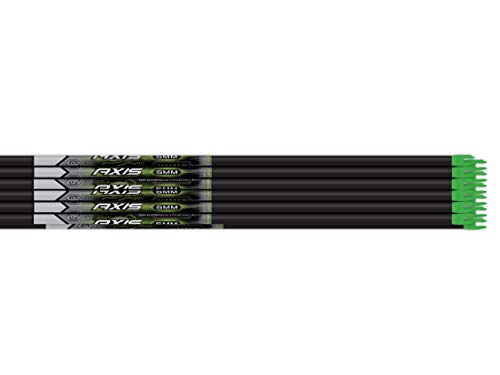
Easton Axis Carbon 300 HT Shafts (Dozen)
A Closer Look At Each Pick
The Easton Axis 5mm is what most serious compound bowhunters reach for when penetration and wind resistance sit high on the priority list. The micro-profile shaft cuts a smaller hole in flight, which means less drag on a crosswind and more kinetic energy transferred on impact. Unlike the standard-diameter Gold Tip Hunter XT reviewed next, this design trades a touch of forgiveness for cleaner arrow flight at 30 yards and beyond.
These ship as bare shafts with HIT inserts, so you’ll add your own vanes, nocks, and broadheads. That’s a small extra step, but it lets you tune the arrow to your exact draw weight and point weight, which matters for serious whitetail setups.
Where It Delivers
- 5mm micro-diameter slices wind drift on longer shots
- Acu-Carbon layup keeps spine values consistent from shaft to shaft
- Small frontal area concentrates energy behind the broadhead channel
- HIT inserts lock broadheads solidly and reduce wobble
Things To Consider
- Bare shafts mean you’ll need to buy vanes, nocks, and fletching glue separately
- Less forgiving than standard-diameter arrows on poor releases
- Lighter weight may feel underpowered at very low draw weights
Quick Facts
Made For
Whitetail and mule deer hunters shooting a modern compound at 60+ pounds who want to maximize penetration on quartering-away shots.
Consider Something Else When
Newer archers still dialing in release consistency should look at the TIGER ARCHERY 30″ Carbon Arrows, which arrive factory-fletched and ready to shoot.
Gold Tip has built a reputation among Western hunters, and the Hunter XT sits at the upper end of that lineup. The .246 outer diameter splits the difference between Easton’s micro profile reviewed above and the larger standard shafts. You get respectable wind cutting without giving up the forgiveness of a slightly heavier arrow.
These come factory-fletched with Raptor vanes, which is the kind of detail that matters when you don’t want to spend an evening at the fletching jig. For elk hunters running 70-pound compounds, the extra shaft mass helps drive fixed-blade broadheads through heavy bone.
What Pays Off
- Straightness tolerance of plus or minus .003″ keeps groups tight at distance
- Factory-fletched Raptor vanes save setup time in the shop
- Weight tolerance of plus or minus 2 grains helps broadhead flight stay consistent
- Solid carbon build holds up to hard impacts and rocky misses
Worth Noting
- Vane color runs in green, orange, yellow, red, or blue depending on stock, so you can’t always pick your visibility
- Heavier than the Easton Axis 5mm, which can change how your sight tape reads at longer ranges
- Premium tier pricing puts it out of reach for casual shooters
Best Suited To
Western big-game bowhunters chasing elk and mule deer who want tight groups and the toughness to drive fixed-blade heads through bone.
A Better Fit Elsewhere
Whitetail hunters on tighter budgets will find the Gold Tip Hunter Arrows with Raptor Vane pack below more than enough for Eastern tree-stand work.
The standard Gold Tip Hunter packs most of the same DNA as the XT reviewed above, just with a slightly looser straightness tolerance. For hunters running 20 to 30 yard shots from a tree stand or ground blind, that tolerance difference rarely shows up on the target.
Where this arrow really earns its place is for first-time bowhunters who need a tough, reliable shaft without paying premium pricing. The Raptor vane profile handles broadhead flight better than entry-level vanes, which gives you one less tuning headache.
What Helps Most
- Factory-fletched Raptor vanes handle broadhead tuning with minimal fuss
- All-carbon build resists bending if you hit a rock or hardwood
- Tighter straightness than most budget alternatives in the same bracket
- Weight tolerance stays within plus or minus 2 grains for predictable flight
Points To Note
- Six-pack only, so you’ll burn through them faster than a 12-pack when practicing
- Looser straightness spec means groups may open up past 40 yards
Right Fit For
Weekend whitetail hunters on a budget who want a brand-name carbon shaft without the premium tag.
Look Elsewhere When
Long-range shooters who need ultra-tight group performance should move up to the Gold Tip Hunter XT reviewed above.
Sanlida packs a serious spec sheet into a budget-friendly package. The shaft is offered in straightness grades from plus or minus .001″ all the way down to plus or minus .006″, which lets you pick how tight you want your groups without paying for overkill. Spine options run from 250 through 500 in 10-spine increments, so you can match your bow’s draw weight fairly precisely.
The inner diameter of 0.244″ works with standard inserts, and the outer diameter steps down slightly across spine ranges to keep weight forward for fixed-blade broadheads. Compared to the Easton Axis 5mm covered earlier, this is a more traditional hunting profile but with a much wider selection window.
The Upside
- Multiple straightness grades let you match quality to budget and use case
- Wide spine range covers everything from light recurves to heavy compounds
- 24-pack option means a season’s worth of practice arrows included
- All-carbon layup survives the kind of hard impacts that wreck aluminum
Soft Spots
- Outer diameter and weight shift noticeably across spine ranges, so verify your match carefully
- Quality control can vary run to run, so inspect for cracks before shooting
Quick Facts
Perfect Match For
Multi-bow households, archery clubs, and hunters who want a single arrow SKU that covers an entire fleet of setups.
Swap It Out When
Pure whitetail hunters chasing the deepest possible penetration should step up to the Easton Axis 5mm Carbon Arrow Shafts reviewed first.
TIGER ARCHERY’s 30-inch carbon arrow is the kind of forgiving setup that earns its keep in a new bowhunter’s quiver. The 0.309-inch outer diameter is on the chunky side, which makes the arrow fly stably even on imperfect releases. Two orange vanes and one white vane give you a clear sight picture without buying custom wraps.
These cover draw weights from 35 to 60 pounds across recurve, compound, and longbow setups. Compared to the pricier Gold Tip and Easton shafts reviewed above, this is more of a starter option that still handles fixed-blade broadheads respectably.
Notable Gains
- Wide draw weight compatibility covers most beginner compound and recurve setups
- Factory-fletched with three-color vanes for easy orientation
- Nickel-plated stainless steel field tips resist corrosion during storage
- Solid construction handles the dings and hard impacts common during practice
A Few Limitations
- Larger diameter creates more wind drag at longer distances
- Heavier weight may slow arrow speed on lower-draw compounds
Feature Snapshot
Who Should Grab It
First-time bowhunters still working on consistent release and broadhead tuning who need a forgiving, ready-to-shoot arrow.
Another Choice May Suit
Hunters with seasoned form shooting at 40+ yards will appreciate the tighter specs of the Gold Tip Hunter XT reviewed earlier.
Built by Victory Archery under the Guide Gear label, the Trophy Hunter uses standard modulus carbon that leans toward toughness over ultralight speed. The 2-inch Bohning Blazer vanes and Double-Lock Blazer nock arrive pre-installed, which makes setup a matter of screwing on your broadheads and heading to the range.
For hunters who care more about arrow recovery in heavy cover than flat trajectory, this is the kind of shaft that shrugs off hard impacts into rocky backstops. Spine alignment is matched at the factory, so you can count on consistent grouping without hand-sorting your dozen.
Strengths Worth Knowing
- Standard modulus carbon resists cracking better than high-modulus alternatives
- Factory-installed Bohning Blazer vanes and Double-Lock nocks save setup time
- Spine-aligned at the factory for predictable shaft-to-shaft flight
Honest Caveats
- Heavier shaft weight may not match fast-moving setups tuned for speed
- Bulkier profile produces more wind drag than micro-diameter options
Whose Shelf It Belongs On
Trophy hunters chasing elk and heavy-bodied deer who want a shaft that recovers well in dense cover.
Reach For A Different Pick When
Speed-focused compound shooters should consider the Easton Axis 5mm reviewed at the top for a flatter trajectory and deeper penetration.
The Bear X Truex exists in a different category from every other pick on this list. These 20-inch bolts are built specifically for crossbows, with TrueX nock technology designed to seat deep in the rail for consistent firing. You get 100-grain field points, inserts, and nocks bundled in, so the bolts arrive ready to load once you confirm compatibility with your crossbow model.
Every bolt is inspected and sorted at the factory, which matters for crossbow hunters running tight groups at 40 yards and beyond. Compared to the compound bow shafts reviewed earlier, you trade some versatility for proper crossbow fit and indexing.
Everyday Perks
- TrueX nocks lock into crossbow rails for repeatable firing
- Factory inspection reduces the risk of spine mismatched bolts
- 100-grain field points included for zeroing without buying extras
Things To Weigh
- 20-inch length won’t fit standard compound or recurve bows
- Verify compatibility with your specific crossbow model before loading
- Six-pack only, so practice sessions eat into hunting inventory fast
Built With In Mind
Crossbow hunters who need a 20-inch bolt ready to load with confidence for both practice and hunting.
Not Your Match When
Vertical bow archers should choose any of the compound-compatible shafts reviewed above, since this bolt won’t fit a standard arrow rest.
The 300-spine variant of the Easton Axis Carbon line targets archers running mid-weight setups around 60 to 70 pounds. Like the 5mm Axis covered first, these ship as bare shafts without vanes, which makes them a builder’s arrow. Custom fletchers and serious bowhunters who tune their own setups tend to gravitate toward this dozen-pack option.
Buying by the dozen lets you build a complete hunting and practice rotation from a single spine-matched batch. The HIT insert system is the same as the 5mm reviewed above, so swapping components between arrows stays straightforward.
The Helpful Details
- Dozen-pack offers enough shafts to build a full hunting and practice rotation
- Same Acu-Carbon layup used across the Axis line for consistent spine performance
- Bare shaft format suits archers who prefer custom fletching
- HIT inserts accept standard broadhead threads
Less Ideal Details
- Bare shafts require sourcing your own vanes, nocks, and fletching glue
- 300 spine is a narrow fit window, so confirm your draw weight matches before committing
Feature Card
Who It Suits Best
Archers who build their own arrows from scratch and want to keep a consistent spine across an entire quiver.
Where A Sibling Pick Shines
Hunters who’d rather skip the fletching bench should grab the TIGER ARCHERY 30″ Carbon Arrows reviewed above for factory-finished convenience.
Choosing Deer Hunting Arrows That Actually Fly Right
Pick the wrong spine and even a great arrow fights you in the field. Spine refers to how much a shaft flexes under load, and matching it to your bow’s draw weight is the single biggest factor in tight groups. Most bow manufacturers publish spine charts, and using one saves weeks of trial-and-error tuning.
Straightness tolerance tells you how true a shaft runs from end to end. Tight tolerances like plus or minus .003″ produce tighter groups at long range, while looser tolerances work fine for hunting inside 30 yards. Weight tolerance matters less to most hunters, but when you’re shooting fixed-blade broadheads, a plus or minus 2-grain variance keeps arrow flight consistent.
Diameter splits arrows into two camps. Micro-diameter shafts like the Easton Axis 5mm cut wind drift and penetrate deeper, but they punish imperfect releases. Standard diameters fly more forgivingly and recover better from rough shooting. For new bowhunters, standard diameter arrows tend to deliver more first-shot confidence.
Fletching and nock quality affect broadhead flight more than most shoppers expect. Factory-fletched arrows from Gold Tip, TIGER ARCHERY, and Guide Gear save setup time and usually fly straight out of the box. Bare shafts from Easton reward the archer who enjoys the build process and wants every component dialed to personal preference.
Key Considerations Across These Picks
Mistakes Worth Dodging
Buying arrows based on price alone often leads to mismatched spine and frustrating broadhead flight. Always confirm your draw weight and arrow length match the manufacturer’s spine chart before committing to a dozen. Forgetting that step is the most common reason new bowhunters blame the arrow for accuracy problems that started at the fit.
Another trap is mixing components across brands without verifying insert and nock compatibility. Standard sizing covers most setups, but crossbow bolts like the Bear X Truex reviewed above use completely different geometry than vertical bow arrows. Confirming compatibility before loading saves both arrows and money.
When Paying More Pays Off
The jump from entry-level to premium arrows usually buys tighter straightness tolerances, better spine consistency, and more durable carbon layups. For Eastern whitetail hunters shooting inside 25 yards, mid-tier options perform nearly as well as premium picks. Western hunters chasing elk at 50+ yards feel the difference more, since tight groups at distance separate clean kills from tracking jobs. Premium construction also tends to survive rocky misses and dry-fire incidents better than budget alternatives, which matters when replacement shafts mean a trip back to the retailer.
Frequently Asked Questions
What spine arrow should I use for deer hunting? Match your draw weight to the manufacturer’s spine chart. Most 60 to 70-pound compound setups land in the 300 to 400 spine range, while lighter recurve rigs need higher spine numbers around 500.
Do micro-diameter arrows really penetrate better? The smaller frontal area reduces drag on impact and concentrates energy behind the broadhead, which helps on quartering shots. Field results vary by shot angle and broadhead choice, but micro shafts consistently perform well on tough angles.
Are factory-fletched arrows good enough for hunting? Modern factory fletching from Gold Tip, Easton, and others flies straight out of the box and handles broadhead tuning with minimal fuss. Hand-fletched arrows still win for archer-specific customization, but factory builds have closed the gap considerably.
Can I use the same arrow for target practice and hunting? Most hunters rotate between a practice target point and a hunting broadhead on the same shaft. Spine-matched dozen packs like the Easton Axis 300 HT reviewed above make this easy since every shaft flies identically.
How long should my deer hunting arrows be? Arrow length should clear your front rest by at least an inch past the riser, with most adult hunters landing between 27 and 32 inches. Drawing your bow and measuring from the valley of the nock to the front of the riser gives the most accurate starting point.