
Picking the right broadhead changes the entire whitetail season. The arrow that flies true in your hand, opens a clean wound channel, and passes through without fragmenting separates a quick recovery from a long, frustrating track. Match the design to your draw weight, your arrow setup, and the kind of shot you’ll most often take, and the rest of the hunt gets simpler.
The Shortlist At A Glance

Zeus Titanium Broadheads 100gr/125gr 3-Pack
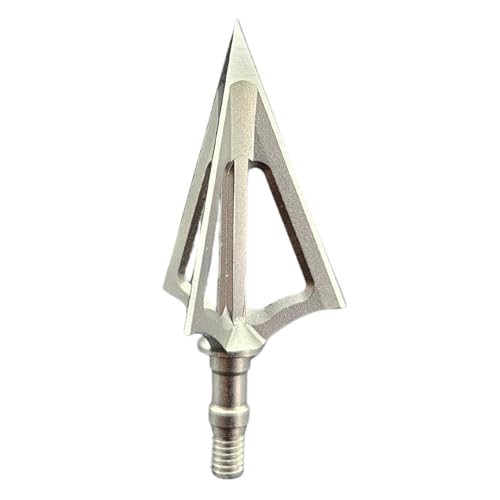
G5 Montec Fixed 3-Blade Broadheads 3-Pack

G5 Deadmeat V2 Expandable 3-Blade Broadheads 3-Pack

Excalibur Boltcutter Crossbow Broadheads

NAP Spitfire Maxx 100gr Mechanical 3-Pack
QAD Fixed Blade Broadheads
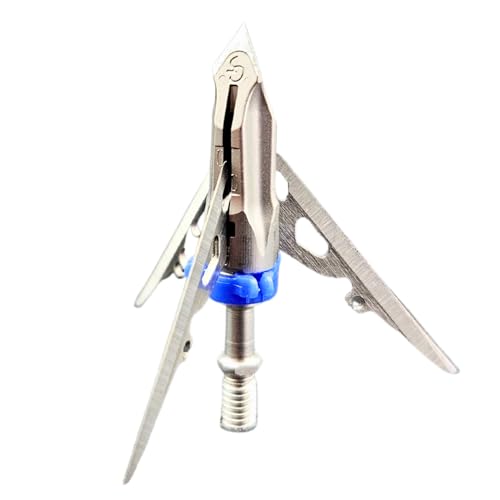
G5 Megameat 3-Blade Expandable Broadheads 3-Pack

Zeus OG, Apollo & Breach Broadheads 4-Pack
A Closer Look At Each Pick
The Zeus Titanium 3-Pack earns its spot at the top because it solves a problem most broadheads ignore: tuning your arrow weight without buying separate heads. Each pack ships with both 100gr and 125gr configurations, so you can experiment on the range until your bow feels dialed, then commit before season.
You’re getting a titanium build designed for both compounds and crossbows, with a tip profile that aims to fly like a field point (a smooth, practice-style point used for sighting in). For hunters who tune obsessively or shoot different setups across the year, that dual capability is rare.
A Favorable Mix
- Adjustable grain weight lets you fine-tune FOC (front-of-center balance, the weight distribution toward the arrow tip) without buying new heads
- Titanium body resists bending on bone hits better than aluminum
- Compatible with both compound bows and crossbows, one pack covers multiple setups
- Field-point flight profile reduces the need for re-sighting when switching from practice tips
Worth Noting
- Titanium pricing sits higher than most steel options
- Owners commonly report checking the insert screws after every few shots to keep the weight settings locked
Feature Snapshot
Right Fit For
Tuners who shoot both compounds and crossbows, or anyone chasing the cleanest arrow flight from a premium build.
Skip It When
The G5 Montec is a better fit for hunters who want a simple, indestructible fixed blade and don’t need grain-shifting capability.
The Montec is the broadhead equivalent of a work truck: no moving parts, no deployment to worry about, just a single machined-steel body that hits hard and keeps going. For hunters who’d rather not fiddle with blade deployment in the blind, it’s hard to beat.
Unlike the Zeus Titanium’s adjustable weight system, the Montec commits to a single grain rating per head and sticks with it. That simplicity is the point.
Strong Points
- One-piece MIM (metal injection molded) steel construction eliminates weak points where blades can snap or loosen
- Each head is spin-tested at the factory for straight flight out of the package
- Cut-on-contact tip starts the wound channel immediately on impact
- Reusable after a miss; many hunters carry the same head through multiple seasons if it stays sharp
Things To Consider
- Fixed-blade design requires a practice-tuned arrow setup since blades sit wide
- Steel is heavier than titanium, which drops arrow speed slightly on lighter setups
Who It Suits Best
Traditionalists and repeat shooters who want a no-fuss head they can sharpen and shoot season after season.
A Better Fit Elsewhere
Reach for the QAD Fixed Blade Broadheads instead if your priority is field-point accuracy from an ultra-compact profile.
The Deadmeat V2 brings something most expandables skip: an audible snap when each blade locks into firing mode. That little click matters in the dark, in the cold, when you’re shaking from adrenaline and need confirmation the head is ready.
While the Zeus Titanium leans on titanium strength, the Deadmeat V2 focuses on aerodynamic efficiency with its low-profile ferrule (the central shaft the blades attach to) and tucked blade design. Both are valid hunting philosophies.
Well-Handled Touches
- SnapLock collar gives audible and tactile confirmation blades are locked before the shot
- Machined stainless steel ferrule handles rough handling in a pack or quiver
- Included BMP practice tip matches field-point weight for honest range sessions
- Tightly tucked blades reduce drag in flight compared to wider fixed heads
Honest Caveats
- Expandables can fail to deploy if they hit heavy bone first; on shoulder shots you may get a poor opening
- SnapLock collar requires checking before each shot, adding a step to your routine
Key Specs
Built With In Mind
Mechanical broadhead fans who want deployment confirmation and a practice head that matches field performance.
Look Elsewhere When
The NAP Spitfire Maxx is a better match if you want front-deploying blades that open on contact without a retention collar.
Crossbow bolts hit harder than compound arrows at the same draw weight because of their shorter power stroke and higher output. The Excalibur Boltcutter is engineered specifically for that extra speed, with a blade geometry that holds up at long range instead of fluttering open early.
Compared to the G5 Montec, which works on both compounds and recurves, the Boltcutter is laser-focused on crossbow shooters using Excalibur-specific bolts.
Standout Benefits
- Stainless steel construction holds an edge through multiple shots and rough handling
- Designed for high-speed crossbow bolts, maintaining accuracy past 40 yards
- Available in 100gr, 125gr, and 150gr to fit crossbow-specific arrow weights
- Fixed-blade simplicity means no deployment failure on quartering-away shots
Practical Considerations
- Best suited for Excalibur crossbow bolts, so swapping brands may affect fit
- Bulk 6-pack sizing means storing extras requires a dedicated broadhead case
Made For
Crossbow hunters running Excalibur setups who want a head tuned for bolt speeds rather than adapted from compound designs.
Another Choice May Suit
The G5 Montec fits better if you shoot a recurve or compound and want one head that works across platforms.
The Spitfire Maxx is the broadhead many archers cut their teeth on. Its front-deploying design opens on contact rather than after penetration, which means the wound channel starts immediately. For hunters new to mechanical heads, that consistency builds confidence fast.
Where the G5 Deadmeat V2 uses an audible lock collar, the Spitfire Maxx skips the extra mechanism and relies on a simpler blade retention design. Less to go wrong, easier to learn on.
The Upside
- Front-deploying blades open on contact, starting the cut without delay
- 1.75-inch cutting diameter creates a wide wound channel for faster recoveries
- Cut-on-contact tip improves penetration through hide and light bone
- Simple blade retention design is forgiving for archers still building shot routines
Minor Gripes
- Mechanical design adds moving parts that can dull or bend after repeated bone impacts
- Owners commonly report needing to re-tighten the blade collar after every dozen shots
Best Suited To
First-time mechanical broadhead users and bowhunters who want front-deploying reliability without extra retention mechanisms.
Swap It Out When
The G5 Megameat is a better pick if you want a larger 2-inch cutting diameter and heavier-grain options for larger game.
The QAD Fixed Blade solves the most common complaint hunters have about fixed heads: they’re wide and slow in flight. The super-short profile and swept-back blades mimic field-point flight closely, meaning your practice groups translate to hunting groups without significant re-sighting.
While the G5 Montec uses a wider, heavier cut profile for deeper penetration, the QAD favors a sleeker design that some archers find more forgiving on longer shots.
A Few Strong Suits
- Compact 1.25-inch cutting diameter flies closer to field-point accuracy
- Hardened SST tip (a high-carbon steel alloy known for impact durability) drives through hide cleanly
- .040-inch blades balance strength and cutting efficiency
- Swept-back blade design reduces wind plane for steadier long-range flight
Points To Note
- Smaller cutting diameter means a narrower wound channel than the G5 Megameat’s 2-inch cut
- Fixed-blade blades sit exposed, so broadhead case storage is more important than with mechanicals
Feature Card
Whose Shelf It Belongs On
Accuracy-focused shooters who want a fixed blade that doesn’t require major re-sighting from practice tips.
Where A Sibling Pick Shines
The G5 Megameat suits you better if wound channel size matters more than flight similarity to field points.
When hunters talk about “wound channel,” they usually mean a clean, wide cut that hemorrhages quickly. The Megameat delivers a 2-inch cutting diameter, among the widest you’ll find on a 3-blade mechanical. That’s the point of the design.
Compared to the G5 Deadmeat V2, the Megameat trades some aerodynamic efficiency for raw cutting surface. The trade-off shows up on long shots where blade resistance can affect flight.
A Strong Showing
- 2-inch cutting diameter creates an exceptionally wide wound channel
- Three-blade configuration balances cutting surface with reasonable flight stability
- Available in 100gr and 125gr to match common hunting setups
- Mechanical deployment keeps blades tucked in flight for better accuracy than wide fixed heads
Possible Compromises
- Larger cutting diameter can affect arrow flight at longer ranges
- Expandable design shares the same bone-hit failure risk as other mechanicals
Perfect Match For
Archers hunting larger deer or wanting maximum hemorrhaging on close-range shots.
Consider Something Else When
The G5 Montec is a stronger match if you take longer shots and prefer fixed-blade reliability over wound diameter.
Most broadhead packs give you three of the same head. Zeus takes a different approach here: four heads across three different designs in one pack, letting you test which profile your bow likes best before committing to a single model for the season.
Where the Zeus Titanium 3-Pack focuses on a single premium design with adjustable grain weight, this set prioritizes experimentation. Different philosophy, different shopper.
Notable Upsides
- Three distinct head profiles (OG, Apollo, Breach) let you compare flight characteristics side by side
Things To Consider
- Splitting heads across multiple designs means fewer backups of any single model
- Hunters who already know their preferred head profile may not benefit from the variety format
Who Should Grab It
Archers still dialing in their preferred broadhead design and wanting to test multiple options without buying four separate packs.
Reach For A Different Pick When
The Zeus Titanium 3-Pack fits better once you’ve settled on a single design and want grain-weight flexibility instead.
Matching Broadheads to Your Hunting Style
Picking a broadhead comes down to three core decisions: fixed versus mechanical (fixed blades are always open and ready; mechanical blades deploy on impact), cutting diameter, and grain weight matching your arrow setup.
Fixed Blades vs Mechanical Broadheads
Fixed-blade broadheads like the G5 Montec and QAD Fixed Blade offer reliability with no deployment to fail. They’re heavier per inch of cut but tougher on bone. Mechanical broadheads like the G5 Deadmeat V2 and NAP Spitfire Maxx deliver larger wound channels but introduce moving parts that can fail on poor-angle shots.
Cutting Diameter and Wound Channel
Cutting diameter drives the width of the wound channel. The QAD at 1.25 inches produces a tight, efficient cut. The G5 Megameat at 2 inches maximizes hemorrhaging. Larger diameters generally mean faster blood trails but slightly more drag in flight.
Grain Weight and Arrow Setup
Broadhead grain must match your arrow’s total weight for proper bow tuning (adjusting arrow rest, timing, and sight so arrows fly consistently). The Zeus Titanium’s adjustable grain weight helps if you’re between common sizes. Most compound setups run 100gr heads; crossbows often push 125gr to 150gr.
Practice Tips and Range Time
Every broadhead flies slightly differently from your field points. Most packs include a practice tip matched to the head’s weight, like the G5 Deadmeat V2’s BMP tip, so you can confirm accuracy before season opens.
Key Considerations Across These Picks
Common Shopping Slip Ups
The biggest mistake is buying broadheads without testing them from your actual bow. A head that flies great from one setup may group wide from another due to arrow spine (the stiffness rating that determines how much an arrow flexes in flight) or rest timing. Always shoot paper at 20 yards before trusting a new head at hunting distances. Another common slip is choosing cutting diameter purely for size; arrow speed and shot distance matter just as much.
Where The Extra Money Goes
Higher-tier broadheads like the Zeus Titanium use titanium instead of steel, saving weight while maintaining strength. They also tend to include machined ferrules, factory spin-testing, and matched practice tips. The upgrade pays off for hunters who shoot often and value precision over replacement cost. For occasional hunters, mid-tier options like the G5 Montec deliver nearly identical field performance at lower cost.
What Cut Diameter Do Most Whitetail Hunters Use?
Most whitetail hunters run between 1.25 and 1.75 inches, which balances wound channel with arrow flight stability. Anything wider requires a faster bow or shorter shots to maintain accuracy.
Are Mechanical Broadheads Less Reliable Than Fixed?
Modern mechanicals like the NAP Spitfire Maxx deploy reliably on most shot angles. Fixed blades still edge out on shoulder shots where bone can block mechanical deployment.
How Often Should I Replace Broadheads?
Replace when blades dull or bend, typically after one or two bone hits. Inspect after every shot. Fixed heads can be resharpened; mechanicals usually need full replacement.
Do Broadheads Need To Match My Field Point Weight Exactly?
Yes, weight matching keeps your bow tuned. A 100gr field point should pair with a 100gr broadhead, or within a few grains. Mismatched weights shift your point of impact (where the arrow strikes relative to your aim point).
Can I Use The Same Broadhead For Compound And Crossbow?
Some, like the Zeus Titanium, are designed for both. Crossbow-specific heads like the Excalibur Boltcutter are tuned for higher bolt speeds and may fly inconsistently from a slower compound.