
A good scope turns a hard-to-spot movement in the timber into a confident shot, and the wrong one leaves you squinting at shadows when the moment matters. Whether you hunt wide-open ag fields, tight southeastern cutovers, or first-light ridges where deer feed before sunrise, the optic on top of your rifle does most of the talking. This roundup covers seven scopes and spotting tools, mixing traditional glass with thermal imaging so you can match the optic to your terrain and your style.
A Snapshot Of The Selections

OWLNV T2-256 Thermal Imaging Scope (LRF Optional)

SIG SAUER Buckmasters 3-9x50mm Riflescope

SIG SAUER Buckmasters 3-9x40mm Riflescope

Leupold VX-Freedom 3-9x40mm Riflescope

Maven CS.2A 26-66x85mm Spotting Scope
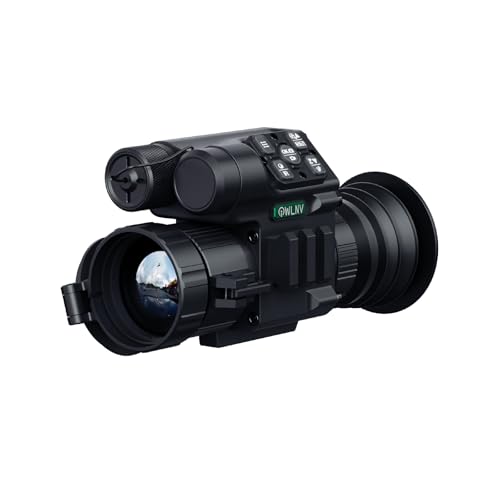
OWLNV T3 Thermal Imaging Scope

OWLNV C2 Handheld Thermal Monocular
Why These Options Stand Out
Thermal optics change the way you hunt after dark, and the OWLNV T2-256 sits at the entry point of that world without giving up the core specs that matter. A 256×192 sensor with a 12-micrometer pixel pitch and a sub-25 mK NETD rating means it pulls faint heat signatures out of fog, brush, and pitch-black treelines. For hunters running a feeder light or tracking wounded deer at last light, that sensitivity is the difference between guessing and knowing.
The 25mm objective keeps the package compact enough for a standard 30mm mount, and the 1024×768 OLED display renders heat shapes with enough detail to count deer at a distance. A laser rangefinder module is offered as an option for those who want precise holdovers without a separate handheld unit.
Useful Strengths
- Sub-25 mK thermal core keeps detection reliable in cold weather and damp conditions
- 1024×768 OLED display renders enough detail to identify antlers versus a branch
- Compact 25mm lens keeps overall weight friendly on a lightweight deer rifle
- Optional laser rangefinder turns the optic into a complete nighttime setup
Points To Keep In Mind
- Battery life on thermal cores can run short in freezing temps, so spares belong in the truck
- You may find the base magnification limited for shooters who like to stretch range past 300 yards
- Lens cleaning in field conditions needs a microfiber cloth and a careful hand
Feature Snapshot
Built With In Mind
Hunters who need an honest thermal optic for predator control, hog hunting, or recovering deer after dark and want a more affordable alternative to flagship thermal scopes.
Look Elsewhere When
Pass on this if a higher-resolution thermal core matters more than price, in which case the OWLNV T3 Thermal Imaging Scope offers more detail and longer detection reach.
Low light is where deer hunts are won or lost, and a 50mm objective gives the SIG SAUER Buckmasters 3-9×50 a noticeable edge at first and last light. The Buckmasters line was co-developed with Jackie Bushman to deliver SIG electro-optics at a reachable price, and the 50mm front end is the centerpiece of that mission. It gathers more light than the smaller-objective siblings, which translates into brighter reticle views when the sun is barely above the horizon.
The 3-9x magnification covers the realistic engagement window for most whitetail setups, from brushy 50-yard crossings to 300-yard food plots. For hunters who shoot across ag fields in November, that range feels right without forcing extra magnification they will not use.
Where It Excels
- 50mm objective noticeably brightens the image during legal shooting minutes at dawn and dusk
- 3-9x magnification covers the realistic distance band for whitetail setups
- 1-inch main tube fits standard rings sold at any sporting goods counter
- SIG electro-optics pedigree at a more approachable price than premium tiers
Trade Offs
- The 50mm objective adds height and bulk over the 40mm versions, so check your scope-ring clearance before mounting
- Higher mounting position can affect cheek weld on rifles originally set up for compact scopes
The Right Fit
Whitetail hunters who regularly find themselves glassing at dawn and pushing legal-light shots will appreciate the extra light gathering this scope delivers.
A Better Fit Elsewhere
Skip it in favor of the Leupold VX-Freedom 3-9x40mm if you hunt tight cover where a 40mm objective’s lower profile and lighter carry weight matter more than low-light reach.
The 40mm version of the Buckmasters is the easygoing sibling, and that is exactly why so many hunters end up choosing it. The smaller objective keeps the scope sitting lower on the rifle, which means a natural cheek weld on most factory stocks and a clearer sight picture through your rifle’s iron-sight backup. For a hunter who moves between treestand, ground blind, and walking the property, that balance pays off every season.
Compared with the 50mm version reviewed earlier, this optic trades some low-light reach for a more compact, friendly profile, which is often the smarter compromise for thick-cover hunting.
Noteworthy Benefits
- Compact 40mm objective keeps scope height low for a natural cheek weld
- 3-9x magnification handles brushy woods and short food plot shots equally well
- Standard 1-inch tube makes mounting hardware easy to source
- Lightweight enough for hunters who carry long distances on foot
Soft Spots
- Less light gathering than the 50mm sibling, so dawn shots may require a steadier rest
- Turret tracking and overall refinement sit a tier below SIG’s higher-end hunting lines
Made For
Do-it-all deer hunters who bounce between treestand and walking hunts and want a single scope that handles both without fuss.
Swap It Out When
Pick the SIG SAUER Buckmasters 3-9x50mm instead if your hunting grounds trend toward wide-open food plots where every minute of low light matters.
Leupold’s reputation was built on American-made optics that simply keep working, and the VX-Freedom 3-9x40mm carries that legacy at an approachable price point. The Hunt-Plex reticle is intuitive, with holdover dots that don’t force you to learn a complicated system before opening day. For a hunter mounting this optic on a working rifle, that ease-of-use matters.
The capped finger-click adjustments protect against accidental shifts when the rifle is bumped in the truck or dragged through brush, which is a quiet but real advantage on a hunting rifle that sees hard use. Compared with the SIG Buckmasters reviewed earlier, the Leupold leans more toward long-term durability than feature density.
What Makes Sense
- Capped turrets prevent accidental dial drift in the field
- 3:1 zoom ratio with a smooth magnification ring for gloved hands
- Trusted American-built optics brand with strong resale value
- 40mm objective keeps the optic low and balanced on standard setups
Honest Caveats
- Lacks the premium glass coatings found on Leupold’s VX-3HD and higher lines
- No illuminated reticle option for hunters who like a glowing center dot at last light
Who It Suits Best
Seasoned deer hunters who value proven American craftsmanship and a no-fuss reticle over premium glass or advanced features.
Consider Something Else When
Reach for the SIG SAUER Buckmasters 3-9x50mm instead if your hunting style leans heavily on first and last light in open terrain, since the 50mm objective pulls in more usable light.
Spotting scopes are not mounted on the rifle, but the right one changes how you hunt before you ever shoulder the gun. The Maven CS.2A 26-66x85mm pairs extra-low dispersion (ED) glass with a magnesium chassis, which is a combination aimed at hunters willing to carry a heavier optic to a glassing ridge. ED glass controls chromatic aberration (the color fringing that softens high-contrast edges), so a buck’s outline stays crisp where lesser glass shows purple halos around antler tines.
The 85mm objective gathers serious light for first-light glassing sessions, and the 26-66x zoom range covers the long-haul Western glassing scenarios while staying usable for closer mid-distance work. For Western deer hunters, this is the kind of glass that justifies a longer hike.
What Pays Off
- ED glass controls color fringing around antler tines and dark-on-light edges
- 85mm objective gathers meaningful light for first-light sessions
- Magnesium frame keeps weight reasonable for the aperture class
- Wide 26-66x zoom covers both long glassing and mid-distance work
Practical Considerations
- Larger objective diameter requires a steady tripod to fully exploit the magnification
- Premium glass commands a price above entry-level spotting scopes
- Lens caps and a padded case are worth budgeting for given the optic’s size
Key Specs
Best Suited To
Western deer hunters glassing open country from ridges who want premium image quality before committing to a stalk.
Reach For A Different Pick When
Eastern whitetail hunters working short-range cutovers and food plots will get more practical use from a riflescope like the Leupold VX-Freedom 3-9x40mm.
The T3 steps up from the T2-256 with a higher-resolution 384×288 thermal sensor, and that extra resolution pays off when you are trying to count tines on a distant buck or sort a doe from a young buck in a group. The 3.5x optical zoom, picture-in-picture mode, and built-in ballistic calculator also push this beyond a basic thermal optic into something closer to a full-featured shooting system.
For hunters who want to record their hunts and stream thermal imagery to a phone over WiFi, the T3 handles both without extra accessories. Compared with the OWLNV T2-256 reviewed earlier, this scope trades compact simplicity for more detection reach and on-board smarts.
What Stands Out
- 384×288 sensor sharpens antler and body outlines at detection range
- Built-in ballistic calculator supports longer-range ethical shots
- Picture-in-picture mode keeps the wider field of view while zooming the reticle area
- IP67 weatherproofing handles rain and dust on long sits
Points To Note
- WiFi video recording drains battery faster, so plan charging around long outings
- Menu navigation takes practice in cold weather with gloved hands
- Higher-end thermal sensors require familiarization to interpret heat shapes accurately
Perfect Match For
Tech-forward hunters who want a feature-loaded thermal optic for predator control, nighttime deer recovery, or recording hunts.
Skip It When
Skip it in favor of the OWLNV T2-256 Thermal Imaging Scope if you want a simpler, lighter thermal optic at a lower cost and do not need the extra sensor resolution or ballistic tools.
Most thermal optics live on a rifle, but the OWLNV C2 takes the same heat-detecting tech and puts it in a pocketable handheld form. The 256×192 sensor and 8x zoom handle the most common scouting jobs: confirming whether a shape in the brush is a deer, watching a food plot edge before committing to a stand, and tracking travel corridors after dark. Hot spot tracking marks the warmest point in the frame, which speeds target acquisition when an animal briefly disappears behind a tree.
Compared with the rifle-mounted OWLNV T2-256 reviewed earlier, the C2 trades on-board ballistic and aiming tools for grab-and-go portability, which makes it a strong scouting companion rather than a primary shooting optic.
Positive Takeaways
- Pocketable form factor slips into a coat pocket or small pack
- Hot spot tracking speeds up target acquisition when animals disappear behind cover
- 8x digital zoom aids mid-distance inspection of food plots
- Video recording captures stand behavior for later review
Some Limits To Know
- 256×192 resolution is a step below the T3’s 384×288 sensor for fine detail work
- Handheld ergonomics get tiring during long observation sessions
- Not a substitute for a riflescope when the moment of truth arrives
Core Details
Who Should Grab It
Hunters who want a portable thermal tool for pre-dawn scouting, stand selection, and post-shooting-light recovery rather than a primary aiming optic.
Not Your Match When
Pass on this in favor of the OWLNV T3 Thermal Imaging Scope if you want a thermal optic mounted on the rifle for actual shot placement.
Picking The Right Scope For Your Hunting Style
Choosing a scope for deer hunting starts with honest answers about where and how you hunt. Eastern whitetail hunters pushing through thick timber have different needs than Western hunters glassing sage basins at first light, and the optic should match the environment rather than the other way around.
Magnification And Objective Diameter
The magnification range you pick should match your realistic engagement distances, not theoretical maximums. A 3-9x scope covers most whitetail scenarios from food plots to wooded crossings, while bigger zoom ranges become more relevant for open-country and longer shots. Objective diameter (the front lens) affects how much light the scope gathers, which matters most at dawn and dusk. A 50mm front lens pulls more light than a 40mm, but also sits higher on the rifle and adds weight, so balance is a real trade-off.
Lens Quality And Coatings
Glass quality shows up where it counts: edge sharpness, color accuracy, and how the image holds up in low light. Look for fully multi-coated lenses, which means multiple anti-reflective coatings on all air-to-glass surfaces, and consider ED glass if chromatic aberration bothers you at long distances. Hunting scopes do not always need premium glass, but cheap glass loses detail fast in low light.
Reticle Choice And Turrets
Reticles range from simple crosshairs to ballistic-compensating designs with holdover dots. For most deer hunters, a duplex or Hunt-Plex style offers quick target acquisition without forcing you to learn a complex system. Capped turrets protect against accidental shifts, while exposed tactical-style turrets appeal to shooters who dial for distance often.
Matching The Optic To The Hunt
Traditional glass scopes like the Leupold VX-Freedom and SIG Buckmasters lines remain the right tool for daytime hunting. Thermal scopes and monoculars from OWLNV add a new layer for predator control, hog hunting, and recovering wounded deer after dark. A spotting scope like the Maven CS.2A fits hunters who glass long distances before deciding to push in on a stock.
Key Considerations Across These Picks
Where Shoppers Go Wrong
The most common mistake is buying too much magnification for the actual hunt. A 6-24x scope on a deer rifle that shoots at 80 yards is wasted capability that adds weight and slows target acquisition. The flip side is picking too little magnification for the terrain, leaving you unable to confirm distant animals. Match magnification to the realistic engagement window of your hunting grounds.
Another slip-up is overlooking objective height and cheek weld. A taller objective can force uncomfortable head position behind the stock, which costs accuracy on follow-up shots. Try the optic on your rifle before committing.
What Separates Premium From Basic
Higher-tier scopes and thermals earn their price through better glass, stronger sensor sensitivity, and more durable construction. In traditional glass, premium scopes add brighter low-light performance and tougher turret systems. In thermal optics, a higher NETD sensitivity rating (the smaller the number, the better) and higher sensor resolution mean clearer images in tough conditions. The upgrade pays off most for hunters who log serious hours in marginal weather and light, while weekend hunters may find the value tier covers everything they need.
Frequently Asked Questions
What magnification is best for deer hunting?
For most whitetail hunting, a 3-9x range covers brushy woods and short food plot shots without forcing unnecessary bulk. If you regularly shoot across open fields at 200 yards or more, consider 4-12x or higher for finer target detail.
Do I need a thermal scope for deer hunting?
Thermal optics shine for predator control, hog hunting, and recovering wounded deer after dark, but they are not required for standard daytime deer hunting. Many hunters run a traditional glass scope as their primary optic and add a handheld thermal like the OWLNV C2 for scouting and recovery.
What’s the difference between 40mm and 50mm objective lenses?
A 50mm objective gathers more light, which helps in low-light conditions like dawn and dusk. A 40mm objective keeps the scope lower-profile and lighter, which suits brushy woods and walking hunts where every ounce matters.
Are expensive scopes worth the extra cost?
Premium scopes add better low-light glass, stronger construction, and refined turret systems. The upgrade pays off most for hunters who log serious hours in tough conditions, while casual weekend hunters often find mid-tier scopes cover their needs.
Can I use a riflescope for coyote and hog hunting?
Yes, a traditional riflescope works fine for daytime coyote and hog hunting. For nighttime pursuits, a thermal optic or handheld thermal monocular gives you a meaningful advantage for detection after dark.