
A solid set of game bags keeps meat cool, clean, and intact from ridge to cooler, and the wrong choice shows up fast on a long pack-out. Whether you’re chasing elk across alpine drainages or hauling whitetail quarters out of thick timber, breathability, weight, and pack-fit matter more than marketing claims. This roundup covers the styles most hunters actually reach for: full-body carcass bags, quarter bags, vest-mounted bird pouches, and bulk multi-packs for big game. Each pick below solves a specific field problem, so the right fit depends on how and where you hunt.
The Picks In Brief

UIIHUNT Upland Hunting Vest with Front Pockets & Back Game Pouch

Qiullen 5-Pack Cotton Game Bags for Hunting

Horn Hunter Full Curl Standard Heavy Breathable Game Meat Bag

Kooprimit 5-Pack Rolled Game Bags Deer

Kooprimit Ultralight Game Bags 5-Pack with Hangable Loops
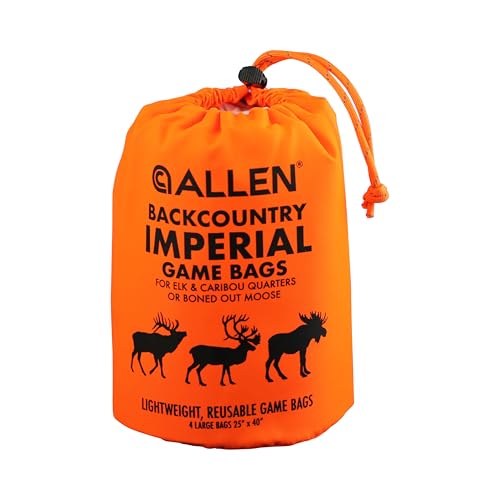
Allen Company Backcountry Quarter Bag 4-Pack
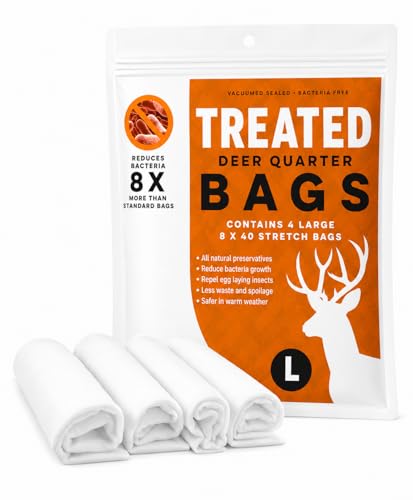
Koola Buck Treated Game Bags for Deer, Elk, Moose, Antelope

Allen Company Full-Body Elk Caribou Game Bag
A Closer Look At Each Pick
Bird hunters carry a different problem than big-game hunters: feathers, weight, and fast access during a walking flush. The UIIHUNT Upland Hunting Vest answers that with a rear game pouch sized for pheasants and similar upland birds, paired with front pockets that keep shells, gloves, and a dog-handler’s whistle within reach. The vest’s lightweight build matters more than it sounds; over eight hours of walking, a few ounces saved on the torso compounds into less fatigue on the back nine.
Versus the meat-only bags later in this list, the UIIHUNT option is built for an active hunt rather than a pack-out. It won’t replace your quarter bags for elk, and it’s not trying to. You wear it, your dog works, and the back pouch swallows birds as they fall.
What Works In Its Favor
- Integrated rear pouch handles multiple birds without a separate game bag
- Front pockets keep shells and small gear accessible mid-walk
- Lightweight construction reduces end-of-day shoulder fatigue
- Unisex fit works for both men and women in the field
Worth Noting
- Not designed for big-game quarters, so it won’t replace a meat bag for elk hunters
- Back pouch fabric is best aired out after damp hunts to prevent odor buildup
Who It Suits Best
Walk-and-shoot upland bird hunters running a pointing dog or flushing cover with a partner.
Look Elsewhere When
You’re hauling whitetail or elk quarters out of the backcountry, where the Allen Company Backcountry Quarter Bag handles quartered meat far better.
The Qiullen 5-Pack earns its spot on the budget-friendly end of the meat-bag category without skipping the basics hunters actually need. The cotton weave is breathable, which keeps air moving around the meat so it cools quickly and resists surface drying. The pack includes four long bags sized for quarters plus one shorter bag for smaller cuts, and reflective strips help when you’re stringing meat at first light.
Compared to the heavier canvas Horn Hunter bag covered below, this cotton option weighs less in the pack but asks more of you in handling. Cotton stretches under load, which is intentional here, so the bags conform to awkward shapes without tearing.
The Value In It
- Five-bag count covers a full elk or moose breakdown
- Cotton breathes well, slowing spoilage on warm pack-outs
- Reflective strips improve low-light handling
- Reusable and washable across multiple seasons
- Stretchy weave conforms to irregular meat shapes
Minor Gripes
- Cotton holds moisture longer than synthetic blends, so drying between trips matters
- Lighter fabric can snag on sharp bone edges during heavy loads
- Ropes are functional but basic, not heavy-duty haul lines
Feature Snapshot
Made For
DIY hunters processing their own big game who need a multi-pack without premium-tier pricing.
A Better Fit Elsewhere
Hunters running an external frame pack benefit more from the Horn Hunter Full Curl Standard’s tie-down loops.
Pack compatibility separates a true backcountry game bag from a closet full of limp cotton. The Horn Hunter Full Curl Standard is built around that reality. Heavy breathable canvas handles abrasion against pack frames, and the tie-down loops let you strap it directly to most external frame packs without improvising with paracord. For multi-day sheep or goat hunts, that stability on the frame matters more than the bag’s empty weight.
Compared to the lighter Qiullen pack above, this Horn Hunter option trades packability for durability. The trade is honest: hunters who already own a Full Curl frame or run a similar external setup will appreciate the direct-mount design.
A Few Highlights
- Heavy canvas holds up to repeated frame-pack abrasion
- Tie-down loops integrate with most external frame packs
- Washable construction simplifies end-of-season cleanup
Honest Caveats
- Single-bag format means buying multiples for a full elk breakdown
- Heavier empty weight than cotton alternatives adds pack ounces
Best Suited To
Western hunters packing out multiple quarters on an external frame who want one rugged bag per load.
Skip It When
You’re flying solo on a short deer hunt and want a multi-pack, where the Kooprimit 5-Pack Rolled Game Bags Deer covers more ground per dollar.
Storage and field deployment often get overlooked when hunters pick meat bags. The Kooprimit 5-Pack solves both. The roll-up design compacts the bags into a small stuff that fits in a pack lid, and the drawstring closure tightens fast with cold or gloved hands. Reflective tags make the bags easier to spot if you hang meat and need to relocate it before dark.
Compared to the Qiullen cotton pack above, this option uses a different fabric blend and adds a more deliberate closure system. You may find the drawstring more intuitive for closing bags one-handed while balancing a quarter on your knee.
Everyday Advantages
- Roll-up storage keeps the pack tight in your daypack
- Drawstring closure handles quickly with cold fingers
- Reflective tags reduce low-light retrieval misses
- Five-bag count suits elk, deer, caribou, and moose breakdowns
Points To Note
- Drawstring is sized for bag closure, not direct hanging loads
- Fabric weight sits between ultralight and heavy canvas, so it won’t feel as burly as the Horn Hunter option
Right Fit For
Hunters processing varied species who want one bag system that rolls small and deploys fast.
Reach For A Different Pick When
Weight is the top priority on a long approach, where the Kooprimit Ultralight Game Bags 5-Pack trims more ounces.
Every ounce counts when the trail to your truck gains 4,000 feet over six miles. The Kooprimit Ultralight pack uses a cotton-poly composite weave that targets two problems at once: blocking contaminants while still moving air across the meat surface. The result is a bag that disappears in your pack until you need it. Hangable loops sewn into the seam let you rig a meat pole or a gambrel without improvising knots in the dark.
Versus the heavier cotton Qiullen pack covered earlier, this ultralight version trades raw durability for trail weight. For hunters already trimming ounces from sleep systems and shells, that trade usually feels worth it.
Practical Advantages
- Composite weave balances airflow with contaminant resistance
- Hangable loops simplify overnight meat-pole setups
- Ultralight empty weight saves trail energy on long pack-outs
- Five-bag count handles a full elk or moose breakdown
Trade Offs
- Lighter fabric is more vulnerable to bone-edge abrasion than canvas
- Tighter weave dries slower than open cotton after a wet hunt
Feature Snapshot
Perfect Match For
Elk and sheep hunters covering long distances who log more vertical than most.
Swap It Out When
You need a tougher bag for an external frame pack, where the Horn Hunter Full Curl Standard handles abrasion better.
Most deer and elk hunters break their animal into quarters before the pack-out, and that’s exactly where the Allen Company Backcountry Quarter Bag earns its name. Each bag measures roughly 40 by 25 inches, sized to swallow a hindquarter or shoulder without folding meat against itself. The heavy-duty fabric and drawstring closure hold up under sharp bone edges and the inevitable drag over logs and rocks.
Versus the full-body Allen Company Carcass Bag reviewed last, this quarter-bag setup assumes you’ve already broken down the animal. For most DIY hunters, that’s the more useful configuration.
Useful Strengths
- Generous 40″ x 25″ sizing fits full deer and elk quarters
- Heavy-duty fabric resists tearing on rough pack-out terrain
- Drawstring closure pulls tight with cold, gloved hands
- Four-bag count matches a standard deer or small elk breakdown
- Reusable across multiple seasons with wash-and-air maintenance
A Few Limitations
- Not suited for full-body carcass hauls, where the Allen Company 48 x 96 bag handles intact animals
- White fabric shows blood staining that requires prompt rinsing
- Four-bag count may fall short for a full elk or moose breakdown
Feature Snapshot
Who Should Grab It
Whitetail and elk hunters quartering animals in the field who want one bag per cut.
Where A Sibling Pick Shines
For full-body hauls where the animal stays intact, the Allen Company 48 x 96 Carcass Bag handles the whole carcass in one piece.
Treated fabric separates reusable game bags from disposable ones, and the Koola Buck option leans into that advantage. The proprietary food-grade treatment adds a layer of resistance to bacteria and surface contamination without sealing the meat off from airflow. Reinforced double-stitched seams handle repeated washing across seasons, which matters when a hunter runs the same bags for elk, moose, and deer year after year.
Compared to the untreated Qiullen and Kooprimit packs above, the Koola Buck option targets hunters who reuse gear hard. You may find the upfront cost higher, but the longevity spreads it across multiple seasons.
Practical Pluses
- Food-grade treatment supports hygiene during multi-day pack-outs
- Reinforced seams hold up to repeated wash cycles
- Multi-species sizing covers deer through moose in one bag system
- Heavyweight construction handles abrasive trail conditions
Things To Weigh
- Treated fabric is heavier than untreated cotton, adding pack ounces
- Treatment may require specific washing care to preserve over time
Built With In Mind
Seasoned hunters running the same bag set across multiple species and multiple trips.
Not Your Match When
You’re on a tight budget or a single-season hunt, where the Qiullen 5-Pack covers the basics at a lower cost.
Sometimes the right move is hauling the whole carcass out, especially on solo elk or caribou hunts where a breakdown in the dark isn’t safe or practical. The Allen Company Full-Body Bag handles that scenario directly. At 48 by 96 inches, the bag swallows an entire elk carcass, and the included orange carry pouch makes it compressible enough to strap to a pack without taking up valuable real estate for other gear.
Versus the quarter bag covered earlier from the same brand, this option assumes the animal stays whole. The honest read is that for most modern hunters, quartering is faster and cooler-friendly, but carcass bags still earn their place on remote, legal, and weather-appropriate hunts.
A Favorable Mix
- Generous 48 x 96 sizing handles a full elk or caribou carcass
- Orange carry pouch keeps the bag stowed until needed
- Lightweight fabric folds into a small pack footprint
- White surface helps spot debris and contamination on contact
Soft Spots
- Single-bag format means buying multiples for separate loads
- Full-carcass hauling is heavier and slower than quartering on most terrain
Feature Snapshot
Whose Shelf It Belongs On
Solo hunters packing out elk or caribou whole in remote terrain where quartering isn’t practical.
Consider Something Else When
You’re hunting deer or quartering at the kill, where the Allen Company Backcountry Quarter Bag 4-Pack covers multiple cuts more efficiently.
What Separates A Good Game Bag From A Wasted Purchase
Choosing the right game bag starts with how you hunt, not what’s on sale. For upland bird hunters, a vest-mounted pouch like the UIIHUNT option earns its place by keeping your hands free and your shells loaded. For big-game hunters, the real decision is whether you quarter at the kill or haul the whole carcass, because that determines whether you need quarter bags or a full-body carcass bag.
Fabric matters more than brand once you’ve narrowed the format. Breathability is the key term here: it describes how well air passes through the weave, and it directly affects how fast meat cools. Cotton breathes well but holds moisture, while synthetic blends balance airflow with tighter weaves that block debris. Treated fabrics add a food-grade layer of bacterial resistance for hunters reusing the same bags across multiple seasons.
Weight and packability become non-negotiable on multi-day trips. Every ounce in your pack costs energy on the trail, so hunters covering long distances tend to favor ultralight cotton-poly composites over heavy canvas. Conversely, hunters running external frame packs benefit from heavier fabrics that resist abrasion against the frame.
Sizing is the final piece. Quarter bags should fully wrap a hindquarter without folding meat against itself, while carcass bags need to be large enough to cover the entire animal with room to spare at the closure. Match the bag to your typical animal and your typical breakdown style, and the rest of the decision tends to fall into place.
Key Considerations Across These Picks
Pitfalls Shoppers Hit
The most common mistake is buying quarter bags sized for deer when you regularly hunt elk. Smaller bags force you to fold meat against itself, trapping heat and slowing the cooling process that protects quality. Another trap is assuming all breathable fabrics dry at the same rate, since cotton holds moisture far longer than synthetic blends after a wet hunt. Finally, some shoppers skip a carry pouch on full-body bags and end up with a tangled mess in their pack, which costs more time in the field than anyone wants to spend.
When Paying More Pays Off
Higher-tier bags earn their premium through fabric treatment, seam reinforcement, and pack-specific design. The Koola Buck option’s food-grade treatment supports hygiene on multi-day pack-outs where untreated cotton starts to work against you. Reinforced double-stitched seams hold up across repeated washing seasons, which spreads the upfront cost across years rather than trips. For hunters reusing gear hard, the upgrade usually pays for itself in reliability and meat quality.
Frequently Asked Questions
What size game bag do you need for elk?
For quartering, each bag should measure at least 36 by 24 inches to fully wrap a hindquarter. For full-body hauls, bags in the 48 by 96 range handle a whole elk carcass.
Are cotton or synthetic game bags better?
Cotton breathes well and stretches around irregular shapes, while synthetic blends dry faster and resist contamination more effectively. The right choice depends on your climate and how many seasons you plan to reuse them.
How many game bags do you need per animal?
A standard deer breakdown fits in four quarter bags, while elk and moose typically require six to eight bags depending on how you split the carcass.
Can game bags be washed and reused?
Most reusable game bags are machine-washable, though cotton holds longer drying times than synthetic blends. Air-drying between trips prevents odor and extends fabric life.
Do I need a separate bird bag for upland hunting?
Upland bird hunters usually prefer a vest-mounted pouch like the UIIHUNT option, which keeps hands free and birds accessible during a walking hunt.