
Scouting deer sign at dawn, checking fence lines on a remote lease, or tracking what visits the back forty after dark. Game trail cameras have quietly become one of the most useful tools in a hunter’s kit, and the latest models push far beyond grainy night shots. Solar panels, cellular transmission, and app control now let you watch a property without ever pulling an SD card. This roundup focuses on six current options that cover the main use cases, from full solar-cellular builds to simple WiFi units for tight budgets.
An Overview Of The Picks
Zonetiger 4G LTE Solar Cellular Trail Camera 64MP 4K GPS
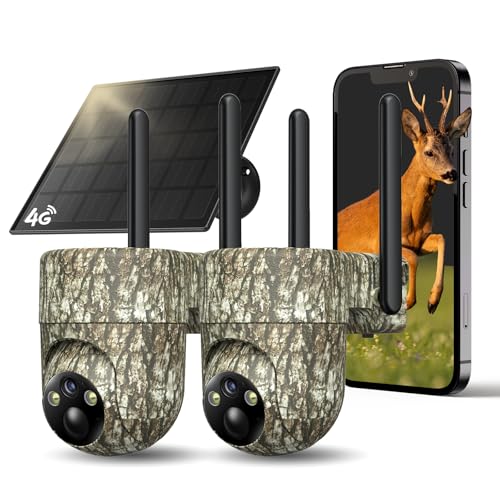
TKENPRO 4G LTE Cellular Trail Camera 360° Live Streaming Solar

Cadrali Solar 4G LTE Trail Camera 4K 64MP Night Vision
SPYPOINT Flex-M Solar Bundle Cellular Trail Camera

GardePro E6+ WiFi Bluetooth Trail Camera Dual Antennas

SPYPOINT Flex-S-Dark Ultimate Solar Cellular Trail Camera Pack
A Deeper Look At The Lineup
Built for hunters who don’t want to visit a camera for months on end, this Zonetiger model runs on 4G LTE with solar assist and no WiFi required. The bundled year of free photo data removes the usual sticker shock of cellular plans, which is where most remote scouting setups get expensive. In practice that means you mount it on a tree, point the panel toward open sky, and let it do its work while you check thumbnails from your phone.
Auto network switching keeps the camera online across carriers, and GPS tagging helps when you juggle multiple cameras across a large property. The 64MP sensor paired with 4K recording handles both still scouting frames and short clips of buck movement. For most people managing a hunting lease or watching a remote gate, this is the most complete all-in-one package in the roundup.
The Good Stuff
- One full year of free cellular photo data included out of the box
- Solar panel keeps the battery topped off across most seasons
- 64MP stills plus 4K clips for sharp ID work
- Auto network switching finds the strongest carrier on its own
- Built-in GPS helps track multiple cameras at once
- App-based remote control means no field visits for routine settings
Things To Consider
- Live streaming and video transfer sit behind a paid app tier
- Solar charging slows noticeably in heavy canopy or winter shade
- SIM-based cameras depend on coverage where you mount them
Who It Suits Best
You want a true set-and-forget unit for a remote lease, ranch gate, or back pasture and value not swapping batteries every few weeks.
Where Another Pick Suits Better
For a stealth setup where no-glow night capture matters more than cellular convenience, the SPYPOINT Flex-S-Dark Ultimate Solar Cellular Trail Camera Pack is the better match.
Where most cellular cameras aim at a fixed funnel or scrape, the TKENPRO 4G LTE Cellular Trail Camera adds a full 360° viewing angle, which changes how you think about placement. Instead of worrying about triggering direction, you can drop it in an open clearing and let the rotating lens sweep the scene. The built-in SIM locks onto the strongest 4G signal in your area, so coverage headaches shrink at the moment of install.
The solar panel handles day-to-day charging, and the app walks you through setup without forcing you to dig into a manual. Owners commonly appreciate the live preview when checking on a feeder or pond without spooking game. You may find the pan rotation runs through batteries faster than fixed-lens models, but for anyone scouting a wide clearing or food plot, that trade-off feels reasonable.
Notable Gains
- 360° sweep captures activity from any direction
- Auto-locks onto the strongest 4G signal at your location
- Solar panel reduces mid-season battery swaps
- App-based live preview before you hike in
- Initial data trial covers early testing
Points To Keep In Mind
- Live view and ongoing data require a paid plan after trial
- Pan motor adds power draw compared with fixed cameras
- Mounting height matters more for a rotating lens to read ID clearly
Made For
You watch open clearings, food plots, or pond edges where animals approach from multiple angles and you want one camera to cover them all.
Look Elsewhere When
You want a simple, low-cost unit with no monthly plan, in which case the GardePro E6+ WiFi Bluetooth Trail Camera fits closer to your needs.
The Cadrali Solar 4G LTE Trail Camera leans into 4K live video with a 64MP sensor, which makes it a strong fit for hunters who want sharper antler detail than the usual 1080p cellular footage. Solar power and a waterproof housing are built for weather you don’t want to babysit, from spring rain to snow dustings on a late-season stand.
Motion activation fires quickly, and the night vision delivers usable ID shots without flooding the scene with a visible flash. The 4G LTE connection streams a live view to your phone, useful when a friend reports movement on your property. If you live somewhere with wet winters or humid summers, the sealed body and solar top-up handle the season without much fuss.
Positive Takeaways
- 4K live video shows fine detail at the feeder or scrape
- Waterproof build handles rain and snow
- 64MP stills pull clear ID frames at night
- Solar panel trims battery swaps in most climates
- App sharing lets friends or family follow along
Honest Caveats
- Cellular plan pricing varies by carrier and region
- 4K clips eat more data than standard thumbnails
Right Fit For
You scout a property that sits through harsh weather year-round and want sharp 4K video pulled straight to your phone.
Swap It Out When
You don’t want to budget for a cellular plan, in which case the SPYPOINT Flex-M Solar Bundle offers a simpler solar-only path with its bundled panel.
The SPYPOINT Flex-M Solar Bundle arrives as a complete kit: camera, compact solar panel, mounting strap, and a heavy-duty arm for placement on a tree or post. That matters because most “solar cameras” sell the panel separately and leave you hunting for a third-party mount. Pulling it out of the box and having everything ready for an afternoon hang makes the first season much easier.
Dual-SIM LTE gives the camera a better chance of locking on at remote leases, and GPS helps when you run a string of units across a property. The IP65 rating shrugs off steady rain without complaint, and night vision keeps delivering shots after dark. You may find the included panel smaller than aftermarket options, but for most users it tops off the battery through a normal scouting season.
Notable Upsides
- Complete bundle: camera, panel, strap, and mount in one box
- Dual-SIM LTE improves signal at fringe coverage areas
- IP65 water resistance handles long rain stretches
- GPS tagging tracks each camera’s location in the app
- Night vision reads antler shape without a bright flash
Trade Offs
- Bundle solar panel is smaller than standalone options
- Mounting arm works best on larger trunks, not small saplings
Best Suited To
You want one box to handle installation, mounting, and power without buying extras at the same time.
A Better Fit Elsewhere
You want truly invisible night capture for wary bucks, where the SPYPOINT Flex-S-Dark Ultimate Solar Cellular Trail Camera Pack gives you a no-glow option instead.
Feature Snapshot
The GardePro E6+ WiFi Bluetooth Trail Camera skips the cellular plan entirely and uses direct WiFi plus Bluetooth to your phone. That makes it a smart pick for tight budgets, smaller properties, or anyone who hikes to the camera anyway. No monthly fee, no SIM card, no data plan, just a short-range link to the GardePro Mobile app when you’re within range.
Dual antennas push the working range out to roughly 165 feet in open air, though walls, metal barns, and dense brush all cut that distance. The free app handles settings, previews, and image transfer without extra cost. For someone with a backyard food plot or a small hunting lease, the no-subscription angle alone makes this a strong value.
A Strong Showing
- No monthly fee or cellular plan required
- Dual antennas extend the WiFi working range
- Free GardePro Mobile app for iOS and Android
- Bluetooth pairing speeds up the initial connection
Worth Noting
- Range drops sharply through metal walls or dense brush
- No remote streaming once you leave the property
- Doesn’t connect to home WiFi routers or cellular networks
Who Will Love This
You scout a small plot close to home and don’t want a monthly plan eating into your hunting budget.
Reach For A Different Pick When
You want photos waiting on your phone without hiking in, in which case the Zonetiger 4G LTE Solar Cellular Trail Camera covers that need.
The SPYPOINT Flex-S-Dark Ultimate Solar Cellular Trail Camera Pack sits at the top of the SPYPOINT line for a reason: it bundles the Flex-S-Dark camera with an SD card and the LIT-22 lithium battery pack. No-glow LEDs emit zero visible flash, which keeps wary bucks from spooking when they step into frame at night. The result reads more like a quiet property sentry than a typical trail camera.
40MP stills and 1080p video with sound land cleanly on your phone through the SPYPOINT app. The built-in solar panel keeps the LIT-22 topped up across the season, so daily hikes to swap batteries drop off the to-do list. For hunters chasing educated bucks on pressured land, the invisible night flash alone justifies the step up from entry-level cellular cameras.
Where It Helps
- No-glow LEDs keep night shots invisible to game
- Built-in solar panel extends battery life across seasons
- Bundle includes SD card and LIT-22 lithium pack
- 40MP photos and 1080p video with sound delivered to phone
- App-controlled flash mode toggles between no-glow and low-glow
Small Caveats
- Higher upfront cost than basic cellular cameras
- Cellular plan still required for remote transmission
Built With In Mind
You hunt pressured bucks or run a security-minded setup where a visible night flash would spook the animals you want to monitor.
Another Choice May Suit
You prefer 4K live video over invisible flash capture, in which case the Cadrali Solar 4G LTE Trail Camera is worth a closer look.
What Matters Most When Picking Game Trail Cameras
A trail camera lives or dies on three things: trigger speed, image quality at night, and how you actually get the photos back. Cellular models solve the retrieval problem with monthly plans but introduce coverage and SIM headaches. WiFi-only units cut the plan but require you to walk within range. Solar panels help in open clearings and struggle under dense canopy or heavy winter snow cover. Storage capacity, SD card type, and battery format also shape daily ownership far more than the spec sheet suggests.
Match the camera to your property before you match it to a feature list. A small backyard plot gets more value from a no-plan WiFi unit than a flagship cellular build. A remote hunting lease with weak signal often runs better on a solar-bundled camera with dual-SIM support than a single-network flagship. And if your camera sits next to a busy road, theft resistance and a security case matter as much as resolution.
Connectivity Options Worth Understanding
Cellular 4G LTE cameras send photos through mobile networks and require a SIM plus a data plan, while WiFi-only units link directly to your phone over short range. Bluetooth helps with quick pairing and settings changes when the WiFi signal is weak. Dual-SIM cameras fall back to a second carrier when the first drops out, which matters at remote leases where coverage is thin.
Power, Battery, and Solar Trade-offs
Solar panels reduce but rarely eliminate battery swaps, especially in shaded tree stands and northern winters. Lithium battery packs hold their charge longer than AA cells in cold weather. A camera that pulls three to four images per day on solar alone handles most scouting seasons, while a high-traffic feeder may still need a wired power source.
Night Vision and Trigger Behavior
No-glow flash stays invisible to deer and trespassers, while low-glow LEDs offer a small light signature and slightly brighter images. Faster trigger speeds capture moving animals without empty frames, and recovery time controls how many shots the camera takes in quick succession. Both numbers matter more in dense woods than in open fields.
Storage and Image Resolution
Higher megapixels capture more detail but fill SD cards faster, and 4K video devours storage in hours, not days. Class 10 SD cards handle the high bitrates of modern trail cameras without stuttering. For most scouting needs, 20 to 32MP strikes a balance between usable ID detail and storage life.
Where Shoppers Slip Up in This Category
Common Shopping Slip Ups
Treating cellular plans as an afterthought ranks as the biggest trap in this category. Many shoppers focus on the camera price and ignore that some plans charge monthly fees from day one, while others include free tiers for a limited number of photos. Reading the fine print on transmission limits prevents surprise bills mid-season.
A second pitfall sits in solar panel sizing. A small panel keeps up in summer open sky but falls behind under tree canopy or winter sun angles. Matching panel size to placement saves the frustration of a dead camera at peak scouting time.
The Case For Spending Up
Premium cellular cameras justify the step up when you need reliable remote delivery across a full hunting season. Better antennas, dual-SIM support, and no-glow flash combine to reduce the field trips that quietly drain your time. For most backyards or weekend leases, mid-tier models handle the job without the extra cost.
Frequently Asked Questions
How far should a game trail camera detect motion?
Most quality units trigger reliably at 60 to 80 feet in open conditions, and dense brush cuts that range roughly in half. Test placement at walking speed before locking it down.
Do game trail cameras need WiFi or cellular to work?
No, traditional units record to an SD card and only need WiFi or cellular when you want remote access. The GardePro E6+ sits in a useful middle ground by skipping monthly plans.
How long do batteries last in a game trail camera?
Battery life varies by traffic, temperature, and flash use, ranging from a few weeks on AA cells in busy spots to several months on lithium packs with solar assist. Cold weather shortens runtime across every chemistry type.
Are solar panels on game trail cameras worth it?
Solar panels add real value for cameras in open sky placement, cutting battery swaps dramatically across a season. Shaded tree stands or northern exposures benefit less from the same panel.
Can game trail cameras record video or only photos?
Most modern cameras record both stills and video clips, with resolution ranging from 1080p to 4K depending on the model. Video eats storage and data plans much faster than stills.