
Hearing protection and situational awareness matter more than any single feature when you’re choosing hunting headphones. You want soft ears at the bench, sharp ears in the woods, and gear that survives a long morning in the rain or the cold. The six picks below cover passive muffs, electronic amplifiers, comfort upgrades, and comms add-ons, so you can match the right tool to the way you actually hunt.
The Picks In Brief

Walker’s Razor Slim Electronic Muff

TradeSmart Shooting Ear & Eye Protection Kit
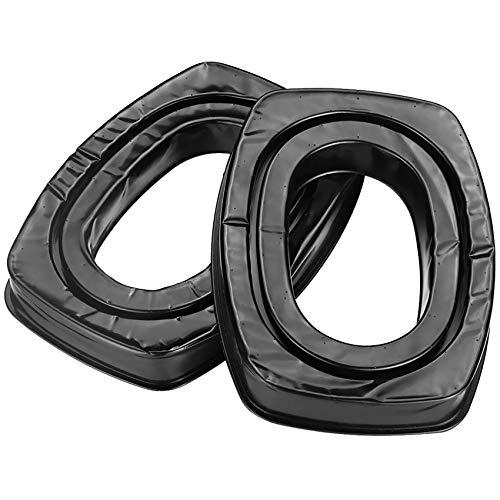
PROHEAR GEP02 Gel Ear Pads

PROHEAR Digital Electronic Earmuffs 23dB NRR
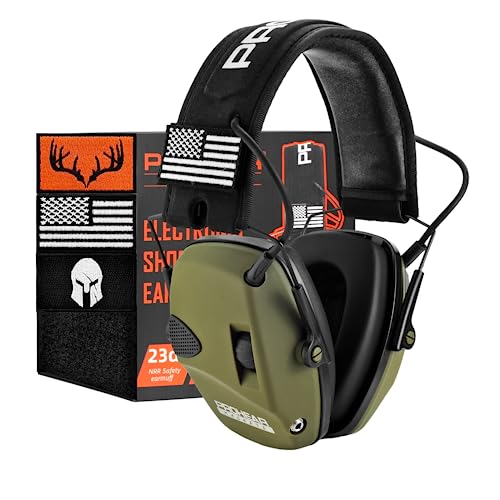
PROHEAR Electronic Ear Protection 4X (Green)

PROHEAR Bluetooth & GMRS Walkie Module
More Details On Our Top Picks
The Walker’s Razor Slim has earned a long run on benches and in tree stands for good reason: it pairs a low-profile cup with electronic sound amplification, so quiet footsteps register clearly while a rifle shot cuts out instantly. The slim shape matters when a stock weld or a tight cheek rest is in play, since bulky muffs can nudge your alignment off target.
For hunters who bounce between the range and the field, this pair slips into a pack without dominating it. You get two microphones per cup, a recessed volume wheel, and an audio input jack for an external radio or phone. Compared to the TradeSmart kit below, you give up layered foam plugs and a hard case, but you gain amplification that helps with whispered range commands or tracking a deer through timber.
A Few Highlights
- Slim cup geometry keeps cheek welds clean on rifles and shotguns
- Built-in amplification lifts quiet sounds like footsteps and rustled leaves
- Audio input jack accepts a handheld radio or phone patch
- Folding design packs flat for range bags and pack pockets
Things To Consider
- Headband padding can press on long sessions without a hat break
- Battery compartment uses AAA cells, so spares belong in your kit
Who It Suits Best
Recreational shooters and hunters who want one pair that handles range work and tree-stand sits without a learning curve.
Where Another Pick Suits Better
Walkers layering passive muffs and foam plugs for the loudest indoor ranges may prefer the TradeSmart kit’s combined NRR 38 protection.
The TradeSmart kit solves a common first-timer problem: buying hearing protection today and forgetting the eye protection, then running back for it. Everything ships in one hard case, so the muffs, the foam plugs, and the impact-rated shooting glasses travel together from the closet to the bench. That kind of kit discipline matters when a guest or a younger shooter borrows your gear.
Where this kit earns its keep is in the layered protection. The passive muffs handle handgun and rimfire noise on their own, and slipping in the foam plugs bumps the combined protection for magnum rifles or indoor bays. The safety glasses carry an ANSI Z87.1+ impact rating, which is the right spec for anything that throws shell casings or fragments.
Noteworthy Benefits
- Combined NRR 38 setup covers the loudest hunting cartridges and indoor bays
- ANSI Z87.1+ rated lenses handle brass deflection and debris
- Five pairs of foam plugs included so backups are always on hand
- Hard case keeps everything organized for travel and storage
Honest Caveats
- Passive muffs offer no sound amplification, so range talk stays muted
- Foam plugs require a clean hand and a moment to seat properly
Feature Snapshot
Right Fit For
New hunters and range newcomers who want a complete, no-guesswork kit on day one.
Not Your Match When
Hunters who need to hear a quiet deer approaching should look at the PROHEAR Digital Electronic Earmuffs with sound amplification.
The GEP02 gel pads aren’t headphones themselves. They replace the foam cushions on a long list of Howard Leight and PROHEAR muffs, turning a pair that pinches into one you forget you are wearing. For instructors, range officers, or anyone running a full-day session, that comfort upgrade can be the difference between finishing strong and calling it early.
The grooved gel face spreads pressure across a wider contact area than stock foam, which is the real trick. Less clamp force at the temples means fewer headaches after the third hour on the line. Compared to the Walker’s Razor Slim above, this is the kind of accessory that turns a great muff into a great all-day muff.
What Makes Sense
- Gel grooves distribute clamp pressure across a wider surface
- Wide model compatibility covers several Howard Leight and PROHEAR muffs
- Drop-in swap, no tools or modifications required
- Soft face material reduces hot spots during long wear
Points To Note
- Won’t help shooters using a different brand of muff
- Gel surface picks up sweat in humid weather and needs a wipe-down
Whose Shelf It Belongs On
Existing muff owners who already love their hearing protection but hate the squeeze after an hour.
Swap It Out When
Brand-new shoppers who don’t yet own compatible muffs should start with the Walker’s Razor Slim or the PROHEAR 4X instead.
The PROHEAR Digital Electronic Muffs push the reaction time hard. The compressor kicks in at a very short delay once a shot crosses the 82 dB threshold, which means the gunshot compresses before it can spike your ears while quiet sound, like a turkey gobble or a hog rooting, gets lifted five times its natural volume. For hunters running suppressed rimfire or working a noisy wooded creek, that contrast is the whole game.
The shell is a tough ABS plastic, and the inside padding is softer than the older foam-only designs, so the clamp feels friendlier out of the box. Compared to the Walker’s Razor Slim earlier, you trade the audio input jack for a faster compression response and stronger amplification, which suits active hunters more than casual plinkers.
Where It Helps
- Fast compression response clips harmful noise before it lands
- 5x sound amplification sharpens awareness of game and range talk
- Lightweight ABS shell survives drops and rough transport
- Low-profile cup clears most rifle stocks without snagging
Room For Improvement
- Runs on AAA batteries, so spares and a check before each hunt matter
- Amplification can pick up wind noise on exposed ridgelines
Key Product Details
Made For
Active hunters who need fast hearing protection and amplified awareness in the same unit.
Look Elsewhere When
Group hunters needing two-way communication should consider the PROHEAR Bluetooth & GMRS Walkie Module for coordinated hunts.
The PROHEAR 4X is the affordable sibling of the Digital model above. Same 23 dB NRR, same ABS shell, and the same smart compression that shuts off amplification under 0.01 seconds when a shot rings out. You give up some amplification headroom, but most hunters won’t notice the difference between 4x and 5x in a turkey blind or a deer stand.
The green shell is a small touch, but it helps the muff disappear against leafy cover rather than glinting white in a snow field or a hardwood ridge. Two AAA batteries run the electronics, so tossing a spare pair in your pack keeps you covered on multi-day trips.
Positive Points
- Sub-0.01s compression response protects hearing on close shots
- 4x amplification covers conversation and game detection
- Green shell blends into wooded terrain
- ABS construction handles bumps and weather
Small Caveats
- AAA batteries need spares for long hunts
- Green color can look out of place on snow and open range
Best Suited To
First-time electronic muff owners who want the core smart-compression feature without paying for top-tier amplification.
Consider Something Else When
Hunters running hard-charging hog dogs or windy ridgelines may want the stronger amplification of the PROHEAR Digital 5X model.
This module turns a compatible pair of PROHEAR muffs into a Bluetooth headset and a GMRS two-way radio at the same time. For group hunts, range officers, and family pheasant walks, that combination replaces a separate radio handset and a Bluetooth earpiece, so you stop juggling gear on a cold morning. It clips onto the muff’s existing mount and pairs quickly once it’s seated.
GMRS range on flat ground stretches to around three miles in the published spec, though timber and ridges will cut that down in practice. Bluetooth handles phone calls and streaming, which doubles the muff as a workshop or truck-camper headset when the hunt is over. Compared to the muffs themselves earlier in this list, this is an upgrade, not a stand-alone.
Features That Help
- GMRS two-way radio covers team comms without a phone
- Bluetooth audio streams calls and music through the muff
- Upgraded signal stability over the earlier module
- Clips onto existing PROHEAR muffs without rewiring
Where It May Fall Short
- GMRS requires an FCC license in the United States before transmitting
- Real-world range drops fast in hills or dense timber
Who Will Love This
Group hunters and range instructors who already own PROHEAR muffs and want comms built in.
Another Choice May Suit
Solo hunters who only need hearing protection should stick with the PROHEAR 4X or Walker’s Razor Slim and skip the radio module entirely.
Choosing The Right Headphones For Hunting: What Actually Matters
Hearing Protection First
A headphone’s Noise Reduction Rating, or NRR, is the published baseline for how many decibels the muff blocks before electronics re-amplify anything. Higher NRR handles louder cartridges, magnum rifles, and indoor ranges with concrete walls that bounce sound back at you. Layered protection, like passive muffs plus foam plugs, pushes the combined rating higher still, which is what the TradeSmart kit relies on for indoor bays.
Sound Amplification vs. Noise Cancellation
Electronic hunting muffs compress loud sounds instantly and lift quiet sounds, so you hear a turkey gobble but not your buddy’s muzzle blast. Compression threshold, the dB level where amplification cuts off, sits around 82 dB on most models. A faster compression response protects your ears on close-range shots, where the gap between the loud report and your ear canal is short.
Comfort Over Long Sessions
Clamp force, ear-cup depth, and headband padding decide whether you forget you’re wearing the muff or rip them off after an hour. Gel ear pads are a clean comfort upgrade for owners of compatible muffs, and a low-profile cup keeps your cheek weld consistent on rifles. For all-day range work, comfort often matters more than the last few decibels of NRR.
Match The Use, Not The Spec Sheet
Pheasant hunters want light muffs that disappear on a walk. Bench shooters want layered protection and a stable cheek weld. Hog hunters in thick brush need fast compression and strong amplification to catch movement sounds. Match the build to the scenario and the gear earns its place in the bag.
Picking Smart: Mistakes and Upgrades
Pitfalls Shoppers Hit
Buying only by NRR is a common slip. A high NRR with poor compression response still lets the first half-millisecond of a gunshot through, and that matters more than the rating suggests. Another miss is skipping eye protection, which is why the TradeSmart kit’s bundled glasses make sense for first-timers. Finally, picking electronic muffs for very loud indoor ranges without layering foam plugs underneath can leave you short on protection.
When Paying More Pays Off
Stepping from passive to electronic protection adds amplification and instant compression, which is the difference between hearing your hunting partner’s whisper and missing it. Premium models also add faster reaction times, tougher shells, and Bluetooth or radio options for group coordination. For solo bench shooters, the upgrade is marginal. For active hunters running multiple roles in the field, the upgrade pays back every season.
Frequently Asked Questions
What NRR do I need for hunting?
For centerfire rifle hunting, a 23 dB NRR is the usual baseline. Indoor ranges and magnum calibers benefit from layered muffs and foam plugs that combine for higher effective protection.
Do electronic muffs really protect hearing?
Yes, when the compression threshold and response time are tight. The amplifier shuts off within microseconds of a loud report, so the gunshot never reaches your ear at full volume.
Can I use these muffs with glasses?
Most low-profile electronic muffs clear standard shooting glasses without breaking the seal. Deep-cup foam frames can compress the cushion slightly, which is where gel pads help.
Are these safe for hunting in the rain?
ABS plastic shells handle light rain and snow without trouble. Heavy downpours or submersion will eventually work into the battery compartment, so a dry bag for storage still pays off.
How long do the batteries last?
Most electronic muffs run for dozens of hours on a pair of AAA cells. Carrying spares is a small habit that prevents a silent muff on a long sit.