
Knowing exactly how far that buck is standing can mean the difference between a clean shot and a long walk home empty-handed. A good pair of hunting binoculars with a rangefinder pulls double duty, letting you glass your target and dial in precise distance in one motion. This roundup breaks down nine solid options across budgets and use cases, so the right tool is easier to find without burning hours on spec sheets.
The Leading Options At A Glance

Vortex Diamondback HD 10×42 Binoculars

Gogogo Sport Vpro GS06 Hunting Rangefinder 1200 Yards
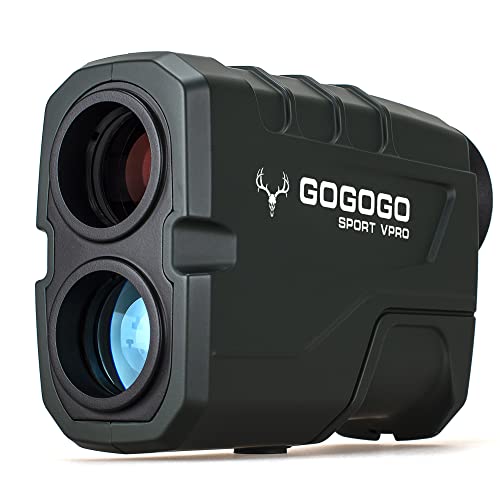
Gogogo Sport Vpro Green Hunting Rangefinder 1200 Yards

Bushnell 10x42mm Trophy XLT Binoculars

Gogogo Sport Vpro Golf Range Finder 900 Yards

Gogogo Sport Vpro Range Finder Golf/Hunting 1500/2500 Yards

Vortex Crossfire HD 10×42 Binoculars

Gogogo Sport Vpro GS24 Golf & Hunting Laser Rangefinder 1200 Yards

Gogogo Sport Vpro Rangefinder Binoculars for Hunting 8×42
Why These Options Stand Out
The Vortex Diamondback HD 10×42 sits at a comfortable middle in the lineup: glass that punches well above its price tier without the sticker shock of flagship models. Ten-power magnification paired with 42mm objective lenses gives a balanced field of view, and the HD optical system pulls honest color and contrast even during the gray half-hour after sunrise.
For hunters covering rough country on foot, the armor-coated body shrugs off branch scrapes and belt-buckle nicks in everyday use. Compared with the rangefinder-focused picks further down the list, this is a pure glassing instrument first, so you pair it with a separate rangefinder if you need distance readouts.
The Case For It
- HD optical formula reduces chromatic aberration (the colored fringing that can blur tree lines against bright skies), helping you judge a buck’s antler tines at distance.
- Fully multi-coated lenses (multiple anti-reflective coatings on every air-to-glass surface) lift low-light performance, which matters at dawn and dusk when game moves.
- Rubber-armored chassis is widely reported to hold up well in cold, wet, and rough backcountry conditions.
- 10×42 balance suits long sessions at a stand where shaking hands are a real concern.
- Compact enough to ride in a daypack without dedicated harness space.
Trade-Offs To Consider
- No built-in rangefinder, so it sits beside, not replaces, a laser unit.
- 10x magnification can feel jumpy for users with unsteady hands in cold weather.
Who Should Grab It
Stand hunters and spot-and-stalk users who want dependable glass and are happy adding a separate rangefinder when distance data matters.
Where Another Pick Suits Better
The Gogogo Sport Vpro Rangefinder Binoculars for Hunting is a stronger match for western hunters who want glass and laser readouts in a single unit.
The Gogogo Sport Vpro GS06 keeps things simple, which is exactly why first-time hunters like it. A 1200-yard measuring range covers most whitetail, hog, and tree-stand scenarios, and 6x magnification is enough to confirm what you’re ranging without losing the wide field of view.
Three shooting modes cover most bases without burying users in menu screens. It’s a rangefinder only, so glass quality is modest by Vortex standards, but for the price the value math holds up well.
What Pays Off
- 1200-yard range handles the vast majority of North American hunting distances.
- Mode switching stays quick, so you spend more time glassing and less time fiddling.
- Compact pocket-friendly body slips into a coat or bino harness pocket.
- Accessible entry point for hunters new to laser rangefinding.
Some Limits To Know
- Optical clarity is a clear step below the dedicated binocular picks on this list.
- Not a substitute for true binocular optics when extended glassing is the goal.
- Battery and menu logic are widely reported to feel basic compared with pricier units.
Built With In Mind
New hunters, bowhunters, and weekend shooters who want a capable rangefinder without a steep learning curve.
Not Your Match When
The Vortex Diamondback HD 10×42 Binoculars is a smarter pick for hunters who do most of their work glassing rather than ranging.
The Gogogo Sport Vpro Green Hunting Rangefinder leans into the hunting-specific mode set that newer hunters tend to want. A 905nm Class 1 laser (eye-safe under normal use, the same class used in most golf rangefinders) reads distance out to 1200 yards with claimed accuracy around ±1 yard.
Mode 1 displays straight-line distance, horizontal distance, and angle together, which is genuinely useful when shooting across uneven ground. Like the GS06, this is a rangefinder-only tool, so pairing it with a quality binocular for long glassing sessions is the common setup.
Standout Benefits
- Mode 1 surfaces horizontal distance and angle in one read, ideal for hillside shots.
- Class 1 eye-safe laser keeps things comfortable during long practice sessions.
- Stable 1200-yard read performance is commonly reported on reflective targets.
- Lightweight body suits hunters who carry all day.
Honest Caveats
- LCD readout is functional but harder to read in bright midday sun for some users.
- No integrated binocular optics, so range-only duty.
Right Fit For
Tree-stand and hill-country hunters who need angle-corrected distance readings without overthinking the tool.
Skip It When
The Bushnell 10x42mm Trophy XLT Binoculars is a better fit when extended glassing matters more than laser readouts.
The Bushnell 10x42mm Trophy XLT is the wet-weather workhorse in this group. A sealed, waterproof build stands up to rain, sleet, and boat spray without complaint, and the multi-coated optics stay sharp in tough light.
You won’t find a laser rangefinder tucked inside, so think of this as a dedicated binocular that pairs with any standalone rangefinder on the list. The 6.2-degree angular field of view is on the wider side, which makes tracking moving deer across a ridgeline easier.
The Value In It
- Fully waterproof and fog-proof chassis survives real backcountry weather.
- Wide angular field of view helps track movement across open terrain.
- Long-standing Bushnell reputation for durable hunting optics.
- Versatile across hunting, birding, and travel spotting duties.
Potential Drawbacks
- No built-in laser ranging, so it complements rather than replaces a rangefinder.
- Bulkier than ultralight 10×25 setups for users prioritizing pack weight.
Key Advantages
Best Suited To
Whitetail, waterfowl, and backcountry hunters who face variable weather and want a no-fuss binocular that lasts.
A Better Fit Elsewhere
The Gogogo Sport Vpro Range Finder Golf/Hunting 1500/2500 Yards works better for hunters who want laser readouts baked into a single device.
The Gogogo Sport Vpro Golf Range Finder is built for the dual-threat crowd: people who golf on Saturday and head into the woods on Sunday. The 900-yard range reads shorter than dedicated hunting units, but it covers the typical fairway and most hunting distances without missing a beat.
The pin lock vibration, slope toggle, and magnetic cart mount make it genuinely useful on the course. The hunting angle is honest, with 6x magnification, an HD LCD, and a rechargeable battery that lasts through long weekends.
Everyday Wins
- Pin lock with vibration feedback confirms you’ve hit the flag rather than the tree behind it.
- Slope switch toggles legal tournament mode, a real perk for league play.
- Magnetic stripe holds the unit to a cart frame for hands-free storage.
- USB-C rechargeable battery cuts down on disposable cells over the season.
Things To Weigh Up
- 900-yard ceiling feels short for wide-open western hunting.
- Not a binocular, so glassing distance is limited.
- Hunting is supported but not the headline use case.
Who It Suits Best
Hybrid outdoor users who want one tool for golf and hunting, especially where 6x magnification is enough.
Look Elsewhere When
The Gogogo Sport Vpro Range Finder Golf/Hunting 1500/2500 Yards is the better pick for open-country hunters who need longer reach.
The Gogogo Sport Vpro Range Finder Golf/Hunting stretches its legs where open-country hunting lives. The headline spec is the 1500-yard measuring range with ±0.5 yard accuracy (claimed) and 0.38-second read times, which matters when a buck is moving and you don’t have time to wait.
Slope switch, flag lock, 7x magnification, and adjustable diopter (the focus ring that matches the optic to your eye prescription) round out a generous feature set. It’s larger in the hand than the 900-yard model, which is a fair trade for the extra reach.
A Few Strong Suits
- 1500-yard ceiling handles wide plains, pronghorn draws, and long-range set-ups.
- Flag lock technology helps the unit ignore background clutter when ranging pins.
- 7x magnification delivers a noticeably bigger image than 6x units.
- Slope mode toggle stays legal-friendly for tournament play.
Worth Bearing In Mind
- Bigger body than simpler rangefinders, less pocket-friendly on long walks.
- Higher spec count means more menu learning on day one.
Everyday Advantages
Who Will Love This
Western big-game hunters, open-country stalkers, and golfers who want long reach without stepping into premium-priced optics.
Consider Something Else When
The Vortex Diamondback HD 10×42 Binoculars is the smarter grab for hunters who glass far more than they range.
The Vortex Crossfire HD 10×42 is the more accessible cousin of the Diamondback HD on this list. You still get HD optical correction and full multi-coating, but the chassis and accessories trim back to hit a friendlier price point. For most hunters, the image quality gap between Crossfire and Diamondback HD is smaller than the price gap.
Like the Diamondback HD, this is a pure binocular with no built-in laser, so it pairs naturally with any standalone rangefinder. The included GlassPak harness is a real perk if you want quick optic deployment without buying a separate strap.
Why It Works Well
- HD glass and full multi-coating at a notably lower price than premium Vortex lines.
- GlassPak harness is included, so the rig is ready to wear out of the box.
- 10×42 format is the trusted sweet spot for eastern and midwestern whitetail hunts.
- Vortex warranty support is widely reported as responsive and stress-free.
Where It Is Less Suited
- Optical refinement is a step behind the Diamondback HD on this list.
- No integrated laser ranging means a second tool for distance work.
Perfect Match For
Hunters who want proven Vortex optics, a wearable harness, and a sensible spend.
Swap It Out When
The Gogogo Sport Vpro Rangefinder Binoculars for Hunting is the better pick when you want glass and ranging in one body.
The Gogogo Sport Vpro GS24 is the most versatile rangefinder in the Gogogo lineup reviewed here. It carries slope, continuous range readings, and ARC (angle range compensation), which is the math that adjusts distance for uphill or downhill shots. The 1200-yard range and 6x magnification keep things in a familiar hunting-friendly pocket.
For hunters, the value proposition is doing the work of two tools in a compact rangefinder body. It’s noticeably more capable in the menu department than the GS06, which is worth weighing if menus tend to slow you down.
What Makes Sense
- ARC compensation gives adjusted distance for angled shots, useful on uneven ground.
- Continuous range readings help track a moving target.
- Slope toggle keeps the unit flexible for golf or hunting use.
- Compact body fits a hunting coat pocket or cart mount.
Practical Considerations
- More menu layers than simpler picks, so a learning curve is real.
- No binocular optics; glassing still requires a separate binocular.
Whose Shelf It Belongs On
Multi-discipline outdoors users who want slope, ARC, and hunting modes in a single rangefinder without going to premium pricing.
Another Choice May Suit
The Bushnell 10x42mm Trophy XLT Binoculars is the better pick if extended glassing outweighs range detail in your setup.
The Gogogo Sport Vpro Rangefinder Binoculars merges glass and laser into one rig, which is exactly what spot-and-stalk hunters keep asking for. 8x magnification with 42mm objectives feels natural in the hand, and the fully multi-coated optics hold their own for daylight glassing on the move.
The integrated laser ranges out to 1500 or 2500 yards depending on the configuration, so western hunters running longer shots can stay in one tool. The trade-off is weight and balance: this unit is heftier than the standalone binocular picks, which matters on long days.
Everyday Perks
- Single-unit glass-and-range design removes the juggling act of two tools.
- 8×42 format keeps the image stable for hunters prone to hand tremor.
- Fully multi-coated lenses support clear viewing in flat, overcast light.
- Strong reach for open-country and ridge-line hunting.
Details To Watch
- Heavier than dedicated 10×42 binoculars like the Vortex Diamondback HD.
- Laser feature list reads shorter than dedicated rangefinders in the same brand family.
What Helps Most
Made For
Western spot-and-stalk hunters who want glass and laser readings without carrying a second device.
Reach For A Different Pick When
The Gogogo Sport Vpro GS24 Golf & Hunting Laser Rangefinder 1200 Yards is a better fit if you prefer a lighter, rangefinder-only setup with deeper menu options.
Field-Tested Factors For Choosing Hunting Binoculars With Rangefinder
Magnification And Objective Lens Trade-Offs
The 10×42 format, which pairs 10x magnification with a 42mm front lens, is the most popular hunting size because it balances reach with image stability. Higher magnification reveals more detail but magnifies hand shake, so 8x units stay friendlier for users who glass for long stretches. Objective lens diameter (the front glass size) drives how much light reaches your eye in low light, and 42mm is a sensible all-day compromise.
Rangefinder Range, Accuracy, And Slope
A 1000-yard rated unit covers almost every eastern and midwestern shot you’ll take, while open-country hunters benefit from 1500-yard or longer reach. Accuracy ratings around ±1 yard are typical and adequate for most ethical shooting. Slope adjustment is the feature that adjusts distance for uphill or downhill shots; it’s useful in hill country, but many tournaments and some hunting regulations require it to be toggleable.
Build Quality, Weather Sealing, And Ergonomics
Waterproof and fog-proof construction (nitrogen- or argon-purged, meaning the internals are sealed against moisture) keeps glass clear when weather shifts mid-hunt. Rubber-armored bodies absorb branch scrapes and accidental drops. Weight matters more than most specs suggest, because heavier optics cut into glassing time, and tired arms miss details a steady pair would catch.
Key Considerations Across These Picks
Where Shoppers Go Wrong
The most common slip is buying high magnification without considering hand stability, which leaves users frustrated when 12x glass turns every breath into wobble. Another trap is paying for features you’ll never use, like slope modes on flat prairie ground, or laser units without thinking through whether a separate binocular would serve better.
When Paying More Pays Off
Premium tiers earn their keep through better low-light glass, sturdier chassis, and longer-range accuracy. For western hunters who range across canyons, those gains translate directly into more confident shots and longer glassing sessions. For weekend whitetail hunters on tight budgets, the mid-tier picks on this list cover the same job without the stretch.