
A frozen truck stop at 4 a.m. sets the tone: if your outer shell isn’t right, the rest of the day falls apart. Hunters chasing waterfowl at dawn, upland walkers covering brushy miles, and parents getting kids ready for opening weekend all need gear that handles cold, wet, and rough brush without weighing them down. This roundup pulls together seven coats and vests built for those exact moments, from serious wader jackets to kid-ready insulators, so you can match the layer to the hunt.
The Leading Options At A Glance

Beretta Dive Insulator Waterfowl Jacket

BERETTA Suprema 3L Waterfowl Wader Jacket

Carhartt Boys Insulated Jacket

Carhartt Washed Duck Bartlett Jacket

Carhartt Washed Duck Active Jac
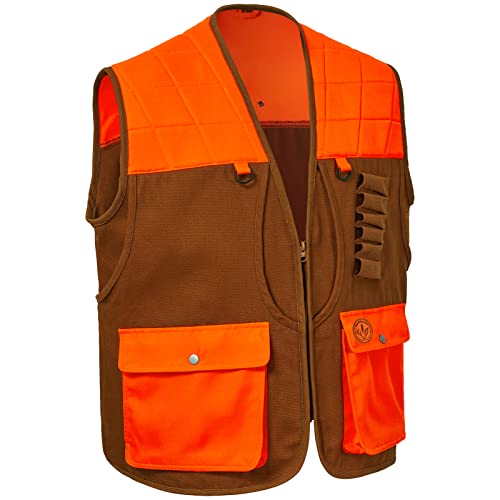
BASSDASH Upland Field Hunting Vest FV11

BASSDASH Upland Bird Hunting Vest Rip-Stop
What Each Pick Brings To The Table
Beretta’s Dive Insulator slots in as a middleweight piece for hunters who sit in cold blinds but don’t need a full shell. The water-repellent outer handles light rain and morning frost without trapping heat against your body, which matters on long static sits where a fully taped jacket can leave you clammy.
Compared to the heavier Suprema 3L covered next, this one reads more like a layering insulator than a stand-alone rain jacket. It shines when paired with waders and a base layer for active hunters who move between the truck, the blind, and the decoys without overheating.
Real Benefits
- Water-repellent finish sheds light precipitation and snow flurries during slow blinds.
- Insulator-style build keeps bulk low so you stay nimble while loading gear into the truck.
- Designed for waterfowl use, so the cut leaves room for chest waders and shotgun movement.
- Light enough to pack as a backup layer if conditions warm up mid-morning.
Trade Offs
- Not a fully taped waterproof shell, so driving rain over hours will eventually soak through.
- Color selection on the listing shows limited availability depending on size run.
- May run warm above freezing, especially during hike-ins to remote marshes.
Made For
Duck hunters who already own quality waders and want a versatile insulator to layer over a mid-weight top.
Skip It When
The BERETTA Suprema 3L Waterfowl Wader Jacket is a better call if you hunt in sustained downpours or coastal marshes where fully waterproof shells matter more than insulation weight.
The Suprema 3L is Beretta’s flagship waterfowl shell, built around the brand’s BWB EVO membrane, a three-layer waterproof fabric that also breathes to release sweat. A “membrane” here means a thin waterproof layer bonded inside the fabric, so rain stays out while perspiration vapor escapes outward.
This is the right jacket for hunters who walk into flooded timber before dawn and stay planted through sideways rain. The 3L construction adds weight compared to the Dive Insulator, but you trade that for full waterproofing and serious durability against brush, cattails, and boat edges.
Key Advantages
- Three-layer BWB EVO membrane blocks rain while allowing internal moisture to vent.
- Built specifically for pairing with waders, so hem length won’t ride up during deep wading.
- Engineered for serious waterfowl exposure, including long sits in freezing rain.
- Robust outer face resists abrasion from cattails, decoy lines, and boat gunwales.
Worth Noting
- Heavier and stiffer than the Dive Insulator, so layering underneath takes more thought.
- Premium construction typically comes with a higher price tag than casual hunting shells.
- Color options may be limited to traditional waterfowl camo palettes.
Key Specs
Whose Shelf It Belongs On
Dedicated waterfowl hunters who chase birds in foul weather and want a long-term, fully waterproof shell to anchor their kit.
Where Another Pick Suits Better
The Beretta Dive Insulator Waterfowl Jacket makes more sense for hunters on a tighter budget or those who only face light precipitation on most outings.
The Carhartt Boys Insulated Jacket is a scaled-down take on the brand’s classic Active Jac silhouette, the same shape adults have worn on ranches and jobsites for decades. The soft lining feels broken-in from day one, which matters when getting a reluctant kid out the door before sunrise.
It works well as a first “real” cold-weather coat for kids who tag along on hunts, help with chores, or just spend long afternoons outside. The canvas-feel outer handles playground abrasion and barn duty without falling apart by the end of the season.
The Good Stuff
- Pre-softened feel means no break-in period for picky kids.
- Insulated build handles frosty mornings on the farm or in the blind.
- Durable outer stands up to fence posts, hay bales, and dirt bikes.
- Carhartt styling mirrors adult versions, which kids often appreciate.
Honest Caveats
- Sizing can run large, so check the size chart before assuming a hand-me-down fit.
- Listing shows limited availability at certain times, so popular sizes sell out fast.
- Not a technical hunting shell, so it’s better as a general cold-weather coat than as primary waterfowl outerwear.
Best Suited To
Parents building out a young hunter’s or helper’s cold-weather kit with one durable everyday jacket.
Look Elsewhere When
The Carhartt Washed Duck Active Jac suits older kids and teens who need a more grown-up cut and heavier insulation for serious cold.
The Bartlett brings sherpa lining to Carhartt’s washed duck canvas, a heavyweight cotton fabric softened through a pre-washing process. The result feels lived-in from the first wear yet still shrugs off brush, fence wire, and feed scoops. An attached hood adds warmth without forcing you to remember a separate beanie.
It’s not a hunting-specific piece, but it covers the gray zone between work and field: cold mornings at the truck, long days feeding livestock, and evenings glassing the back forty. Compared to the Active Jac reviewed next, the Bartlett leans more toward warmth and less toward active mobility.
Practical Advantages
- Sherpa lining delivers noticeable warmth on still, bitter-cold mornings.
- Cordura-reinforced zones (a tough nylon blend used in workwear) extend jacket life in high-wear spots.
- Washed duck canvas feels softer than raw duck while keeping heavy-duty durability.
- Attached hood saves space in your gear bag and stays put during windy setups.
Points To Keep In Mind
- Heavier than the Active Jac, so it can feel bulky during long walks.
- Not fully waterproof, meaning prolonged wet snow will eventually soak the canvas.
- Available primarily in big-and-tall sizing on this listing, which limits fit options.
Feature Snapshot
The Right Fit
Taller hunters and ranchers who want a sherpa-lined workhorse that doubles as a stationary hunting layer on cold mornings.
Not Your Match When
The Carhartt Washed Duck Active Jac is a smarter pick if you cover more ground and prefer a lighter, more mobile shell.
The Active Jac is Carhartt’s most recognized silhouette, and the washed duck version softens the brand’s classic 12-ounce ringspun cotton duck (a heavy, tightly woven cotton fabric) without losing its hard-wearing reputation. Featherless insulation delivers warmth without down clusters, which means the jacket still insulates when it gets damp.
Taffeta lining slides easily over base layers, so you’re not wrestling the coat on with frozen fingers. For hunters who split time between jobsite, truck, and field, it’s the kind of jacket you grab by default from October through March.
A Favorable Mix
- 80g 3M Thinsulate featherless insulation keeps weight low while holding warmth.
- 12-ounce ringspun cotton duck handles years of heavy use.
- Taffeta lining makes the jacket easy to slip on over sweaters or hoodies.
- Washed finish softens the fabric so it doesn’t feel stiff out of the package.
Where It May Fall Short
- Not designed as a waterproof shell, so dedicated rain protection is still needed.
- Heavier than synthetic rain jackets, which matters on long hike-ins.
- XX-Large Tall is the listed size, so standard-fit shoppers should check other Carhartt listings.
At A Glance
Who It Suits Best
Hunters who also work outdoors and want one jacket that crosses between the cab, the jobsite, and the lease.
Consider Something Else When
The BERETTA Suprema 3L Waterfowl Wader Jacket is the better tool for dedicated waterfowl hunters in serious rain.
The BASSDASH FV11 is built around the realities of upland hunting: a layout of pockets sized for choke tubes, GPS collars, bird bags, and extra shells, all arranged so you don’t dig around mid-walk. Water-resistant construction handles morning dew in tall grass and light pop-up showers.
Unlike the heavier jackets above, this vest depends on layering underneath for warmth, which suits upland hunters who cover miles and overheat easily. The cut is sized for both men and women, so couples heading out together can match kit without separate shopping trips.
Useful Touches
- Multiple pockets sized for upland essentials, so gear stays organized on the move.
- Water-resistant shell shrugs off morning dew and light rain in cover.
- Unisex sizing simplifies shopping for mixed groups or couples.
- Light build encourages mobility across rough terrain and CRP edges.
Smaller Limitations
- No insulation built in, so cold-weather hunts require strategic layering underneath.
- Limited color visibility on some listings, so check the color dropdown before ordering.
- Best for upland rather than waterfowl, since it lacks wader-friendly length.
Who Should Grab It
Upland bird hunters who walk miles of cover and need quick access to shells, birds, and small tools.
Another Choice May Suit
The BASSDASH Upland Bird Hunting Vest Rip-Stop is a stronger pick if you push through heavy brush where snag resistance matters most.
This second BASSDASH entry swaps the FV11’s standard shell for rip-stop fabric, a woven material with reinforcement threads that stop small tears from spreading across the panel. The pocket layout stays organized, and the water-resistant finish continues to handle damp grass and brush.
Where the FV11 focuses on general upland use, this one tilts toward thick cover: plum thickets, buck brush, and overgrown field edges where a stray branch can shred a basic vest in a season. It’s still a layering piece, so build your warmth underneath based on the forecast.
What Makes Sense
- Rip-stop construction prevents small punctures from turning into jacket-ruining tears.
- Multi-pocket layout keeps shells, birds, and tools sorted during fast walking.
- Water-resistant shell protects gear from dew and light rain in morning cover.
- Unisex cut works for a wide range of body types.
Possible Compromises
- No built-in insulation, so temperature control depends entirely on base layers.
- Limited color visibility on listings means checking options before you commit.
- Heavier brush adds wear to zippers and pocket edges over time, so rinse it off after thorny days.
Quick Facts
Perfect Match For
Upland hunters who push through thick brush often enough that snag resistance matters more than pure weight savings.
Reach For A Different Pick When
The BASSDASH FV11 is the easier everyday choice if you mostly walk clean field edges and want a lighter shell.
What Matters Most Before Choosing Hunting Coats
A hunting coat has to do three jobs at once: trap heat, block wind and water, and stay out of your way when you mount, draw, or shoulder a gun. Get any one wrong and the whole system falls apart.
Match the coat to the pursuit. Waterfowl hunters need waterproof shells that pair with waders, while upland walkers benefit more from breathable vests with smart pocket layouts. Pick the wrong tool and you’ll either overheat or freeze within the first hour.
Layering matters more than any single piece. A versatile insulator like the Beretta Dive Insulator only works if your base and mid layers pull their weight. Build from the skin out, then choose the outer shell that completes the system.
Durability varies by terrain. Cattails and boat edges punish fabric differently than buck brush and plum thickets. Rip-stop and Cordura-reinforced panels earn their keep in heavy cover, while smooth shells stay lighter for open-field hunting.
Fit affects function. A coat that binds at the shoulders throws off shotgun mounts and bow draws. Try on with the layers you actually plan to wear underneath, not just a t-shirt.
Smart Considerations Across These Picks
Where Shoppers Go Wrong
The most common slip-up is buying a workwear jacket expecting it to perform like a technical hunting shell. Canvas duck handles abrasion beautifully, but it eventually soaks through in heavy rain. Match the garment to the worst weather you actually face, not the average day.
Another trap is choosing by brand recognition alone. A premium Beretta shell is wasted on a casual grouse walk, just like a basic work jacket will leave a dedicated duck hunter soaked by noon. Match the gear to the days you hunt most, then add specialty pieces as the season demands.
When Paying More Pays Off
Higher-tier coats justify their cost through better membranes, taped seams, and reinforced stress points. For hunters who spend forty-plus days a season in wet blinds or rough cover, those upgrades save money in the long run by outlasting two or three budget replacements. Casual hunters who only face moderate weather often do fine with mid-range options and can put the savings toward better optics or ammunition.
Frequently Asked Questions
How do I know if I need a waterproof shell or just water-resistant?
If you regularly sit through hours of rain or hunt in coastal marshes, a fully waterproof taped shell pays for itself. For light dew, brief showers, or active hunts where you generate body heat, water-resistant construction with smart layering often feels more comfortable.
What’s the difference between an insulator and a full hunting jacket?
An insulator adds warmth without full weather protection and works best as a mid-layer or for mild conditions. A full hunting jacket combines weatherproofing, insulation, and feature layout in one piece for serious exposure.
Can I use a work jacket for hunting?
Work jackets handle brush, cold, and rough use extremely well, but most lack the cut, pocket layout, and quiet fabrics that hunters prefer. They shine as everyday cold-weather coats and as stationary layers in the blind.
How should a hunting coat fit?
You want enough room to swing a shotgun or draw a bow without binding, but not so much room that cold air fills the jacket. Try the coat on over the base and mid layers you plan to wear in the field.
Do I need a vest if I already own a jacket?
A vest shines on active upland hunts where you’d overheat in a full jacket but still want shell loops and game pockets. Many hunters keep both a jacket and a vest in their kit, choosing based on weather and pace.