
Most hunters who spend real time on the ground know the knee story: kneeling to glass a ridge, dropping to a crawl in tall grass, bracing through a long sit in a layout blind. Knees take a beating, and ordinary hunting pants rarely cushion the impact. The right pair, with proper knee protection either built in or paired with compatible pads, turns a painful day into a productive one. This lineup mixes purpose-built pant-and-pad systems with standalone pads for shoppers who already own pants they trust. Think of it as a starting point for matching your terrain, season, and stalking style.
A Quick View Of The Lineup

SITKA Gear Dakota Pant

SITKA Gear Equinox Guard Lightweight Hunting Pants

SITKA Gear Mountain Pant

TBMPOY Waterproof Fleece-Lined Snow Pants

McGuire-Nicholas Tuff Shell Knee Pads
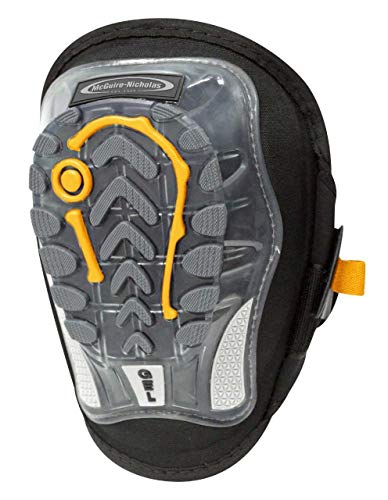
McGuire-Nicholas Gel Stabilizer Knee Pads

McGuire-Nicholas Gel Lite Flooring Pro Knee Pads
More On The Choices That Made The List
Built for the wet, muddy reality of marsh hunting, the Dakota Pant leans into a layered approach. Wear it solo during the early fall flight, then stack it over a base layer once the freeze hits. The fabric profile supports external knee pad insertion, which is the real story for anyone glassing from a layout blind for hours on end.
Waterfowlers chasing late-season birds in flooded corn or timber draws benefit most. Compared to the Equinox Guard below, this one trades airflow for warmth and weather sealing.
Points In Its Favor
- Layer-friendly design stretches from mid-fall into deep winter
- Compatible with external knee pad inserts for long sits
- Durable enough to handle thick brush and reed abrasion
- Outer-shell toughness resists wear from waders and decoys
Things To Consider
- Heavier fabric may run warm during active early-season stalks
- Knee pads are not included, adding to total cost
Right Fit For
Duck and goose hunters working cold, wet terrain who sit for long stretches and need layered warmth with room for protective knee inserts.
Reach For A Different Pick When
Warm-weather bowhunters should grab the SITKA Gear Equinox Guard Lightweight Hunting Pants instead for better airflow.
The Equinox Guard is engineered around heat management, which is why it earns a spot on a knee-pad-focused list. A moisture-wicking fabric keeps sweat moving off the skin, while zippered leg vents open up when you’re pushing through a spot-and-stalk on a hot September afternoon. Zip them closed when the wind picks up and you need extra coverage.
For archery hunters covering ground in southern or mid-latitude climates, the ventilation setup is a real quality-of-life upgrade. Unlike the Mountain Pant reviewed later, this pair is cut for active movement rather than static insulation.
Advantages To Know
- Zippered vents allow quick temperature control on the move
- Lightweight weave reduces fatigue over long hikes
- Moisture-wicking finish pulls perspiration away from skin
Trade Offs
- Minimal insulation, so cold mornings call for base layers
- Thinner fabric may snag in dense blackberry or rose thickets
- Does not include integrated knee protection
Feature Snapshot
Whose Shelf It Belongs On
Early-season archery hunters covering warm-weather terrain who need breathability and quick heat dumps during active glassing sessions.
Swap It Out When
Hunters facing sub-freezing temps or wet marsh conditions should pick the SITKA Gear Dakota Pant for heavier insulation.
Cut for the punishment of steep terrain, the Mountain Pant brings a tough, abrasion-resistant build designed for high-country stalks. The fabric profile handles scree fields, sharp volcanic rock, and the constant knee-down rest a hunter takes while picking a route across a ridge.
Western elk and mule deer hunters gain the most here. Compared to the lighter Equinox Guard, this pant trades ventilation for rugged construction that survives brush and shale.
Where It Excels
- Tough outer face resists tearing on rocky terrain
- Reinforced construction handles pack belt friction on long climbs
- Built for cold, variable high-elevation weather
Small Caveats
- Heavier weight than warm-weather options
- Current listing shows limited availability at many retailers
- Knee pads sold separately
Best Suited To
Backcountry big-game hunters working steep, rocky terrain where durability and weather resistance matter more than weight savings.
Skip It When
Budget-focused shoppers will get more value from the TBMPOY Waterproof Fleece-Lined Snow Pants for stationary winter setups.
Pulling double duty across skiing, ice fishing, and cold-weather hunting, the TBMPOY snow pant delivers waterproofing and fleece lining at a wallet-friendly tier. The included belt keeps the fit dialed, and the soft-shell exterior sheds snow and slush during long sits on a frozen lake.
Stationary hunters on a budget gain the most: anyone set up on a bucket or sled who values warmth over camouflage pattern. The fabric differs noticeably from the camo-specific builds earlier in the list.
Well-Handled Touches
- Waterproof shell blocks wind-driven snow and freezing rain
- Fleece lining traps body heat during motionless waits
- Adjustable belt included for a customizable fit
Points To Note
- Solid colors, not camo, which limits visual concealment
- No integrated knee pad pockets for impact protection
- Bulkier cut reduces mobility on active stalks
Who It Suits Best
Cold-climate hunters on a budget who set up on stationary sits and want waterproof warmth more than stealth patterning.
Not Your Match When
Hunters who need camo concealment should consider the SITKA Gear Dakota Pant instead.
Stepping away from pants and into pads, the Tuff Shell leans into high-density EVA foam, a lightweight cushioning material often used in work boots, paired with a hard outer cap. The combination handles sharp rocks, gravel, and frozen ground without bottoming out. Owners commonly report the strap hardware holding up season after season.
Hunters who already own a favorite pair of pants and just need insertable protection get strong value here. Compared to the Gel Stabilizer below, this one prioritizes impact resistance over plush comfort.
The Upside
- Hard shell cap resists puncture from sharp stones
- EVA foam keeps the pads light enough for all-day wear
- Adjustable strap system fits a wide range of pant legs
Practical Considerations
- Hard outer may feel stiff during low-impact kneeling
- Designed primarily for work, not camo concealment
At A Glance
Made For
Hunters crawling across rocky or frozen terrain who need maximum impact protection rather than a soft comfort pad.
Where Another Pick Suits Better
Glassers who kneel for long quiet sits should consider the McGuire-Nicholas Gel Stabilizer Knee Pads for cushioned comfort.
Where the Tuff Shell focuses on impact, the Gel Stabilizer trades some hardness for plush gel-foam cushioning. The interior gel layer molds slightly to the kneecap, which helps during long observation sits where the knee never leaves the ground. A duck-bill cap design, meaning the front of the pad tapers to reduce shin pressure, keeps weight distributed evenly.
Spot-and-stalk hunters and dedicated glassers benefit most. Unlike the Tuff Shell, this one sacrifices a hard outer for sustained comfort.
What Earns Its Place
- Gel-foam interior conforms to knee shape over time
- Duck-bill cap reduces shin fatigue on extended kneeling
- Non-skid surface maintains grip on smooth wet rock
Worth Bearing In Mind
- Less puncture resistance than hard-shell alternatives
- Bulkier profile may shift during fast-paced movement
Perfect Match For
Still hunters and long-range shooters who spend extended glassing sessions on their knees and want pressure-distributed comfort.
A Better Fit Elsewhere
Hunters crawling over jagged rocks will find tougher protection in the McGuire-Nicholas Tuff Shell Knee Pads.
The Gel Lite rounds out the pad trio with a tougher nylon shell and adjustable straps that fit a wide range of pant legs. Gel cushioning softens the kneel, while the streamlined profile keeps the pads from catching on brush or pack straps. They are aimed at users who need reliable protection without the bulk of a heavy-duty cap.
Versatility is the draw: hunters who split time between treestand setups and ground work get a pad that transitions easily. The fabric shell differs from the hard cap of the Tuff Shell reviewed earlier.
What Works In Its Favor
- Nylon shell balances durability with low weight
- Gel padding softens impact on hard ground
- Adjustable straps accommodate layering changes
Honest Caveats
- No hard cap, so sharp rocks may transmit pressure
- Industrial styling lacks hunting-specific color options
Quick Facts
Who Should Grab It
Multi-purpose hunters who want a comfortable, lightweight pad for varied terrain without committing to a hard-shell build.
Look Elsewhere When
Hunters working consistently over sharp volcanic rock or broken scree will want the harder McGuire-Nicholas Tuff Shell Knee Pads.
Matching Pants And Pads To The Way You Hunt
Knee protection lives at the intersection of pants and pads, so the right combo depends on your hunting style. Active stalkers need lightweight, breathable pants that move with the body, while stationary hunters in blinds benefit from heavier insulated builds that trap warmth during motionless sits. Think about how often you kneel versus how often you walk, because that balance drives most of the decision.
Knee pad integration is the second consideration. Some hunting pants include dedicated pad pockets or slots sized for aftermarket inserts, while others rely on a strap-on pad worn over or under the pant leg. Measure your knee circumference if you plan to strap pads over pants, since bulky winter layers change the fit considerably.
Season and climate shape material choices. Waterproof shells matter in snow and rain, while venting and moisture-wicking fabrics handle sweat during high-output pursuits. A waterproof breathable membrane is fabric treated to block water while letting perspiration vapor escape, useful for hunters who push hard in damp conditions. Match the pants to the season first, then layer pads into the system.
Key Considerations Across These Picks
Common Buying Slip Ups
Shoppers often buy pants sized for street wear and forget to account for layered base garments underneath. Knee pad buyers also underestimate strap slippage, which tends to happen when pads are too loose or too tight. Always size pants with the base layers you plan to hunt in, and test strap tension before committing to a long day in the field.
When Paying More Pays Off
Higher-tier hunting pants typically bring reinforced seams, articulated knees (patterned fabric joints that bend naturally with the leg), and better fabric treatments. That construction translates to longer service life and more comfort during multi-day trips. For hunters who log dozens of days a season, the upgrade math tends to favor premium builds; casual hunters who hunt a handful of weekends will find mid-tier options deliver solid value.
Frequently Asked Questions
Do hunting pants come with built-in knee pads?
Most hunting pants do not include pads by default. They usually feature pockets or slots designed to accept aftermarket inserts, sold separately. Always check the product description before assuming protection is included.
Can I wear work knee pads for hunting?
Work-grade pads like the McGuire-Nicholas line work well for hunting, especially on rugged terrain. The trade-off is color and stealth, since most work pads come in solid industrial shades rather than camo patterns.
What thickness knee pad works best for hunting?
Mid-thickness pads in the 1 to 1.5 cm range balance cushioning and mobility. Thicker pads suit long stationary sits, while thinner pads favor active stalkers who need freedom of movement.
Are fleece-lined pants warm enough for static winter hunts?
Fleece-lined waterproof pants handle stationary cold-weather hunting reasonably well in moderate conditions. Sub-zero temperatures or extended still-hunting usually call for additional insulating base layers underneath.
How do I clean hunting pants with knee pads?
Remove pads before washing, then follow the garment care label. Most technical hunting fabrics do best with cold-water washes and air drying to preserve water-repellent coatings.