
A cold morning in the stand can ruin a hunt faster than a missed shot. Frostbitten fingers fumble with safety clasps, and bulky liners make trigger feel mushy. The right pair of insulated hunting gloves keeps your hands warm, your grip confident, and your camouflage pattern working when the temperature drops.
A Fast Comparison Of The Options

QuikCamo Mossy Oak & Realtree 3D Leafy Touchscreen Hunting Gloves
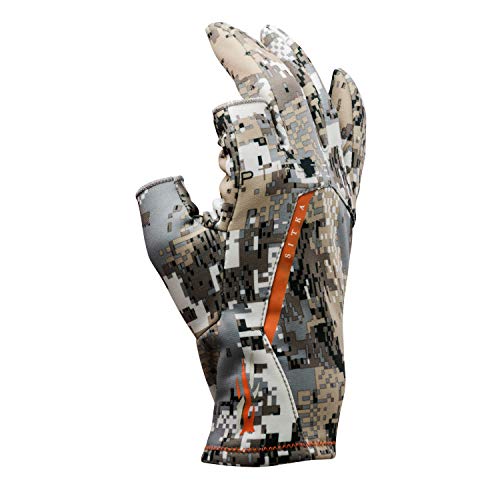
Sitka Fanatic Whitetail Camo Hunting Gloves

BASSDASH Insulated Mittens Winter Camo Hunting Gloves HG04M

First Lite Rugged Wool Half Finger Glove

toolant Winter Leather Work Gloves 3M Thinsulate

toolant Winter Insulated Leather Work Gloves Ribbed Cuff

toolant Upgraded Waterproof Winter Work Glove 3M Lining
A Deeper Look At The Lineup
The QuikCamo gloves earn their place as a mobility-first option. The leafy 3D shell breaks up your silhouette in hardwood cover, and the lightweight stretch knit fits like a second sleeve rather than a mitten. That matters on long stalks where heavier gloves fatigue your forearms.
Compared with the Sitka Fanatic reviewed next, these run thinner and breathe better, which makes them a smarter fit for active pursuits and warmer early-season conditions. The non-slip palm patches help you keep a confident hold on a rifle stock or rangefinder without that rubbery, sweaty feel.
Strong Points
- Stretch-knit construction moves naturally with your fingers, reducing fatigue during active stalks.
- 3D leafy camouflage breaks up hand shape against bark and dry brush.
- Touchscreen-compatible fingertips let you check a phone or GPS without stripping the gloves.
- Non-slip palm patches improve grip on slick polymer and glass surfaces.
- Low bulk fits easily inside jacket cuffs or pocket pockets.
Worth Noting
- Lightweight design offers minimal insulation, so hands chill fast in single-digit temperatures.
- Leaves and silicone patches may collect burrs and lint in brush, requiring frequent brushing.
- Snug fit can feel restrictive for hunters with broader hands.
At A Glance
Who Should Grab It
Still-hunters and stalkers moving through early-season woods who want camouflage and dexterity without insulation bulk.
Reach For A Different Pick When
Whitetail hunters glassing from a tree stand in deep cold should consider the Sitka Fanatic for a warmer, pattern-matched option.
The Sitka Fanatic fits a specific niche: late-season whitetail hunters who spend hours motionless in a stand. The pattern matches Sitka’s broader whitetail system, which keeps your hands from clashing with your jacket and bibs when a buck finally steps out.
Compared with the QuikCamo, this pair trades breathable mesh for a denser shell that holds more warmth during glassing. The trade-off is reduced airflow, which can leave palms clammy on hikes to the stand.
Key Advantages
- Whitetail-specific camo pattern pairs with Sitka layering systems.
- Insulated build keeps hands warmer in cold tree-stand sessions.
- Tailored fit reduces fabric bunching under jacket cuffs.
Trade Offs
- Denser construction can run warm during active movement to the stand.
- Limited pattern versatility outside whitetail environments.
- Premium fit usually comes at a tighter budget than entry-level gloves.
Made For
Whitetail hunters anchored in tree stands or box blinds who want camouflage and warmth to match their existing Sitka kit.
Look Elsewhere When
Hunters chasing elk or mule deer in open country should reach for the BASSDASH insulated mittens, which offer mitten-grade warmth.
Mittens trap warmth better than fingered gloves, and the BASSDASH HG04M leans into that physics for sub-zero glassing. The water-resistant shell shrugs off light snow and frost, and the camo pattern works across mixed terrain.
Where the Sitka Fanatic favors single-hand dexterity for trigger work, this mitten sacrifices finger mobility for thermal performance. Many owners stash a thin liner glove underneath for brief shots, then pull the mitten back on while still-hunting.
Real-World Strengths
- Mitten design retains heat more efficiently than fingered gloves in deep cold.
- Water-resistant outer repels frost and light snow accumulation.
- Camo pattern blends into hardwood and conifer settings.
- Roomy interior accommodates thin liner layers for adjustable warmth.
Points To Keep In Mind
- Mittens reduce finger dexterity, so trigger control takes planning.
- Bulky build can snag on rifle slings and pack straps in tight cover.
Quick Facts
Best Suited To
Predator hunters, glassers, and still-hunters working single-digit temperatures where finger warmth outranks fine trigger feel.
Not Your Match When
Run-and-gun whitetail hunters who need full trigger dexterity should consider the First Lite half-finger glove reviewed below.
The First Lite half-finger glove solves a problem most winter gloves ignore. Exposed fingertips give you real trigger feel, while the merino wool body keeps the rest of your hand warm. The 85% merino blend absorbs light rather than reflecting it, which helps with concealment in late-season light.
Set against the QuikCamo’s full-coverage stretch, this glove trades palm warmth for fingertip precision. The silicone palm print grips a stock well, and the natural wool odor resistance is a quiet bonus for hunters who sweat on long climbs.
What Makes Sense
- Merino wool naturally resists odor over multi-day hunts.
- Half-finger design preserves trigger and bolt-action dexterity.
- Silicone palm pattern improves grip on rifles and binoculars.
- Dark, light-absorbing knit minimizes hand glare in low light.
Honest Caveats
- Exposed fingertips lose heat fast below freezing.
- Wool knit absorbs water, so wet snow can soak the gloves.
- Half-finger cut limits use in true midwinter conditions.
Feature Snapshot
Whose Shelf It Belongs On
Shooters and rifle hunters who need reliable trigger control in cool to cold weather without giving up hand warmth entirely.
Skip It When
Hunters facing deep sub-zero temperatures should consider the BASSDASH mittens for serious thermal protection.
toolant’s leather work gloves land in a different lane: chores, property work, and rugged outdoor tasks. The 3M Thinsulate liner delivers reliable warmth without the bulk of traditional insulation, and the leather shell stands up to firewood, fencing, and tool handles.
Compared with the hunting-focused picks above, these lack dedicated camouflage, so they read as work gloves rather than field gloves. For hunters who also split wood, run ATV winches, or maintain blinds, that versatility is the point.
Useful Strengths
- 3M Thinsulate insulation traps warmth while keeping the profile thin.
- Leather palm resists abrasion from tools, ropes, and wood.
- Neutral styling works for both hunting camp and home projects.
Possible Compromises
- No camouflage pattern, so they can flash white in snowy terrain.
- Leather stiffens in deep cold until broken in.
- Lacks the touchscreen-friendly fingertips found on hunting-specific gloves.
Built With In Mind
Hunters who also handle property chores and cold-weather work that demands durable leather protection.
Swap It Out When
Tree-stand whitetail hunters needing camouflage should consider the Sitka Fanatic instead.
This second toolant entry adds a ribbed cuff that seals out cold air and snow. The knit cuff extends past the wrist, which keeps gusts from sliding down your sleeve when you’re glassing a ridge or unloading a truck in a cold yard.
Where the basic toolant Thinsulate glove favors dexterity, the ribbed cuff version prioritizes warmth retention. Owners commonly report that the cuff makes a real difference on windy days, though it adds a small amount of bulk at the wrist.
A Favorable Mix
- Ribbed knit cuff blocks wind and snow at the wrist.
- Leather palm holds up to firewood, tools, and equipment.
- Insulated interior handles long shifts in the cold.
Small Limitations
- Ribbed cuff adds slight bulk under jacket sleeves.
- No camouflage, so visibility may be an issue in snowy settings.
The Right Fit
Hunters and landowners spending full days outdoors in winter who need wind-blocking wrist protection.
Where Another Pick Suits Better
Camouflage-focused hunters should consider the QuikCamo stretch gloves for pattern-matching in leafy terrain.
Wet cold cuts faster than dry cold, and the Thor Series waterproof glove from toolant addresses that head-on. A waterproof lining sits behind the 3M Thinsulate layer, so damp snow and sleet stay outside while your hands stay dry inside.
Impact protection on the knuckles adds a layer of safety for hunters who handle wood, ice, or rough terrain. Set against the ribbed-cuff toolant, this glove trades some softness for serious weather sealing and rugged reinforcement.
Strengths Worth Knowing
- Waterproof lining keeps moisture out during wet snow and sleet.
- 3M Thinsulate layer balances warmth and dexterity.
- Knuckle impact protection reduces bumps during heavy tasks.
- Leather construction grips tools and equipment reliably.
A Few Limitations
- Waterproof membrane reduces breathability during high-exertion work.
- Impact padding adds stiffness that may slow fine trigger work.
- Not specifically patterned for hunting camouflage.
Core Details
Perfect Match For
Hunters and landowners dealing with wet snow, sleet, or icy conditions who need waterproof protection plus impact safety.
Consider Something Else When
Hunters wanting concealment-first gloves for tree-stand whitetail hunting should consider the Sitka Fanatic for a pattern-matched option.
What Separates A Great Pair Of Insulated Hunting Gloves
Choosing the right gloves comes down to matching the glove to your hunt. A still-hunter crawling through November brush needs different gear than a driver glassing a frozen wheat field at dawn.
Match The Insulation To Your Activity Level
Mittens trap warm air between fingers, which makes them the warmest option for stationary hunters. Fingered gloves sacrifice some warmth for trigger dexterity, which matters when a buck appears and you need immediate response. Half-finger designs split the difference, keeping palms warm while exposing fingertips for fine motor control.
For active hunting like spot-and-stalk or shed hunting, breathability matters more than peak warmth. Sweaty palms get cold fast once you stop moving, so a lightweight glove with moisture-wicking fabric can outperform a heavily insulated glove that traps sweat.
Pay Attention To Camouflage And Concealment
Deer see contrast and movement more than fine detail, so a glove that breaks up the silhouette of your hand matters more than perfect pattern matching. 3D leafy textures, matte finishes, and dark base tones all help. Light-reflecting seams, glossy leather, or bright zippers can give away your position in low light.
Look for gloves that match the dominant cover type where you hunt. Hardwood hunters benefit from leafy patterns, while western hunters in juniper and sage need more open, neutral camouflage.
Consider Water Resistance And Construction
Water-resistant shells handle frost and light snow, while waterproof membranes handle prolonged wet conditions. If you hunt in dry cold, water resistance is usually enough. If you face sleet, wet snow, or river-bottom hunts, a waterproof liner protects insulation performance.
Construction details like ribbed cuffs, articulated fingers, and reinforced palms influence long-term durability. Reinforced palms resist wear from rifle stocks and trekking poles, while ribbed cuffs keep snow out during glassing sessions.
Key Considerations Across These Picks
Pitfalls Shoppers Hit
Treating gloves like a one-season purchase is the most common misstep. A glove that works for October muzzleloader season often fails in January ice conditions, so plan for your coldest hunts, not your average ones. Buying too bulky also hurts: gloves that limit trigger feel can ruin shooting accuracy when a shot finally arrives. Camouflage choice matters too, since gloves that match your jacket but clash with the terrain still flash movement.
Where The Extra Money Goes
Premium hunting gloves spend their budget on pattern accuracy, quieter fabrics, and better articulation at the knuckles and thumb. You also get improved moisture management through membranes and fleece linings that wick sweat instead of trapping it. For hunters logging dozens of days each season, those upgrades pay back in comfort, reliability, and gear that survives the kind of abuse that shreds budget options in a single season.
Frequently Asked Questions
How warm should insulated hunting gloves be?
Match warmth to your coldest realistic hunt, not your average day. Stationary hunters in single-digit temperatures benefit from mitten-grade insulation, while active hunters moving through brush need thinner, breathable gloves to avoid sweat buildup.
Are touchscreen fingertips worth it on hunting gloves?
Touchscreen fingertips let you check a phone, GPS, or rangefinder without removing gloves, and that small feature prevents a lot of cold-air exposure during long sits. For hunters carrying electronic devices, it adds real convenience.
Can I use work gloves for hunting?
Work gloves handle cold-weather chores well, but most lack the camouflage pattern and quiet fabric that hunting demands. For dedicated hunting, purpose-built gloves outperform work gloves in concealment and trigger feel.
Should hunting gloves be waterproof?
Waterproof gloves matter for wet snow, sleet, and stream crossings. For dry cold conditions, water-resistant shells breathe better and stay more comfortable during high-exertion hunting.
How do I care for insulated hunting gloves?
Air-dry gloves after every hunt and store them loose, not compressed. For leather gloves, occasional conditioning prevents cracking. Wool and synthetic gloves can usually be hand-washed with mild soap, though line drying protects the insulation.