
Picking up heat signatures at distance used to mean bulky gear with a steep learning curve. Today’s thermal and night vision scopes pack serious performance into rifle-ready housings, and they matter whether you spot coyotes before sunrise or scan a tree line on a moonless night. The seven models below cover different hunting styles, mounting preferences, and budgets, so you can match the optic to the way you actually use it in the field.
The Essentials At A Glance

OWLNV T2-256 Thermal Imaging Scope 25mm

AGM Rattler V2 Thermal Imaging Scope
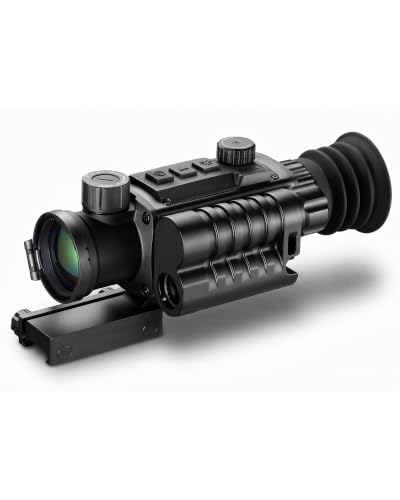
Serega Thermal Night Vision Scope 35mm

OWLNV T3 Thermal Scope with WiFi

RIX Pocket K2 Portable Thermal Monocular
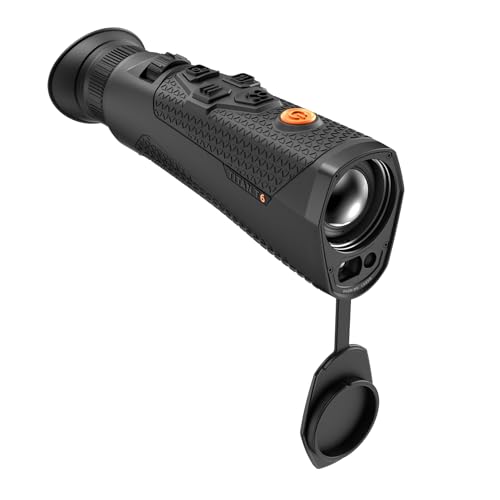
RIX Titan-T6 Thermal Monocular with LRF

RIX Stride ST3 Lite Helmet-Mounted Monocular
More Details On Our Top Picks
The OWLNV T2-256 leans into clarity over flashy extras, pairing a 256×192 sensor (a grid of heat-detecting pixels, where higher numbers mean sharper images) with a 12-micron pixel pitch, which is the spacing between those pixels. Smaller pixel pitch usually means a crisper picture from the same core. A 25mm objective lens and 1024×768 OLED screen combine to deliver readable heat signatures for wildlife watchers working fields and forest edges.
Compared to monoculars on this list, the T2-256 stays rifle-friendly thanks to the optional LRF (laser rangefinder) module. Hunters tracking coyotes past 600 yards will appreciate the long detection reach, while property owners scanning their land for predators gain a wider field of view. The 50Hz refresh keeps moving targets smooth when panning across a clearing.
Standout Benefits
- Sub-25mK NETD sensitivity (NETD, or Noise Equivalent Temperature Difference, measures how well a sensor can pick out small temperature differences, and lower is better) pulls faint heat signatures out of cold backgrounds.
- Five thermal color palettes let you tune the view to brush, snow, or open ground.
- Optional LRF adds distance readings without buying a separate unit.
- 50Hz refresh keeps walking targets clean during slow stalks.
Worth Noting
- The 256×192 resolution reads softer than the 384 and 640 sensors found elsewhere in this roundup.
- Recoil-rated mounting hardware usually comes from third-party rings, so factor that into setup time.
- Battery life varies with palette and recording use, so cold-night hunts may want a spare pack.
Key Specs
Built With In Mind
Wildlife observers, hog hunters, and landowners who want a tunable thermal scope without stepping into the 640-core price tier.
Where Another Pick Suits Better
Backpackers scanning rough terrain on foot will find the RIX Pocket K2 easier to carry than the rifle-mounted T2-256.
The Rattler V2 earns its spot on this list by extending detection distance without ballooning the chassis. The 25mm Germanium lens (germanium is a special glass that lets thermal wavelengths pass through while ordinary glass blocks them) pulls in more infrared light than standard glass, and a 3.5x base magnification gives shooters a comfortable middle ground between wide scanning and target ID.
Where the OWLNV T2-256 leans toward observation, the Rattler V2 builds toward hunting. Long sits benefit from the removable battery system, and the durable housing shrugs off light rain and brush contact. For predators moving at first light, the combination of reach and runtime is hard to beat in this price tier.
What Works In Its Favor
- Up to 11.5 hours of removable-battery runtime covers long predator sits.
- 25mm Germanium lens reaches heat signatures that smaller scopes miss.
- 3.5x base magnification balances field of view and target identification.
- Rugged construction handles recoil and rough field conditions.
Trade-Offs
- Heavier than handheld monoculars, so you won’t be glassing all day without a pack.
- The 256-class sensor reads less detail at extreme distance than the 640-core options on this list.
- Menu navigation takes practice for first-time thermal users.
Whose Shelf It Belongs On
Predator hunters and property managers running long sits who want proven AGM reliability over bells and whistles.
Consider Something Else When
Scouts wanting a pocket-friendly glassing tool should weigh the RIX Pocket K2 over the rifle-mounted Rattler V2.
Serega slots a high-sensitivity thermal core behind a 35mm focal-length lens, which is the distance from the lens to the sensor that determines how light gets focused. The longer focal length pulls distant heat into a tighter, more detailed view. The result reads cleanly through fog, rain, and high humidity where cheaper scopes flatten out.
What separates this scope from the Rattler V2 is the integrated ballistic calculator and rangefinder pairing. Hunters running varied ammunition can adjust holdover on the fly without leaving the optic. The 1600×1200 OLED display pushes more pixels to the eye than most thermal scopes at this tier, so edges and limbs pop more sharply in dense cover.
Everyday Wins
- NETD under 20mK separates animal heat from cool backgrounds with minimal noise.
- Integrated ballistic calculator supports longer shots across multiple calibers.
- 1600×1200 OLED display outresolves most scopes in this roundup.
- 35mm focal length balances reach and field of view for mixed terrain.
Honest Caveats
- Heavier than 25mm scopes, so plan rifle balance accordingly.
- Ballistic features need a learning curve before they feel natural in the field.
- Lens cap and protective covers tend to get lost in brush, so a dedicated pouch helps.
Feature Snapshot
The Right Fit
Mid-range rifle hunters who run different cartridges and want on-board ballistics without pairing a separate LRF.
Skip It When
Stalk hunters chasing tight brush will find the OWLNV T3 lighter and easier to swing through timber.
OWLNV steps up the sensor game with the T3, swapping to a 384×288 core for noticeably better target definition than the 256-tier T2. The 3.5x optical zoom reaches past the Serega’s mid-range field, and PIP (picture-in-picture) overlays a magnified window on the wider view for shooters who want both context and detail at once.
Where the T3 earns its “Pro” feel is in the feature mix. Wi-Fi video recording lets hunters share hunts or review shot placement later. IP67 weatherproofing (a rating meaning the scope is fully sealed against dust and temporary immersion in water) shrugs off rain and dust so late-season storms don’t sideline the optic. Compared to the Rattler V2, you trade some battery simplicity for a richer feature set.
Why It Works Well
- 384×288 sensor resolves antlers, ears, and tail outlines at distance.
- Built-in ballistic calculator speeds up hold decisions across calibers.
- Wi-Fi recording turns the optic into a hunt log without extra gear.
- IP67 sealing handles wet, dusty, and freezing conditions.
Soft Spots
- Recoil-rated rings are sold separately, so budget for mounting hardware.
- Wi-Fi setup can confuse first-time users, so read the manual before range day.
- Heavier than the OWLNV T2-256, which matters on lightweight hunting rifles.
Who Should Grab It
Hunters who want detailed imagery, on-board recording, and ballistics in one sealed unit, and don’t mind a slightly heavier optic.
Not Your Match When
Stalkers wanting a lightweight glassing tool will do better with the RIX Stride ST3 Lite for helmet or handheld use.
The Pocket K2 flips the script from rifle-mounted scopes to a truly pocket-friendly monocular. Its 256×192 sensor and 12-micron pixel pitch pull decent detail at close to mid-range, and the housing is light enough to hang around your neck for a full scouting loop without neck strain.
Where this monocular shines is scanning before committing to a setup. Hunters walk a tree line, mark a hot spot, and only then bring out a rifle or tripod. The 800×600 OLED screen reads cleanly for short sessions, and the 50Hz refresh keeps walking deer smooth as you pan across them.
Points In Its Favor
- Lightweight chassis fits a jacket pocket for grab-and-go scouting.
- NETD under 25mK separates warm-blooded targets from cool backgrounds.
- Wi-Fi streaming pairs with a phone for quick reference shots.
- Simple controls shorten the learning curve for first-time thermal users.
Points To Note
- 256×192 resolution softens detail past mid-range detection distances.
- Battery life is shorter than rifle-mounted units, so pack a power bank for long trips.
- No mounting point means steady hands or a monopod improve long glassing sessions.
Quick Facts
Best Suited To
Scouts and backpack hunters who glass on foot and want a thermal option lighter than a rifle-mounted scope.
A Better Fit Elsewhere
Hunters needing long-range identification on a rifle will find the RIX Titan-T6 a stronger match than the Pocket K2.
The Titan-T6 anchors the high-resolution end of the roundup with a 640×480 sensor, a 35mm lens, and a 1920×1080 OLED display. Detection reach stretches out to roughly 1818 yards, which puts long-field predators and open-country scouting well within range. The integrated LRF pairs with RIX’s first free ballistic calculator, so a single monocular handles detection, ranging, and hold data.
Compared to the Pocket K2, the Titan-T6 trades pocketability for outright reach and resolution. The Class I safety laser (Class I means the beam is eye-safe under normal use) keeps the rangefinder comfortable around the eye, and 50Hz refresh handles panning across open plains without smearing. It is the obvious upgrade path once you start pushing your existing glass past its limits.
Notable Gains
- 640×480 sensor resolves fine details past 1000 yards.
- Built-in LRF and ballistic calculator remove the need for paired devices.
- 1920×1080 OLED display pushes full-HD clarity to the eyepiece.
- NETD under 20mK keeps low-contrast scenes readable in cool weather.
Less Ideal Details
- Larger chassis weighs more than the Pocket K2, so pack space matters on foot trips.
- Premium sensor and display push the price well above entry-level thermal.
- Battery drains faster with continuous LRF use, so charging discipline matters in the field.
Who It Suits Best
Long-distance hunters and open-country scouts who want detection, ranging, and ballistics in one handheld optic.
Reach For A Different Pick When
Stalkers working tight brush will prefer the more compact OWLNV T3 for rifle-mounted flexibility.
The Stride ST3 Lite takes thermal into the hands-free world with a true 1x (no magnification) base, helmet-friendly mount, and a wide field of view. The 384 sensor keeps image quality sharper than 256-tier monoculars without weighing you down. Patrol officers, hog hunters, and vehicle-based scouts get natural spatial awareness that magnified optics distort.
Versatility drives the value here. The same unit detaches for handheld scanning or mounts on a vehicle cradle. Compared to the rifle-bound OWLNV T3, this is the pick when you need thermal while moving on foot, on horseback, or behind glass, where hands stay busy and a magnified rifle scope would be wasted.
The Upside
- True 1x magnification preserves depth perception on the move.
- 384 sensor outperforms the 256-tier Pocket K2 in detail.
- Helmet, handheld, and vehicle mounting options in one chassis.
- Wide field of view covers more ground without constant panning.
Things To Weigh
- 1x optics limit long-range target identification compared to magnified scopes.
- Helmet mounting hardware often sells separately, so plan the full kit.
- Battery life shortens with continuous head-mount use, so a spare cell helps on long shifts.
Feature Rundown
Perfect Match For
Patrol officers, mobile hunters, and property scouts who need hands-free thermal for walking or vehicle work.
Look Elsewhere When
Rifle hunters running long shots will find the RIX Titan-T6 a better fit than the ST3 Lite’s 1x chassis.
What To Weigh Before Choosing Night Vision Scopes
Sensor Resolution And Sensitivity
The two numbers that shape real-world performance are sensor resolution (how many pixels record the scene) and NETD sensitivity (how small a temperature difference the sensor can detect). A 640×480 core reads fine details at distance, while a sub-25mK NETD rating pulls faint heat signatures out of cold, damp backgrounds. Most buyers land on a 384×288 sensor with NETD around 20-25mK as the sweet spot between capability and portability.
Lens Focal Length And Detection Range
Focal length controls how tight the view is at distance. A 25mm lens gives a wider field of view, useful for scanning. A 35mm lens sharpens distant targets for cleaner identification. Match focal length to the typical engagement distance in your area, not the largest advertised range.
Form Factor And Mounting
Rifle scopes, handheld monoculars, and helmet-mounted units each solve different problems. Hunters running stationary setups benefit from rifle scopes with ballistics, while mobile scouts do better with handheld or helmet-mounted optics. If your hunting involves vehicles, horseback, or patrols, hands-free mounting changes the math completely.
Power, Recording, And Extras
On-board recording, Wi-Fi streaming, and integrated LRF add weight and cost. They earn their keep for hunters who share clips or range targets regularly. For occasional use, a simpler scope with longer battery life may serve better than a feature-packed unit that drains quickly.
Key Considerations Across These Picks
Pitfalls Shoppers Hit
The most common slip is chasing the highest advertised detection range without checking sensor resolution. A 1200-yard detection on a 256-core often reads as a smudge, while a 640-core at the same range still shows shape and posture. Match range claims to resolution before deciding. Another mistake is skipping mounting hardware in the budget. Recoil-rated rings and helmet adapters routinely add noticeable cost after the scope itself.
When Paying More Pays Off
Stepping into a 640-core sensor or 1920×1080 display is the upgrade that helps most in dense cover and at long range. You also gain usable ballistics and recording features in the same chassis. The extra cost is justified when your hunting pushes past open-field scanning into varied terrain where the 256-class cores start to feel limited.