
Hunting pressure keeps climbing, and spooked deer cost you daylight hours. A quality no glow trail camera changes the math: you watch mature bucks move in total darkness without a single red flash giving away your position. The right model also cuts your trip count, sending photos straight to your phone or storing them on an SD card you check weekly.
The six cameras below cover the main ways people actually use these tools. Some run on 4G LTE networks with solar panels for remote properties. Others keep things simple with an SD card and long battery life for hunters checking stands on foot. A couple stretch to three kilometers of WiFi range for home-based setups. Each one earns its slot, and the trade-offs matter, so read the caveats before you commit.
The Shortlist At A Glance
Zonetiger 4G LTE Solar Trail Camera 64MP 4K

GardePro X66 Pro Cellular Trail Camera
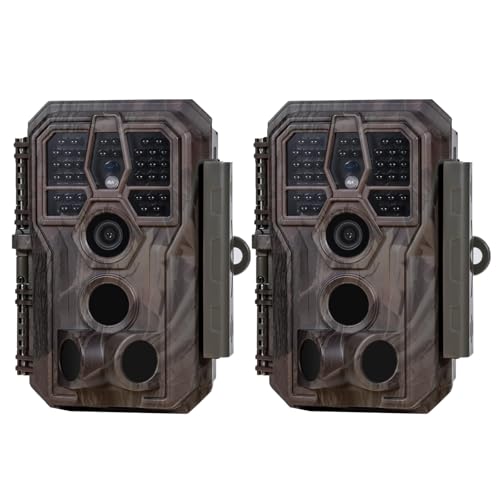
GardePro E5S 2-Pack Trail Camera 64MP

Cadrali 4G LTE Solar Trail Camera 4K 64MP

GardePro Link 1.0 Long Range WiFi Camera

MagicEagle 4G Cellular Trail Camera Solar
The Details Behind The Selections
Most cellular trail cameras lock you into a monthly data plan before the box even opens. Zonetiger skips that hurdle by bundling a full year of photo data into the purchase, which is a meaningful perk for hunters running a camera on a leased club property they might not renew next season.
The 64MP sensor and 4K video give you enough resolution to count tine points on a frame-grabbed image, and the built-in solar panel keeps the battery topped off through long summer scouting sessions. GPS tagging helps when you run multiple units across a large tract, since each photo carries location data you can map later.
The Good Stuff
- One year of photo data included at no extra cost, removing the recurring bill that scares off first-time cellular shoppers.
- Solar charging extends field time between manual battery swaps, useful in stands you check every few weeks.
- Auto network switching picks the strongest carrier signal in your area, which helps in rural pockets with patchy coverage.
- 64MP stills and 4K video clip together give you identification detail beyond what 20MP units manage.
Worth Noting
- Video transfer and live view sit behind paid app tiers, so you pay more if you actually want to watch clips remotely.
- Cellular reception is non-negotiable. Dead zones turn this into an expensive paperweight.
Feature Snapshot
Who It Suits Best
Hunters managing remote acreage who want cellular updates without committing to a multi-year data contract.
Where Another Pick Suits Better
For pure foot scouting with no signal needs, the GardePro E5S 2-Pack keeps things simpler and removes the cellular fee entirely.
GardePro built the X66 Pro around a rechargeable battery pack rather than disposable AAs. That one design decision reshapes ownership: you top up the pack at home between hunts instead of fumbling with eight cells in a tree stand at dusk.
Live view and on-demand HD requests work through the app once you activate a plan, and you can pool cameras under a single data subscription. For someone running three or four units across different food plots, that consolidation cuts the monthly bill noticeably compared to per-camera plans.
Everyday Wins
- Rechargeable battery pack removes the steady stream of disposable battery purchases across a season.
- Shared data plans let one subscription cover multiple cameras, which lowers the cost per unit on a spread-out property.
- Live view through the app lets you peek at a stand when a friend reports movement nearby.
Trade Offs
- An active data plan is required for any upload, so the camera does nothing useful without a subscription.
- Battery packs lose capacity over years of cycles, and replacing them costs more than swapping in fresh AAs.
Made For
Multi-camera setups where one account owner manages a small fleet of cellular units year-round.
Skip It When
Casual hunters who only deploy one or two cameras each fall should weigh the GardePro E5S instead and skip the subscription layer.
Two cameras for the price most brands charge for one. The E5S bundle makes sense for hunters covering a north ridge and a south food plot simultaneously, since they can read both locations each week without a second investment.
Without cellular radios or WiFi modules, the E5S draws far less power than the connected options on this list, and battery life stretches across months of weekend use. You trade remote convenience for a quieter, lighter setup that just records to an SD card you swap out on visits.
Where It Helps
- Two-unit bundle covers separate hunting areas from day one, doubling your scouting footprint.
- No cellular fees means zero ongoing costs after the initial purchase.
- Lower power draw extends battery life well past the cellular models in this roundup.
- 64MP stills and 1296P video deliver identification detail close to what the connected units manage.
Points To Keep In Mind
- You must physically visit each camera to retrieve footage, which adds windshield time on far properties.
- No remote alerts mean a missed buck pattern goes unnoticed until your next check-in.
Best Suited To
Budget-minded hunters who already drive past their cameras regularly and want maximum coverage per dollar.
Reach For A Different Pick When
Landowners who need daily updates from a far lease should consider the Zonetiger 4G LTE model for the included data plan.
Live streaming through a trail camera used to feel gimmicky. Cadrali’s 4K live feed changes that impression, since the resolution lets you actually watch deer behavior in real time instead of squinting at blurry thumbnails.
The waterproof housing matters more than people expect. Cameras mounted low on a tree trunk collect splash from rain runoff, and cheaper seals fail within a season. Cadrali rates this one for serious weather exposure, which is reassuring for the hunter who checks a stand once a month.
Positive Takeaways
- 4K live video pushes image clarity beyond typical 1080p cellular offerings.
- Solar panel integration keeps the camera running through scouting stretches that drain lesser units.
- Waterproofing handles long wet seasons in coastal and mountain hunting grounds.
- Phone-based remote access means you can check a stand from a parking lot without walking in.
Honest Caveats
- Live streaming burns cellular data fast, so budget-conscious users will want to lower the resolution for routine checks.
Right Fit For
Tech-forward hunters who treat trail cameras like a remote viewing window instead of a passive scout.
Consider Something Else When
Owners running many units on a tight data plan will find the GardePro X66 Pro’s pooled subscription model easier to manage.
Traditional WiFi trail cameras fail the moment a tree trunk blocks the line of sight. The Link 1.0 sidesteps that limit with a dedicated hub that pushes signal up to roughly one kilometer in open air, which means the camera can sit deep in the woods while the hub stays at the cabin or shop.
For property owners with a fixed base of operations, this setup delivers the connected-camera experience without monthly fees. You get app control and HD photo requests through a Plus Cloud Plan, all running over your existing home network.
The Helpful Details
- Long-range hub-to-camera link reaches places where standard WiFi cameras drop offline.
- Hub architecture lets one base station serve multiple cameras across the same property.
- No cellular subscription means the connected experience stays free of recurring charges.
Small Caveats
- Range drops sharply with dense canopy, so performance varies by terrain and tree cover.
- The hub requires stable home power and a router, ruling out true off-grid deployments.
Whose Shelf It Belongs On
Landowners with a cabin, shop, or barn within a kilometer of their hunting areas.
Look Elsewhere When
Remote property hunters without any structure nearby should pivot to the MagicEagle 4G unit instead.
SIM cards frustrate anyone who has fumbled with a tiny tray in a dark tree stand. MagicEagle skips the physical card entirely, using cloud-based signal switching to hop between major carriers and grab the strongest available network in your area.
The 13,000 mAh battery plus solar panel combination is unusually large for this category, which extends deployment time on remote properties that only get visited during hunting season. The IP66 rating holds up against steady rain and dust storms, important for cameras mounted along field edges or fence lines.
Features That Help
- No-SIM signal technology removes the physical card swap and automatically picks the strongest carrier in range.
- Massive battery plus solar panel extends deployment across a full hunting season without manual recharging.
- IP66 weather sealing protects against prolonged exposure to rain and dust.
- 2K video with audible sound recording captures behavioral clips beyond what silent units manage.
Points To Note
- Cloud-based network switching depends on carrier coverage in your area, so test before mounting in deep canyons.
- Larger battery and solar array add weight that smaller trees may struggle to support without a strap.
Built With In Mind
Land managers and large-acreage owners who need extended off-grid runtime and reliable weatherproofing.
A Better Fit Elsewhere
Shoppers wanting simpler home-based monitoring without signal complexity should consider the GardePro Link 1.0 hub setup.
Choosing A No Glow Trail Camera That Fits Your Hunt
Power Source And Runtime
Battery life quietly shapes how often you walk into a hunting area. Solar-equipped cellular cameras keep themselves topped off, but only when the panel gets direct sun for part of the day. Shaded north-facing slopes starve the panel, leaving you dependent on the internal battery anyway. Disposable AAs remain the simplest swap-and-go option for SD-card models like the GardePro E5S, while rechargeable packs in the X66 Pro work best when you build a charging routine between hunts.
Connectivity And Data Plans
Cellular cameras promise remote access, but every connected model on this list rides on a subscription tier. Zonetiger sidesteps that for year one with bundled photo data, while GardePro X66 Pro and MagicEagle require active plans from day one. For property owners with a fixed base, long-range WiFi via the Link 1.0 hub sidesteps monthly fees entirely, though range drops in heavy cover.
Image And Video Resolution
Megapixel counts climb every model year, but the real test is whether you can identify a buck at 30 feet in a cropped photo. 64MP sensors across this list give you headroom to zoom without losing detail. Video resolution matters more for behavior review, and 4K live streaming on the Cadrali unit lets you watch movement patterns instead of guessing from stills.
Detection Range And Trigger Speed
Trigger speed determines whether you capture the first second of movement or the tail end of a deer walking out of frame. Detection range controls how far out the camera starts shooting. Hunters running cameras over food plots benefit from wider detection cones, while trail-focused users want narrow beams that ignore peripheral movement.
Key Considerations Across These Picks
Pitfalls Shoppers Hit
The most common mistake is buying a cellular model for a property with no usable signal. Test your coverage at the actual deployment site before mounting, since a bar or two on your phone in town means nothing two miles back in the woods. Another trap is overestimating solar panel output in shaded timber, where a south-facing clearcut is the only realistic location for a solar-equipped unit.
When Paying More Pays Off
Higher-tier cameras earn their premium through better sensors, longer detection zones, and more reliable connectivity modules. The jump from an SD-card model to a 4G LTE unit with live view transforms how you scout, since you stop guessing and start confirming. Spend up when remote access actually saves you time, and stay with SD-card models when weekly drive-bys already work for your hunting style.
Frequently Asked Questions
What Does No Glow Mean On A Trail Camera?
No glow means the infrared flash used for nighttime photos is invisible to the human eye, so deer and other wildlife cannot detect the camera after dark. Standard glow cameras emit a faint red flash that spookes mature animals, which makes no glow the preferred choice for patterning bucks.
Do Cellular Trail Cameras Need A Subscription?
Most cellular trail cameras require an active data plan for photo and video uploads, though the Zonetiger model on this list includes one year of photo data with purchase. SD-card models like the GardePro E5S avoid subscriptions entirely.
How Far Can A Trail Camera See At Night?
Detection range varies by model and terrain, but quality no glow cameras typically detect movement 80 to 100 feet out in open areas. Dense brush or rain cuts that range significantly, so mounting along game trails with clearer sight lines improves nighttime performance.
Can Solar Panels Keep A Trail Camera Running Year Round?
Solar panels extend runtime but rarely eliminate battery changes entirely, especially in winter when shorter days and lower sun angles limit charging. Expect solar to handle most of the summer workload while a backup battery or rechargeable pack carries the camera through late season.
How Do I Keep A Trail Camera From Being Stolen?
Mount cameras above eight feet, lock them with a python cable through a strap, and avoid posting location data publicly. Many hunters also camouflage the housing with matte tape or natural debris to reduce visual detection from thieves who scout public land access points.