
Tall branches, sagging hedges, and overgrown limbs have a way of turning a tidy yard into a weekend-long project. The right pole saw turns that work into a controlled half-hour job, and you don’t need to climb a ladder to get there. This roundup looks at six cordless and corded options built for homeowners, hobbyists, and anyone who wants clean overhead cuts without the hassle of gas engines. You’ll find reach specs, motor details, and trade-offs laid out so you can match the saw to your trees.
The Main Contenders

SENIX Cordless Electric Pruning Shears (2000mAh)

EGO Power+ PS1001 Pole Saw (56V)

maXpeedingrods 4-In-1 Pole Saw Kit
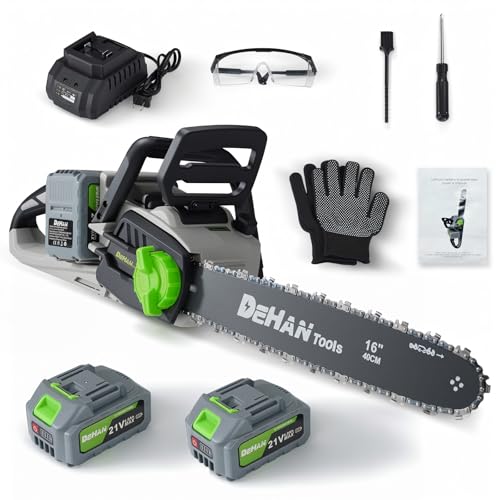
DEHANTOOLS 16-Inch Cordless Chainsaw

DEHANTOOLS 12-Inch Mini Cordless Chainsaw

SENIX CSPE6.5-M Corded Pole Saw
These cordless shears slip into a category that sits beside pole chain saws but solves a different problem. The SENIX 20V brushless pruner handles small cuts that a full-size saw would overcomplicate. Think rose bushes, grape vines, and one-inch twigs along a fence line.
Dual cutting modes let you switch between a delicate pass for soft growth and a wider opening for thicker material. The 2000mAh battery ships with the charger, so there’s no waiting on accessories before the first cut. In a backyard or small orchard, this is the kind of tool that turns hand fatigue into a forgotten problem.
Well-Handled Touches
- Brushless motor (a motor design with no carbon brushes to wear out, so it runs cooler and lasts longer) keeps the tool light and responsive in the hand
- Dual-mode cutting adapts from fine flower stems to thicker branches without blade swaps
- Cordless design frees you from dragging an extension cord through garden beds
- Battery and charger included, so first-time use needs no extra purchases
- Comfortable for extended pruning sessions in larger shrubs
Things To Consider
- Not a pole tool, so tall overhead limbs are still out of reach without a ladder
- Battery runtime will drop noticeably when pushing the wider opening through dense, woody growth
Who It Suits Best
Home gardeners who want to cut hand strain on frequent, smaller pruning tasks and value a ready-to-go kit with no extras required.
Consider Something Else When
You need overhead reach and a longer cutting bar, in which case the EGO Power+ PS1001 Pole Saw is built for that job.
The EGO PS1001 is the most ambitious pole saw on this list, and it shows in the spec sheet. A telescoping carbon fiber shaft (a lightweight, high-strength material used in aerospace and sports gear) extends high overhead, and the 56V battery delivers enough muscle for branches that smaller pole tools struggle with.
The standout feature is the LED cut line indicator, which projects a guideline onto the branch so you can see exactly where the cut lands. That alone removes the guesswork that comes with overhead trimming in shaded canopies. For tall trees and serious reach, this saw earns its premium status.
Positive Takeaways
- LED cut line indicator makes accurate overhead cuts far easier in dim conditions
- Carbon fiber shaft keeps the extended tool manageable at full length
- 56V battery delivers cutting power that rivals gas tools without the noise
- Compatible with a wider EGO platform if you already own other EGO gear
Trade Offs
- Reaches its full potential only with a separately sold extension pole for very tall trees
- Heavier than compact pole tools, so arm fatigue builds during long sessions
- Carries a premium cost that may be hard to justify for occasional trimming
Made For
Homeowners with mature trees and tall hedges who want a quieter alternative to gas and value precise overhead cuts.
Look Elsewhere When
You mostly need a low-reach, budget-friendly pole tool, in which case the SENIX CSPE6.5-M Corded Pole Saw is a sensible step down.
Few pole saws try to be this many things at once. The maXpeedingrods 4-In-1 pairs a long-reach pole saw with two mini chainsaws that detach for handheld work, so the same kit handles overhead limbs and ground-level cuts.
The 180-degree adjustable angle head lets you pivot the bar for awkward branches, and the chain cover adds a layer of safety when swapping between tasks. Two 4.0Ah batteries ship in the box, which matters on longer jobs where one pack simply won’t last.
Advantages To Know
- Four-tool versatility covers pole work, handheld cutting, and quick trimming in one kit
- 180-degree adjustable head makes awkward overhead cuts easier to reach
- Dual 4.0Ah batteries reduce downtime during extended trimming sessions
- Chain cover protects the bar during transport and storage
Worth Noting
- Modular design adds setup steps when switching between pole and handheld mode
- Reaches about 15.7 feet, less than dedicated long-reach pole saws with extension poles
- More pieces to keep track of in the garage or shed
Best Suited To
Yard owners who want a single kit for trees, shrubs, and wood-cutting tasks without buying separate tools for each.
Reach For A Different Pick When
You need maximum overhead reach for very tall trees, in which case the EGO Power+ PS1001 Pole Saw stretches further.
The 16-inch bar on the DEHANTOOLS brushless chainsaw pushes this tool firmly into felling territory rather than trimming. It cuts through logs, fallen limbs, and thicker branches that shorter bars leave you wrestling with.
Unlike the pole saws on this list, this is a handheld unit, so it handles the ground-level work that follows once branches come down. For homeowners who already have a pole tool for overhead cuts, this fills the gap on the ground.
Useful Strengths
- 16-inch bar handles bigger cuts than typical homeowner-grade chainsaws
- Brushless motor delivers higher torque (rotational force) for tougher wood without bogging down
- Battery-powered operation removes the pull-start hassle of gas chainsaws
- Strong choice for cleaning up storm damage and firewood prep
Points To Keep In Mind
- Not a pole tool, so overhead branches still need a separate saw or a ladder
- Heavier and more demanding on the arms during extended cutting sessions
- Battery runtime drops quickly when pushing through dense, knotty wood
Who Will Love This
Property owners who regularly cut firewood, clear fallen limbs, or handle storm cleanup and want cordless convenience.
A Better Fit Elsewhere
Overhead trimming is the priority, in which case the EGO Power+ PS1001 Pole Saw handles tall branches without a ladder.
The 12-inch mini chainsaw covers the gap between pruning shears and full-size chainsaws. It’s light enough for one-handed use but cuts through limbs that would defeat a typical pruner.
The kit includes two guide bars, three chains, two 4.0Ah batteries, and safety gear. That bundle matters for first-time owners who don’t already own compatible accessories. For routine yard cleanup after a pole saw brings branches down, this little tool earns its place.
Strengths Worth Knowing
- 12-inch bar strikes a balance between maneuverability and cutting capacity
- Two batteries and three chains in the kit minimize downtime during cleanup
- Lightweight enough for one-handed overhead cuts from a step stool
- Brushless motor reduces friction and extends runtime per charge
Small Caveats
- Not designed for tall overhead work without a ladder or separate pole attachment
- 12-inch bar maxes out on cuts that larger chainsaws handle easily
The Right Fit
Homeowners who want a versatile ground-level chainsaw for limb cleanup and don’t need to fell large trees.
Swap It Out When
You regularly cut larger logs or thicker trunks, in which case the DEHANTOOLS 16-Inch Cordless Chainsaw offers more bar length and cutting depth.
The SENIX CSPE6.5-M skips the battery entirely and runs on a steady 120V corded motor. For homeowners with an outdoor outlet within reach, that tradeoff removes charging anxiety and keeps the tool light on the shaft.
An 8-inch bar with low-kickback Oregon chain (a chain profile designed to reduce the backward jerk that can throw the saw toward the operator) handles typical branch trimming around a yard. Telescoping extension adds reach without a ladder, and the 6.5-amp motor delivers consistent power that doesn’t fade as a battery would.
What Helps Most
- Unlimited runtime from corded power, ideal for long trimming sessions
- Oregon low-kickback chain reduces the risk of sudden upward movement during cuts
- Telescoping shaft adjusts for different overhead heights without tools
- Lighter than comparable cordless pole saws because no battery sits on the tool
Practical Considerations
- Cord limits mobility and requires an outdoor outlet or extension cord
- 8-inch bar handles smaller branches than pole saws with longer cutting bars
- Cord management becomes a concern around dense garden beds
Built With In Mind
Homeowners with a nearby power source who trim branches regularly and want steady power without battery maintenance.
Not Your Match When
You need to cut far from outlets or want full mobility, in which case the maXpeedingrods 4-In-1 Pole Saw Kit runs on dual batteries for cordless flexibility.
Reach and Bar Length
Reach defines how a pole chain saw earns its name. Shorter shafts handle hedges and lower branches, while telescoping carbon fiber or aluminum extensions stretch toward high canopies. Bar length (the cutting surface of the chain) matters just as much: 8-inch bars handle routine trimming, 10-12 inch bars cut thicker limbs, and 16-inch bars step into felling territory. Match the bar to your average branch diameter, not your biggest one-off job.
Corded vs. Cordless Power
Cordless tools trade unlimited runtime for mobility, and modern 56V batteries have closed the gap on power. Corded saws stay lighter and cheaper but tether you to an outlet. For most backyards, cordless wins on convenience. For long sessions near a power source, corded avoids mid-job charging stops.
Weight and Balance
A pole saw held overhead punishes a heavy, poorly balanced tool. Carbon fiber shafts trim weight, and brushless motors (which use electronic controls instead of friction-prone brushes) shift the center of gravity closer to the grip. Try to gauge balance at full extension, since that’s where fatigue shows up first.
Safety and Maintenance
Low-kickback chains, automatic chain oilers, and tool-less tensioning matter more on pole saws than on ground-level chainsaws because overhead work hides what the bar is doing. Chain oil checks and bar cleaning after each session keep the tool cutting cleanly and extend bar life. Storage matters too: a sheath or cover prevents accidental contact with the chain in a crowded garage.
Mistakes Worth Dodging
Buying a pole saw with too little reach leaves you climbing a ladder anyway, which defeats the purpose. Measure the height of your tallest routine cuts before choosing a shaft length. Another common slip is underestimating bar size. An 8-inch bar struggles with branches that a 10-inch bar handles cleanly, and forcing the cut strains the motor. Match the bar to your average branch, not your imagination.
Where The Extra Money Goes
Premium pole saws spend the extra on carbon fiber shafts, larger battery platforms, and features like LED cut lines or tool-less chain adjustment. Those upgrades show up in weight savings, runtime, and cut precision. For occasional trimming, mid-tier tools deliver enough capability. For tall trees, frequent use, or older arms, the upgrade pays off in less fatigue and cleaner cuts.
How long does a typical pole chain saw battery last per charge?
Most 56V batteries deliver 30 to 60 minutes of continuous cutting, depending on branch thickness and how hard the motor works. Thinner branches stretch runtime, while dense hardwood cuts drain the pack faster.
Can pole chain saws handle thick branches?
Pole saws with 8-inch bars typically cut branches up to about 4 to 6 inches thick. Longer bars and more powerful motors extend that range, but pole tools shine on trimming rather than heavy felling.
Are cordless pole saws powerful enough for regular yard work?
Modern cordless pole saws at 40V or higher match the cutting performance of gas tools for routine trimming. For very dense wood or extended commercial use, gas still holds an edge.
How do I maintain a pole chain saw?
Keep the chain tensioned properly, oil the bar before each session, and clean sawdust from the housing after use. Sharpen the chain when cuts start producing fine dust instead of clean chips.
What safety gear should I wear when using a pole chain saw?
Wear cut-resistant gloves, eye protection, sturdy footwear, and hearing protection for longer sessions. A helmet helps when working directly under the cutting zone.