
A soaking rain doesn’t care about your hunt plan, but the right packable shell lets you stay glassing, stalking, or sitting in a stand without turning the morning into a misery. Hunters need protection that lives at the bottom of a pack, weighs next to nothing, and jumps into action the second the sky opens up. The picks below cover jackets, pants, and multi-use poncho liners built to keep you dry without slowing you down.
A Snapshot Of The Selections

Banded Gear Atchafalaya Hoodie Pullover (Coral Fleece Lined)
Columbia Men’s Ascender Softshell Jacket

Columbia Men’s Glennaker Lake II Rain Jacket

Columbia Men’s Watertight II Rain Jacket

Military Gear Poncho Liners Woodland Woobie Blanket

Tongcamo Military Poncho Liner with Zipper
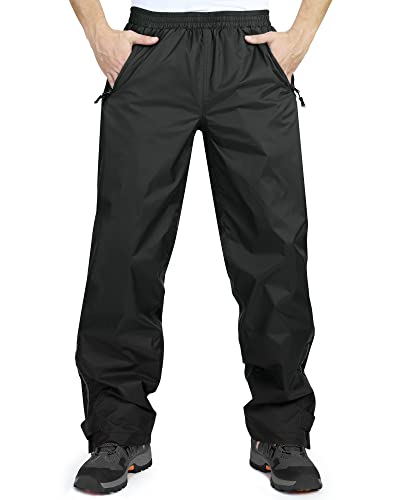
33,000ft Men’s Rain Pants Waterproof Over Pants

33,000ft Women’s Rain Pants Lightweight Over Pants
33,000ft Packable Rain Pants for Men
The Banded Gear Atchafalaya sits in a category most rain shells ignore: cold, damp mornings where wind cutting through a thin nylon shell can end a hunt before lunch. Its stealth-shell outer is windproof and weather resistant, paired with a coral fleece inner that traps body heat without piling on weight. The pullover silhouette is quiet, which matters more than most folks realize when you’re sneaking up on a smart gobbler or slipping through a buck’s bedding cover.
The hood is tri-adjust, meaning you can dial it in at the crown, face, and back to keep peripheral vision clear. A drawcord hem seals wind at the waist, and the kangaroo pocket is fleece-lined, doubling as a hand warmer on a cold sit. You may find the weather-resistant shell struggles in a sustained downpour, but for layered, cool-season hunts it’s a strong pick.
Benefits That Matter
- Coral fleece backing adds warmth most rain shells skip, cutting a layer from your system on chilly sits
- Tri-adjust hood stays out of your sightline when calling or shooting
- Quiet shell fabric reduces the crinkle that spooks wary game
- Adjustable hem cord keeps the wind from tunneling underneath when you’re glassing
- Fleece-lined kangaroo pocket warms hands between shots
Trade Offs To Consider
- Weather resistance handles mist and brief showers but isn’t built for all-day downpours
- Heavier than pure rain shells because of the fleece, so it’s less of a “barely-there” pack item
- Fleece lining dries slowly if it does get soaked
Who It Suits Best
Late-season still-hunters and run-and-gun waterfowlers who deal with cold wind more than tropical rain and want one layer doing two jobs.
A Better Fit Elsewhere
For all-day deluge work in mild weather, the Columbia Men’s Glennaker Lake II Rain Jacket packs lighter and shrugs off heavier rain.
Soft-shell jackets split the difference between a heavy insulating layer and a thin rain shell, and the Columbia Ascender is one of the most recognizable versions in that middle ground. It uses a wind- and water-resistant soft-shell fabric that breathes well during active stalks while still shedding light rain and cutting cold gusts. For hunters who log miles on foot, that breathability matters, because a soaked-in inner layer is just as miserable as rain on the outside.
Unlike the Banded pullover above, this is a full-zip soft-shell you can vent from the bottom up when pushing uphill. The cut looks polished enough for the truck stop diner after the hunt, which is part of the appeal for hunters who want one jacket to wear to the lease. Depending on how hard the rain is coming down, you may find it gives up sooner than a fully taped rain jacket.
Real-World Strengths
- Breathable soft-shell fabric keeps sweat from turning to damp during long walks
- Water-resistant face sheds drizzle, mist, and brief showers without needing a hard shell
- Full-zip design lets you dump heat fast on climbs
- Versatile styling works for the field, the truck, and post-hunt meals
- Light enough to roll and stash in a pack when conditions are mild
Honest Caveats
- Not a fully waterproof jacket, so heavy rains will eventually soak through
- Less specialized for true downpour hunting than the Watertight II
Feature Snapshot
Whose Shelf It Belongs On
Mobile, active hunters chasing early-season whitetails or upland birds who rack up miles and need breathability over full waterproofing.
Consider Something Else When
You hunt in the kind of rain that goes on for hours, in which case the Columbia Men’s Watertight II Rain Jacket offers stronger wet-weather sealing.
The Columbia Glennaker Lake II is the kind of jacket that lives in your pack until the day you actually need it, then disappears back inside the moment the sun comes out. It stuffs into its own pocket, which means there’s no separate stuff sack to lose in the field. For day hunters who don’t want to commit to carrying a dedicated rain shell, that self-packing feature is the whole pitch.
A stow-away hood tucks into the collar when the rain stops, and the lightweight waterproof fabric handles showers without weighing you down. Compared to the Ascender soft-shell above, this is the true rain-specific option, with a regular fit that layers over flannel or a base layer. In our view, the trade-off is breathability, which can feel clammy during hard hikes.
A Favorable Mix
- Self-stuffing pocket design eliminates the need to track a separate bag
- Stow-away hood stays clean and out of the way in dry weather
- Lightweight waterproof build adds minimal pack weight
- Regular fit accommodates insulating layers underneath
Points To Note
- Not as breathable as the Ascender soft-shell, so it can feel stuffy on climbs
- Entry-level rain protection, not the heaviest storm-rated shell on this list
The Right Fit
Day-trip hunters and backcountry day-packers who want a no-fuss rain layer that deploys fast and disappears when skies clear.
Look Elsewhere When
You’re spending long hours in steady rain and need more robust waterproofing, in which case the Columbia Men’s Watertight II Rain Jacket is the heavier hitter.
When the forecast turns truly ugly and you’re committed to a long sit, the Columbia Watertight II is the jacket you’d want on. It’s designed as a proper rain jacket with sealed seams and a waterproof build aimed at keeping you dry through hours of steady rain. That makes it the most weather-capable shell in this roundup, even if it costs you a bit of breathability.
Where the Glennaker Lake II above is the casual day-tripper, the Watertight II is the full-time wet-weather tool. It still packs down for transport, just not as compactly as the lighter Lake II. You may find the fit slightly more substantial, which actually helps when layering over heavy fleece in cold rain.
Reasons It Performs
- Sealed-seam waterproof construction for sustained wet weather
- Stands up to hours-long rain exposure during static sits
- Layer-friendly cut fits over mid-weight insulating pieces
- Trusted rain-jacket architecture from a well-known outdoor brand
Some Limits To Know
- Bulkier and heavier than the Glennaker Lake II for true pack-and-forget hunts
- Less breathable, so expect some interior condensation on hard hikes
Feature Snapshot
Best Suited To
Hunters logging multi-hour sits in heavy coastal rain, swamp hunts, or wet timber where a lesser shell would soak through before lunch.
Swap It Out When
You’re packing for a fast, dry-weather stalk and want something smaller, where the Columbia Glennaker Lake II is the lighter option.
Ask any veteran about the “woobie” and you’ll get a story. The military-style poncho liner has cult status because it delivers a remarkable warmth-to-weight ratio in a soft, quiet package. It’s technically camp bedding, but hunters have been slipping them into the woods for decades as part of their cold-weather rain system. Pair it with a poncho or rain shell on top and you get insulation plus weather defense in one.
The woodland camouflage print here leans into the hunting use case, though the design’s real value is its versatility. It can be tied into a poncho or snapped into place to create a basic sleeping system. Compared to the Tongcamo liner below, this one leans more toward classic military styling and a no-frills feature set.
What Stands Out
- Excellent warmth without piling on pack weight
- Soft, quiet material won’t spook game when you shift in a stand
- Compatible with snap-equipped ponchos for layered rain defense
- Woodland camo suits eastern hardwood hunting
- Doubles as a camp blanket, pillow, or emergency wrap
Worth Bearing In Mind
- Not waterproof on its own, needs a shell layer in actual rain
- Bulks up more than a dedicated rain jacket when stuffed into a pack
Feature Snapshot
Who Should Grab It
Tradition-minded hunters who want a tried-and-true layering piece for cool, damp, multi-day trips and camp setups.
Reach For A Different Pick When
You need a built-in zipper for fast sleeping-bag conversion, in which case the Tongcamo Military Poncho Liner is the more feature-rich alternative.
The Tongcamo takes the classic woobie concept and adds practical hardware: a dual-zipper closure that lets you zip it into a sleeping bag configuration in seconds. The shell uses a polyester pongee fabric with a water-repellent treatment and hollow cotton fill inside, balancing weight, warmth, and light weather resistance. For hunters running overnight trips, that’s a meaningful upgrade in flexibility.
It’s offered in multiple size options, including roughly 1.4 by 2 meters, 40 by 60 inches, and 50 by 60 inches, so you can match the liner to your height and your sleeping setup. Compare that to the heritage military liner above, which skips the zipper and stays true to the bare-bones original.
The Upside
- Dual zipper closure converts the blanket into a sleeping bag on demand
- Water-repellent shell fabric handles mist and light rain without a separate cover
- Hollow cotton fill is light yet warm for its size
- Multiple size options let you pick the right coverage for your height
- Multi-use design covers bedding, sitting pad, and insulation in one item
Where It Is Less Suited
- Water-repellent is not the same as fully waterproof, so prolonged rain still requires a shell
- Larger sizes take up more pack space than minimalist shells
Who Will Love This
Backcountry hunters on multi-day trips who want one piece that handles insulation, bedding, and emergency shelter duty.
Not Your Match When
You only need a quick-pull rain shell and don’t camp overnight, where the Columbia Glennaker Lake II Rain Jacket is the lighter, simpler call.
Most rain-system conversations focus on the jacket, but your legs take just as much abuse slogging through wet brush, crossing marshy bottoms, or sitting on a soaked stump. The 33,000ft Men’s Rain Pants are waterproof and windproof over-pants that pull on quickly when weather shifts mid-hunt. They sit in the hiking and outdoor recreation category, which signals they were designed for trail use as much as for hunting.
Where the jackets above handle your top half, this handles everything below the waist. You may find the loose over-pant fit a bit baggy under brush, but that’s also what lets them slide on over insulated hunting pants without a fight.
Where It Helps
- Waterproof and windproof shell keeps legs dry in wet brush and crossing water
- Over-pant design layers over base pants for cold-weather hunts
- Pulls on fast when weather turns during a stalk
- Light enough to roll into a pack until needed
Room For Improvement
- Loose fit can snag on thorns and dense brush
- Not insulated, so pair with thermal pants in cold rain
Feature Snapshot
Made For
Hunters working wet ground, marshy approaches, or thick undergrowth who need quick-deploy leg protection.
Where Another Pick Suits Better
Women who want a tailored fit should look at the 33,000ft Women’s Rain Pants, which is cut for different sizing and proportions.
The women’s version of the 33,000ft over-pants is a smart companion to the men’s pair above, cut for a different body shape rather than just a smaller size. It carries the same lightweight, waterproof build and the same windproof design, but the pattern accounts for hips, waist, and inseam proportions that men’s cuts often miss. For female hunters, that means a pair of rain pants that actually fits under a pack belt.
You get the same pull-on over-pant convenience, which matters when a cloudburst rolls in mid-glass. If you and your hunting partner hunt together, matching sets make packing and gear checks easier. Depending on your layering underneath, you may find sizing runs slightly generous.
Useful Touches
- Women’s-specific cut fits hips and waist properly under a pack or belt
- Lightweight waterproof shell doesn’t drag you down on long walks
- Windproof design keeps legs from getting chilled on exposed sits
- Pulls on over hunting pants without needing to strip layers
Small Caveats
- No insulation, so cold-weather hunters still need thermal base pants
- Limited color or pattern options compared to men’s version
Perfect Match For
Female hunters looking for a no-nonsense rain pant that actually fits their build rather than a downsized men’s cut.
Skip It When
You’re shopping for a male hunter, in which case the 33,000ft Men’s Rain Pants is the better-matched pick.
The third 33,000ft entry on this list focuses on packability, the trait backpack hunters care about most. These rain pants compress small, fold into their own pocket or stuff sack, and stay out of the way until weather forces your hand. That makes them a smart backup layer for hunters who count every cubic inch of pack space.
Functionally they’re a hiking-pant-style rain layer with waterproof and lightweight construction. Compare that to the men’s over-pants above, which are looser and heavier, and you get a clean split between full-coverage and ultra-packable. For a fast-and-light hunter, the trade-off leans toward this pair.
Useful Strengths
- Compresses tightly to fit in a day-pack corner or belt pouch
- Waterproof build handles rain showers and wet vegetation
- Lightweight construction reduces fatigue on long hikes
- Hiking-pant styling integrates with regular hunting footwear and gaiters
What To Weigh
- Thinner fabric than the heavier over-pants, so durability under abrasion is lower
- Less insulation value in cold conditions
Built With In Mind
Day-hikers and lightweight pack hunters who want rain pants that vanish in their pack until needed and deploy in seconds.
A Better Fit Elsewhere
If you want more durable, heavier-duty leg protection for bushwhacking, the 33,000ft Men’s Rain Pants Waterproof Over Pants is the tougher sibling.
Factors That Matter When Choosing Packable Rain Gear For Hunting
Match The Shell To The Weather You Actually Hunt In
Start with the rain profile of your region. Coastal Pacific Northwest hunters and Southeast storm hunters face sustained, heavy rain and should prioritize fully waterproof, sealed-seam jackets like the Watertight II. Hunters chasing dry-country mule deer in pop-up showers do fine with a water-resistant soft-shell like the Ascender, which breathes better on long climbs. Choosing too much jacket for your conditions leaves you clammy and overpacked. Choosing too little leaves you soaked and cutting hunts short.
Decide Between A Hard Shell And A Soft Shell
A hard-shell rain jacket uses waterproof coated fabric with sealed seams, ideal for true downpours. A soft-shell breathes better, insulates a bit more, and handles wind and light rain, but eventually soaks through in heavy weather. Hunters who run a layered system often carry one of each: a breathable soft-shell for the hike, a packable hard-shell for the storm. Both have a place, and they aren’t interchangeable.
Think About Packability And Weight
Packable rain gear earns its keep by being there when you need it and invisible when you don’t. Self-stuffing pockets, compressible fabrics, and low weight all matter if you’re carrying it on every hunt, regardless of forecast. Day-trip hunters with small packs should favor the Glennaker Lake II style, while dedicated backpack hunters may want the lightest possible option even if it costs durability.
Don’t Forget Your Legs
It’s easy to focus on jackets and ignore pants, then regret it after a wet morning in the brush. Packable rain pants close that gap and complete the system. Make sure your pants fit over your normal hunting pants, seal at the cuff or boot, and don’t snag badly on thorns or vine.
Key Considerations Across These Picks
Common Buying Slip Ups
The most frequent mistake hunters make is buying a rain shell that’s “more waterproof than they need” without thinking about breathability. A fully sealed hard shell sounds great until you sweat through it on a steep hike and end up just as wet from condensation. The opposite mistake is buying a soft-shell and expecting it to handle an all-day coastal downpour. Match the gear to your typical weather, and think about how active your hunts are.
Where The Extra Money Goes
Premium rain gear usually spends the extra cost on better waterproof membranes, fully taped seams, lighter fabrics, and tougher face materials. For casual fair-weather hunters, that premium is hard to justify. For hunters who log many wet days a season, the upgrade pays off through drier sits, longer gear life, and less weight on your back.
Frequently Asked Questions
What is packable rain gear, exactly?
Packable rain gear is outerwear designed to compress into a small bundle, often its own pocket or a tiny stuff sack, so it can live in a hunting pack until weather demands it. The goal is full rain protection that doesn’t take up space or add noticeable weight.
Do packable rain jackets really keep you dry?
Yes, when you pick the right tier for the conditions. A packable hard-shell with sealed seams and a waterproof membrane will keep you dry in heavy rain. A packable soft-shell handles wind and light rain but eventually wets through in sustained downpours.
Should I buy separate rain pants, or are poncho liners enough?
Poncho liners add warmth and light water resistance, but they’re not a substitute for dedicated rain pants in real wet weather. For hunters who regularly slog through wet brush or sit in steady rain, packable rain pants are a worthwhile add.
How do I care for packable rain gear?
Most modern rain shells benefit from occasional washing with a technical fabric cleaner and re-treatment with a DWR (durable water repellent) spray when water stops beading on the surface. Avoid standard detergent, which can strip the factory coating over time.
Can I use packable rain gear for more than hunting?
Absolutely. The same shells and pants work for hiking, fishing, scouting trips, and emergency vehicle kits. Many hunters end up reaching for their packable rain gear off-season as much as on.