
Long sits in a frozen blind or a wet treestand demand footwear that traps heat, blocks water, and still lets you walk quietly without slipping. The right pair of rubber insulated hunting boots decides whether your toes go numb by sunrise or stay warm through the last hour of light. Below is a focused roundup of six options built around real cold-weather, wet-ground, and rough-terrain hunting needs, plus the practical buying context to pick the one that matches your ground and your season.
The Leading Options At A Glance

MUCK Woody Max Insulated Hunting Boot

Kalkal 16-Inch Lightweight Snake Boots
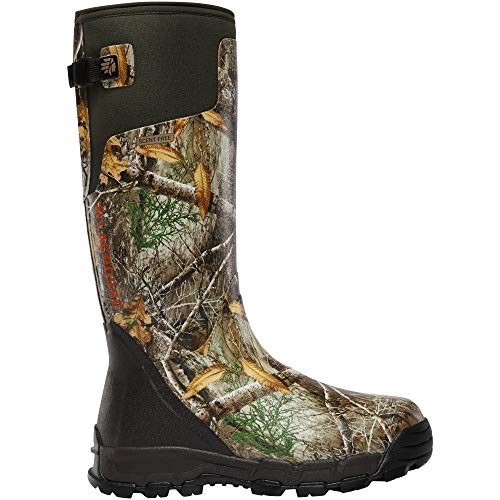
LaCrosse Alphaburly Pro 18-Inch Insulated Hunting Boots

Kalkal Insulated Snake Boots with 5mm Neoprene

Hunthor Steel Toe Rubber Hunting Boots

Hunthor Steel Toe Work Boots with Steel Shank
What Each Pick Brings To The Table
The MUCK Woody Max is built for late-season hunters who sit in freezing blinds for hours. Its fleece lining works with 5 mm of internal neoprene to trap body heat, while a stretch-fit topline and 2 mm thermal foam under the footbed help seal cold out at the boot’s openings. The high-grade rubber shell shrugs off creek crossings, snowdrift slush, and muddy parking-lot walks before first light.
Compared to lighter picks like the Kalkal snake boots later in this list, this one trades agility for warmth, so plan shorter walking distances and longer stationary sits. For hunters who chase whitetail in November or turkeys in a cold spring rain, that trade usually pays back fast.
A Strong Showing
- Fleece lining plus 5 mm neoprene holds heat through long, still sits in freezing temps.
- Stretch-fit topline keeps the boot snug at the calf so cold air does not seep in.
- 2 mm thermal foam under the footbed adds a noticeable barrier between your sole and frozen ground.
- High-grade rubber exterior handles wet brush, slush, and shallow water crossings.
Things To Consider
- Heavier than the Kalkal options, so covering miles on foot can wear you down.
- Less breathable in shoulder seasons, which can feel clammy above 50°F.
Made For
Late-season hunters who sit still for long stretches in freezing blinds and want reliable warmth over nimbleness.
Where Another Pick Suits Better
For warm-season snake country where you cover more ground on foot, the Kalkal 16-Inch Lightweight Snake Boots feel less tiring.
The Kalkal 16-inch boots trade deep-cold insulation for snake protection and lower weight. The 16-inch shaft guards the calf against bites and tall grass seed heads, while an anti-slip, shock-absorbing field sole softens miles of creek-bottom walking and uneven ground. The build is geared toward southern hog hunting, summer scouting, and general outdoor work where heat is the bigger threat than cold.
Versus the MUCK Woody Max above, these are noticeably lighter on the foot but offer less thermal protection. Hunters working spring and fall turkey seasons in mild climates get the most from the design.
A Few Strong Suits
- Tall 16-inch shaft keeps fangs and briars away from your calves and lower shins.
- Shock-absorbing sole reduces foot fatigue on long walks to and from the stand.
- Lightweight construction helps hunters cover more ground without tiring quickly.
- Anti-slip tread grips creek rocks, wet leaves, and slick mud banks.
Honest Caveats
- Less suited to deep-freeze mornings than the MUCK or LaCrosse options.
- Rubber surface can scuff visibly in heavy brush over time.
- Rinse and dry thoroughly after wet hikes to prevent any interior odor buildup.
Right Fit For
Warm-season hunters and landowners who work snake-heavy ground and value light, agile boots over heavy insulation.
Swap It Out When
For freezing late-season sits, swap to the MUCK Woody Max Insulated Hunting Boot, which traps heat far better.
The LaCrosse Alphaburly Pro strikes the middle ground many hunters actually want. Natural scent-free rubber meets insulating neoprene for waterproofing and warmth, while 400G Thinsulate Ultra adds serious loft without making the boot feel like a ski boot. An EVA footbed cushions long walks, and the active fit design keeps the boot snug so it does not slosh on quick steps.
It is taller than the MUCK Woody Max at 18 inches, which means more protection in deep snow and tall cover, yet it still moves well enough for active spot-and-stalk hunters. Compared to the steel-toed Hunthor picks below, it is lighter and tuned more for walking than for job-site impact hazards.
What Pays Off
- 400G Thinsulate Ultra delivers real warmth without excessive bulk.
- Scent-free natural rubber helps avoid spooking pressured deer and turkeys.
- EVA footbed reduces foot fatigue on long days of glassing ridges.
- Active fit holds the boot secure during quick movement on uneven ground.
- Aggressive tread pattern grips mud, muck, and snow with confidence.
Trade Offs
- Not steel-toed, so it is the wrong choice for logging or sharp-rock job sites.
- Higher price tier than the Hunthor and Kalkal boots in this list.
Key Advantages
Best Suited To
All-season hunters who want real warmth in winter and breathable comfort in shoulder seasons without switching boots.
Consider Something Else When
For job-site hazards like falling tools or sharp debris, the Hunthor Steel Toe Rubber Hunting Boots make more sense.
This Kalkal model layers 5 mm of neoprene insulation into a snake-proof rubber shell, which is a smart mix for hunters who deal with venomous reptiles but also face cool mornings. The neoprene adds real warmth, while the rubber exterior keeps fangs from reaching skin and sheds water during stream crossings. The outsole carries the same anti-slip focus seen on the lighter Kalkal pair above.
The honest read is that this is the Kalkal boot for hunters in transition seasons, not deep winter. Anyone in true northern cold will still prefer the MUCK or LaCrosse picks, but most southern hunters chasing hogs and early-season deer will find it well-rounded.
Key Advantages
- 5 mm neoprene adds noticeable warmth without the weight of Thinsulate boots.
- Rubber exterior protects against snake bites and thorny underbrush.
- Anti-slip outsole grips wet grass and creek-bottom rocks.
- Useful for hunting, farming, gardening, and fishing duties in one boot.
Things To Weigh
- Not as warm as dedicated winter boots like the MUCK Woody Max.
- Rubber can feel stiff in cold weather until you break the boots in.
Whose Shelf It Belongs On
Multi-purpose hunters and landowners who want one pair to handle snakes, water, and cool mornings across several outdoor tasks.
A Better Fit Elsewhere
For deep-cold still-hunting where warmth matters most, the LaCrosse Alphaburly Pro 18-Inch Insulated Hunting Boots outperform this Kalkal model.
The Hunthor steel-toe boot is purpose-built for hunters who also handle heavy tools, chainsaws, or falling logs. The steel toe cap protects against dropped gear and rolling wood, while the waterproof rubber shell handles wet brush and shallow water. Insulation is part of the design, so this boot works across three-season use, not just mild weather.
Compared to the LaCrosse Alphaburly Pro, this pick is heavier and more utilitarian. Hunters who split time between the woods and the shop will value the extra protection, though pure stand-hunters may find it more boot than they need.
Where It Helps
- Steel toe shields your foot from dropped tools and rolling logs.
- Waterproof rubber keeps feet dry in wet grass and creek crossings.
- Insulated interior extends use into cooler early-season hunts.
- Durable build stands up to farm and workshop abuse.
Points To Keep In Mind
- Heavier than non-toed hunting boots, which adds fatigue on long walks.
- Less breathable in warm weather than lighter Kalkal options.
- Steel toe conducts cold, so extra sock layering helps in deep winter.
Who Should Grab It
Hunters who also work around chainsaws, log splitters, and heavy equipment and want one boot that crosses over from woods to job site.
Reach For A Different Pick When
For pure stand-hunting without job-site hazards, the LaCrosse Alphaburly Pro 18-Inch Insulated Hunting Boots are lighter and more agile.
The second Hunthor entry adds a steel shank, which is a metal support plate between the insole and outsole. That plate stiffens the boot so it flexes less on uneven ground, which protects the arch when stepping on rocks, ladder rungs, or hidden stumps. Pair that with the steel toe and you get a boot built more for off-trail work than for stalking quietly.
Versus the other Hunthor model above, this one trades a touch of flexibility for puncture resistance and foot support. The trade-off shows up clearly on rocky terrain or when hauling deer out of a ravine.
Noteworthy Benefits
- Steel shank stiffens the sole and protects the arch on rocky ground.
- Puncture-proof construction helps when crossing broken branch litter and old glass.
- Steel toe defends against impacts from tools and firewood rounds.
- Long-lasting build suited to heavy weekly use across farm chores.
Practical Considerations
- Rigid shank makes the boot less comfortable for long, quiet stalks.
- Stiffer feel takes a few outings to break in fully.
Perfect Match For
Hunters who spend more time off-trail, hauling gear, and clearing land than they do glassing open ridges.
Look Elsewhere When
For quiet, low-impact hunting in open terrain, the LaCrosse Alphaburly Pro 18-Inch Insulated Hunting Boots flex much more naturally.
Factors To Consider Before Choosing Rubber Insulated Hunting Boots
Match Insulation To Your Climate And Season
Insulation is the single biggest comfort driver in a cold-weather rubber boot. Thinsulate ratings like 400G are measured by grams of insulation per square meter, so higher numbers mean more warmth. Late-season hunters in northern climates usually want 800G or more, while southern hunters often prefer 200G to 400G. Choose too little insulation and your feet go numb. Choose too much and you sweat in shoulder seasons, which leads to damp socks and cold feet the next morning anyway.
Height And Shaft Design
Tall 16 to 18 inch shafts keep deep snow, briars, and snake strikes away from your calves. Shorter boots are easier to walk in but expose more leg. For deep snow hunting, taller is better. For still hunting in mild cover, mid-height boots reduce fatigue without exposing you to much risk.
Sole Grip On Your Specific Terrain
Lugged rubber outsoles handle mud and snow well, but tread pattern matters. Wider, deeper lugs clean themselves in sticky mud, while finer patterns bite better on wet rock. Think about your most common hunting ground and pick a sole designed for it.
Weight, Agility, And Fit
Insulated rubber boots are heavy by nature. Anything above 5 lbs per pair will wear you down on long walks. Lighter picks like the Kalkal snake boots suit active hunters, while heavier models like the MUCK Woody Max suit stationary hunters who want maximum warmth.
Key Considerations Across These Picks
Common Buying Mistakes
A frequent slip-up is choosing boots rated for colder conditions than your typical season. Most hunters do better with a versatile midweight boot than an extreme-winter model that overheats in October. Another common mistake is ignoring shaft height. Buying a 12-inch boot for snake-heavy ground leaves your calves exposed. Match the boot height to your actual hunting environment, not the worst-case scenario that only happens once a year.
When Paying More Pays Off
Premium boots like the LaCrosse Alphaburly Pro earn their higher tier through better materials, scent-free rubber, and improved fit technology. For hunters who spend 30 or more days a season in the field, that investment usually returns in comfort and durability. For occasional weekend hunters, mid-tier boots like the Kalkal or Hunthor models deliver most of the practical benefit at a friendlier entry cost.