
A good trail shoe has to handle more than the walk to the trailhead. Daily commuters need enough cushioning for pavement, while weekend hikers face loose soil, slick rock, and changing weather that demand a steadier outsole. I compare low-cut flexibility, mid-height support, waterproof construction, traction, and daylong comfort to help you choose footwear that fits the route rather than merely the label.
The Leading Options At A Glance

Merrell Moab 3

Merrell Moab 3 Mid
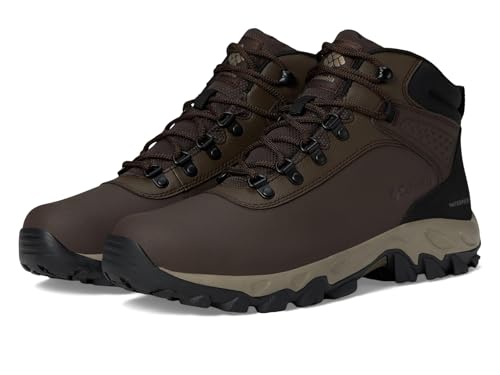
Columbia Newton Explorer

Merrell Moab 3 Mid Waterproof

KEEN KS86 Retro Sneakers
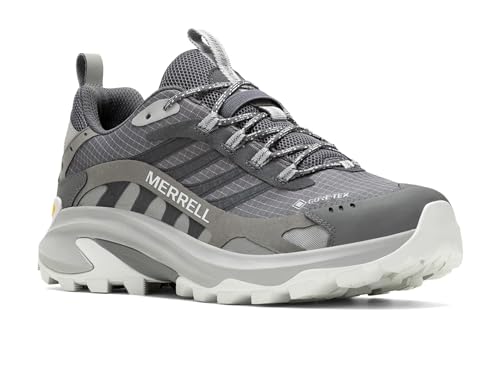
Merrell Moab Speed 2
Merrell Moab Speed 2 GTX
What Each Pick Brings To The Table
The low-cut Merrell Moab 3 makes sense for men who divide their week between neighborhood walks, gravel paths, and maintained trails. Its softer midsole cushions repeated pavement steps, while the more supportive insole keeps longer days from feeling unnecessarily harsh.
Compared with the Moab 3 Mid, this version sits closer to the foot and moves more easily through packed paths. Depending on your arch and stride, the low profile may feel more natural on warm hikes, though it gives up some ankle coverage on uneven ground.
What Makes Sense
- Low-cut construction keeps casual walks and trail approaches uncomplicated.
- A cushioned midsole softens the transition from pavement to dirt.
- The supportive insole suits regular walking without a heavily technical setup.
- A grippier Vibram outsole targets dependable contact on mixed surfaces.
Honest Caveats
- Loose backpacking loads or sharp rocks may leave the ankle area wanting more support.
- Owners commonly need time to break in the upper and outsole before long hikes.
Technical Highlights
Made For
Day hikers and active walkers who want one flexible shoe for pavement, gravel, and maintained trails.
Another Choice May Suit
Merrell Moab 3 Mid suits walkers who need greater ankle coverage on rough or heavily loaded routes.
The Merrell Moab 3 Mid adds meaningful ankle coverage to the cushioning and traction of the low-cut model. That combination works well on rocky approaches, uneven woodland trails, and days when a backpack shifts the demands on the foot.
It remains a practical choice rather than an aggressively technical boot. The extra height may feel restrictive during long pavement commutes, but hikers gain a more secure platform when the ground loses its smooth, predictable surface.
Advantages To Know
- Mid-height coverage adds useful support around rough ground.
- The cushioned midsole reduces fatigue during long walking days.
- Vibram traction provides a more confident surface than a basic casual outsole.
- Supportive footbed balances cushioning for regular trail use.
Trade Offs
- Bulk around the ankle may take longer to adjust to than the low-cut Moab 3.
- Extended pavement walking can feel less fluid in a higher hiking boot.
Quick Facts
The Right Fit
Hikers carrying moderate loads benefit most from the added stability on uneven trails and long approaches.
Where A Sibling Pick Shines
Merrell Moab 3 is the easier option for warm-weather commutes dominated by pavement and packed paths.
Columbia shifts the emphasis toward protection with a waterproof leather upper and breathable waterproof membrane. A membrane is an internal barrier that keeps external moisture out while allowing vapor to move through, making the Newton Explorer relevant to wet grass, shallow crossings, and drizzly woodland paths.
The Techlite midsole supplies lightweight cushioning and energy return, where energy return describes the spring-like response that can reduce the effort of each step. Compared with the unlisted waterproof status of the standard Moab models, the Columbia option offers clearer wet-weather credentials.
Well-Handled Touches
- The leather upper should handle routine abrasion better than delicate mesh.
- Waterproof construction adds confidence during wet or muddy routes.
- Metal hardware offers durable lace attachment points.
- Techlite cushioning targets comfortable long-distance movement.
Small Caveats
- Leather needs prompt drying and occasional conditioning to manage trail moisture.
- The weatherproof build may retain more heat than a breathable low-cut shoe during hot walks.
Feature Snapshot
Who It Suits Best
Rainy-region hikers benefit from the explicit waterproof leather and breathable membrane construction.
Reach For A Different Pick When
Merrell Moab Speed 2 GTX suits faster hikers who prioritize a more streamlined athletic profile.
The waterproof version of the Moab 3 Mid serves hikers who regularly cross damp trails but still want familiar trail-shoe cushioning. Its mid-cut shape provides more coverage than the standard model, a useful distinction on rocky descents and routes carrying camping gear.
The trade-off is predictable: a waterproof boot suits wet weather better, yet can feel warmer and less flexible than a breathable low-cut shoe. In my view, that compromise is worthwhile for multi-day journeys, though day walkers on dry pavement gain little from the extra construction.
Where It Helps
- Waterproof construction supports damp grass, mud, and light rain.
- Mid-height coverage adds stability over uneven descents.
- Cushioned midsole supports long days with frequent walking.
- Grippier Vibram traction remains useful once the trail turns technical.
Practical Considerations
- Owners commonly let the boot dry fully before storage to limit persistent moisture.
- Extra coverage and insulation may overwhelm hot-weather hikes.
Core Details
Built With In Mind
Long-distance hikers traveling in cool or wet conditions gain the most from the waterproof mid-cut design.
Look Elsewhere When
Columbia Newton Explorer offers a similarly waterproof leather approach for walkers who prioritize that upper material.
The KEEN KS86 sits between lifestyle footwear and trail footwear, which makes it useful for commutes that sometimes end at a park or local trail. Its wider last, meaning the internal shape of the shoe, may give broad feet more usable room than a narrow casual sneaker.
Retro styling keeps it appropriate around town, while the aggressive tread adds confidence on hard-packed paths. It does not replace the ankle coverage or waterproof focus of the hiking boots here, but the honest read is that many walking days never require those features.
What Earns Its Place
- Wide construction can improve comfort for broad feet.
- Retro styling transitions easily from errands to casual walks.
- Aggressive tread adds traction on gravel and packed dirt.
Where It May Fall Short
- Lightweight casual materials can collect dirt more readily than leather hiking uppers.
- Its lower profile offers limited protection on loose descents and wet rock.
Who Will Love This
Men with broad feet benefit from the roomier shape and wide-footwear design during everyday walking.
A Better Fit Elsewhere
Merrell Moab 3 is the stronger choice for maintained trails where cushioning and outsole grip matter more.
The Moab Speed 2 takes a more athletic approach than the broad comfort platform of the Moab 3. Vibram TC5+ rubber and revised traction lugs target grip on steep dirt, loose gravel, and mixed paths where faster forefoot movement can matter.
This positioning makes it compelling for active hikers covering distance at a brisker pace. Depending on your foot shape, the performance profile may feel less accommodating during slow urban walks, and the aggressive outsole still gathers mud eventually.
A Few Strong Suits
- Vibram TC5+ rubber targets demanding trail contact.
- Revised lugs improve grip on loose and uneven surfaces.
- The athletic shape suits faster hiking rhythms.
Points To Keep In Mind
- Deep lugs can carry packed mud into the tread pattern.
- Long pavement days may feel less relaxed than in a cushioned casual sneaker.
Important Details
Best Suited To
Fitness-focused hikers benefit from the athletic profile and traction-focused outsole on faster trails.
Swap It Out When
KEEN KS86 Retro Sneakers suit casual walkers who care more about wide comfort and everyday styling.
The GTX version adds weather protection to the athletic Moab Speed 2 platform, bringing together quick trail manners and sealed construction. That pairing makes sense for hikers moving through variable forecasts, especially on routes where wet rocks or muddy clearings are likely.
The underlying Vibram TC5+ rubber and traction lugs still distinguish it from conventional road shoes. Its waterproof layer may reduce breathability on warm climbs, so I would favor the standard Speed 2 for dry, fast routes where airflow and lighter construction matter more.
Noteworthy Benefits
- GTX construction adds protection during rain and wet crossings.
- Vibram TC5+ rubber supports traction on technical ground.
- New lug geometry suits loose dirt and mixed trails.
- The streamlined profile remains practical for longer routes.
Worth Bearing In Mind
- Waterproof layers need time to dry after soaking in heavy rain.
- The enclosed upper can feel warm during high-output summer hikes.
The Right Fit
Fast-paced hikers crossing exposed or damp terrain benefit from the combination of GTX protection and trail traction.
Not Your Match When
Merrell Moab 3 suits warm-weather walking days that call for flexibility instead of weather sealing.
Matching Footwear To The Route
Terrain And Cushioning
Maintained trails and pavement reward a flexible low-cut design with moderate cushioning. Loose gravel, steep dirt, and rocky ground call for deeper traction, while loaded routes benefit from a mid-height shape that surrounds the ankle.
Water Protection
A waterproof membrane blocks rain and splashes but can reduce airflow and dry more slowly. Breathable footwear handles warm, dry weather better, yet leaves the foot exposed to puddles and wet vegetation.
Fit Before Features
Foot shape influences comfort more than any outsole. Men with broad feet should consider the KEEN KS86’s wider shape, while others may prefer a close-fitting hiking shoe that keeps the foot from shifting over uneven ground.
Mistakes To Avoid Before Hitting The Trail
Where Shoppers Go Wrong
Choosing solely by appearance can leave casual sneakers under-equipped for steep dirt. A sound fit, suitable outsole, and credible ankle coverage matter more than a technical-sounding label.
What The Extra Money Goes Into
Higher-priced models commonly add waterproof membranes, tougher upper materials, and more specialized rubber compounds. The upgrade is worthwhile for frequent wet-weather hikes, but everyday pavement walkers may gain little from it.
Frequently Asked Questions
Are low-cut hiking shoes suitable for long walks?
Low-cut hiking shoes work well for maintained trails and mixed pavement. Mid-cut models offer more support on rocky ground and routes with heavier packs.
Should hiking shoes be fully waterproof?
Fully waterproof shoes suit rain, mud, and wet crossings. Breathable models feel better in warm, dry conditions, although moisture can reach the foot sooner.
What outsole works best on loose gravel?
Deep traction lugs generally provide better grip on loose gravel than shallow everyday tread. Loose soil still requires controlled foot placement, especially on steep descents.
How do wide hiking shoes help?
A wider shape gives broad feet additional room across the forefoot. That space can reduce crowding during long walks, although personal foot shape remains decisive.
Can casual sneakers handle light trails?
Casual sneakers work on short, flat, maintained paths. Purpose-built hiking footwear provides firmer traction, stronger materials, and more protection on rough terrain.
Final Verdict
I find the Merrell Moab 3 easiest to recommend for mixed daily walking, while the Merrell Moab 3 Mid adds useful support on rough trails. Columbia and the waterproof Moab handle wet routes, and the two Moab Speed models serve hikers who prefer a faster, more athletic feel. Match the shoe to the terrain and weather first, then confirm that the fit feels secure through a full day of walking.