
A 10-mile day hike calls for more than a small pack. Water, an extra layer, lunch, navigation gear, and a few emergency items can quickly fill the space, while poor weight distribution becomes noticeable well before the trailhead.
I favor packs that balance carrying comfort, useful capacity, and a clean fit. The strongest options here cover different needs, from compact hydration systems to larger foldable packs and an everyday Osprey for hikers who split time between trails and city errands.
A Snapshot Of The Selections

Osprey Daylite Commuter Backpack, Soundwave Grey

N NEVO RHINO 17L Hydration Backpack

FENGDONG 35L Foldable Hiking Backpack
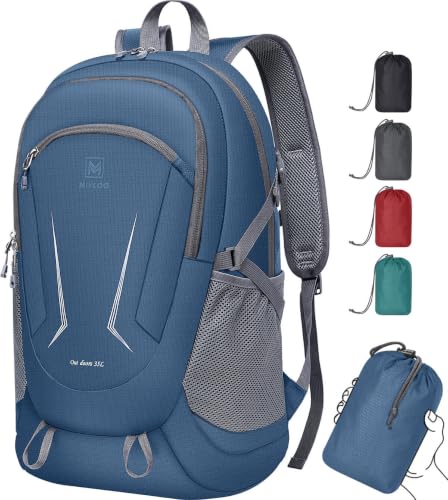
MIYCOO 35L Water-Resistant Packable Backpack
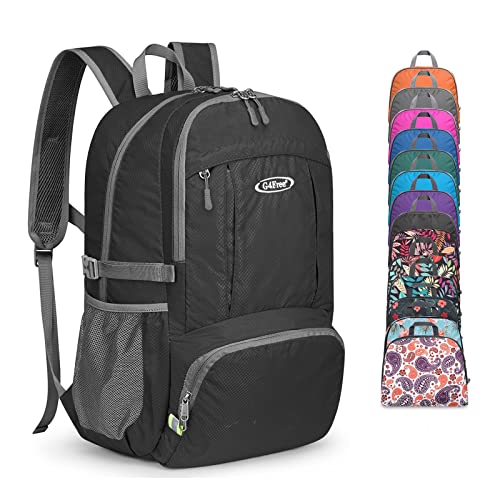
G4Free 40L Packable Hiking Backpack

GOODICE 10L Hydration Backpack with 2L Bladder

HIGH EXPERIENCE Small Packable Hiking Backpack
A Deeper Look At The Lineup
The Daylite crosses the line between commute pack and hiking daypack without becoming specialized for either role. Its simple layout suits a 10-mile walk, while the understated Soundwave Grey finish looks more at home on a train platform than many overtly technical designs.
That crossover matters for people whose weekday bag also handles groceries, library books, and weekend trail gear. Compared with the reservoir-focused N NEVO RHINO farther down the list, this model offers broader daily usefulness, though hydration capacity isn’t its defining strength.
What Makes Sense
- A single pack can move between commuting, errands, and short hikes.
- Its straightforward design avoids unnecessary hiking-specific complexity.
- Compatibility with other Osprey bags expands storage options on longer outings.
Worth Noting
- The listed information provides no exact capacity, so room for bulky wet layers remains uncertain.
- Owners should wipe the pack after damp hikes and allow the body panel to dry before storage.
Key Attributes
Built With In Mind
This model suits commuters and casual hikers who carry one bag between office, transit, errands, and a 10-mile trail.
A Better Fit Elsewhere
GOODICE 10L Hydration Backpack with 2L Bladder is a closer fit for hikers who prioritize steady water access and a compact profile.
Hydration is built into this 17-liter pack rather than added as an afterthought. A 500 ml soft flask is included, giving warm-weather hikers water within reach without requiring a separate reservoir purchase.
The soft container conforms more readily to body movement than a rigid bottle, although its smaller volume may require refilling on warm or long routes. Compared with the Osprey Daylite, this is a more focused trail companion for people who regularly walk in heat.
Notable Upsides
- The included soft flask makes the hydration format ready for the trail.
- A ventilated, high-density foam panel separates the pack from the lower back.
- High-strength nylon gives the exterior a practical basis for routine trail use.
- Its 17-liter capacity balances hydration gear with a lightweight food and layer load.
Small Caveats
- The 500 ml flask may be modest for a hot 10-mile route with few refill points.
- Cleaning tubing and the flask after every use is important for long-term hygiene and reliable operation.
Feature Snapshot
Right Fit For
Warm-weather hikers benefit most from the included soft flask, ventilated back panel, and manageable 17-liter load.
Consider Something Else When
G4Free 40L Packable Hiking Backpack offers more storage for bulky clothing, snacks, and extra trail gear.
The FENGDONG changes roles depending on the trip, carrying hiking equipment on one outing and personal belongings on another. Its foldable format is useful for travel days, and the 35-liter volume leaves more room than the 17-liter N NEVO RHINO without approaching the bulk of the 40-liter G4Free.
Wet-item separation gives it a particular advantage after swimming or exercise. The listed waterproof wet pocket is intended to separate damp clothing from dry contents, so hikers who dislike the smell and dampness of a mixed main compartment may appreciate the arrangement.
Useful Highlights
- A front waterproof pocket separates towels, swimwear, and sweaty clothing from dry gear.
- The 35-liter capacity handles a substantial day-hike load without the largest size in this group.
- Its foldable construction simplifies packing for trips that combine hiking with public transport.
- A nylon lining supports everyday use around wet and dirty gear.
Things To Consider
- The wet pocket should be left open to dry after pool or rainy-day use.
- Folded and padded components require care so moisture doesn’t remain trapped during storage.
- Its larger capacity may feel less streamlined for short walks carrying only a few essentials.
Technical Notes
Who It Suits Best
Pool visits, mixed-rain hikes, and travel days make this a practical choice for people carrying damp gear alongside normal day-hike equipment.
Where Another Pick Shines
MIYCOO 35L Water-Resistant Packable Backpack may serve travelers who prioritize a small folded package and stated splash resistance.
This model appeals to travelers who want meaningful storage but limited luggage space. It measures 12.5 by 8.5 by 20.9 inches when open and folds to 4.5 by 3.9 by 7.8 inches, making it easier to place beside a suitcase or keep in a vehicle between hikes.
The exterior carries an IPX4 rating, a classification for protection against splashing water. That’s useful during drizzle or around a campsite, though it isn’t the same as a sealed, submersible pack. Compared with the FENGDONG, the stated emphasis here is compact packing and water resistance rather than wet-item separation.
Where It Delivers
- The 4.5-by-3.9-by-7.8-inch folded package reduces storage clutter.
- Water-resistant fabric offers reasonable protection during ordinary splashes and light rain.
- A 35-liter open size balances carrying space with a reasonable trail footprint.
- The inner-pocket folding method keeps the packed item together during transport.
Points To Note
- Water resistance doesn’t make the contents safe during rain or direct spray.
- The folded pack should be fully dry before storage to prevent mildew and material odor.
Important Details
Made For
Carry-on travelers and weekend hikers gain the most from its compact folded size and full-size 35-liter carrying capacity.
Swap It Out When
FENGDONG 35L Foldable Hiking Backpack is a stronger fit for wet clothing because it includes a dedicated waterproof pocket.
The largest option here is aimed at hikers who routinely carry more than a light shell and snacks. Its 40-liter volume can absorb bulky clothing, a substantial lunch, and outdoor accessories, while multiple compartments help keep small objects from disappearing into the main section.
That space has a trade-off: people walking only a few miles may find the pack excessive. Unlike the more compact N NEVO RHINO, this design prioritizes flexible storage and wet-item separation over a streamlined reservoir setup.
Noteworthy Benefits
- The 40-liter capacity reduces the need to choose between bulky layers and other essentials.
- Separate compartments simplify organization for food, clothing, and frequently reached items.
- A waterproof rear wet pocket keeps a phone, wallet, or other dry belongings separate from damp gear.
- The foldable structure supports travel days and mixed urban-trail itineraries.
Possible Compromises
- The full capacity can feel cumbersome on short hikes or warm-weather walks.
- Empty pack weight isn’t provided, so comparing its load with lighter options isn’t possible from the data.
- Owners commonly need to empty and air out the wet pocket after swimming or wet weather.
Feature Breakdown
Who Will Love This
Hikers with frequent stops, extra clothing, or organized day-trip gear benefit from the larger 40-liter layout.
Another Choice May Suit
GOODICE 10L Hydration Backpack with 2L Bladder provides a much lighter-feeling format for fast walks with minimal cargo.
Capacity isn’t the main attraction in this compact hydration system. The included 2-liter bladder reduces trips to a water source, while the 10-liter body keeps storage close to a routine hike rather than an overnight load.
Adjustable shoulder, chest, and waist straps help center the reservoir and limit shifting during trail walking or cycling. Breathable mesh across the back panel supports airflow. In my view, that secure profile matters more on a fast route than the extra bulk carried by the 35L MIYCOO.
Practical Advantages
- The 2-liter bladder holds meaningful hydration volume without a large freestanding reservoir.
- Shoulder, chest, and waist adjustments distribute and stabilize the load during movement.
- Breathable mesh at the back improves airflow on longer walks.
- Reflective details add visibility in low-light outdoor settings.
Where It May Fall Short
- The 10-liter compartment leaves little room for bulky clothing, a large lunch, and extensive trail gear.
- Reservoir care requires regular drying and cleaning to prevent trapped moisture and residue.
Best Suited To
Fast hikers, trail walkers, and cyclists benefit from its compact reservoir, stabilized straps, and limited cargo volume.
Not Your Match When
G4Free 40L Packable Hiking Backpack is a better alternative for cold-weather layers, sizable meals, and extra hiking equipment.
The HIGH EXPERIENCE pack centers on a small, foldable format for hikers who travel light. Its limited available information leaves room, materials, and comfort features unclear, but the basic concept is easy to place: carry a light layer, lunch, and water without committing to a full day-hike pack.
That simplicity also creates uncertainty. Unlike the 17-liter N NEVO RHINO, there’s no listed hydration component, and the generic title doesn’t establish an exact capacity. For a confident decision, I would look for dimensions, weight, and shoulder-strap details on the product page.
The Helpful Details
- A compact design suits short outings and limited packing space.
- The foldable format appears aimed at easy storage between trips.
- A simple profile can work for extra layers, snacks, and small personal items.
Details To Watch
- No exact capacity, pack weight, material, or back-panel construction is provided.
- The limited information makes long-distance comfort difficult to compare.
- Holders should inspect zipper finishes and seams because no construction claims are listed.
Made For
Minimalist hikers benefit most when the required load is small and the product page confirms that size and support match their route.
Look Elsewhere When
Osprey Daylite Commuter Backpack, Soundwave Grey offers clearer everyday positioning and broader bag compatibility for regular trail use.
Matching Pack Capacity to the Route
Capacity should reflect the outing, not simply look large on a trail. A 10-mile walk may be manageable with a small pack on a mild day, yet the same route can demand extra water, insulation, food, and navigation tools in changing weather.
Hydration Layouts
A hydration reservoir is convenient for frequent water access, while a conventional bottle offers a simpler cleaning process. Soft flasks tend to move more flexibly, whereas rigid containers often stand more easily in outer pockets.
The 10L and 17L hydration packs suit hikers who want water close at hand. The Osprey Daylite is more flexible for people who alternate between trail and everyday use.
Carrying Comfort Matters
A close back panel, padded shoulder straps, and an adjustable torso area can prevent the pack from shifting. The GOODICE model places particular emphasis on shoulder, chest, and waist adjustment, while the N NEVO RHINO uses a ventilated foam panel for separation from the lower back.
Comfort remains personal, particularly on uneven ground or during warmer walks. A pack that seems streamlined on a paved path can shift differently over descents and loose dirt.
Foldability and Wet-Item Separation
Packable designs are useful for travel, storage, and mixed itineraries. Water-resistant fabric can handle ordinary splashes, but sealed zipper areas and a waterproof rating need separate consideration for sustained rain.
Wet pockets offer a cleaner solution for swimmers and hikers carrying sweaty clothing. FENGDONG and G4Free include this feature, while the other options emphasize general day-hike or hydration use.
Choosing Between Lightweight Trail Packs
Common Shopping Slip Ups
Ignoring total carried weight is a common mistake. A large pack feels inefficient when it holds only a jacket and lunch, while a small model becomes frustrating once bulky rain gear no longer fits. A hydration pack can also feel heavier than an open daypack because water shifts with every step.
What The Higher Tier Buys
A higher-capacity model may provide better organization, a dedicated wet section, or more substantial carrying support. Those additions matter for repeated hikes, wet weather, and longer days; minimalists usually gain little from carrying room they won’t use.
Frequently Asked Questions
How much capacity does a 10-mile day hike require?
A small pack can handle a warm, dry route with water, lunch, and a light layer. A 30- to 40-liter pack provides more flexibility for variable weather and bulky equipment.
Are packable backpacks comfortable for long hikes?
Packable models can be comfortable, but carrying comfort depends on straps, back-panel construction, load placement, and fit. Backpacking storage convenience doesn’t replace those individual support features.
Should a day-hike pack be waterproof?
A water-resistant exterior is useful, but waterproofing varies by material, seams, and closures. Keeping important items in separate sealed pouches remains sensible during sustained rain.
Is a hydration reservoir better than a bottle?
A reservoir offers convenient access through a drinking tube, while a bottle is easier to inspect, fill, and clean. Capacity and refill access matter more than either format alone.
Final Verdict
The Osprey Daylite is the most versatile everyday option, while the N NEVO RHINO makes sense for warm-weather hydration. FENGDONG and G4Free separate wet gear, MIYCOO folds into a compact travel package, and GOODICE stays lean around a 2-liter bladder. The HIGH EXPERIENCE model may suit minimalists, but its limited specifications make a close product-page check essential.