
A good hiking pack manages water, layers, food, and small electronics without turning every mile into a baggage exercise. I’ve focused on day hikes, trail runs, cycling detours, and longer walks where comfort, capacity, and access to hydration matter more than expedition-scale storage. Six backpacks cover those needs, while the INIU power bank handles a separate problem: keeping navigation equipment alive away from an outlet.
The Picks In Brief

Osprey Hikelite LT 16L Backpack, Green

N NEVO RHINO 17L Hydration Backpack with 500ml Flask
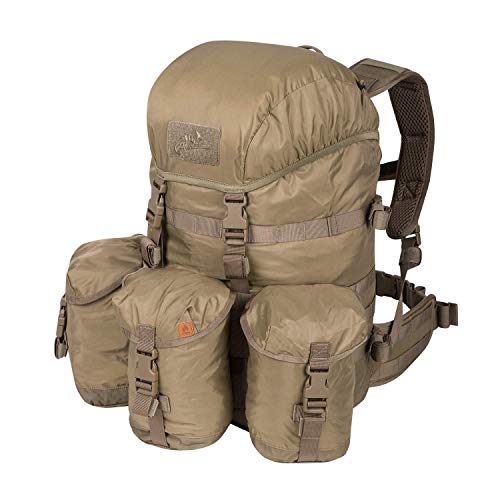
Helikon-Tex Matilda Backpack, Coyote

Criuage 2.0L Hydration Vest for Running & Hiking

Criuage USA Patent 2.0L Running Hydration Vest

Deuter Speed Lite 13L Hiking Day Backpack, Ink-Wave

INIU 10000mAh 45W Compact Portable Charger
What Each Pick Brings To The Table
The Osprey Hikelite LT 16L Backpack, Green is built for warm trails and long days that still fit inside a daypack. Its AirSpeed suspension uses a tensioned mesh backpanel to create airflow and support, a combination that feels more considered than a simple foam panel. I favor it for hikers carrying water, a light shell, snacks, and navigation gear.
Compared with the Criuage vests later in this list, it carries more conventional backpack storage and puts less emphasis on rapid arm movement. The 16-liter capacity makes it useful for a busy day hike, though it won’t replace a true overnight pack. For most summer trail walks, the ventilation-focused carry system is the deciding detail.
What Earns Its Place
- The tensioned mesh backpanel promotes airflow during humid hikes.
- Ventilated shoulder straps help distribute a moderate load without excessive bulk.
- Side pockets keep bottles, snacks, and extra layers within quick reach.
- The included raincover adds protection during sudden weather changes.
Worth Noting
- At 16 liters, it is better suited to daytime essentials than overnight gear.
- The raincover needs careful drying before storage to prevent mildew and odors.
Feature Snapshot
Built With In Mind
Warm-weather hikers carrying a moderate day load benefit most from this pack’s ventilated support and balanced storage.
Where A Sibling Pick Shines
The N NEVO RHINO 17L Hydration Backpack with 500ml Flask better suits hikers who want a reservoir already supplied with the pack.
Hydration should be ready at the trailhead, and the N NEVO RHINO 17L Hydration Backpack with 500ml Flask makes that practical. A soft flask holds 500 milliliters of water and sits inside the pack, while the drinking line provides convenient access on the move. I see it as a solid choice for hikers who don’t want to assemble a separate hydration system.
The nylon exterior and high-density foam backpanel point toward durability and everyday moisture management, though neither feature removes the need for careful drying. Unlike the Osprey Hikelite LT, this pack prioritizes hydration over a ventilated suspension system. A 17-liter body still gives enough room for a compact layer and trail snacks, depending on the shape of the load.
Key Advantages
- The included 500ml soft flask reduces the need to purchase a separate reservoir.
- High-density foam at the back panel adds cushioning and structure.
- The 17-liter capacity balances hydration space with room for daily essentials.
- Soft-flask construction bends with movement instead of retaining a rigid shape.
Some Limits To Know
- The 500ml reservoir may be light for sustained warm-weather hikes.
- Foam and fabric can retain moisture after wet walks and need ventilation before storage.
- Hydration hose routing still needs checking to prevent snagging on branches.
At A Glance
Made For
Casual hikers and beginners benefit from receiving a ready-to-fill hydration system with their daypack.
Another Choice May Suit
The Deuter Speed Lite 13L Hiking Day Backpack, Ink-Wave better serves fast hikers who carry bottles instead of a reservoir.
The Helikon-Tex Matilda Backpack, Coyote is organized for people who treat a day hike like a moving base. Its dual main compartments, three outer pockets, and zippered flap pockets give small equipment distinct homes instead of leaving everything in one crowded cavity. I’d consider it for trail days that include extra clothing, food, tools, and a hydration system.
MOLLE and PALS attachment points expand the storage options, a modular system that lets compatible pouches connect to the outside. Reinforcement at the main chamber and pocket bottoms makes more sense for rough terrain than it would for a beach bag. Compared with the streamlined Deuter, the Matilda is more demanding in size yet more accommodating once the load grows.
Real-World Strengths
- Separate compartments help keep food, clothing, and navigation gear from mixing.
- Three external pockets provide visible access to frequently used items.
- MOLLE and PALS panels support compatible accessory pouches.
- The detachable hip belt can stabilize a fuller load.
- A stiffened back panel adds structure and supports external attachment.
Practical Considerations
- The many drawstrings and straps require routine checks to prevent tangles.
- Multiple pockets can encourage carrying excess weight without clear organization.
- The coyote color shows trail dust and dirt readily.
Core Details
The Right Fit
Multi-day hikers and gear-heavy trekkers benefit most from the Matilda’s numerous compartments and attachment points.
Look Elsewhere When
The Osprey Hikelite LT 16L Backpack, Green better suits warm-weather hikers who value compact simplicity and airflow over extensive organization.
Fast movement changes what counts as comfortable, and the Criuage 2.0L Hydration Vest for Running & Hiking is designed around that issue. A vest keeps water close while freeing the shoulders from carrying a conventional backpack. I favor it for trail runs, marathons, cycling, and brisk hikes where stopping with a full bottle may be inconvenient.
The 2.0-liter bladder, meaning the flexible reservoir holds up to two liters, offers a larger water reserve than the N NEVO RHINO’s 500ml flask. That capacity is useful on warm routes, but the filled weight and snug profile may feel excessive for a short walk. The trade-off favors repeated motion over relaxed sightseeing, which is where a traditional daypack usually feels more natural.
The Good Stuff
- The vest format leaves the shoulders less involved during rapid movement.
- The 2.0-liter bladder supports longer periods between refill points.
- A flexible drinking line permits hydration without removing the vest.
- The close fit reduces the shifting associated with a loose conventional pack.
Details To Watch
- A fully filled bladder adds weight directly against the torso.
- Overheating can still occur where the vest sits close to the body.
- The drinking tube needs regular cleaning to prevent residue and odors.
Feature Facts
Who Will Love This
Runners, cyclists, and fitness-focused hikers benefit from the stable position and hands-free reservoir access.
Not Your Match When
The Deuter Speed Lite 13L Hiking Day Backpack, Ink-Wave better suits walkers who prefer conventional pockets and a detachable waist belt.
Adjustability is the central feature of the Criuage USA Patent 2.0L Running Hydration Vest, and that matters more than decorative details during a long run. Adjustable straps allow the vest to sit closer without relying on a fixed torso shape. I consider it a practical option for runners and fast hikers whose route requires frequent hydration.
The wide mesh shoulder area spreads contact across a broader surface, which can feel more manageable than narrow straps. Its lightweight construction and 2.0-liter reservoir keep the design focused on movement rather than camping storage. Compared with the Criuage 2.0L Hydration Vest for Running & Hiking, this model puts stronger emphasis on adjusting the shoulder fit for demanding activity.
Advantages To Know
- Adjustable straps help keep the reservoir centered during repeated motion.
- Wide mesh shoulder padding distributes pressure across a larger contact area.
- The lightweight material avoids the bulk of a traditional hiking pack.
- A 2.0-liter reservoir gives long-distance runners and hikers a useful water reserve.
Smaller Caveats
- Close-fitting vests can feel warm during unhurried hikes in hot weather.
- Straps may need repeated adjustment as the body moves and settles.
- Loose or badly routed tubes can interfere with arm movement.
- Reservoir cleaning is necessary to prevent odors and residue.
Who Should Grab It
Marathon runners and active hikers benefit most from an adjustable vest built around steady forward movement.
Reach For A Different Pick When
The Helikon-Tex Matilda Backpack, Coyote better suits hikers carrying organized layers, tools, and several external pouches.
The Deuter Speed Lite 13L Hiking Day Backpack, Ink-Wave suits hikers who want little bulk between the trailhead and the summit. Its 13 liters offer less room than the Osprey Hikelite LT, forcing careful packing but keeping the profile light. I’d pack it with a water bottle, compact shell, snacks, and the small essentials needed for an uncomplicated day hike.
The V-shaped frame is designed to preserve a broad range of arm movement and position a load close to the back. A detachable waist belt adds support on rougher trails, while the large stretch compartment makes frequently accessed items easier to reach. Hydration-system compatibility broadens the options, although a reservoir is not described as included.
Strong Points
- The 13-liter size supports gear-light walking without a large frame.
- The V-shaped structure promotes freer shoulder and arm movement.
- A detachable belt adds support without making the waist strap permanent.
- Large zipper pulls remain easier to grasp with cold or gloved hands.
- The flexible interior compartment reduces the need for many small organizers.
Trade-Offs To Consider
- Capacity is limited for bulky layers or overnight equipment.
- Reservoir compatibility is useful, but the source does not identify one as included.
- The stretch compartment can be harder to access than several separate front pockets.
Quick Facts
Whose Shelf It Belongs On
Fast hikers and minimalists benefit from the Deuter’s small capacity, flexible storage, and focus on free movement.
Swap It Out When
The Helikon-Tex Matilda Backpack, Coyote better suits multi-day hikers who require more compartments and modular attachment points.
The INIU 10000mAh 45W Compact Portable Charger is not a backpack, but it solves a problem that affects every day hiker. Navigation apps, phones, and small electronics can consume their batteries before the route ends. I view it as sensible trail equipment for trips that cross remote areas or extend beyond easy access to an outlet.
A 10,000mAh capacity stores enough energy for several smaller charges, while the stated 45W output supports faster replenishment for compatible devices. Its compact dimensions reduce the space it occupies inside a pack, unlike a full-size power station. The trade-off is that it remains an accessory, not a substitute for a water system, shelter, or properly loaded daypack.
Noteworthy Benefits
- The compact body fits more easily into narrow pack compartments.
- 45W output can shorten charging time for compatible devices.
- 10,000mAh offers useful backup for navigation and communication equipment.
Practical Considerations
- Compatibility varies, so device power requirements need checking before a trip.
- Spare power still needs recharging in advance for remote routes.
- Charging ports can collect grit and deserve periodic cleaning.
On-The-Go Choice
Hikers traveling beyond reliable power access benefit from compact backup for phones and navigation devices.
A Better Fit Elsewhere
The Osprey Hikelite LT 16L Backpack, Green better serves anyone whose priority is carrying water and hiking gear rather than portable power.
Matching A Pack To The Route
Capacity sets the practical limit. A 13-liter pack suits water, snacks, a shell, and small electronics, while 16 or 17 liters leaves more room for layers and organization. Hydration systems also change the weight profile: a reservoir keeps water close, but a bottle is simpler to refill and inspect.
Carry comfort depends on movement and load. Backpanels, shoulder straps, and waist belts help distribute weight, but their usefulness depends on torso fit. A pack that feels efficient during a walk may restrict arm movement on a run, so activity matters as much as capacity.
Pockets should follow actual habits. External compartments work well for bottles and quick-access items, while internal organization suits clothing and electronics. MOLLE and PALS attachment points add flexibility, but extra modules increase bulk and complicate packing.
Practical Details That Shape A Pack
Common Shopping Slip Ups
Starting with the largest pack can create unused space and encourage unnecessary gear. Water requirements, weather layers, and route duration provide a more useful basis. Reservoir capacity and tube routing also deserve attention, especially for long or technical trails.
What Separates Premium From Basic
Higher-tier packs often invest in back suspension, load positioning, stronger hardware, and refined storage. Those details matter most with heavier loads, repeated use, or fast movement. For short local walks, simpler construction may provide better value.