
An above-ground electric dog fence can give a dog outdoor freedom without buried wire, but installation, signal range, and correction settings matter more than headline coverage. I’ve compared wireless systems, buried kits, multi-dog configurations, waterproof receivers, and training controls for suburban yards, gardens, and homes with complex terrain. My shortlist favors clear setup, useful adjustment, and ownership considerations rather than inflated promises.
The Choices Worth Comparing

Plkm Wireless Dog Fence Invisible Pet Intelligent Container System
Plkm Dog Wireless Fence Pet Boundary Container 2026 Upgraded System

MIMOFPET Wireless Dog Fence for 2 Dogs
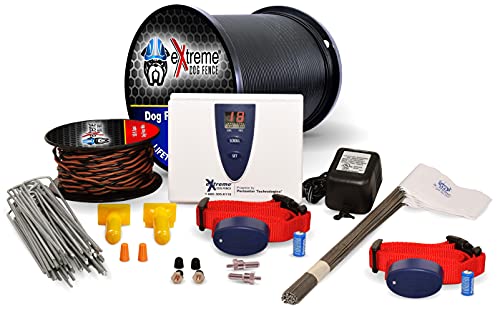
Underground Electric Dog Fence Kit, Pro Grade, 2-Dog, 1000 ft

Underground Electric Dog Fence Kit, Pro-Max, 1-Dog, 1000 ft
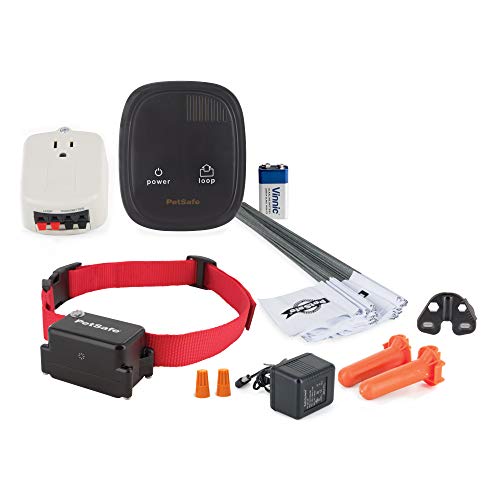
PetSafe Stubborn Dog In-Ground Fence, Without Wire
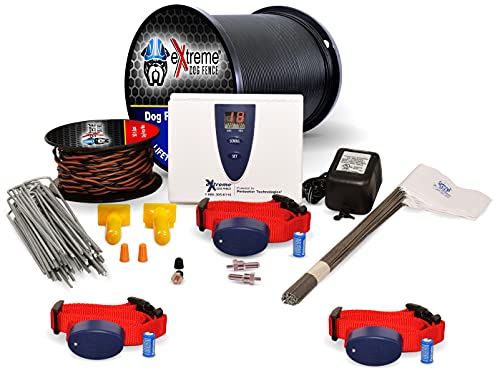
Underground Electric Dog Fence Kit, Pro Grade, 3-Dog, 1500 ft
More Details On My Top Picks
For most suburban yards, a transmitter-centered boundary is easier to install than buried wire. This Plkm system sends its signal in all directions, so the protected area forms a circle around the transmitter rather than following a property line. That shape suits open backyards, but an unusually narrow or irregular plot may require a different layout.
The boundary runs across nine levels and spans 32 to 656 feet, a broad adjustment range that can serve compact gardens or spacious properties. Two collars, rechargeable batteries, and low-power warnings give multi-dog households more control than a basic single-collar setup. I’d still flag the transmitter’s need for continuous power before relying on it overnight.
Key Advantages
- Nine signal levels help refine the circular boundary for different yard conditions.
- Two rechargeable, waterproof collars suit households sharing the same outdoor zone.
- Omni-directional radio coverage can carry around structures and through foliage.
- Battery monitoring helps owners notice a depleted collar before it becomes an issue.
Points To Consider
- A circular zone may cover neighboring areas or a road on an irregular property.
- The transmitter needs a reliable outlet and backup power planning during outages.
- Signal behavior around dense walls and heavily wooded edges may require careful setup.
At A Glance
Right Fit For
Suburban households with two dogs, open yards, and a preference for wireless setup will benefit most from this configuration.
Another Choice May Suit
Underground Electric Dog Fence Kit, Pro Grade, 3-Dog, 1500 ft offers a better fit for three-dog homes that need a physical boundary and a longer wire run.
The second Plkm system is more compact in its feature set than the 656-foot model. Its 433 MHz radio, a radio-based signal carrier, provides ten adjustment levels and a stated 100-to-2,000-foot range, which can make it useful on a large rural property. In my view, the broad number needs realistic mapping around the home before a dog relies on it.
The receiver offers vibration and low-voltage static correction modes, with the system disabling those functions after shutdown. That gives owners a cue hierarchy rather than relying on one response alone. The main compromise is less information: the source doesn’t identify collar count, water resistance, battery monitoring, or a complete package inventory.
What It Does Well
- Ten signal levels offer fine boundary changes during setup.
- Vibration provides a non-static response option.
- The radio system avoids a buried wire installation.
Honest Caveats
- The 2,000-foot figure may be difficult to map around buildings and neighboring property.
- Collar quantity and water-resistance details aren’t provided.
- Owners must test the boundary indoors and outdoors before leaving a dog unattended.
- Powering down removes vibration, static correction, and the test-lamp response.
Who It Suits Best
First-time fence shoppers with a straightforward wireless setup and a large open test area will find the adjustment range approachable.
Consider Something Else When
MIMOFPET Wireless Dog Fence for 2 Dogs is the stronger fit for a household that needs two collars and a separate training remote.
Training support separates MIMOFPET from the more basic Plkm boundary systems. Its remote combines beep, nine vibration levels, and 30 static levels with a stated 5,900-foot control range, giving owners a way to work on response behaviors beyond the fence edge. A 185-day standby claim also stands apart from the recharge-based first system, although charging habits still matter.
The source describes a two-dog wireless system with a flash light and waterproof construction, which makes it a serious fit for busy multi-dog homes. I would treat remote range as an open-field figure rather than a promise through several buildings. Training collars also require careful introduction, starting at the lowest appropriate setting.
Useful Touches
- Three response modes support a gradual training approach.
- Two-dog capacity serves shared household routines.
- The remote extends training beyond basic boundary setup.
- Flash light and waterproof construction suit outdoor routines.
- Standby time reduces frequent charging interruptions.
Worth Noting
- Static training requires responsible introduction and low starting settings.
- Remote range will vary around walls and outdoor obstructions.
- Multiple modes can complicate setup for a new dog.
Feature Snapshot
Made For
Multi-dog households that want containment and remote training functions in one system are the primary fit.
Where A Sibling Pick Shines
Plkm Wireless Dog Fence Invisible Pet Intelligent Container System is easier to prefer for a basic two-dog yard with a tighter 656-foot boundary and visible collar battery monitoring.
Buried wire becomes appealing once a yard includes pools, garden beds, or a boundary that can follow a specific shape. This Extreme Dog Fence kit carries 1,000 feet of wire and supports two dogs, while three antennas help distribute the radio signal around the installed boundary. That installation is more involved than placing a central transmitter.
For a dog that swims, the receiver’s stated ability to withstand submersion to 10 feet removes a common concern in wet climates. Battery, temperature, and wire checks add practical troubleshooting information, but the collar still needs routine charging and periodic signal testing. My choice would depend mainly on whether the shape of the yard matters more than wireless convenience.
What Makes Sense
- Custom wire placement can follow irregular boundaries.
- Two receivers serve a multi-dog household.
- Three antennas support signal distribution.
- Waterproof receivers suit swimming dogs.
Small Caveats
- Installation requires routing wire around property obstacles.
- Soil conditions can affect how easily the wire is buried.
Quick Facts
Who Will Love This
Owners of two dogs who need a shaped, permanent boundary and regularly handle wet outdoor conditions will appreciate this kit.
A Better Fit Elsewhere
MIMOFPET Wireless Dog Fence for 2 Dogs is easier for households wanting remote training controls without a buried wire run.
The Pro-Max kit takes a different approach from the two-dog Pro Grade system. It is built for one dog and a stated area of up to 25 acres, with a wider signal field intended for larger properties. The 1,000-foot wire can sit above ground or be buried, which gives owners flexibility during initial mapping or later landscaping.
Its protective wire jacket is designed for outdoor durability, and the source states a service life of more than 25 years under suitable use. That claim represents a major part of the ownership value, but exposed sections still need inspection for damage, digging, and moving soil. For a single dog with plenty of acreage, the field width is the deciding strength.
Strengths Worth Knowing
- Wide signal field supports expansive property layouts.
- Wire may be buried or left above ground during setup.
- Protective jacket supports long-term outdoor use.
Trade Offs To Consider
- The single-dog format doesn’t suit a multi-dog household.
- Wire routing still creates an installation task.
- Large-area boundaries require careful signal mapping.
Technical Highlights
Whose Yard It Belongs On
A single-dog household with broad acreage and a need for permanent, shaped coverage is the strongest match.
Not Your Match When
Plkm Wireless Dog Fence Invisible Pet Intelligent Container System is a more practical choice for a two-dog yard where avoiding buried wire matters most.
PetSafe focuses this package on dogs that repeatedly disregard ordinary boundaries. The receiver collar and in-ground system are designed to provide consistent correction, while the wire is sold separately. That means shoppers must account for boundary-wire length separately from the core kit.
For a persistent dog, a dedicated system may make more sense than choosing the largest advertised range on a general wireless kit. The tradeoff is that this is an in-ground installation, so trenching and signal mapping replace the convenience of a central transmitter. Owners commonly need to test the finished boundary with the dog before expanding access.
Notable Gains
- Dedicated design addresses persistent boundary behavior.
- In-ground placement creates a defined perimeter.
- Separate wire lets owners select the needed run length.
Factors To Consider
- The boundary wire is not included.
- Installation requires planning around paths, beds, and structures.
- Regular collar and wire checks are important in daily ownership.
Built With In Mind
Dogs with a strong history of ignoring familiar boundaries may benefit most from this focused containment approach.
Look Elsewhere When
Plkm Dog Wireless Fence Pet Boundary Container 2026 Upgraded System is simpler for a basic wireless boundary, though it doesn’t have the same stubborn-dog focus.
Three dogs change the layout problem because each collar needs consistent reception around the same perimeter. This Extreme Dog Fence kit includes 1,500 feet of wire and a three-dog configuration, making it more useful for a shared suburban yard than the one-dog Pro-Max. The extra wire also gives owners room to route around an outbuilding or garden feature.
It shares the Pro Grade electronics approach: three antennas, battery, temperature, and wire checks, plus a receiver rated for submersion to 10 feet. That water resistance is meaningful for dogs who swim, while diagnostics help locate faults before the dog reaches an unreliable section. Installation remains the decisive compromise, and buried wire may conflict with intensive landscaping work.
The Helpful Details
- Three receivers support larger dog households.
- 1,500 feet offers more routing flexibility.
- Three antennas support perimeter signal distribution.
- Submersible receivers suit wet climates.
- Battery and wire checks aid maintenance.
Possible Compromises
- Trenching and wire placement add installation work.
- Outdoor landscaping can disturb buried sections.
Details At A Glance
Best Suited To
Households with three dogs, a sizable yard, and a preference for a shaped permanent boundary are the clearest fit.
Reach For A Different Pick When
Plkm Wireless Dog Fence Invisible Pet Intelligent Container System is easier to install for two dogs who can work with a circular wireless area.
What Matters Before Installing a Dog Fence
Choose the boundary shape first
Wireless systems create a circular zone around a central transmitter, making them convenient for open yards. Buried systems let you follow walls, paths, pools, and property edges more closely. Depending on your layout, that flexibility may justify the extra installation work.
Count the dogs and collar functions
A two-dog household should confirm that the package includes two receivers and that both support the same boundary settings. Training collars with remote controls serve a different purpose from basic containment, so response modes matter for a persistent dog.
Check environmental limits
Buildings, trees, fences, soil, and outdoor wiring can affect signal behavior. Ask whether the collar is waterproof or submersible, how often it needs charging, and whether the system offers battery or wire checks before choosing a final option.
Common Mistakes to Avoid
The biggest mistake is trusting a headline radius without mapping the full property. I’d test the boundary at its narrowest points, near doors, and beside neighboring areas. Another error is selecting a system for a larger dog count than the package supports, which can leave one dog without consistent coverage.
The Upgrade Payoff
Higher-tier systems tend to add wider coverage, more antennas, stronger water resistance, or extra collar capacity. Those details matter for large properties, swimming dogs, and households with several animals, while a compact yard may not need the added hardware. The upgrade is most useful when the simpler configuration creates a boundary-shape or coverage limitation.
Frequently Asked Questions
Are above-ground electric dog fences suitable for large yards?
Wireless systems can work in large yards, but circular boundaries may cover neighboring areas. A buried system offers more control over an irregular perimeter.
Which system is easiest to install?
A transmitter-based wireless system generally involves fewer physical installation steps than a buried wire kit. Setup still requires careful boundary testing and a secure power source.
Can two dogs share one wireless fence?
Only systems that include two compatible receiver collars support that arrangement. Confirm the package contents and boundary range before ordering.
What should I check before leaving a dog outdoors?
I verify the collar fit, battery status, correction level, and signal coverage first. I also keep the dog supervised during the initial training period rather than relying on the fence immediately.
Is a waterproof receiver necessary?
It matters for dogs that swim or for yards near pools and wet landscaping. A water-resistant collar adds flexibility, but charging and signal checks remain regular maintenance tasks.
Closing Thoughts
I lean toward the Plkm Wireless Dog Fence Invisible Pet Intelligent Container System for a simple two-dog wireless setup, while the Extreme Dog Fence kits fit yards where a shaped, permanent perimeter matters. MIMOFPET makes the most sense for combined containment and remote training, and PetSafe suits a dog with a strong history of ignoring boundaries. The right choice comes down to property shape, dog count, and how much installation work you’re comfortable managing.