
Affordable binoculars for hunting rarely need every feature found in premium glass. Magnification, objective size, optical coatings, grip, weather resistance, and close focusing distance shape how useful a pair feels across dawn scouting, long woodland watches, and open-country tracking. I prioritize practical field performance, portable dimensions, and simple controls, while also separating general-purpose binoculars from the two telescopes included for comparison.
A 10×42 configuration offers a balanced field of view and useful subject detail, making it easier to scan terrain than through higher-power models. Compact 10×25 and 20×25 binoculars reduce pack weight, although narrower light-gathering lenses and hand tremor can make them less comfortable during prolonged observation.
A Quick View Of The Lineup

10×25 Compact Binoculars for Kids

Celestron Nature DX ED 8×42 Binoculars

Nikon ACULON A211 10×42 Binoculars
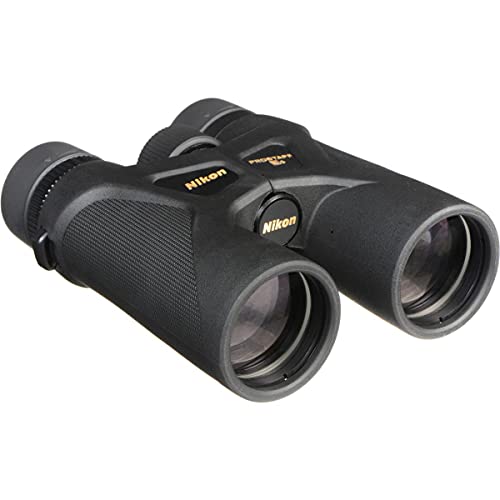
Nikon PROSTAFF 3S 10×42

WOZEL 20×25 Compact Binoculars

Celestron Travel Scope 80mm Telescope Kit

Celestron StarSense Explorer LT 80AZ Telescope
A Closer Look At Each Pick
The M MIXIO 10×25 pair fits a pocket, day pack, and young hunter learning to scan an unfamiliar field. Ten-power magnification provides enough detail for short-range wildlife observation without the bulk of a 10×42 model, while the armored housing and non-slip grip support regular outdoor handling.
For concerts, cruise excursions, and casual bird watching, that portability matters more than fine edge detail. BAK4 prisms and fully multi-coated lenses describe the optical construction, meaning multiple anti-reflective coatings are used to reduce surface glare. I see this as a sensible entry point for adults and children, although long sessions at dawn may expose the limits of its small objective lenses.
Noteworthy Benefits
- The compact body reduces bulk during walks and travel
- Ten-power magnification supports general wildlife scanning
- The textured grip stays controllable in damp conditions
- Armored housing adds protection against bumps and scratches
Things To Consider
- The narrow 25mm objectives gather less light than 42mm models
- Owners may notice more hand movement at the higher 10x setting
- Lens and eyepiece surfaces need careful storage against grit and moisture
Who It Suits Best
This model suits beginners, children, travelers, and hunters working close to roads or established trails.
Another Choice May Suit
The Nikon ACULON A211 10×42 Binoculars offer a more comfortable fit for extended wildlife watches and brighter woodland viewing.
Eight-power magnification makes the Celestron Nature DX ED easier to keep steady than the 10x models, which is valuable during a long morning spent watching a clearing. Its 42mm objective lenses gather more light than compact 25mm designs, supporting a clearer view in shaded habitat and dim dawn conditions.
The ED designation refers to extra-low-dispersion glass, which reduces color fringing around high-contrast edges. For birding and wildlife viewing, that can help distant subjects retain cleaner detail. Compared with the M MIXIO compact pair, this is the more serious field instrument, though it takes up noticeably more room in a pack.
Where It Excels
- Low magnification produces steadier views of moving animals
- The 42mm objectives help during shaded or low-light observation
- Extra-low-dispersion glass limits color fringing at distance
- Waterproof construction suits wet woodland and open-country use
Worth Noting
- It is less pocketable than either 25mm compact model
- Eight power provides less magnification than the 10x and 20x alternatives
At A Glance
The Right Fit
This pair fits birders, new hunters, and wildlife watchers who value a steady, bright view more than maximum magnification.
Look Elsewhere When
The WOZEL 20×25 Compact Binoculars suit stationary target tracking where more magnification matters more than a broad, steady field.
The 10×42 format makes the Nikon ACULON A211 a natural all-rounder for hiking, wildlife observation, and general field scanning. It offers more magnification than the Celestron Nature DX ED without reaching the 20x level, giving hunters a useful compromise between subject detail and hand stability.
Nikon emphasizes low weight and comfortable ergonomics, with turn-and-slide rubber eyecups that can be adjusted to reduce stray light. Multicoated optical elements help manage reflections, and a Porro prism design keeps familiar viewing behavior. The smooth central focus knob should appeal to beginners, although tripod adaptability also helps during long watches.
A Few Strong Suits
- The balanced 10×42 layout suits broad outdoor activities
- Rubber eyecups support comfortable extended viewing
- Armored rubber provides a secure grip in wet weather
- A central focus knob keeps everyday adjustments straightforward
- Tripod adaptability reduces fatigue during stationary observation
Minor Gripes
- Ten power may expose minor hand movement to beginners
- Unlike the PROSTAFF 3S, no weatherproof claim is specified in the available data
- Careful lens storage remains important after dusty field use
Quick Facts
Built With In Mind
This model suits hikers, beginners, and hunters who spend several hours scanning mixed terrain and value simple controls.
A Better Fit Elsewhere
The Nikon PROSTAFF 3S 10×42 is the stronger choice for wet environments where weather and fog resistance are essential.
Compared with the lighter ACULON A211, the PROSTAFF 3S places greater emphasis on outdoor resilience. Its 10×42 layout preserves the same balanced combination of magnification and light gathering, while Eco-Glass optics and several reflective coatings are intended to maintain brightness across the visible spectrum.
Waterproof and fogproof construction makes this pair more convincing for rain, river valleys, and early-season hunts. Turn-and-slide rubber eyecups help block peripheral light and stay in place during movement. I favor it for multi-day field use, though its weather-focused design remains bulkier than the M MIXIO compact model.
Where It Delivers
- Waterproof and fogproof construction supports damp field conditions
- Multilayer coatings help preserve image brightness
- Silver-alloy mirror coatings improve internal light reflection
- Adjustable eyecups block stray light and stay aligned
Honest Caveats
- Its larger 42mm objectives occupy more pack space
- Ten power still benefits from a tripod during long, motionless watches
Feature Snapshot
Made For
This pair fits hunters and wildlife watchers who regularly operate in rain, fog, or changing woodland conditions.
Swap It Out When
The Celestron Nature DX ED 8×42 Binoculars suit stationary wildlife observation where steadier eight-power viewing is preferable.
Twenty-power magnification pulls distant birds and stadium spectators into a smaller field of view, making the WOZEL pair attractive for steady, target-focused viewing. Its compact 25mm objectives keep the body easier to carry than the 42mm alternatives, which matters during travel events and long walks.
BAK4 Porro prisms and fully multi-coated lenses support the optics, with multiple coatings reducing glare across several visible wavelengths. For hunting, I would use this magnification selectively: it offers reach, but the narrower field makes scanning a large landscape less forgiving than 8x or 10x binoculars.
What Helps Most
- Twenty power makes distant subjects appear larger
- The compact body fits small day packs
- Porro prisms support a traditional binocular design
- Multiple lens coatings help control reflected light
Trade Offs
- The narrow 25mm objectives gather less light in dim conditions
- Hand movement becomes more noticeable at 20x
- Owners may struggle to locate moving animals without a steady view
- Outdoor dust can scratch exposed lens surfaces during careless transport
Whose Shelf It Belongs On
This model suits sports spectators, casual bird watchers, and hunters monitoring fixed distant locations from a stable position.
Not Your Match When
The Nikon PROSTAFF 3S 10×42 fits hunters who need wider light gathering, steadier handling, and wet-weather construction.
The Celestron Travel Scope shifts away from hunting and toward portable astronomy. An 80mm aperture, meaning the main light-collecting diameter, provides more light than a very small travel telescope, while fully coated glass optics help improve transmission through the optical path.
The backpack, two eyepieces, and smartphone adapter make it a convenient kit for families entering stargazing. Daytime landscape viewing and nighttime Moon observation fit its beginner-oriented design. It should not replace hunting binoculars, though, since the single narrow view and tripod-oriented setup are poorly matched to scanning moving game.
Benefits That Matter
- The 80mm aperture gathers useful light in a portable format
- Coated glass supports brighter observations than an entry-level setup
- The backpack simplifies transport to open observing locations
- A smartphone adapter adds a practical capture option
Practical Considerations
- This telescope does not provide the two-eye scanning view expected from hunting binoculars
- Setup requires more deliberate alignment than handheld observation
Core Details
Who Will Love This
This kit fits families, casual stargazers, and travelers who want a ready-to-pack astronomy setup.
Where A Sibling Pick Shines
The M MIXIO 10×25 Compact Binoculars for Kids serve handheld wildlife observation and cost far less to carry into a hunting area.
The StarSense Explorer LT 80AZ uses a docked smartphone to analyze the night sky and help identify celestial targets. That guidance reduces the initial frustration of learning where planets, bright stars, and other objects sit in the sky, making this telescope more approachable than a fully manual entry model.
The alt-azimuth format refers to an altazimuth mount, which moves vertically and horizontally instead of relying on a polar-aligned axis. It suits casual stargazing at home, campsites, and open fields. Like the Travel Scope 80mm, it remains an astronomy instrument rather than a substitute for binocular glass during hunting.
What It Does Well
- Smartphone guidance helps beginners locate sky objects
- The alt-azimuth mount suits casual setup at varied locations
- An 80mm aperture supports lunar and basic deep-sky observation
Some Limits To Know
- A phone and app-based workflow are central to guided operation
- The telescope cannot scan terrain with a binocular field of view
- Outdoor condensation requires careful acclimation and lens care
Best Suited To
This telescope fits new stargazers, families, and campers who want digital assistance with locating objects.
Reach For A Different Pick When
The Nikon ACULON A211 10×42 Binoculars serve handheld game scouting and daylight wildlife observation far better.
Matching Binoculars To The Field
Magnification determines how much a subject appears enlarged, while objective diameter affects light gathering. A 10×42 setup offers a practical middle ground for scanning wildlife at medium range: 10 power adds detail, and 42mm objectives support brighter views than compact 25mm lenses. Hunters who shake easily or watch from a fixed blind may prefer 8×42 binoculars, which generally feel easier to hold steady.
Field conditions influence the next choice. Rubber armor protects against everyday knocks, and a textured grip matters in rain, fog, or cold weather. Waterproof and fogproof construction is more relevant for multi-day hunts than for casual backyard observation, while close focusing distance can improve wildlife photography where a tripod or adapter is used.
Weight and pack space deserve equal attention. Compact binoculars are convenient for children, travel, and moving through dense woods, but higher magnification and smaller objectives often bring more hand movement. A balanced 10×42 model is easier to carry than 42mm binoculars but far less cumbersome than a telescope kit.
Practical Choices For The Field
Mistakes Worth Dodging
Choosing by magnification alone can lead to shaky views and a narrow field. I would compare 8x and 10x models first, then check grip, dimensions, and weather resistance.
What Separates Premium From Basic
Better coatings, specialized glass, sealed construction, and stronger focus mechanisms can improve light transmission, durability, and control. The extra cost matters most for frequent outdoor use rather than occasional backyard observation.