
A Bowie knife is a serious piece of field equipment, not a novelty accessory. I focus on blade construction, handle security, carry method, sheath support, and the balance between a compact hunting tool and a larger camp knife. The models below cover folding, fixed-blade, full-tang, handmade, and kitchen-oriented options, with honest trade-offs for different outdoor routines.
An Overview Of The Picks

Buck Knives 110 Folding Hunter Knife

Buck Knives 119 Special Hunting Knife

Buck Knives 192 Vanguard Hunting Knife

Handmade D2 Stainless Steel Bowie Knife

SZCO Full Tang Bowie Knife 15 Inch

Dispatch Fixed Blade Hunting Knife 12-Inch
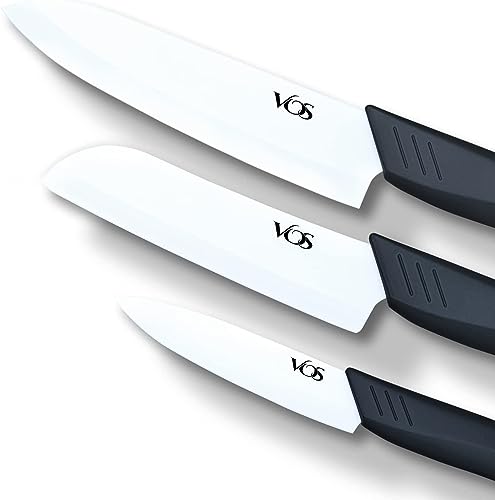
Vos Ceramic Knife Set, 4, 5, and 6 Inch
The Strengths Of Each Pick
The Buck 110 suits a hunter who wants a capable knife without carrying a fixed blade openly. Its lockback folding design keeps the 3.75-inch 420HC blade protected during travel, while the finger grooves give the hand a more deliberate grip. I consider it a practical choice for camp chores, field dressing, and situations where a compact tool is easier to manage.
Compared with the larger fixed-blade models here, the 110 sacrifices reach for portability. The 7.2-ounce figure makes it relevant for a day hike or a vehicle kit, though users handling wet or slippery materials may prefer a larger fixed blade.
What Pays Off
- Folding construction reduces exposed blade length during transport.
- The 3.75-inch 420HC clip blade offers a practical balance of reach and control.
- Finger grooves add grip definition during detailed field work.
- Light carry weight suits hunting packs and everyday tool kits.
Things To Consider
- A folding blade usually provides less leverage for heavy cutting than a fixed blade.
- Owners should clean and dry the pivot and blade after moisture exposure.
At A Glance
Made For
This model fits hunters, hikers, and commuters who need a compact blade for light field tasks.
Consider Something Else When
Choose the Buck 119 Special Hunting Knife instead when a fixed blade and fuller reach matter more than pocketability.
The 119 Special is the more traditional answer in this group, with a fixed blade and a phenolic handle that feels suited to sustained field handling. Phenolic resin is a dense, moisture-tolerant handle material, though actual grip comfort depends on hand shape and conditions. For a hunter who leaves a knife in a sheath and draws it repeatedly, that fixed profile has clear practical appeal.
Compared with the Buck 110, this model offers more leverage and a larger working surface. The trade-off is less convenient storage, and the 7.5-ounce weight remains noticeable during long walks.
The Upside
- Fixed-blade construction supports controlled, powerful cutting motions.
- Phenolic handle offers a firm, substantial grip for field tasks.
- The included sheath supports belt or pack carry for hunting setups.
- Its straightforward design suits users who prefer a traditional knife profile.
Worth Noting
- The exposed blade needs a sheath whenever it is not being used.
- Its fixed profile is less convenient for backpack organization than the Buck 110.
- Cleaning and oiling the blade and handle after wet use help limit surface wear.
Who It Suits Best
The 119 Special fits experienced hunters and traditionalists who value fixed-blade leverage and simple sheath storage.
Where Another Pick Suits Better
The Buck 110 Folding Hunter Knife is the better fit for people who prioritize compact storage and quick one-handed access.
The 192 Vanguard brings a lighter fixed-blade profile to the roundup, with a 6.3-ounce listed weight that makes it easier to carry than the 119 Special. Its DymaLux handle offers a shaped grip for camp work and field dressing, while the drop-point blade favors general-purpose control over aggressive slicing. For routine hunting tasks, that middle ground is often more useful than a very large Bowie profile.
Compared with the SZCO and Dispatch models, the Vanguard is less imposing in the hand. It still needs responsible sheath storage, and people working with especially tough materials may find the shorter blade less efficient.
Noteworthy Benefits
- The 6.3-ounce weight favors pack carry and repeated field access.
- A drop-point blade supports a broad range of controlled cutting tasks.
- DymaLux provides a shaped alternative to a plain cylindrical handle.
- The sheath keeps this fixed blade protected during transport.
Small Caveats
- Its smaller size offers less reach for large camp materials.
- Handle texture and blade tracking can vary with individual units.
Built With In Mind
This knife fits hikers and hunters who want lighter fixed-blade carry without moving to a large tactical profile.
Another Choice May Suit
The SZCO Full Tang Bowie Knife is more appropriate for people who need a longer blade and a visibly substantial full-tang handle.
This handmade Bowie option has the most distinctive presentation in the group, aimed at campers, bushcraft practitioners, and collectors who value a traditional silhouette. The D2 stainless steel designation points to a blade material chosen for edge retention, while the resin and olive wood handle creates a warmer, decorative grip than the rubber and phenolic options elsewhere. Its 12.5-inch profile gives it presence in a display case or camp kit.
The catch is the balance between appearance and field practicality. A handmade resin-and-wood handle may need more care around prolonged moisture than a fully synthetic grip, and the large profile is less convenient for daily pocket carry.
A Strong Showing
- D2 steel supports a strong focus on edge retention.
- Resin and olive wood give the knife a distinctive handmade appearance.
- The 12.5-inch size suits camp tasks that benefit from reach.
- Its traditional Bowie profile works well for display-oriented collections.
Honest Caveats
- Wood-containing handles benefit from careful drying after wet use.
- Its long fixed profile is heavier and less discreet than compact hunting knives.
- Collectors should inspect handle fit and sheath retention closely.
Right Fit For
This model suits bushcraft enthusiasts and collectors who prefer a characterful handmade knife over a minimal field tool.
Look Elsewhere When
The Buck 192 Vanguard Hunting Knife is the more practical choice for hunters who prioritize light fixed-blade handling.
The SZCO 15-inch Bowie is built around a full tang, meaning the steel extends through the handle rather than stopping at the visible blade. That construction can support strength and handling in demanding camp work, while the rubber handle gives the larger knife a more secure surface. It is a noticeable step up in size from the Buck 110 and Buck 192.
That size is useful for camping, hiking, and outdoor chores where reach matters, but it can feel cumbersome in a small pack. The sheath helps with storage, though I would inspect the retention system before attaching a heavy Bowie to a belt or pack.
Reasons It Performs
- Full-tang construction supports a substantial handle-to-blade connection.
- The 15-inch profile provides useful reach for camp preparation.
- Rubber grip material suits wet or dirty outdoor handling.
- The included sheath keeps the fixed blade covered during transport.
Possible Compromises
- The long fixed profile is unsuitable for discreet everyday carry.
- Rubber and sheath components need cleaning after muddy or wet use.
Best Suited To
This knife fits campers and outdoor workers who want a long fixed blade for larger utility tasks.
Swap It Out When
The Buck 110 Folding Hunter Knife is the better fit for a compact, pocket-oriented carry setup.
Dispatch takes the large fixed-blade idea in a tactical Bowie direction, with an overall length of 12 inches and a 7.1-inch blade. The high-carbon stainless steel specification supports a balance of hardness and toughness, while the non-slip handle is intended to improve control during demanding outdoor tasks. For bushcraft work, the added reach can make camp preparation more practical than a compact hunter.
Its 14.4-ounce weight is substantial compared with the Buck fixed blades. Users who carry one knife for long hikes may prefer the 192 Vanguard, while this model makes more sense for organized camp kits and heavier cutting work.
Good Reasons To Consider
- The 7.1-inch blade provides substantial working reach.
- Non-slip handle texture supports controlled handling in field conditions.
- High-carbon stainless steel is suited to edge retention and toughness.
- The sheath supports organized fixed-blade storage.
Factors To Consider
- The 12-inch size is less convenient for compact packs.
- Large blades need especially careful sheath handling and cleaning.
Technical Highlights
Whose Shelf It Belongs On
This model fits bushcraft practitioners and camp organizers who favor a larger tactical-style blade.
Reach For A Different Pick When
The Buck 119 Special Hunting Knife is the more traditional fixed-blade option for conventional hunting setups.
The Vos set is a clear departure from the outdoor knives around it: ceramic blades are designed for kitchen preparation rather than field dressing or camp chopping. The 6-inch chef’s knife, 5-inch santoku, and 4-inch paring knife cover common prep tasks, while the included covers help protect the edges during drawer storage. For a busy kitchen, the lightweight set may be more convenient than maintaining several large fixed blades.
Ceramic material is less prone to rust than steel, but it can be less forgiving of impacts and unsuitable for some hard, frozen, or bone-in foods. I would keep it in a protected kitchen drawer and use the appropriate blade for the task.
Standout Benefits
- Three blade sizes cover slicing, general prep, and smaller produce work.
- Ceramic construction avoids the rust concern associated with steel blades.
- Covers make drawer storage and edge protection more practical.
- Lightweight construction suits everyday kitchen use.
Details To Watch
- Ceramic is not the natural choice for heavy chopping or frozen foods.
- Dishwasher use can create concern around edge and handle longevity.
- This set does not replace an outdoor fixed-blade knife.
Who Should Grab It
This set suits home cooks who want a compact ceramic prep trio and want to keep outdoor tools separate.
Not Your Match When
Choose the SZCO Full Tang Bowie Knife instead for camping, hunting, and larger outdoor cutting tasks.
Choosing A Fixed Blade Or Folding Tool
Blade length changes control more than any other basic dimension. A compact blade is easier to carry and usually better for detail work, while a longer profile offers reach for camp preparation and larger materials. I match the blade to the task instead of assuming that a larger knife handles every job well.
Handle And Carry
A fixed blade provides leverage and a straightforward working position, but it requires a dependable sheath. Folding designs reduce exposed blade length and suit backpacks or vehicle kits, though a folding mechanism adds moving parts that need occasional cleaning. Handle texture matters in wet conditions, while resin, phenolic, DymaLux, rubber, and ceramic each create a different ownership experience.
Steel And Edge Care
D2 and 420HC are stainless steel choices associated with edge retention and corrosion resistance, but steel type does not remove the need for sensible care. Fixed blades should be cleaned, dried, and stored in their sheaths after use. Ceramic kitchen blades need a separate approach because their brittleness makes hard-food tasks and impacts less suitable.
Common Mistakes To Avoid
Where Shoppers Go Wrong
A common mistake is choosing by appearance alone. A dramatic Bowie profile may look right for display, yet carry weight, sheath fit, handle security, and blade control determine daily usefulness. I also avoid assuming that “made in the USA” guarantees every feature preference, so shoppers should compare the listed construction and dimensions with the intended task.
The Case For Spending Up
Higher-tier options often add more specific materials, refined handles, or larger working surfaces. The handmade D2 knife may suit someone who values traditional appearance, while the Dispatch offers a longer tactical profile for camp work. Extra cost is most useful when it directly improves the task, not simply because a model carries a more elaborate name.
Frequently Asked Questions
Are Bowie knives suitable for everyday carry?
A folding model is more practical for everyday carry because the blade folds into its handle. A fixed Bowie usually belongs in a sheath and works better in a vehicle, camp kit, or hunting pack.
Which length is best for hunting?
A shorter fixed blade offers finer control for skinning and detailed field tasks. A longer model provides more reach for camp preparation, but it may feel less maneuverable in dense brush.
What is a full tang?
A full tang extends the blade steel through the handle, creating a continuous spine under the grip. It can support a substantial handle and controlled leverage, although the overall size still affects handling.
Can ceramic knives be used outdoors?
I keep ceramic knives in the kitchen because hard foods, impacts, and demanding camp tasks are poor matches. An outdoor user should select a fixed or folding knife designed for field work.
How should a fixed-blade knife be stored?
Keep the blade fully seated in a compatible sheath and store the sheath away from children. Clean and dry the knife after wet use to reduce surface wear and maintain smooth handling.
Final Verdict
I would choose the Buck 110 for compact carry, the Buck 119 for traditional fixed-blade handling, and the Buck 192 for lighter field work. Larger Bowie profiles suit organized camp kits, while the handmade D2 option fits collectors and bushcraft-focused users. The Vos ceramic set belongs in a kitchen, not an outdoor knife roll.