
Calling elk requires more than volume. A useful setup must reproduce herd sounds, fit naturally during a long packout, and hold up through cold mornings, repeated handling, and wet brush.
I selected calls and related field equipment based on reed design, sound range, mouth control, portability, and practical hunting use. The list includes diaphragm reeds for bull and cow vocals, along with three pieces of essential elk-hunting equipment. Together, they cover everything from locating animals at range to carrying optics and protecting harvested meat.
The strongest starting point for new callers is the Phelps AMP Beginner. Experienced hunters may prefer the multi-call ESH set, while the Primos Super Pack Bugle offers a different mouthpiece design and the Rocky Mountain pack provides three diaphragm options.
A Side-By-Side Look
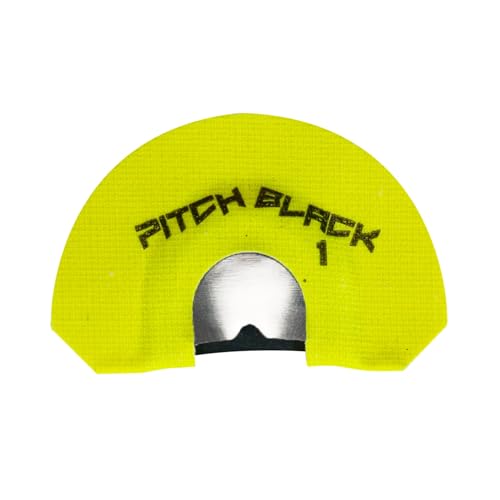
Phelps AMP Elk Diaphragm Pitch Black Beginner

Lone Trail SB1 25L Silent Hunting Backpack

Rocky Mountain Elk 101 Diaphragm Call 3 Pack

Primos Super Pack Bugle Mossy Oak

Lone Trail Binocular Harness Chest Pack

Lone Trail Elk Game Bags 5 Pack

ESH Bull and Cow Elk Call Set
Inside Each Recommended Option
The beginner designation matters here. The diaphragm, meaning the flexible reed-and-frame assembly held inside the mouth, uses a reed setup intended to be approachable rather than demanding.
I favor it for archers who need both hands available and rifle hunters working through September rut conditions. A single call can move from calf mew and cow chirp to bull chuckle or bugle, which gives a new caller more range than a single-purpose call. Compared with the ESH Bull and Cow Elk Call Set, this option takes less space, though it depends more heavily on one reed configuration.
Points In Its Favor
- Produces calf, cow, and bull vocalizations from one compact call.
- Leaves the hands available for a bow or rifle.
- Uses an aluminum frame with precisely stretched latex for tonal consistency.
- Keeps reeds safely in the mouth during sudden changes in calling direction.
Small Caveats
- The lighter beginner reed prioritizes accessible control over maximum projection.
- Latex needs protection from heat, moisture, and stretching, so a cool, dry case matters after long days in the field.
Key Attributes
Who Will Love This
This diaphragm fits first-time callers and archery hunters who value simple access to the full elk vocabulary.
Another Choice May Suit
The ESH Bull and Cow Elk Call Set offers a better fit for callers who prefer separate bull and cow mouth calls.
This is hunting equipment rather than a vocal call, but it shapes the effectiveness of every sequence made with a Cow Elk Call. Its silent fabric targets the scraping and rustling that can give away a slow approach through timber or dense brush.
The 25-liter body gives an elk hunter room for layers, food, and camp items, while the integrated carry system accommodates a compound bow or rifle. The coating adds weather protection, although the exact pack layout may not suit every body or preferred piece of equipment. Among these items, it complements the Phelps AMP more than it competes with it.
What Earns Its Place
- Brush tricot and TPU coating reduce fabric noise during careful stalks.
- Integrated bow and rifle storage avoids improvised external carries.
- The 25-liter volume suits day hikes and overnight elk trips.
- Coated material offers more weather resistance than untreated fabric.
Worth Noting
- Silent material does not make footsteps quiet, and careful movement remains essential.
- Long-term users should inspect seams, zippers, straps, and weapon retention before each trip.
- A loaded pack may feel bulky on steep routes despite the 25-liter capacity.
Feature Snapshot
Built With In Mind
The SB1 fits elk hunters who cover rough ground quietly and need organized weapon storage.
Look Elsewhere When
The Phelps AMP Beginner Diaphragm better fits a hunter whose priority is sound rather than pack capacity.
Three calls make this Elk 101 set attractive for developing a personal vocabulary. The package includes the All-Star, Contender, and Champ models, providing more selection than a single diaphragm without requiring several separate purchases.
I see the set as useful for a hunter comparing different response levels, reed demands, or tone styles. Exact output may depend on technique and air control, so experienced callers will still need to determine which model suits their voice. The selection advantage is clearer than the listed technical detail, which keeps this choice centered on variety.
Noteworthy Benefits
- Provides three named diaphragm models in one package.
- Helps callers identify a preferred sound without carrying only one reed.
- Saves pack space compared with maintaining three separate purchases.
Less Ideal Details
- The listing provides limited material and construction detail, limiting direct comparisons with the aluminum-framed Phelps.
- Three calls still need individual mouth control, and an extra model does not guarantee easier operation.
- Reed care and storage remain necessary for latex components over time.
Made For
This three-pack suits callers who want to compare multiple diaphragm styles before settling on a daily reed.
Reach For A Different Pick When
The Phelps AMP Beginner Diaphragm offers a clearer choice for a first-time caller who needs specific construction details.
The Super Pack Bugle offers a compact alternative to the framed diaphragms listed elsewhere. Its amplifier end supports stronger output, while the single-reed setup creates a simpler starting point for hunters learning the basics of elk bugling.
A support shelf inside the mouthpiece helps maintain a consistent position as breath pressure changes, which can make repeated calls more repeatable. The trade-off is less voice separation than the ESH set or Rocky Mountain three-pack. Mossy Oak styling also makes it easy to recognize among packed calls.
Positive Points
- Compact construction fits naturally into a small game-call pouch.
- Amplifier end helps add projection for long-distance bugles.
- Support shelf promotes repeatable mouthpiece placement.
- Covers calf, cow, and bull sounds from one option.
Practical Considerations
- The single-reed format offers less tonal variety than three separate diaphragms.
- Proper drying and storage help preserve reed shape between outings.
Quick Facts
Right Fit For
The Super Pack Bugle fits minimalists who need calf, cow, and bull sounds in one compact mouthpiece.
Swap It Out When
The ESH Bull and Cow Elk Call Set better suits callers who want separate bull and cow reeds.
A chest pack keeps binoculars and a rangefinder close while leaving both hands available for balance, navigation, or a rifle. That arrangement becomes useful during multi-day elk trips, especially when a full backpack already carries meat, insulation, and food.
The LT1 uses a 500D Cordura exterior with stated rain resistance, and its binocular compartment measures 6 inches wide by 7.1 inches high. An LT2 version adds storage for a rangefinder measuring 4.1 by 3.1 inches. Compared with the SB1 backpack, this rig carries less gear but reaches optics more quickly.
Useful Touches
- Chest placement reduces hand movement when bringing binoculars to the eyes.
- 500D Cordura provides a durable outer layer for brush and dirt.
- The LT2 configuration includes dedicated rangefinder storage.
- Rain resistance offers practical protection during changing conditions.
Details To Watch
- Compartment sizing may not accommodate unusually large binocular bodies.
- Long hunts can make shoulder and chest fatigue more noticeable, so strap adjustment matters.
Core Details
The Right Fit
This chest pack fits hunters who glass terrain often and want optics within immediate reach.
A Better Fit Elsewhere
The Lone Trail SB1 25L Silent Hunting Backpack suits hunters carrying a full load over longer distances.
Elk packouts demand more than a single heavy bag. The five-piece set supports separating different sections of a harvest, and its open-weave 40D ripstop nylon allows air to circulate around the meat.
That ventilation can reduce trapped heat during an extended packout, but outdoor temperatures still govern how quickly harvested meat is handled. The bags address carrying and airflow, not refrigeration. Compared with the SB1, these pieces provide a distinct benefit by organizing and protecting the load after the hunt.
Standout Benefits
- Five pieces allow hunters to separate and organize multiple portions.
- Open-weave ripstop nylon encourages airflow around the harvest.
- The material balances ventilation with field durability.
Possible Compromises
- Breathable fabric cannot replace prompt cooling or proper meat handling.
- Pack straps, closures, seams, and the 40D fabric should be inspected before every extended trip.
- The five-piece format may take more arranging time than a single general-purpose bag.
Whose Shelf It Belongs On
The five-pack fits solo hunters planning to divide and carry an elk harvest over several days.
Not Your Match When
The Lone Trail Binocular Harness Chest Pack better serves hunters organizing optics rather than harvested meat.
Two double-reed calls cover the main cow-and-bull roles without forcing one diaphragm to handle every task. The bull call handles deep bugles, while the cow call shifts toward softer chirps and mews used during close-range exchanges.
Separate calls can reduce the mental adjustment required when a bull changes behavior, particularly during a September rut sequence. I still expect each reed to need individual practice, so beginners should not mistake the included set for immediate mastery. Compared with the Rocky Mountain three-pack, the trade-off is fewer choices but clearer call-to-animal pairing.
Practical Advantages
- Separate bull and cow calls simplify the selection of location and response sounds.
- The bull reed focuses airflow on deep, projecting bugles.
- The cow reed handles softer chirps and calf-style mews.
- Two compact mouth calls cover the most common herd interactions.
Honest Caveats
- Double-reed calls generally demand more precise tongue placement than a basic single-reed option.
- Each reed needs separate practice, careful drying, and protection from deformation.
Essential Details
Who Should Grab It
This set suits archery and rifle hunters who frequently alternate between bull location and cow response calls.
Where A Sibling Pick Shines
The Primos Super Pack Bugle Mossy Oak better fits a minimalist who prefers one compact call with an amplifier end.
Choosing the Right Elk Call Setup
Start with the calling job, not merely the loudest available output. Cow contact sounds and long-range bull bugles require different airflow and reed response, which is why the ESH Bull and Cow Elk Call Set separates those roles.
Reed style also shapes daily handling. Single-reed options may feel easier to introduce, while double-reed and diaphragm designs reward consistent mouth placement. The Phelps AMP Beginner and Primos Super Pack Bugle offer clearly different approaches, making them easier to compare than two calls with similar construction.
Mouthpiece fit deserves attention before sound preference. A comfortable seal improves control, and an archery setup must also remain stable while drawing. Reed care protects that seal by keeping latex clean, dry, and away from unnecessary stretching.
Finally, account for the complete outing. Calls locate animals, but the SB1 carries equipment, the chest pack stores optics, and the five-piece game-bag set organizes meat during a long packout. The right combination depends on route length, harvested size, and how much gear must travel under load.
Field Setup Details Worth Checking
Mistakes Worth Dodging
Choosing by advertised volume alone can leave too little control for cow chirps or mews. I would also avoid carrying several unfamiliar reeds without a plan for storage, because moisture and deformation can affect consistency.
What The Higher Tier Buys
Advanced reeds or more specialized frames may reward practiced callers with finer airflow control. That extra capability matters most for repeated, pressure-sensitive bugling, not every elk-hunting situation.
Frequently Asked Questions
Are diaphragm calls difficult for beginners?
They require practice, but a beginner reed can make airflow control more accessible. Short daily practice helps build consistent mouth placement and pressure.
Are single-reed bugles easier to use?
A single reed can simplify the initial control needed. Double-reed calls may provide more nuanced response once technique develops.
How many elk calls should I carry?
Two calls can cover bull and cow sounds effectively. A third reed adds flexibility, but carrying more may create unnecessary selection pressure.
What should I do with reeds after hunting?
I clean and dry them gently, then store them in a cool case. Keeping latex away from heat, moisture, and sharp objects helps preserve shape.
Can Cow Elk Calls work in cold weather?
Cold air can affect breath pressure and moisture control. A comfortable seal and practiced pressure adjustment help preserve consistent response.
Final Verdict
For a single straightforward diaphragm, the Phelps AMP Beginner offers the most understandable starting point. The ESH set serves hunters who want dedicated bull and cow reeds, while the Primos option favors compact simplicity.
Matching calls with the SB1, chest pack, and breathable game bags creates a more coherent elk setup, but the actual sound still depends on reed care, mouth position, and practiced airflow control.