
A headlamp for deer hunting has to do more than produce brightness. It needs to light the trail without disturbing the woods, preserve comfortable fit through long waits, and provide enough beam control for reading terrain, checking equipment, and spotting movement at distance. I compare seven options across those priorities, from lightweight red-light models to high-output hunting lights and rugged battery-powered designs.
The Choices Worth Comparing

Nitecore NU25 360 Lumen Headlamp

Streamlight Double Clutch Headlamp

Energizer Hard Case LED Headlamp

GearOZ 10W Rechargeable Hunter Headlamp
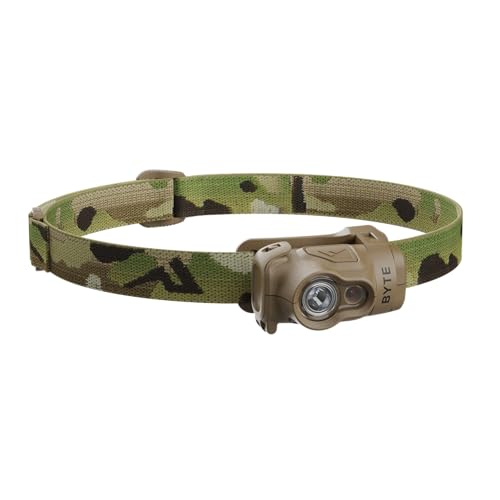
Princeton Tec Byte Tactical Headlamp

GearOZ Coon Hunting Headlight Camo Cap

AKNEAR 99000 Lumen Rechargeable Headlamp
Why These Options Stand Out
The NU25 feels unusually balanced for a deer-hunting light because it combines a bright main beam with a high-CRI auxiliary source and a red mode. The main CREE XP-G2 S3 LED reaches 360 lumens and an 88-yard throw, giving me enough reach for open woods and trail edges without turning the headlamp into a bulky spotlight. The high-CRI source is useful for close inspection of tracks, gear, and antler detail because its color rendering is more natural than standard white light.
Its red LED is the feature I value most for quiet movement at dawn or dusk. The listed weight is 0.99 ounces without the headband and 1.9 ounces with it, so the strap is easy to carry during a long sit or a hike to a stand. For a single compact lamp that covers white, detail, and low-light vision, it remains more versatile than the dedicated GearOZ models.
A Favorable Mix
- 360-lumen main output supports trail scanning and open-field visibility.
- High-CRI auxiliary light gives close tasks more natural color detail.
- Red source provides a gentler option for quiet predawn movement.
- Sub-two-ounce listed weight with the headband suits long carries.
Worth Noting
- The 88-yard reach is useful for general field work but not equivalent to a long-range hunting spotlight.
- Owners should keep the compact housing dry and clean around the strap connection during muddy waits.
Made For Quiet Field Work
This model fits deer hunters who want one lightweight headlamp for trail movement, close equipment checks, and red-light scouting.
A Better Fit For Brighter Beams
For longer-distance identification, the GearOZ 10W Rechargeable Hunter Headlamp offers a more specialized high-output configuration.
The Double Clutch is built around beam choice rather than headline brightness. Its 125-lumen output and 1,700-candela intensity create a practical balance for campsite tasks, trail checks, and hands-free work around a vehicle. The independent spot and flood patterns matter in the field, since a focused beam can help pick out a distant line while a broad beam keeps the immediate foreground readable.
Compared with the NU25, the Streamlight sacrifices the red and high-CRI combination but presents a straightforward work-light format. I see it as a strong option for hunters who spend part of the day moving and part of it handling gear, especially in cool weather where a low-output mode can help preserve battery life. The exact fit over a hat or under thick layers is still worth checking against the headband shape.
Benefits That Matter
- Spot and flood options let me match the beam to trail scanning or camp tasks.
- 125 lumens provides practical illumination without the size of a high-output spotlight.
- Focused beam intensity supports identifying shapes beyond the immediate trail.
Small Caveats
- The listed output is lower than the NU25 and the GearOZ hunting models.
- Owners may need to adjust the strap over bulky jackets to avoid shifting during movement.
Built With In Mind
This light suits hunters who need flexible spot-and-flood control for trail work, campsite tasks, and equipment preparation.
Where A Sibling Pick Shines
The Nitecore NU25 is a stronger match for close color-sensitive tasks because it includes high-CRI and red auxiliary lighting.
Energizer’s Hard Case Professional takes a work-light approach. It reaches 325 lumens and includes high, low, spotlight, floodlight, and full-power options, giving me more ways to manage changing field conditions. The pivoting head helps place the beam where the task is, while the adjustable nonslip strap is more relevant than a fashionable finish on a long hunt or a wet morning around camp.
Its three included Energizer MAX AA batteries remove the need to plan around a proprietary charging setup, though replacement cells add a recurring ownership detail. IPX4 water resistance helps during drizzle or splashing brush, but it is not a reason to submerge the lamp. Compared with the Streamlight Double Clutch, this model offers more stated mode variety and a more rugged household-work identity.
The Good Stuff
- Spotlight, floodlight, high, low, and full-power modes support different hunting tasks.
- 325-lumen output is substantial for campsite repairs, trail setup, and equipment handling.
- Pivoting head and nonslip strap support hands-free positioning.
- IPX4 water resistance adds useful protection in wet weather.
Practical Considerations
- Battery replacement may be inconvenient during a long trip compared with a rechargeable model.
- The larger work-light design can feel less discreet than the NU25 during quiet movement.
Right Fit For Long Field Days
This model fits hunters who value multiple lighting modes, rugged handling, and replaceable batteries over a compact red-light profile.
Another Choice May Suit
The Princeton Tec Byte Tactical Headlamp is the better fit for hunters who prioritize a smaller profile and red-light operation.
The GearOZ 10W model is built for the part of a hunt that happens beyond the first few yards. Its stated 600-lumen output, 45,000-lux specification, and approximate 500-to-800-yard beam range position it as a distance-oriented light rather than a basic trail lamp. That makes it relevant for scanning openings, locating reflective eyes at a distance, and following a movement across open ground.
The rechargeable 7,800mAh battery is a meaningful advantage over loose battery cells, especially for a full day of predawn and evening use. I would still expect brightness and beam reach to vary with terrain, vegetation, and the actual animal’s position. Unlike the Nitecore NU25, this is a hunting-specific high-output choice, with less emphasis on red or natural-color close work.
Everyday Perks
- 600-lumen output gives the beam more punch for distant field scanning.
- Approximate 500-to-800-yard reach supports long-range observation in open areas.
- Rechargeable 7,800mAh battery removes routine battery replacement.
- Dedicated hunting design suits predawn and evening scouting.
Factors To Consider
- High-output hunting lights are less discreet during very close movement.
- Rechargeable power requires charging downtime before an extended outing.
The Right Fit
This model suits hunters who work open fields, tree lines, and long approaches and need more beam reach than a compact general-purpose lamp provides.
Swap It Out When
The Nitecore NU25 is a better choice for close-range detail and quiet red-light use during a dense hunt.
The Princeton Tec Byte is defined by a compact, field-oriented shape and two useful light colors. Its 200-lumen white LED covers trail movement and ordinary campsite tasks, while the red LED gives me a lower-disruption option for checking surroundings before full daylight. The Multicam finish also fits naturally into hunting gear, though color alone does not determine how well a lamp disappears into brush.
Compared with the Nitecore NU25, the Byte offers less stated white output and no high-CRI source, but it keeps the package streamlined for hunters who need one practical white-and-red setup. The lightweight profile looks easy to carry during a dawn approach. I would favor it for a hunter who values mobility and mode simplicity over a large spotlight or a broad collection of work-light settings.
Reasons It Performs
- White and red LEDs cover ordinary movement and low-light checking.
- 200-lumen output is practical for trails, campsites, and near-field work.
- Compact tactical profile avoids the bulk of larger hunting lamps.
- Multicam finish suits hunting equipment and field clothing.
Areas To Watch
- The 200-lumen level is less capable for distant observation than the GearOZ models.
- Without a high-CRI mode, close inspection of fine color detail is less precise.
- Owners should keep the small housing clean around the pivoting head and strap controls.
Who Will Love This
This headlamp fits hunters who want a small white-and-red light for dawn approaches, camp routines, and moderate trail work.
Reach For A Different Pick When
The GearOZ 10W Rechargeable Hunter Headlamp suits hunters who prioritize long-range beam reach over compactness.
This GearOZ model shares the dedicated high-output approach of the earlier 10W headlamp, with a stated 600 lumens, 45,000 lux, and approximate 500-to-800-yard range. That reach makes it more useful for scanning brush edges, field gaps, and distant movement than a lamp designed mainly for reading a map. The camo-cap format gives it a purpose-built hunting appearance that feels more deliberate than a standard household headlamp.
Its rechargeable 7,800mAh battery is a practical reason to favor this model over disposable-battery designs on multi-day trips. I would expect a powerful lamp to be less comfortable for prolonged close work than the NU25, especially around the eyes and neck, so mode discipline matters. The source information gives me strong output figures but limited detail about beam shape and strap adjustment, so I would assess those points carefully in the field.
Advantages To Know
- High stated output supports observation across open and semi-open hunting ground.
- Long approximate beam range helps identify distant movement.
- Rechargeable battery supports repeated evening and predawn use.
- Camo styling aligns with predator and property-hunting setups.
Some Limits To Know
- Long-range brightness may be more than needed for campsite repair or map reading.
- Limited stated information makes fit and beam-pattern preferences harder to compare.
- Charging access becomes a maintenance concern on a remote trip.
Built With In Mind
This light fits hunters working fields, brush boundaries, and open approaches where distant scanning matters more than close task lighting.
Not Your Match When
The Nitecore NU25 is the better fit for quiet close work, color-sensitive inspection, and a lighter carry profile.
The AKNEAR model is built around an unusually high listed output of 99,000 lumens and a rechargeable design. For a hunter who wants maximum illumination for open terrain, wide clearings, or repeated searches around a hunting property, that specification gives the model a clear role. The trade-off is that headline output does not describe beam shape, comfort, or battery duration, and those practical details matter more during a long sit than a large number alone.
Compared with the GearOZ hunting lamps, the AKNEAR appears aimed at users chasing extreme brightness rather than a balanced field package. Rechargeable power is convenient for regular use, but the charging routine still needs planning before remote access. I would give this model serious consideration for large properties, while keeping the Nitecore NU25 nearby mentally as the more restrained option for close, quiet work.
What Makes Sense
- 99,000-lumen listed output targets maximum illumination needs.
- Rechargeable operation supports repeat use without disposable cells.
- High output can help when searching broad openings and distant field areas.
The Fine Print
- Extreme output can create heat, weight, and battery-management concerns in a head-worn format.
- The source does not specify beam pattern, runtime, or water resistance, so field suitability needs careful checking.
- A high-output lamp may be excessive for reading maps or working around camp.
Best Suited To
This model suits experienced hunters with broad properties who prioritize extreme listed brightness and rechargeable operation.
Look Elsewhere When
The Princeton Tec Byte Tactical Headlamp is the better fit for a lighter, lower-output white-and-red setup.
What Matters Before Choosing a Deer Hunting Headlamp
Beam reach and brightness serve different purposes. A high-lumen lamp can illuminate a clearing, but a focused beam is what helps separate distant shapes from trees and brush. I compare the stated reach, beam type, and red-light options before deciding how much raw output is actually needed.
Fit and weather resistance deserve equal attention. A light that shifts over a cap or presses against the forehead becomes distracting during a long sit, while water resistance helps during drizzle and damp brush. I also account for battery format, recharge timing, and whether the headband works over layers.
Color output matters in close work. Red light can be useful during quiet movement, while high-CRI white light makes tracks, signs, and equipment easier to inspect. The Nitecore NU25 stands apart here because it combines all three lighting approaches in a compact housing.
Common Mistakes to Avoid
Pitfalls Shoppers Hit
A large lumen number can distract from beam control, comfort, and runtime. I would check the beam pattern, weight, strap layout, and battery requirements before choosing a high-output hunting lamp.
Why Top Tier Costs More
Higher output, rechargeable batteries, specialized optics, and stronger weather handling can raise the cost of a headlamp. Those additions matter most for large properties, frequent night work, and hunters who need one lamp for several field roles.
Frequently Asked Questions
What brightness is enough for deer hunting?
A lamp with moderate output and a focused beam can handle nearby trails and field edges. Greater brightness becomes more useful across open ground or during long-distance observation.
Is red light useful for deer hunting?
Red light can make low-light checking less disruptive than bright white light. It works best for movement, map checks, and preserving a darker viewing impression.
Should a deer-hunting headlamp be rechargeable?
Rechargeable models are convenient for repeated use and multi-day trips. Disposable batteries can be useful for backup or for people who prefer carrying spare cells.
What beam pattern works best in woods?
A focused beam helps separate distant details, while a flood pattern is better for nearby ground and equipment. Many hunters benefit from a model that offers both.
How much does headlamp weight matter?
Weight becomes important during long walks, steep approaches, and extended tree-stand sessions. Compact models are easier to carry, while larger high-output lamps may feel heavier during a full day.
Final Verdict
I favor the Nitecore NU25 for its combination of compact weight, red light, high-CRI detail lighting, and practical 360-lumen output. Long-range hunters may prefer either GearOZ model, while the Streamlight and Energizer options make more sense for campsite work and broader task lighting. Choose the lamp that matches the terrain and the hours spent outside, not simply the highest number on the box.