
A productive food plot starts with matching seed to soil, season, and the game you hope to support. I compare perennial forage, fast-growing roots, turkey-specific chufa, soil-building cover crops, and tall native grasses in this guide for hunters, land managers, and home growers. The right choice can serve as a seasonal food source, build habitat, or do both, depending on the mix.
Your Options, Compared

Hale Habitat & Seed Perennial Clover, Alfalfa & Chicory Mix, 1/2 Acre
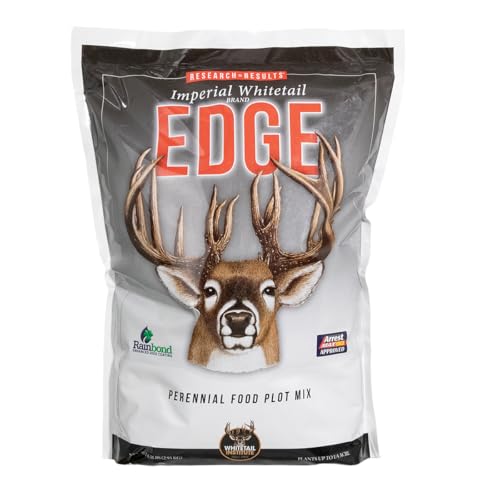
Whitetail Institute Edge Deer Food Plot Seed

Hale Habitat & Seed Purple Top Turnip Seed, 5 lbs

Outsidepride Gardenway Cover Crop Seed Mix, 5 lbs

HIT LIST SEED Alfalfa and Clover Deer Food Plot, 10 lbs

Whitetail Institute Turkey Select Chufa Seed, 10 lbs

Hale Habitat & Seed Native Grass Refuge, 1/4 Acre
Inside Each Recommended Option
I see this as the most balanced starting point for a half-acre deer plot. Clover, alfalfa, and chicory provide complementary perennial forage, giving a busy land manager food that can persist beyond a single short season.
Unlike the turnip option later in the list, this mix prioritizes leafy forage rather than a large root crop. For most backyards and hunting properties, that makes it easier to use as year-round habitat food, subject to local climate and soil.
Good Reasons To Consider
- The three-part blend adds plant diversity, which helps spread establishment risk across field conditions.
- Clover, alfalfa, and chicory form a protein-rich perennial forage combination for deer and other wildlife.
- The half-acre coverage makes the planting scale clear for a manageable home or hunting plot.
- Perennial species return across seasons, reducing the need to treat the site as a single-purpose annual food patch.
Things To Consider
- Perennial establishment depends on timely planting, adequate soil preparation, and moisture, so neglected seedbed maintenance can limit results.
- Chicory and alfalfa preferences vary by region, so local wildlife pressure and vegetation are worth checking before seeding.
Made For
I recommend this mix to hunters and land managers seeking broad deer forage in a manageable half-acre plot.
Where Another Pick Suits Better
Whitetail Institute Edge Deer Food Plot Seed fits regions where heat, cold, or drought tolerance is the deciding factor.
Weather resilience gives Edge its clearest advantage over the general-purpose Hale Habitat blend. Sainfoin, WINA-100 perennial chicory, and a RainBond coating are designed for deeper establishment and forage across difficult seasonal conditions.
RainBond is a seed coating intended to improve seedling protection during vulnerable early growth. For hunters managing ground exposed to temperature swings or uneven rainfall, that construction matters, although no blend removes the need for sound seedbed preparation.
Why It Works Well
- The blend is described as tolerant of extreme cold, heat, and drought, which suits exposed northern and southern plots.
- Sainfoin adds a deer-preferred perennial forage component to the planting.
- WINA-100 chicory supplies tender forage selected for palatability.
- The coating supports seedling survival during the vulnerable stage immediately after planting.
Worth Noting
- Seed coatings require proper handling and compatible planting practices, so the bag directions deserve a careful read.
- Locally invasive or unfamiliar forage species can behave differently, making regional suitability important.
Who It Suits Best
I favor Edge for land managers whose plots face substantial weather variation and need deer-focused perennial forage.
Consider Something Else When
Hale Habitat & Seed Purple Top Turnip Seed is a simpler fit for a short-season plot that needs rapid growth and root forage.
Turnips fill a different slot from the perennial blends here because their appeal comes from quick foliage and a substantial root. The 5-pound bag is listed for about one acre, giving me a clearer sense of its scale than several acreage-unspecified options.
A compressed planting window makes this practical for late spring or summer work where waiting for a perennial stand seems impractical. Deer can use the leaves and roots, with root palatability reportedly increasing after frost.
The Practical Payoff
- Rapid growth suits regions with a short growing window.
- One 5-pound bag covers approximately one acre.
- Both leafy tops and the turnip root provide edible plant parts for deer.
Small Caveats
- The root becomes a more attractive feeding option after frost, reducing its value for areas with mild or unpredictable winters.
- As an annual forage crop, it does not offer the multi-season persistence expected from the perennial blends.
- Owners commonly need careful soil preparation and timely moisture for uniform emergence.
The Right Fit
I recommend this seed to hunters needing fast deer forage on roughly an acre where a short season limits establishment time.
Look Elsewhere When
HIT LIST SEED Alfalfa and Clover Deer Food Plot is the stronger choice for a larger plot intended to return each season.
This mix starts outside the primary wildlife-forage category, but I see useful potential in vegetable beds, flower beds, and home lawns. Its purpose centers on cover and soil improvement rather than a concentrated deer or turkey attraction plot.
Triticale, peas, oats, hairy vetch, annual ryegrass, and crimson clover create a varied above-ground cover. That diversity can help protect bare soil from erosion and keep more of the planting active across suitable conditions.
Positive Points
- Six crop types provide broader soil coverage than a single-species planting.
- Legumes such as peas, vetch, and crimson clover add biological diversity suited to garden soil.
- The low-maintenance mix works across vegetable gardens, flower beds, and lawns.
Points To Keep In Mind
- Its soil-building purpose does not directly match a high-protein deer forage program.
- Species composition can create varied growth habits, so maintenance and termination timing require planning.
- Gardeners must account for existing plants and irrigation before mixing it into active beds.
Who Will Love This
I favor Gardenway for home gardeners improving exposed soil between crops, around flower beds, or within tired lawn areas.
A Better Fit Elsewhere
Hale Habitat & Seed Native Grass Refuge is a closer match for land managers seeking wildlife cover rather than garden soil improvement.
The 10-pound package gives this deer blend a practical edge for a larger planting. Ladino, red, and crimson clover join alfalfa and chicory, creating broad leafy forage intended to remain attractive through the hunting season.
Compared with the half-acre Hale Habitat mix, the larger bag may suit established management programs, but acreage still depends on planting rate and site conditions. I would avoid judging coverage by bag weight alone.
A Favorable Mix
- Three clover varieties add diversity to the perennial forage base.
- Alfalfa and chicory complement the clovers with deeper-rooted forage plants.
- The 10-pound size supports hunters managing a broader food-plot program.
- Spring and fall planting windows offer flexibility during typical seasonal fieldwork.
Possible Compromises
- No stated acreage coverage makes seed-rate calculations less immediate.
- Multiple forage species require compatible planting and management to establish evenly.
- Like other perennial blends, it depends on suitable soil, moisture, and timely maintenance.
Built With In Mind
I recommend this mix to experienced hunters and land managers planting a larger perennial deer plot across multiple seasons.
Another Choice May Suit
Whitetail Institute Edge Deer Food Plot Seed better addresses locations with severe temperature swings or recurring drought.
Chufa gives turkeys a different food source from the clover and chicory blends. The plants produce small, nut-like tubers that birds scratch into the soil, creating a distinctive feeding area rather than ordinary leafy browse.
The 10-pound bag covers a quarter acre, making this a focused turkey option for a defined plot. Waterfowl may also use the tubers, but I would still plan around turkey behavior and site suitability.
Strong Points
- Chufa tubers provide an energy-rich food separate from conventional leafy forage.
- Scratching behavior can concentrate birds within a manageable plot.
- The quarter-acre coverage is clearly defined for focused property management.
- The same tubers also appeal to waterfowl, adding another potential wildlife use.
Where It May Fall Short
- This is a turkey-focused planting, not a broad deer-forage substitute.
- Chufa establishment depends heavily on planting conditions and suitable soil preparation.
- Owners must manage mature plants so the plot remains useful to grazing birds.
Perfect Match For
I choose Turkey Select for hunters who specifically want a quarter-acre planting built around turkey feeding habits.
Where A Sibling Pick Shines
Hale Habitat & Seed Purple Top Turnip Seed is the more suitable option for broad deer forage with edible foliage and roots.
Native Grass Refuge shifts the objective from concentrated forage to structural habitat. Big bluestem, little bluestem, switchgrass, indiangrass, sideoats grama, and Canada wild rye can develop into dense, tall cover for deer and birds.
The listed mature height of three to six feet makes this more useful as refuge and bedding habitat than as a compact feeding patch. That distinction keeps it from competing directly with the deer forage and turkey chufa options.
Practical Pluses
- Six native warm-season grasses create a varied refuge planting.
- Three-to-six-foot mature growth provides useful vertical cover for wildlife.
- The quarter-acre package fits well within a larger habitat-management plan.
- Native species align with restoring a more regionally relevant plant community.
Less-Strong Areas
- Its main payoff is cover rather than immediate, concentrated deer forage.
- Native grasses generally need a properly prepared seedbed and correct planting depth.
- Growth may take time to create the intended refuge, so it is not a quick food source.
Who Should Grab It
I recommend Native Grass Refuge to habitat managers building tall bedding and escape cover within a broader wildlife program.
Reach For A Different Pick When
Whitetail Institute Turkey Select Chufa Seed is the stronger fit for a small plot centered on turkey feeding activity.
Matching the Mix to the Plot
Set the management goal first
I start by deciding whether the plot needs edible forage, concentrated turkey activity, soil improvement, or tall refuge. Hale Habitat & Seed Perennial Clover, Alfalfa & Chicory Mix serves deer forage, while Turkey Select targets tubers and Outsidepride Gardenway primarily serves garden soil.
Match perennial and annual growth
Perennial blends can return across seasons, although establishment may take time. Purple Top Turnip is a faster annual option and can be more useful where the growing window is short. The listed quarter-acre and half-acre packages also make the Native Grass Refuge and Hale Habitat mix easier to plan than options without stated coverage.
Read the species and planting details
RainBond coating, forage composition, seeding depth, and planting windows affect the actual field process. I pay close attention to those details because seed bags may look similar while serving very different soil, wildlife, and seasonal needs.
Account for maintenance
A productive plot needs a prepared seedbed, appropriate planting depth, moisture during establishment, and attention to competing vegetation. Owners also need a plan for mature plants, since neglected forage or grass can become less useful over time.
Seed Selection Pitfalls and Tradeoffs
Mistakes Worth Dodging
Bag weight alone does not reveal acreage, forage quality, or planting depth. I would confirm the species, coverage, and site requirements before buying, especially when comparing a focused turkey mix with a general deer blend.
What Separates Premium From Basic
More seed or specialized coatings may support a larger plot, difficult weather, or stronger early establishment. Those additions matter most on substantial acreage or exposed sites, while a small or short-season garden may need only a simple crop mix.
Frequently Asked Questions
Which mix is best for deer?
I favor the Hale Habitat perennial blend for broad leafy forage, while Edge offers more attention to weather tolerance. The most suitable option depends on acreage, climate, and planting timing.
Is turnip seed good for deer?
Yes, turnips provide both leafy forage and edible roots for deer. They are especially useful for fast growth in areas with short growing seasons.
Can chufa attract turkey?
Yes, chufa plants produce tubers that turkey scratch from the soil. This focused food source is especially suitable for small, dedicated turkey plots.
Are native grass mixes food plots?
Native grass mixes primarily provide cover, bedding habitat, and wildlife refuge. Their grasses may also supply forage, but their structure differs from concentrated clover or chufa plantings.
How much seed do I need?
Coverage depends on the product, planting rate, soil, and management goals. I would follow the package guidance and avoid calculating acreage from bag weight alone.
Final Verdict
I would choose a perennial forage mix for recurring deer use, turnips for rapid seasonal forage, chufa for focused turkey activity, and native grasses for habitat cover. Outsidepride Gardenway belongs in a separate soil-improvement plan rather than a wildlife-attraction plot. Matching the seed to the management goal is the most important step before planting.