
A wireless GPS fence can give a dog outdoor access without buried wire, though GPS reception and training habits determine how consistently the boundary works. I evaluated these systems around property size, collar range, alert options, battery design, water resistance, and multi-dog support. The list covers single-dog yards, camping areas, farms, and larger households, with one training accessory and one live-tracking system included for comparison.
A Snapshot Of The Selections

Meowant GPS Wireless Dog Fence & Collar

Dogtra GPS Fence Custom Wireless Dog Collar with App, Tone, Vibration & Correction
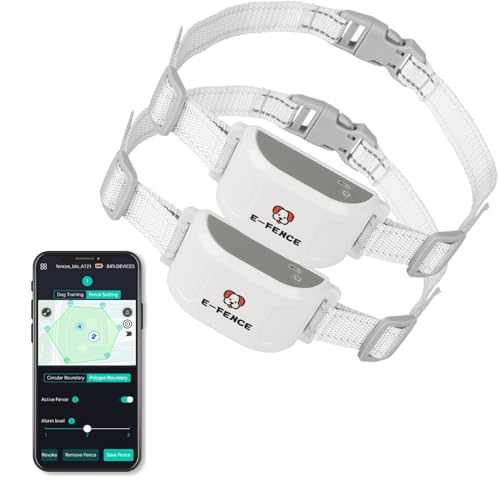
E-FENCE GPS Dog Fence & Training Collar with Custom Waterproof Boundaries

PATPET GPS Wireless Dog Fence Collar, 33-9999 Yard Radius, Rechargeable

Dogtra GPS Fence Training Flags, 50-Pack Flexible Weather-Resistant Neon Orange Markers

Dogtra PATHFINDER2 MINI GPS Tracking & Training System, 4-Mile Range, No Subscription

Dogtra GPS Dog Fence X2 & Training Flags Bundle, Two Collars, Tone & Vibration
A Deeper Look At The Lineup
Meowant combines a broad virtual boundary with several alert formats, giving unusually detailed control for a yard, park, or farm. A circular or polygonal zone means the boundary can follow more complex terrain than a simple radius, which matters around gardens, driveways, and narrow access points.
The collar also carries an LCD for fence status, activity data, and health-related metrics. For most backyards, the customizable warning band and five intensity levels per correction mode are more immediately useful than the extra tracking data.
Practical Pluses
- Boundaries can cover 0.48 to 3,534 acres.
- Tone, vibration, combined alerts, and static stimulation create distinct training choices.
- Phone-based tracking extends up to 98 feet, which is useful during fence setup.
- The 8-to-25-inch adjustment fits many dogs weighing at least 10 pounds.
Worth Noting
- GPS reception can weaken around dense buildings, heavy tree cover, or steep terrain.
- Static stimulation requires careful introduction and collar-fit checks, particularly during initial training.
Feature Snapshot
Made For Varied Outdoor Spaces
This collar suits people managing irregular boundaries, larger acreage, or a dog that responds differently to sound, vibration, and static stimulation.
Another Choice May Suit
Dogtra GPS Dog Fence X2 & Training Flags Bundle is a stronger fit for households needing two collars, layered protection, and visible boundary markers.
Dogtra focuses on layered containment rather than maximum acreage. A warning zone, primary boundary, and two backup fences create several opportunities to redirect a dog before it crosses the main line, which is a thoughtful structure for gradual training.
Once configured through the app, the collar works independently without monthly fees. That makes it a practical choice for a suburban household wanting a custom outline around an open yard, especially on properties of three-quarter acre or larger.
Useful Touches
- Four boundary layers offer more correction opportunities than a single perimeter.
- Custom shapes can trace property edges more closely than circular zones.
- Up to 30 fences support separate yard, camp, and work areas.
- The app is only needed for setup, reducing dependence on phone connectivity afterward.
Trade-Offs To Consider
- The listed minimum property size may limit use in compact urban yards.
- Owners must remove the outdoor collar indoors and inspect the fit during routine care.
- Open terrain generally provides more dependable positioning than structures or dense foliage.
Quick Facts
Right Fit For Suburban Yards
This system best fits dog owners with at least three-quarter acre who value custom shapes, layered alerts, and independent operation after setup.
Look Elsewhere When
Meowant GPS Wireless Dog Fence & Collar offers greater flexibility for small zones, very large acreage, and close-range phone tracking.
Where Dogtra concentrates on layered zones, E-FENCE opens up three-dog support and a broader adjustment range. That makes it more accommodating for a household with mixed-size dogs, particularly on camping trips or irregular properties.
Boundary shapes range from circles and rectangles to polygons and six-sided outlines. The 65-to-3,280-foot range covers many ordinary yards, while the stated 48-hour battery provides a useful margin over a full day of outdoor activity.
Where It Excels
- Three dogs can share the same app and custom boundary setup.
- An 8-to-27-inch collar adjustment fits a wider size range.
- Sound, vibration, and static stimulation each have adjustable levels.
- Sleep mode reduces power use while a stationary dog rests.
Small Caveats
- The boundary cannot cover acreage as large as the Meowant’s stated upper limit.
- Owners should rinse mud from the collar after outdoor sessions and confirm the strap remains dry.
- Multi-dog training can take longer because each dog learns at a different pace.
Built With Multi-Dog Owners In Mind
This collar suits mixed-size households that want one boundary configuration for as many as three dogs.
A Better Fit Elsewhere
Dogtra PATHFINDER2 MINI GPS Tracking & Training System is the better fit for long outings that require live location updates and handheld controls.
The PATPET system’s defining advantage is range. Its circular boundary stretches from 33 yards to 9,999 yards, so the same collar concept can serve a small exercise area or a broad farm environment.
An external antenna is intended to support signal stability and positioning in open terrain. That makes the system appealing for beaches, campsites, and rural work areas, provided the boundary does not depend on the collar navigating buildings or heavy vegetation.
Notable Gains
- The unusually wide radius accommodates both compact and expansive outdoor spaces.
- Resettable boundaries allow the area to change as routines or property use evolve.
- The external antenna supports positioning in open environments.
Details To Watch
- Circular boundaries offer less precision around unusual property shapes.
- Owners may need to survey open ground and clear line-of-sight obstructions before setup.
At A Glance
Who Will Love This
This system suits owners of farms, beaches, campsites, and other open areas where a circular range is more useful than a close property outline.
Consider Something Else When
Dogtra GPS Fence Custom Wireless Dog Collar with App, Tone, Vibration & Correction is more suitable for yards that need custom shapes and layered boundaries.
This pack is an accessory rather than an electronic containment system, but visual markers can make the early stages of boundary training easier. Dogs see a consistent line before the GPS collar’s alerts become meaningful signals on their own.
The 50 neon-orange flags are flexible and weather-resistant, so they suit temporary layouts around a yard, camp, or training area. The complementary four-week guide in the Dogtra Fence app adds a structured progression rather than leaving the visible line unexplained.
Everyday Advantages
- Fifty markers cover a meaningful section of boundary during early training.
- Bright colors make the intended limit easier for a dog to follow visually.
- Flexible construction conforms to uneven ground and removable layouts.
Points To Note
- The flags do not create an electronic boundary by themselves.
- Wind-driven installation requires secure placement and routine checks after storms.
The Right Fit For New Dogs
This pack suits people introducing a dog to a Dogtra GPS fence and needing a clear visual cue during the first stage.
Where A Sibling Pick Shines
Dogtra GPS Dog Fence X2 & Training Flags Bundle is the more complete choice for a two-dog household needing collars and markers together.
The PATHFINDER2 MINI serves a different purpose from the yard fences in this list. Its handheld receiver provides live location, offline maps, a built-in compass, and training controls without relying on a phone, making it useful on long hikes or work trips.
A two-inch LCD keeps the unit compact, while two-second GPS updates provide frequent directional information. The four-mile range and expansion to as many as 21 dogs suit active handlers managing several animals across a broad outdoor area.
Why It Works Well
- Offline maps support navigation beyond dependable cellular service.
- The handheld unit keeps tracking and training controls separate from a phone.
- Two-second updates offer a responsive sense of the dog’s direction.
- Expansion to 21 dogs serves handlers with larger working or sporting groups.
Possible Compromises
- The live-tracking feature exceeds the needs of a stationary backyard boundary.
- Owners must charge both the handheld and dog collar components and keep the controls dry.
Technical Highlights
Made For Field Training
This system suits hikers,猎犬 handlers, and multi-dog trainers who need live direction beyond a fixed containment zone.
Reach For A Different Pick When
Dogtra GPS Dog Fence X2 & Training Flags Bundle is more direct for a two-dog household focused on a permanent custom yard boundary.
The X2 bundle packages the full setup for two dogs: two GPS collars and 50 training flags. Dual-band GPS, warning and backup layers, and a return-home tone make this a coherent choice for a shared yard rather than two independent single-collar arrangements.
Each collar offers tone, vibration, or stimulation with 100 levels, while smart detection can suspend correction during a return. The system continues independently after setup, but it provides containment only, not live tracking or location notifications.
The Good Stuff
- Two collars and visible flags create a complete two-dog setup.
- Dual-band GPS supports positioning across varying outdoor conditions.
- The return sequence reduces correction while a dog heads back toward the yard.
- Up to 30 boundary configurations suit different outdoor routines.
Where It May Fall Short
- The collar is intended for dogs weighing at least 15 pounds.
- No live location view is included, so a separate tracker is needed for travel.
- Both collars require charging and periodic cleaning after muddy outdoor use.
Product Snapshot
Perfect Match For Two Dogs
This bundle suits households with two eligible dogs that need matching custom boundaries and a structured visual training stage.
Swap It Out When
Meowant GPS Wireless Dog Fence & Collar fits a single dog needing broader acreage, close-range tracking, and more boundary shapes.
Choosing A Boundary That Fits The Property
GPS fencing works through collar position, an app-defined perimeter, and an alert sequence, but open sky remains essential. A clear yard is easier to manage than a property divided by walls, hills, or dense tree cover.
Property Size And Boundary Style
Small circular zones suit exercise areas, while farms and camps may need a radius measured in thousands of yards. Irregular yards benefit from custom outlines, but they require more careful mapping. The stated acreage and minimum property size should be checked before setup.
Dog Fit And Alert Training
Collar weight limits, neck measurements, and dog age matter more than appearance once the device is worn. Sound or vibration may provide enough guidance for some dogs, while others may require careful introduction to static stimulation. Training should progress gradually rather than jumping directly to the highest level.
Battery, Water, And Daily Care
Recharge time and stated battery duration should match the longest expected outing. Water-resistance ratings help with rain and puddles, but collars still need rinsing after mud or salt exposure. Check the strap, contact points, and charging port before each major outdoor session.
Containment Versus Live Tracking
A containment system manages a fixed area, while a live tracker reports position during travel. Some devices combine both functions, but others handle only one. Choosing the wrong category can add complexity without improving daily control.
Making Better GPS Fence Decisions
Mistakes Worth Dodging
Setting a boundary without first walking the property can leave gaps near buildings or terrain changes. Comparing collar weight and neck range also prevents an otherwise capable system from sitting poorly during long wear.
What The Higher Tier Buys
More advanced systems often add layered fences, dual-band positioning, higher correction adjustments, or support for several dogs. Those additions matter most for large properties, complex routines, or households that would otherwise need separate devices.
Frequently Asked Questions
Do GPS dog fences work without cellular service?
Most systems create boundaries during app setup, then process positioning through GPS and collar signals. Dogtra systems in this list operate independently afterward, while reception can still vary around buildings and heavy vegetation.
Are GPS fences suitable for small yards?
A compact boundary is possible, but the collar’s minimum weight and neck range remain important. Dogtra GPS Fence is listed for properties of three-quarter acre or larger, so E-FENCE or PATPET may suit more compact outdoor layouts better.
Which collar size is easiest to adjust?
Several models use wide adjustment ranges. E-FENCE spans 8 to 27 inches, while Meowant spans 8 to 25 inches and Dogtra X2 covers 10 to 22 inches.
Do these systems replace regular fencing?
A physical fence remains useful as an additional barrier. A GPS system depends on reliable positioning, a secure collar fit, and consistent boundary training, so it should not be the only visible property barrier.
Can one system manage multiple dogs?
E-FENCE supports up to three dogs, while Dogtra GPS Dog Fence X2 includes two collars. The PATHFINDER2 MINI is designed primarily around live tracking and training across an expandable dog capacity.
Final Verdict
The right system depends on property shape, reception, collar fit, and training style. Meowant covers the broadest acreage, PATPET handles enormous circular ranges, E-FENCE supports three dogs, and Dogtra offers layered single-dog and two-dog packages. A cautious setup and gradual routine matter more than any headline specification.