
A binocular harness earns its place by keeping optics close, reducing neck fatigue, and staying quiet during long hours in the field. It also matters whether the harness carries only glass or organizes rangefinder gear, calls, a phone, and hunting accessories without turning bulky.
The seven options below range from minimal straps to padded chest packs and complete binocular-and-caddy sets. Several also support birding, hiking, or general outdoor use, while a few are better understood as adjacent carrying options.
The Choices Worth Comparing
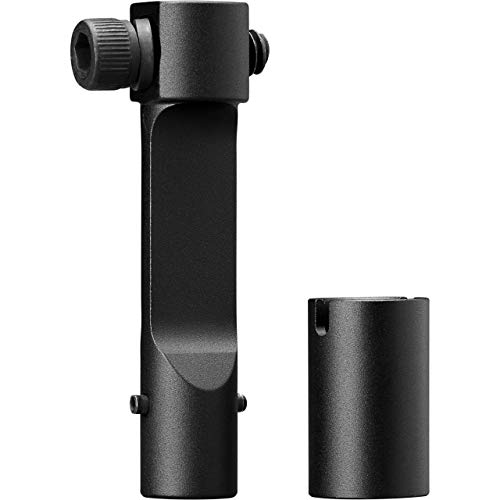
Vortex Sport Binocular Adapter

Muddy Pro 1075 Hunting Backpack, Mossy Oak Bottomland

Muddy Pro 500 Lumbar Pack, Mossy Oak Bottomland
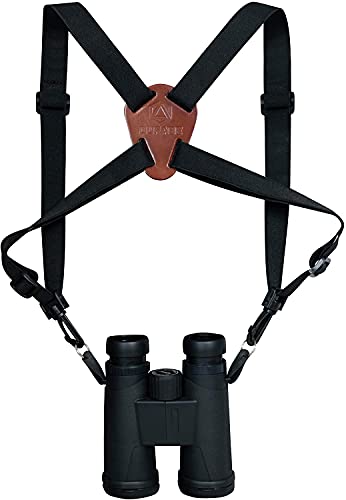
OUFABE X-Shaped Binocular Harness Strap

MOXULE Binocular Harness Chest Pack

Muddy Outdoors PRO BINO Harness

Bushnell Prime 10×42 Binocular and Vault Caddy
The Details Behind The Selections
The Vortex Sport Binocular Adapter is a mounting aid rather than a wearable harness, so it sits apart from the chest packs and straps elsewhere in this roundup. It connects compatible glass to a tripod with a 1/4-by-20-inch threaded socket, which is useful for long glass sessions at game surveys, wildlife areas, or home.
The adapter bridges the space between the barrels of larger, high-powered binoculars, producing a more stable platform for glass that lacks its own tripod fitting. I’d consider it for stationary observation, not for carrying optics across rough ground.
Bright Spots
- Supports binoculars with compatible tripod-adaptable bases.
- Fits between the barrels of larger high-powered models.
- Adds a stable connection to standard 1/4-by-20-inch tripod sockets.
Small Caveats
- It offers no shoulder, chest, or waist support.
- Models without a compatible tripod socket cannot use this mounting method.
- Owners should check both interfaces before packing the adapter for a remote trip.
Who It Suits Best
This adapter fits hunters and wildlife observers who use compatible full-size binoculars and value stable tripod support during stationary glassing.
A Better Fit Elsewhere
The Muddy Outdoors PRO BINO Harness suits mobile hunters who need padded, hands-free optic storage rather than a stationary tripod connection.
The Muddy Pro 1075 functions as a full hunting backpack, not a dedicated binocular harness. That distinction matters because it can carry optics alongside clothing and field supplies, making it more useful on an all-day hunt than a close-fitting chest rig.
Wide shoulder straps with integrated padding spread some of the load, while sternum and waist straps help hold the pack closer during movement. The silent poly brush fabric also reduces noisy material handling, a practical feature around deer and other sensitive wildlife.
Why It Works Well
- Balances binoculars with clothing and hunting accessories.
- Padded shoulder straps improve comfort on longer walks.
- Sternum and waist straps help stabilize the load while moving.
- The expandable kangaroo pocket adds flexible storage.
- Elastic side pockets keep frequently reached items accessible.
Practical Considerations
- The larger design offers less freedom of movement than a compact harness.
- Overstuffing may reduce comfort during extended climbing or hiking.
- Cleaning the brush-like exterior and checking pocket closures after wet trips takes regular care.
Built With In Mind
This backpack fits hunters carrying binoculars, layers, calls, and other equipment over long days where broader pack organization matters more than minimal bulk.
Another Choice May Suit
The Muddy Pro 500 Lumbar Pack suits hunters who want a smaller, closer-to-body option for binoculars and essential accessories.
A lumbar pack keeps the load around the waist instead of the neck, which makes the Muddy Pro 500 appealing to mobile hunters who dislike constant bouncing. Its 500-cubic-inch, or eight-liter, main compartment can hold binoculars and a modest selection of nearby gear.
The zipperless lid favors fast, quiet access, and the front stash pocket keeps smaller accessories separate. Compared with the Muddy Pro 1075, this model carries a smaller load and keeps the overall profile more streamlined.
Key Advantages
- Eight-liter main compartment balances capacity with a compact shape.
- Zipperless lid provides fast access without zipper noise.
- Front stash pocket separates smaller items from the main load.
Where It May Fall Short
- It lacks a dedicated padded binocular cradle in the supplied details.
- The smaller volume may feel limited during overnight trips.
- Owners should inspect the lid and silent zipper closures after repeated field use.
- Loose items can become harder to reach as the compartment fills.
The Right Fit
This pack suits mobile deer and turkey hunters who carry binoculars, a phone, and compact accessories while moving quietly through wooded terrain.
Reach For A Different Pick
The MOXULE Binocular Harness Chest Pack suits rangefinder users who require dedicated electronics organization and a more structured optic compartment.
The OUFABE X-Shaped Binocular Harness Strap focuses on the basic advantage of a wearable carrying system: binoculars stay available without occupying both hands. Its X-shaped layout spreads the load across the upper torso, an approach commonly used for birding, hiking, and outdoor observation.
This is the simplest option here, with none of the listed storage provided by the MOXULE chest pack or Muddy harness. Depending on the binoculars and activity, the lack of padding or a defined compartment may matter after several hours.
Where It Helps
- Keeps binoculars close to the upper body.
- Leaves the hands available for navigation or field tasks.
- The X-shaped layout can distribute weight across the torso.
- Suitability extends beyond hunting to birding and hiking.
Points To Note
- No accessory pockets or rangefinder storage are identified.
- Lens padding and body padding are not specified.
- For heavier glass, a structured chest pack may feel more secure.
- Owners should check strap adjustment and stitching before long treks.
Made For
This strap fits birders, hikers, and hunters carrying lighter binoculars who value low-bulk access over storage and cushioning.
Look Elsewhere When
The Muddy Outdoors PRO BINO Harness better fits mobile hunters who want soft lining, additional pockets, and more structured lens protection.
Electronics-heavy hunts favor organization, and the MOXULE Binocular Harness Chest Pack makes that case most clearly. Its main compartment measures 8.07 by 6.3 by 2.95 inches, while the full pack measures 8.46 by 10.61 by 4.34 inches.
A detachable rangefinder pouch places the electronic rangefinder close to the binoculars, reducing the need to search separate compartments. Internal mesh pouches, a phone pocket, rear mesh space, and bottom attachment straps add further utility, though the array may feel excessive for basic glassing.
Everyday Wins
- Stores binoculars and a rangefinder within immediate reach.
- Dedicated pockets separate electronics, phone, and smaller accessories.
- Two internal mesh pouches add visibility inside the main compartment.
- Bottom straps support attachment of additional compatible gear.
- A rear pocket expands storage beyond the binocular cavity.
Trade Offs
- The full pocket layout adds bulk for someone carrying only binoculars.
- Several closures and compartments require more regular cleaning.
- Buyers should compare their binocular dimensions with the stated interior.
Best Suited To
This chest pack fits hunters who carry binoculars, a rangefinder, phone, and accessories and need organized access without a full backpack.
Where A Sibling Pick Shines
The Muddy Outdoors PRO BINO Harness better fits hunters prioritizing quiet handling, soft lining, and multiple accessory attachment points.
Quiet operation shapes the Muddy Outdoors PRO BINO Harness from the opening downward. Its U-shaped construction improves access to the binoculars, while the soft poly brush exterior avoids the sharper rustling associated with some conventional synthetic fabrics.
Inside, a cushioned, soft-lined area helps protect lenses from bumps during mobile hunting. Additional pockets, storage space, and several lashing points extend the setup beyond the binoculars, making it a stronger all-around field harness than the bare OUFABE strap.
A Favorable Mix
- Quiet fabric suits movement around sensitive wildlife.
- The U-shaped opening improves access to stored optics.
- Soft lining cushions binoculars during movement.
- Extra pockets organize small field accessories.
- Lashing points offer places to secure compatible items.
Honest Caveats
- The padded back panel may add more bulk than a simple strap.
- No specific pocket dimensions are provided.
- Owners should remove damp gear and brush debris from the lining regularly.
Who Will Love This
This harness fits quiet mobile hunters who carry binoculars and small accessories and value soft handling, quick access, and adaptable attachment points.
Consider Something Else When
The MOXULE Binocular Harness Chest Pack better fits hunters who carry a rangefinder and need a dedicated removable electronics pouch.
The Bushnell Prime 10×42 set differs from every other entry by pairing the binoculars with a Vault caddy. A 10×42 configuration is a general-purpose choice for hunting, bird watching, and hiking, while the caddy handles storage and carrying.
Its magnetic closure supports quick, one-handed access, and the soft-touch exterior helps limit fabric noise in the field. The modular harness is more structured than a neck strap, though the supplied details give no dimensions or weight, so fit for larger binoculars remains worth checking.
What Helps Most
- Combines 10×42 binoculars with a carrying caddy.
- Magnetic closure supports fast access in the field.
- Soft-touch material reduces movement noise.
- The modular harness gives the setup broader outdoor use.
Possible Compromises
- It may be unnecessary for someone who already owns compatible binoculars.
- No harness adjustment range is specified.
- Storage capacity and caddy dimensions are not detailed.
- Owners should confirm the fit before a long hunt.
Made For
This set fits hunters and birders starting from scratch who want general-purpose 10×42 binoculars paired with an integrated field caddy.
Skip It When
The Muddy Pro 500 Lumbar Pack better fits established mobile-hunting setups that already include binoculars but need compact accessible storage.
Matching Carrying Style to the Hunt
A wearable harness should keep glass close without restricting arm movement, climbing, or drawing. Start with the load: a simple strap handles light binoculars, while padded chest packs suit heavier glass and electronics.
Strap Shape and Load Distribution
An X-shaped strap uses the upper torso to spread weight, but it does not automatically provide padding or lens protection. Structured harnesses transfer more of the load across the shoulders, chest, or waist, which generally feels better during long walks with larger binoculars.
Storage That Matches the Equipment
Rangefinder users need a protected electronics pouch rather than a loose pocket where the device can strike the binoculars or other gear. A simple wildlife observer may prefer fewer compartments to keep bulk and access points under control.
Quiet Materials and Pocket Access
Soft brush-style fabrics and magnetic closures can reduce noise compared with hard shells or prominent zipper hardware. Open designs speed access, though those managing expensive optics may prefer full coverage and soft internal lining.
Capacity for a Full Hunt
A lumbar pack is compact but may limit clothing and supplies, while a full hunting backpack can handle more equipment at the cost of bulk. The most useful choice depends on whether the carry system is handling binoculars alone or sharing the load with an entire day’s gear.
What to Watch Before Carrying Glass
Mistakes Worth Dodging
Confirm the actual binocular dimensions before purchase, especially for structured chest packs. Compare the internal storage area, attachment points, and strap arrangement with the way the optics will actually be carried.
What the Higher Tier Buys
Higher-tier systems tend to add cushioning, soft lining, quiet materials, and more organized storage. Those additions matter most for heavy binoculars, electronic rangefinders, and all-day hunts where comfort and equipment protection outweigh a lower-bulk setup.
Frequently Asked Questions
Are binocular harnesses comfortable for all-day hunts?
Comfort depends on padding, load distribution, and fit. A structured harness usually works better with heavy binoculars, while a light strap may suit shorter outings.
What binoculars work with a chest harness?
Most medium-size hunting and birding binoculars fit common harness compartments. Larger or unusually shaped models require a dimension check before purchase.
Are silent harness materials useful for hunting?
They can be useful around sensitive wildlife because they reduce rustling from fabric movement. Closing behavior and attached accessories still affect the overall noise level.
Do I need a rangefinder pocket?
A dedicated pocket helps organize electronics and keeps them separated from the lenses. It adds value for frequent rangefinder users but may be unnecessary for simple glassing.
Should I choose a harness or full backpack?
Choose a harness for binoculars and compact essentials. A backpack better suits hunters carrying layers, food, and additional field equipment.
Closing Verdict
The Muddy Outdoors PRO BINO Harness best fits quiet mobile hunters, while the MOXULE chest pack favors rangefinder users who need organized electronics storage. Compact choices and complete binocular sets serve different budgets and equipment setups, so comfort and carried gear should guide the final selection.