
Hunting becomes harder when darkness, brush, or distance hides the animal before traditional binoculars can resolve its shape. Thermal devices reveal temperature contrast, while conventional optics suit daylight scouting, wildlife watching, and long-range observation. I’ve separated the options by platform, magnification, viewing style, and intended use so the right choice is clear before the first outing.
The Shortlist At A Glance

Thermal Master DV2 Thermal Monocular 15mK Sensor

Thermal Master T2 Max Thermal Monocular for iPhone and Android

Thermal Master T2 Pro Android Thermal Monocular

10-30×50 Monocular for Hiking and Camping

Adasion 12×54 Monocular with Tripod and Phone Adapter

Thermal Master T2 Pro Thermal Monocular for iPhone
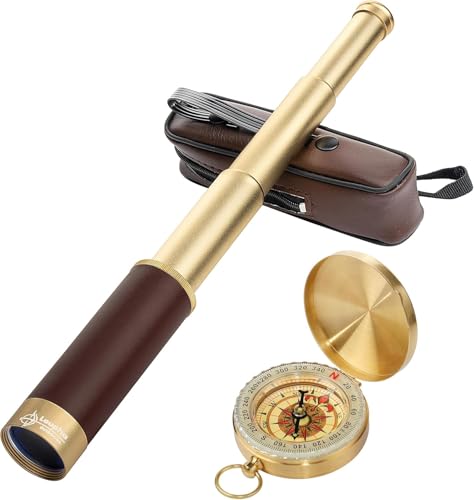
Laupha Retro 25×30 Pirate Telescope
The Strengths Of Each Pick
The DV2’s camcorder-style body and rotatable HD display differ from the narrow viewing tube used by many thermal monoculars. That wider screen may be more comfortable during long treks or repeated wildlife surveys, though the size could feel excessive in dense brush.
A 15mK thermal sensor defines the model’s strongest role: locating temperature contrast through darkness or low ambient light. Unlike the phone-based T2 models, the DV2 operates as a dedicated unit, reducing dependence on a separate display.
What Makes Sense
- The rotatable display supports more natural viewing angles
- Dedicated hardware avoids a required phone screen
- The 15mK sensor favors subtle thermal differences
- Its broad display suits extended wildlife observation
Practical Considerations
- The camcorder-style body takes more space than a compact thermal module
- Cleaning and storage still require care in dusty field conditions
Feature Snapshot
Built With In Mind
Long-duration users and field observers appreciate a dedicated display and rotatable screen more than a minimal phone-dependent setup.
A Better Fit Elsewhere
People who already carry compatible Apple or Android devices may prefer the lighter Thermal Master T2 Pro Thermal Monocular for iPhone.
The T2 Max turns a phone or tablet into the viewing screen, making it practical for people who alternate between everyday devices. Its 256×192 sensor provides useful spatial detail, while the stated 15mK NETD rating, or net equivalent temperature difference, indicates sensitivity to small thermal contrasts.
Listed detection reaches 910 yards for a 6.6-foot target, with identification stated up to 228 yards. Those figures depend heavily on weather, terrain, and contrast, so I’d treat them as useful reference points rather than promises.
Where It Helps
- Works across both iPhone and Android setups
- Avoids carrying a separate thermal display
- The 15mK rating supports subtle thermal contrast
- Plug-and-play use simplifies initial setup
Worth Noting
- Requires a compatible mobile device for viewing
- Phone battery use and app connection add ownership considerations
- Performance in rain or heavy fog may be less predictable
Quick Technical Notes
Made For
Cross-platform households and mobile-first field observers benefit most from its flexible device support.
Consider Something Else When
A dedicated hunter with long viewing sessions may favor the Thermal Master DV2 Thermal Monocular 15mK Sensor and its larger display.
The T2 Pro Android targets people who want phone-based thermal imaging without the broad compatibility promised by the T2 Max. A 13mm lens and stated ability to distinguish 0.04°C differences support detailed observations near dawn, dusk, and in shaded terrain.
Manufacturer examples cite 700 yards for whitetail deer, 359 yards for wild hogs, and 325 yards for coyotes. Animal size, background temperature, and atmospheric clarity can shift those results significantly, particularly across open fields or wooded edges.
Where It Delivers
- Fine 0.04°C contrast supports close observation
- The compact module reduces unnecessary pack weight
- A 13mm lens suits mid-distance scouting
- Android presentation keeps the device separate from the optics
Small Caveats
- Android-only compatibility excludes iPhone households
- App availability and connection setup need checking before travel
- Phone storage and battery demands may matter on long days
Key Product Details
Right Fit For
Android users focused on compact, close-range wildlife observation will get a capable phone-based setup.
Another Choice May Suit
People switching between Apple and Android devices should examine the Thermal Master T2 Max Thermal Monocular for iPhone and Android.
ELGOTAN’s conventional monocular shifts the focus from thermal sensing to flexible optical magnification. The 10x setting frames broad landscapes, while 30x narrows the view for distant ridgelines, birds, and open terrain. That range makes it more useful across a normal camping day than a fixed-power optic.
The 50mm objective gathers more light than a narrow objective, and the multi-coated optics plus BAK-4 prism support brighter low-light views. It still cannot match a thermal sensor when darkness removes nearly all visible detail, but for daytime scouting it is a more natural choice.
What Stands Out
- 10x-to-30x zoom covers wide and narrow views
- The 50mm objective supports brighter outdoor images
- A BAK-4 prism improves light transmission over basic models
- The 360-foot view at 1,000 yards suits landscape scanning
Less Ideal Details
- Thermal animals may remain difficult to distinguish in darkness
- Handheld 30x views demand steadier positioning
- Lens caps and ocular surfaces need regular outdoor cleaning
Who It Suits Best
Daylight hikers, campers, and casual wildlife watchers get a versatile magnification range here.
Look Elsewhere When
Predators, dense cover, and low-light tracking call for the Thermal Master DV2 Thermal Monocular 15mK Sensor.
The Adasion 12×54 centers on steady, accessible viewing rather than thermal detection. The 12x magnification is a practical middle ground for birds, trails, and distant scenery, and a supplied phone adapter can reduce the awkwardness of recording through a phone camera.
BAK-4 prism glass and fully multi-coated lenses support light transmission and contrast, though actual sharpness depends on alignment and ambient light. The included tripod is useful for static observation, while the carrying bag simplifies storage between outings.
Everyday Advantages
- The tripod steadier long-distance observation
- The phone adapter supports shared viewing and recording
- A BAK-4 prism benefits daylight clarity
- The 54mm objective favors brighter conventional views
- A carrying bag helps protect the optic during travel
Possible Compromises
- Fixed 12x power offers less framing flexibility than the ELGOTAN
- The phone adapter adds another piece to carry
- Dust and fingerprints remain visible on coated optics
Feature Facts
Who Will Love This
New outdoor users and family trips benefit from the included tripod, bag, and phone adapter.
Reach For A Different Pick When
Night-focused hunters need the Thermal Master T2 Max Thermal Monocular for iPhone and Android instead.
The iPhone version of the T2 Pro keeps the same 13mm lens and subtle heat-contrast focus as the Android model. That makes it a natural fit for Apple households that want thermal scouting without carrying a second screen. For some field users, leaving the phone in a pocket or chest mount will be the deciding factor.
Listed examples reach 700 yards for whitetail deer, 600 yards for wild hogs, and 300 yards for coyotes. Clear lines of sight and contrasting backgrounds help, while wooded scenes can obscure both the animal and the thermal boundary.
A Strong Showing
- Designed specifically around iPhone viewing
- The 13mm lens supports detailed thermal work
- Phone-based control reduces standalone display bulk
- Useful for dawn and dusk scouting
Points To Note
- Only the iPhone version suits this phone ecosystem
- Extended thermal sessions may consume battery
- The module and phone require careful storage together
Built With In Mind
Apple users conducting dawn, dusk, and wildlife education outings will find the platform alignment convenient.
Swap It Out When
Android households should choose the Thermal Master T2 Pro Android Thermal Monocular for the matching connection.
The Laupha Retro is styled as a collapsible pirate telescope, complete with a gold-tone aluminum body, leather-covered grip, and small compass. It suits children, casual campers, and collectors who value the presentation as much as distant observation. That makes it more of an outdoor accessory than serious hunting optics.
A 25x magnification setting and blue-coated 30mm lens can enlarge distant objects around a campsite or across open water. The high power can magnify hand movement, however, so a tripod or stable support may be necessary for extended viewing.
Bright Spots
- The collapsible body fits easily into a day pack
- Leather-covered grip suits the novelty theme
- A 25x setting offers strong magnification for its size
- The included compass adds a useful campsite detail
Where It May Fall Short
- The 30mm objective is narrow for serious low-light observation
- Thermal signatures remain outside its capabilities
- Decorative finishes may show handling wear outdoors
Core Details
Made For
Families, young explorers, and casual campers will get more appeal from its compact theatrical design.
Not Your Match When
Serious nocturnal observers should choose the Thermal Master DV2 Thermal Monocular 15mK Sensor for heat-based viewing.
What Matters Before Choosing A Thermal Or Optical Scope
Thermal and conventional monoculars solve different problems. Thermal models detect differences in emitted heat, making them useful in darkness, shade, fog, and some vegetation. Conventional optics preserve color and fine visible detail, but their usefulness falls sharply after sunset.
Resolution is the number of thermal pixels used to form an image. Higher resolution can delineate small shapes more clearly, yet lens quality, NETD sensitivity, display size, and atmospheric conditions still shape the final view. NETD is a thermal-sensitivity measure, and smaller values indicate greater sensitivity on the paper.
Magnification also changes the field of view, which is the ground area visible at a distance. More power narrows that area and makes handheld movement more noticeable. A tripod or stable position helps, particularly for wildlife beyond a few hundred yards.
Platform choice matters for thermal modules. The T2 Max spans iPhone and Android, while the two T2 Pro versions target separate phone families. Screen size, battery endurance, cold-weather performance, and compatible app access deserve checking before an early-season outing.
Practical Details That Shape The Choice
Where Shoppers Go Wrong
Confusing detection with identification can lead to inflated expectations. Detecting a warm shape does not always provide enough detail to classify it correctly, and distance claims vary with animal size, terrain, and weather. Field of view matters just as much as magnification, especially when tracking a moving animal.
What Separates Premium From Basic
Premium thermal models may add resolution, sensitivity, larger displays, or more flexible phone support. Those upgrades help most during long outings, distant observation, or frequent low-light use. A conventional monocular remains the more economical choice for daylight scenery and basic wildlife viewing.
Frequently Asked Questions
Can a monocular replace thermal optics?
No. A conventional monocular shows visible light, while a thermal monocular detects temperature contrast. Thermal optics are better suited to darkness and heavy shade.
Are 30x monoculars useful for hunting?
They can help with distant daytime observation, but high magnification narrows the field of view and magnifies movement. Thermal imaging generally provides a stronger advantage in darkness.
Do thermal monoculars work through fog and smoke?
They can show temperature differences in some obscured conditions, though dense moisture may reduce clarity and range. Weather remains a meaningful limitation in any thermal system.
Is a phone-powered thermal monocular convenient?
It avoids carrying a separate display and can share the view with companions. Battery life, charging cables, and app compatibility require planning.
Should a tripod come with hunting monoculars?
It can improve stability at higher magnification or during extended observation. A tripod becomes more useful as magnification, range, and viewing time increase.
Wrap Up
The Thermal Master DV2 offers dedicated thermal viewing with a rotatable screen, while the T2 models trade that standalone format for broader or phone-specific compatibility. ELGOTAN and Adasion serve daylight observation more directly, and the Laupha telescope is a distinctive camping accessory rather than a serious hunting optic. Match the instrument to the light, terrain, and viewing habits that matter most.