
Affordable hunting binoculars need to balance magnification, portability, light gathering, and a grip that remains steady across uneven ground. That matters most during dawn game watches, long trail days, and slow shifts spent scanning tree lines or open country. I compare five binocular models and two telescope alternatives below, with special attention to optical balance, handling, weather resistance, and the compromises that come with keeping costs down.
The Shortlist At A Glance

M MIXIO 10×25 Compact Binoculars

Celestron Nature DX ED 8×42 Binoculars

Nikon ACULON A211 10×42 Binoculars
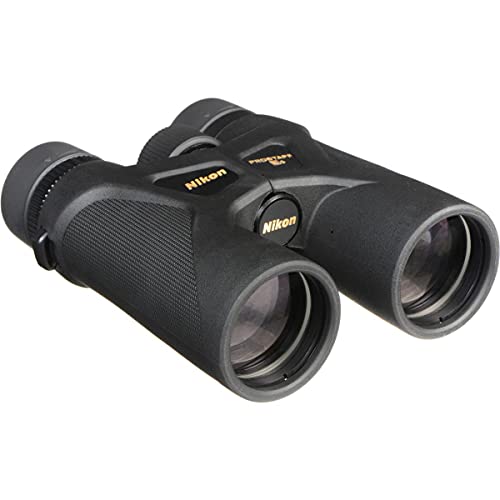
Nikon PROSTAFF 3S 10×42

WOZEL 20×25 Compact Binoculars

Celestron Travel Scope 80mm Telescope Kit

Celestron StarSense Explorer LT 80AZ Telescope
The Details Behind The Selections
The small 10×25 format makes these binoculars easier to carry than the 42mm models, which is useful on a long trail or during a crowded outdoor event. BAK4 prism glass and fully multi-coated lenses support brighter, higher-contrast images than an untreated basic optic, although real-world edge performance can vary.
The shock-resistant shell and non-slip grip suit children, casual wildlife watchers, and anyone needing one optic for several activities. Compared with the Nikon ACULON A211 10×42, the trade-off is a narrower view and less light-gathering capacity, which matters most before sunrise or beneath dense cover.
Everyday Perks
- 10x magnification offers enough reach for birds, distant terrain, and outdoor events.
- BAK4 prisms and multi-coated lenses improve contrast and light transmission.
- The compact body reduces hand fatigue during long outings.
- A textured grip helps steady the view on rough ground.
- The armored housing is intended to tolerate bumps and everyday wear.
Practical Considerations
- The 25mm objective lenses gather less light than larger 42mm lenses.
- Owners should keep the coated optics dry and use a soft lens cloth during routine cleaning.
At A Glance
Made For
Backpackers, families, and casual wildlife watchers benefit most from the low weight and broad outdoor uses.
Where Another Pick Suits Better
The Nikon PROSTAFF 3S 10×42 is a better fit for dawn hunting because its larger objective lenses collect more light.
Eight-power magnification keeps distant birds and animals easier to follow than a 10x or 20x binocular, particularly along wooded trails. The 42mm objective lenses provide a useful light-gathering advantage in dim woodland, although eight-power gives up some distance detail compared with the M MIXIO model.
Extra-low-dispersion glass, meaning glass engineered to reduce color fringing, suits serious birding and scenic viewing. Waterproof construction also makes this a sensible choice for damp weather, though its bulk and weight are less convenient for fast-paced hiking.
Positive Takeaways
- The 8×42 format offers a balanced view for tracking moving wildlife.
- ED optics help control chromatic fringing around high-contrast branches.
- Waterproof construction suits rain, humidity, and muddy trails.
Worth Noting
- Eight-power magnification provides less reach for very distant subjects.
- Rubber armor can retain dirt and should be wiped clean after wet outings.
Feature Snapshot
The Right Fit
Birders, walkers, and hunters who value steady images and a broad field of view will appreciate this balance.
A Better Fit Elsewhere
The Nikon PROSTAFF 3S 10×42 serves hunters better who want more magnification without leaving a full-size 42mm format.
Ten-power magnification and 42mm objective lenses make the ACULON A211 10×42 a practical all-rounder for wildlife, hiking, and sporting events. A spherical, multicoated design supports clear imaging in most lighting, while the rubber-armored body improves handling during damp trips.
The light, ergonomic construction is easier to carry than many full-size 10×42 binoculars, although the model offers less low-light headroom than higher-grade hunting optics. I find the smooth central focus knob especially useful for making rapid corrections in cold or gloved conditions, subject to the actual glove thickness and grip.
A Strong Showing
- A lightweight 10×42 layout balances reach and portability.
- Turn-and-slide rubber eyecups accommodate different eye positions.
- Rubber armor provides traction in wet conditions.
- The smooth central focus control supports quick adjustments.
Small Caveats
- Ten-power magnification can make small hand movements more noticeable.
- The central focus design may be less precise than models with a separate diopter adjustment.
- Lens cleaning should use a soft microfiber cloth to protect the multicoating.
Who Will Love This
Hikers, birders, and weekend hunters who want capable 10×42 binoculars without a bulky pack will find this model easy to live with.
Swap It Out When
The Celestron Nature DX ED 8×42 Binoculars suit people who prefer steadier images and reduced color fringing while following moving birds.
For hunters who spend time in rain, fog, or uncertain light, the PROSTAFF 3S 10×42 makes more sense than a small daylight-only optic. Its 10×42 configuration gives enough reach for open terrain, while multilayer lens coatings and reflective mirror coatings are designed to keep the view bright across the visible spectrum.
Compared with the lighter Nikon ACULON A211, this model emphasizes field protection over pack weight. That is a good trade for long days near wet vegetation, although a tripod or stable shooting position helps at 10x when distant movement needs close attention.
Benefits That Matter
- 10x magnification is useful for distant game and open landscapes.
- Multilayer coatings support brighter images in changing light.
- Waterproof and fog-resistant construction handles exposed conditions.
- Turn-and-slide eyecups improve comfort and eye spacing.
Trade Offs
- The larger 10×42 body is less convenient than a 10×25 compact model.
- Ten-power views shake with each hand movement, so steady positioning matters.
- Storage should keep the optics dry and the objective lenses protected from impact.
Key Details
Built With In Mind
Early-morning hunters and all-weather birders gain the most from the brighter 42mm optics and weather-focused construction.
Consider Something Else When
The M MIXIO 10×25 Compact Binoculars are easier to carry for children, concerts, and casual events where magnification matters less.
Twenty-power magnification brings distant birds, field sports, and stationary wildlife noticeably closer, but it also magnifies hand movement. The 25mm objective lenses keep the body compact, so this is a more deliberate tool than the 10×25 M MIXIO model rather than an automatic choice for every hike.
BAK4 prisms and fully multi-coated lenses make the WOZEL appealing for daylight viewing, though the small objective size leaves less room for low-light use. A stable stance is worth practicing before a long hunt or sporting event, especially along rough ground.
The Case For It
- 20x magnification helps isolate distant subjects.
- BAK4 prisms support bright, high-contrast daytime images.
- The 20×25 format remains compact enough for travel and casual birding.
Points To Note
- Higher magnification makes shaking more visible.
- The narrow 25mm lenses collect less light than 42mm objectives.
- Daily care should include a protective case and gentle lens cleaning.
Who It Suits Best
Static wildlife viewers and sports spectators who want strong magnification from a small, portable optic will find this format useful.
Reach For A Different Pick When
The Nikon PROSTAFF 3S 10×42 is the more natural choice for moving game because it offers a steadier, brighter view.
This telescope is not a binocular, so it does not replace a wide, quick wildlife view. It does provide a useful alternative for a campsite or cabin where the goal is lunar detail, stars, or distant scenery rather than tracking game across a field.
The 80mm aperture gathers more light than a very small travel telescope, while the refractor design and backpack support simple family outings. Setup and steadiness still matter, so I would expect casual sky viewing to be more forgiving than demanding astrophotography.
What Pays Off
- The 80mm aperture supports brighter views than smaller tabletop scopes.
- A backpack encourages portable observing sessions.
- The kit format is approachable for families and beginners.
- A smartphone adapter adds a flexible way to frame celestial views.
Practical Considerations
- It cannot match the immediate, wide field of view provided by binoculars.
- The scope needs a stable surface or careful handling to avoid image shake.
- Lens caps and coated optics require careful storage between outings.
Quick Facts
Best Suited To
Families, campers, and beginner stargazers benefit from the portable kit and forgiving refractor format.
Where A Sibling Pick Shines
The M MIXIO 10×25 Compact Binoculars are better for immediate wildlife scanning and travel where a wide binocular view matters more.
The StarSense Explorer LT 80AZ is built for people who want help locating celestial objects instead of memorizing star charts. Its smartphone-guided setup analyzes the sky and provides directional guidance, which reduces the learning curve for a first telescope.
Compared with the Celestron Travel Scope 80mm Telescope Kit, this model emphasizes guided discovery rather than a simple backpack-based outing. It is still a telescope, so binoculars remain the quicker tool for scanning wildlife, while phone use and setup add steps that may not suit every evening outside.
The Upside
- Smartphone guidance helps beginners locate sky objects more easily.
- The 80AZ format is approachable for casual lunar and planetary viewing.
- Directional assistance reduces the need to memorize coordinates before observing.
Less Ideal Details
- It is not a substitute for binoculars during fast-moving wildlife observation.
- Phone compatibility and app setup are additional ownership considerations.
- Outdoor storage should protect the optics from moisture and impact.
Feature Rundown
Made For
New stargazers and casual astronomers benefit most from guided celestial setup and a straightforward first telescope.
Another Choice May Suit
The Celestron Travel Scope 80mm Telescope Kit is the simpler fit for families who want portable observing without app-guided positioning.
What Matters Before Affordable Hunting Binoculars Go In The Pack
Magnification And Field Of View
Ten-power binoculars are a common starting point because they bring distant subjects closer without making every movement feel abrupt. Eight-power offers a steadier image and wider view, while 20-power provides reach but rewards a stable stance. A birding or hunting trip usually favors a balanced model over the largest number printed on the box.
Objective Size And Light
The second number represents objective lens diameter. A 42mm objective gathers more light than a 25mm objective, which helps during dawn, dusk, and shaded woodland. The trade is bulk and weight, so a 10×25 model may be the more comfortable choice for casual travel.
Weather Handling And Focus
Waterproof or fog-resistant construction is valuable on wet trails, but rubber armor still needs occasional cleaning. A smooth focus ring matters more than decorative controls because a hunting trip can involve mud, gloves, and frequent changes in viewing distance. I prioritize a secure grip, comfortable eyecups, and simple adjustment over unnecessary features.
Common Mistakes In Compact Outdoor Optics
Common Shopping Slip Ups
A large magnification number can hide a narrow view and shaky handheld image. Small objective lenses also make dusk viewing less comfortable than their bright product images suggest. I compare the full 10×25, 8×42, or 10×42 format rather than judging one number in isolation.
What The Higher Tier Buys
Higher-tier optics may improve light transmission, edge consistency, close focus, and weather sealing. Those upgrades matter for frequent birding, long hunts, or demanding low-light conditions. For casual events and family outings, a lighter 10×25 or 8×42 design may provide better ownership value than spending more on specifications that rarely get used.
Frequently Asked Questions
Are 10×42 binoculars good for hunting?
Yes, 10×42 binoculars are a common hunting format because they provide useful magnification and brighter images than smaller 10×25 models. Hand movement and distance remain practical concerns.
Is 8×42 better than 10×42 for birding?
An 8×42 model often feels steadier and shows more of the surrounding scene, which helps with moving birds. A 10×42 model offers more detail at greater distance but is easier to shake.
What does waterproof mean for binoculars?
Waterproof construction helps protect the optics during rain, mist, and damp outdoor conditions. Seals can still age, so the binoculars should be dried carefully after wet use.
Should hunting binoculars fit in a backpack?
A compact 10×25 model takes less space, while 10×42 binoculars usually provide better low-light performance. I choose based on carrying comfort, expected light, and the distance of the terrain.
Are telescopes useful for hunting?
Telescopes suit distant scenery and celestial viewing, but binoculars are more useful for scanning wildlife and moving across uneven ground. The Celestron models here work best as astronomy alternatives.
Final Thoughts
For a balanced hunting setup, I favor the Nikon PROSTAFF 3S 10×42 for light gathering and weather handling, while the Nikon ACULON A211 10×42 offers a lighter everyday profile. The Celestron Nature DX ED 8×42 is the calmer choice for birding, and the M MIXIO 10×25 is easiest to carry. The two Celestron telescopes serve different nightsky and landscape use cases rather than replacing binoculars.