
Deer salt licks serve different purposes depending on the setting. A hanging block works well for managed livestock, a heavy mineral lick suits wildlife areas with frequent visitation, and a sugar-based attractant targets a narrower observation or trail-camera use case. I focus on weight, mounting method, intended animals, and outdoor durability to separate the strongest options for barns, pastures, ranches, and wildlife properties.
The Lineup, Simplified

POHS Himalayan Salt Lick on Rope 6 lb

UMAID Himalayan Salt Lick 3 lbs On Rope, 6 Pack

Jurassic Rock 15 lb Mammoth Mineral Salt Lick

Himalayan Nature 5 lb Rock Deer Salt Lick
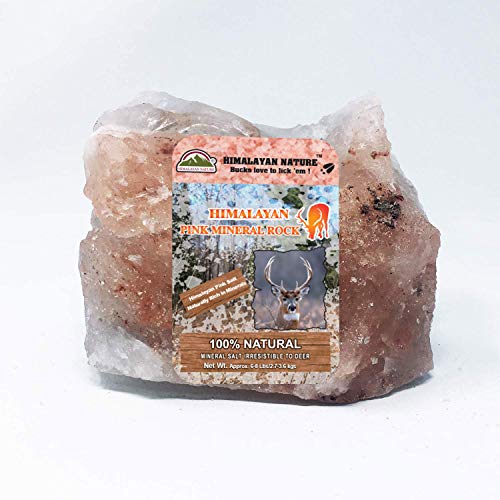
Himalayan Nature 5 lb Hand-Carved Pink Salt Rock

Himalayan Nature 5-8 lb Rock Salt Block

Wildgame Innovations 4 lb Sugar Beet Deer Brick
A Breakdown Of The Leading Choices
The included rope makes this a practical choice for stalls, paddocks, and outdoor feeding stations where a block needs to sit above damp ground. I favor the POHS format for a horse barn or hobby farm needing one substantial mineral block rather than several smaller units.
At approximately 6 pounds, it offers more mass than the UMAID blocks while keeping the familiar hanging format. The pink Himalayan salt construction is intended for horses, goats, deer, cattle, sheep, alpacas, llamas, and other livestock, although daily use should always follow an animal-care professional’s guidance.
What Earns Its Place
- The rope keeps the 6-pound block elevated and away from soil and mud.
- One large block simplifies installation across stalls, corrals, and pastures.
- The species range suits mixed farms with several types of livestock.
- Dense rock salt should consume more slowly than a small loose block.
Small Caveats
- The single-block format may not suit properties needing several feeding stations.
- Rope and mounting hardware need regular checks around livestock.
Key Details
Built With In Mind
This block fits horse owners and small livestock operations that value a rope-mounted design and one large unit per location.
A Better Fit Elsewhere
UMAID Himalayan Salt Lick 3 lbs On Rope, 6 Pack suits farms that need to spread multiple hanging blocks across several pens.
Distribution matters on a farm with several animals, and the six-pack format makes that easier to manage. I see this as a practical choice for barns, hobby farms, and ranches that want separate hanging locations rather than one heavily used block.
Each listed block weighs 3 pounds and includes a rope for hanging. That makes the setup more manageable than the 6-pound POHS block for smaller stalls, while the six-unit quantity provides broader placement across paddocks and feeding zones.
What Works In Its Favor
- Six blocks allow separation between groups or feeding areas.
- The 3-pound size is easier to handle than heavier alternatives.
- Hanging ropes lift each block from wet ground.
Trade-Offs To Consider
- Six blocks may be excessive for a single stall or small herd.
- The supplied information does not detail mineral composition or exact dimensions.
- Each rope attachment needs inspection as animals pull and lick.
Made For Multi-Area Farms
The pack works best for livestock keepers who need several elevated lick locations across one property.
Where A Sibling Pick Shines
POHS Himalayan Salt Lick on Rope 6 lb is the better option for a property that prefers a larger, single block per feeding area.
A 15-pound mineral block changes the scale of a wildlife setup. I prefer this option for wooded acreage, ranch environments, and locations where deer, elk, moose, antelope, caribou, goats, or sheep may visit repeatedly, although placement rules still depend on the property.
Unlike the rope-hung salt blocks, this is a large mineral lick intended to serve as both a seasonal draw and a mineral source. Its size reduces the need for frequent replacement, but it also creates more placement and weather-management considerations.
Strengths Worth Knowing
- The 15-pound weight suits high-traffic outdoor setups.
- The formula targets a broad range of wild and farm animals.
- Its large format can support use throughout the year.
- It offers a mineral option without the suspended setup of smaller blocks.
Points To Note
- The full-size block is harder to reposition than a 3-pound unit.
- Placement on public land or near a dwelling may be restricted.
- Rain exposure and ground contact can shorten useful life in wet climates.
Feature Snapshot
Who It Suits Best
This format suits property managers maintaining a frequently visited mineral location on suitable private land.
Consider Something Else When
Himalayan Nature 5 lb Hand-Carved Pink Salt Rock fits smaller observation areas where a lighter block is easier to handle.
The defined 2-by-4-by-8-inch dimensions make this block easier to plan around than an irregular rock. I favor the Himalayan Nature format for deer pens, farm boundaries, and mixed-animal areas that call for a compact rectangular mineral block.
Compared with the 15-pound Jurassic Rock option, this 5-pound brick is lighter and easier to reposition. Its listed composition includes naturally occurring trace minerals and electrolytes, while the rectangular form creates a straightforward base for controlled placement.
Features That Help
- A defined shape simplifies placement on a level base.
- The 5-pound weight balances portability and useful mass.
- The listed use covers deer, horses, goats, sheep, and other farm animals.
Details To Watch
- Smaller weight may lead to more frequent replacement in busy locations.
- The brick is not described as rope-mounted.
- Ground dampness can still affect the block in exposed areas.
At A Glance
Right Fit For
This brick suits small farms and wildlife managers who prioritize defined dimensions and moderate weight.
Look Elsewhere When
Jurassic Rock 15 lb Mammoth Mineral Salt Lick serves busier properties that need a larger block at a single station.
The hand-carved form gives this salt rock a more natural appearance than the rectangular Himalayan Nature brick. I find that useful near observation areas, ranch entrances, or photography locations where appearance matters as much as mineral availability.
The listed weight is 5 pounds, making it lighter than the Jurassic Rock option and easier to reposition. It is presented for wildlife observation, photography, hunting-related settings, and farm animals, so its broader purpose is visual and functional rather than tied to one type of enclosure.
Well-Handled Touches
- Hand-carved construction gives the block a distinctive appearance.
- Five-pound weight supports easier handling than a 15-pound lick.
- One format serves wildlife settings and mixed farm environments.
Less Ideal Details
- Natural shaping can make stacking less predictable than a rectangular brick.
- The listing offers little detail about mounting or drainage needs.
- Outdoor placement still requires protection from saturated soil.
Whose Shelf It Belongs On
This rock fits observation-focused property owners and small farms wanting a natural-looking salt block.
Swap It Out When
Himalayan Nature 5 lb Rock Deer Salt Lick is the better fit where precise dimensions and stable placement matter most.
The hard rock format targets animals that lick mineral blocks slowly, including horses and deer. I consider this a strong mixed-animal option, although the 5-to-8-pound range means the actual unit may not be identical to a single fixed-weight block.
Compared with the hand-carved Himalayan Nature rock, this listing emphasizes resistance to rain and biting rather than appearance. It also covers horses, goats, sheep, and other livestock, making it useful across properties where one mineral source must serve several species.
The Good Stuff
- Hard rock construction discourages large bites during routine licking.
- The material is intended for horses, deer, and other livestock.
- Rain resistance supports use in exposed outdoor settings.
- The 5-to-8-pound range sits between smaller bricks and large wildlife licks.
Honest Caveats
- A variable weight range is less precise for capacity planning.
- Resistance to rain does not prevent mineral loss in standing water.
- The product still needs a stable, reasonably dry base.
Technical Highlights
Who Should Grab It
This block suits mixed-livestock properties that prefer a hard rock format with broad outdoor applicability.
Reach For A Different Pick When
POHS Himalayan Salt Lick on Rope 6 lb is more convenient where elevated installation and a known block weight are priorities.
This brick takes a different approach from the plain Himalayan salt options. I see it as a purpose-built choice for trail-camera locations, seasonal wildlife observation, and properties where attracting deer to a defined point is the main goal.
The sugar beet and mineral composition creates a 4-pound block intended to draw deer while supplying mineral material. Unlike the larger Jurassic Rock lick, its narrower use case makes it less suitable as a general mineral option for horses, goats, or sheep.
The Upside
- Sugar beet gives the block a distinct attraction-focused profile.
- The 4-pound brick is manageable for remote-site setup.
- The listed format pairs well with trail-camera positioning.
Potential Drawbacks
- It targets deer more specifically than general livestock salt blocks.
- The compact size may need replacement in a high-traffic area.
- Remote placement requires regular monitoring and weather protection.
Quick Facts
Built With In Mind
This brick fits hunters and wildlife photographers who want a defined attraction point near cameras.
Another Choice May Suit
Jurassic Rock 15 lb Mammoth Mineral Salt Lick serves year-round mineral placement across broader wildlife and livestock species.
What Matters Before Choosing A Mineral Lick
Start with the animal and setting. A horse stall, deer observation area, and mixed-livestock pasture do not have the same placement needs. The rope-hung POHS and UMAID blocks suit managed feeding points, while the larger ground blocks fit permanent outdoor stations.
Weight changes replacement frequency and handling. A 3-pound block is easier to move, a 5-pound brick is a moderate compromise, and a 15-pound lick is better suited to established locations. Larger blocks are not automatically better, because a remote setup may become difficult to maintain once rain, mud, or animal traffic affects the base.
Form and placement affect longevity. Rope-mounted units stay elevated, while ground-set rock licks need a stable, well-drained location. The Wildgame Innovations sugar beet brick is a specialty option for attracting deer to a focused observation point, not a general substitute for farm-raised mineral salt.
Common Traits Among These Options
Common Shopping Slip Ups
Choosing only by weight misses the installation method. A rope block and a ground-set rock require different placement, while a sugar-based attractant serves a narrower purpose than general livestock mineral salt. Check the animal species, expected weather exposure, and available mounting point before choosing.
What Separates Premium From Basic
A larger or more specialized block may cost more because it offers a different format, weight, or attraction profile. Higher cost is not automatically necessary for a small pasture, but a larger block or multi-pack can reduce replacement and installation effort for a larger property. The right value depends on coverage and maintenance, not just size.
Frequently Asked Questions
Are Salt Licks Safe For Livestock?
Salt licks can suit many livestock, but access should match the species and a veterinarian or animal-care professional’s guidance. Placement and quantity also depend on the animal’s regular diet.
Which Type Is Better For Deer?
Mineral rock blocks suit year-round mineral placement, while sugar-based bricks target focused attraction near observation sites. Property rules, weather, and location determine the more suitable option.
Do Rope-Mounted Blocks Last Longer?
Elevation can reduce contact with mud, soil, and standing moisture, which may slow deterioration. The rope and attachment still need regular inspection.
How Heavy Should A Deer Salt Lick Be?
A 4- to 5-pound block is easier to reposition, while a 15-pound block suits a fixed station with frequent wildlife use. Larger weight is most useful where replacement is inconvenient.
Can One Block Serve Several Animals?
Some blocks are marketed for multiple livestock species, including horses, goats, sheep, deer, cattle, alpacas, and llamas. Individual dietary needs still make separate placement and access control important.
Final Verdict
I favor POHS for a rope-hung barn setup, UMAID for distributing several blocks, and Jurassic Rock for a fixed wildlife station. Himalayan Nature covers compact, shaped, and hard-rock preferences, while Wildgame Innovations is the clearest choice for a focused deer-attraction location. Match the format to the animals, weather, and maintenance routine before deciding.