
A useful duck call needs to project clearly without becoming tiring to operate, especially during a long morning beside water or inside a crowded layout blind. My shortlist covers traditional reeds, acrylic construction, teal-specific tones, decoy rigging, and one electronic predator call for hunters expanding beyond waterfowl.
The selection also reflects different field roles. Some models prioritize high output and rapid control, while others solve storage, transport, or decoy-anchor problems that shape the entire setup.
The Shortlist At A Glance

Rig’Em Right Lock and Load Blind Bag

Buck Gardner BGC Teal Call

RNT MVP Acrylic Duck Call

Rig’Em Right Decoy Strap Weights
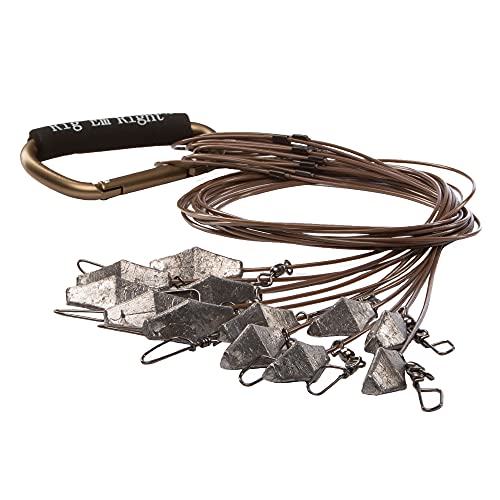
Rig’Em Right Pre-Rigged Coated Cable Decoy Anchors

Echo Diamondwood Timber Double Reed Duck Call

FOXPRO Hellcat Electronic Predator Call
Taking A Closer Look At The Options
A narrow blind bag solves a different problem from producing a duck-sound tone, but that difference matters in a cramped layout blind. The profile fits inside the structure, while the attaching clips offer another option for placement along stubble straps.
Separate storage keeps ammunition away from clothing and smaller essentials. That makes this a practical companion for hunters carrying calls, shells, glasses, and drink containers into the field.
Everyday Wins
- Narrow shape suits confined blind interiors.
- Separate molded ammunition area has a rigid floor.
- Clear internal pockets help locate small items quickly.
- Dedicated drink pocket reduces loose-item clutter.
- Clips expand placement beyond the main compartment.
Practical Considerations
- This organizes equipment rather than producing a calling tone.
- Owners may need a separate cleaning routine for dirt and mud after wet-field use.
Quick Facts
Who It Suits Best
It fits layout-blind hunters who need organized ammunition storage in a narrow shelter.
A Better Fit Elsewhere
Waterfowl hunters seeking vocal control will find the RNT MVP Acrylic Duck Call more useful.
Where the RNT MVP emphasizes volume, the Buck Gardner BGC narrows the focus to teal. It is intended for bluewing, greenwing, and cinnamon teal, giving hunters a species-specific option instead of another general-purpose waterfowl call.
Teal move quickly and change direction over decoy spreads, so precise mouth-pressure control can be more valuable than sheer output. The polycarbonate body is designed for regular handling in demanding field conditions.
A Favorable Mix
- Targets three commonly pursued teal varieties.
- Polycarbonate construction suits frequent transport.
- Focused tone benefits dedicated teal spreads.
A Few Limitations
- Its species-specific purpose is less flexible than a general mallard-oriented call.
Feature Snapshot
Made For
Specialist teal hunters gain a call built around their most important species.
Consider Something Else
The Echo Diamondwood Timber Double Reed Duck Call better serves hunters wanting a traditional double-reed format.
The RNT MVP takes a high-output approach, using an acrylic body and a single reed, which is a flexible strip that vibrates as air passes across it. That configuration favors quick response and substantial projection over an open marsh.
Competition-style design may be useful for experienced callers working a large decoy spread, but tone preference remains personal. Mallard green provides a traditional color cue, though appearance matters less than consistent reed control.
Bright Spots
- Acrylic construction supports a focused, high-output design.
- Single-reed format responds well to quick pressure changes.
Trade-Offs To Consider
- High output can require careful mouth control in close layouts.
- The competition focus is less essential for beginners learning a basic roll.
- Cleaning the reed and checking the body fit becomes important after repeated field use.
The Right Fit
Experienced waterfowl callers benefit most from its fast single-reed response.
Another Choice May Suit
The Buck Gardner BGC Teal Call is a stronger fit for hunters targeting teal species.
A credible decoy pattern loses value quickly when wind sends lightweight birds across the water. These strap weights focus on that anchoring task, adding eight ounces of support per piece while keeping the setup portable.
The twelve-piece set covers several anchor points without requiring a larger collection of loose components. Like the Lock and Load Blind Bag, this is field equipment rather than a sound-producing call, but it supports the spread that calls depend upon.
The Upside
- Eight-ounce size balances security with manageable weight.
- Twelve pieces suit multi-decoy layouts.
- Flexible straps can follow different decoy positions.
- Compact components simplify transport to flooded ground.
- Straps wrap around a decoy keel for tidier storage.
Worth Noting
- Soft ground or strong water movement may still require heavier anchoring.
Core Details
Right Fit For
Portable layouts and moderate water movement fit these strap weights well.
Reach For A Different Pick
The Rig’Em Right Pre-Rigged Coated Cable Decoy Anchors suit hunters wanting a more substantial cable system.
Pre-rigged hardware removes much of the assembly work from an exposed decoy spread. Each coated cable anchor arrives associated with its weight and a large padded carabiner, allowing quicker positioning near the chosen layout.
Heavy-duty crimps and swivels suit waterfowl areas where hardware faces constant handling and changing water levels. Compared with simple strap weights, the additional components add useful capacity but also create more gear to inspect and store.
Everyday Perks
- Pre-rigged construction reduces setup steps.
- Coated cable resists exposure during waterfowl use.
- Padded carabiner eases connection and handling.
Potential Drawbacks
- Twelve assembled anchors occupy more transport space than compact strap weights.
- Regular inspections help catch grit or wear around clips and cable ends.
Technical Reference
Who Should Grab It
Hunters with large, exposed spreads benefit from the preassembled cable hardware.
Where Another Pick Shines
Rig’Em Right Decoy Strap Weights are easier to pack for compact and portable layouts.
The Echo Diamondwood Timber takes the traditional double-reed path, using two vibrating strips to produce the call’s tone. That format feels appropriate for hunters who prefer a steadier roll and a conventional waterfowl setup.
Source details are limited, so I base this fit primarily on the named timber and double-reed configuration. Tone can vary with moisture, pressure, and reed condition, making familiar practice important.
Strengths Worth Knowing
- Double-reed format suits traditional calling technique.
- The timber-styled model complements classic waterfowl gear.
Smaller Details
- The listing provides limited detail about dimensions, reed adjustment, and body materials.
- Moisture exposure can alter reed response and may require gradual drying after use.
Whose Shelf It Belongs On
Traditionalists who prefer double-reed operation will appreciate this format.
Not My Match
The RNT MVP Acrylic Duck Call better fits callers seeking single-reed response and high output.
The FOXPRO Hellcat is not a waterfowl call, so it doesn’t compete with the reed models directly. I include it because predator hunters can use electronic audio to cover coyotes, foxes, bobcats, raccoons, crows, hogs, and other targets.
A large backlit LCD and raised buttons that remain visible in darkness make the remote practical during predawn setups. The unit weighs 2.5 pounds with batteries, and its handle plus lanyard loops support transport.
A Strong Showing
- One unit serves numerous predator species.
- Backlit controls help with low-light operation.
- Portable 2.5-pound body suits mobile setups.
- Tripod compatibility offers optional elevated placement.
Practical Considerations
- The remote requires a 9-volt battery, which is not included.
- A compatible handle stand is also not included.
- Electronics need protected storage and regular battery checks.
Feature Rundown
Built With In Mind
Mobile predator hunters benefit from the compact body, remote, and carry handle.
Look Elsewhere When
Duck-focused hunters should choose the RNT MVP Acrylic Duck Call instead of an electronic predator device.
Matching A Call To The Hunt
A reed call should match the species, setting, and level of control that matter. Single-reed models respond rapidly and suit experienced callers working large spreads, while double-reed designs offer a more traditional feel.
Material and maintenance also influence ownership. A reed can retain moisture after a wet morning, altering its response, so drying time and regular inspection matter. Acrylic, polycarbonate, and traditional timber-styled bodies each present a different handling profile, but the source details remain limited for some models.
Species-specific calls serve a narrower purpose. A teal-focused model may fit a dedicated puddle-duck spread, yet it offers less flexibility for general waterfowl work. Output should also match the environment, since greater volume is not automatically more useful inside a sheltered blind.
Building A Complete Field Setup
Hidden Buying Traps
Choosing by loudness alone overlooks fit and control. Reed type, target species, moisture, and the distance to the decoy spread all shape the result.
What Separates Premium From Basic
Higher-tier calls may add body material, focused tone, or competition-oriented response. The RNT MVP suits callers seeking high output, while the Echo Diamondwood Timber favors a traditional double-reed format.
Frequently Asked Questions
Are single-reed or double-reed calls easier to control?
Double-reed calls generally provide a steadier reed response. Single-reed calls can change quickly with subtle pressure adjustments, rewarding practice.
Does call material affect durability?
Yes. Acrylic and polycarbonate provide rigid bodies, while reed condition and moisture can affect performance more than the shell material.
Should teal calls also work on mallards?
A teal-specific tone may function differently on other species. The Buck Gardner BGC is most closely aligned with bluewing, greenwing, and cinnamon teal.
How often should a duck call be cleaned?
Calls used in wet conditions benefit from prompt drying and careful reed inspection. Cleaning methods should match the reed and body materials.
Are decoy weights part of choosing a call?
They are separate equipment. Strap weights and cable anchors stabilize the decoy spread that supports the entire calling setup.
Final Thoughts
My shortlist divides cleanly by role: the RNT MVP serves high-output single-reed calling, the Buck Gardner BGC targets teal, and the Echo Diamondwood Timber represents a double-reed approach. Rig’Em Right handles blind organization and decoy security, while FOXPRO extends into electronic predator audio. Matching the equipment to the actual spread matters more than collecting a long feature list.