
Wet trails, changing weather, and long distances make footwear choice more than a style decision. I compare waterproof protection, mid-height coverage, quick-drying construction, cold-weather insulation, and packable water shoes for hiking trips ranging from day walks to demanding mountain routes.
GORE-TEX membranes block moisture while allowing vapor to escape, reducing the chance of wet socks during steady rain or stream crossings. A BOOST midsole adds responsive cushioning underfoot, while the mid-height cut gives ankle coverage for uneven ground. This combination favors experienced hikers handling mixed terrain.
Your Options, Compared

adidas Women’s Terrex Trailmaker 2.0 Mid Top GORE-TEX Hiking Shoes

Columbia Men’s Peakfreak Rush Mid Outdry Hiking Shoes
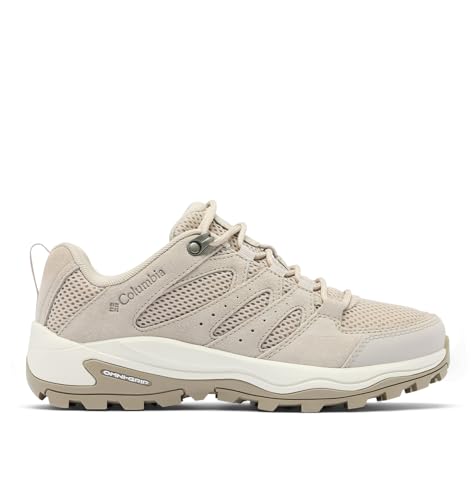
Columbia Womens Redmond 4 Breathe Shoes

HI-TEC Yosemite WP Mid Waterproof Hiking Boots for Men

adidas Terrex Free Hiker 2 C.Rdy Men’s Shoe, Size 13

UBFEN Quick Dry Barefoot Water Shoes

adidas Women’s Terrex Free Hiker NLB GTX Shoes
Why These Options Stand Out
The Trailmaker 2.0 balances a lightweight mid-height upper with the protection needed for wet, uneven trails. Its GORE-TEX membrane resists incoming moisture while releasing water vapor, which matters during long climbs in changing weather. Compared with the insulated adidas Terrex Free Hiker 2 C.Rdy later in this roundup, this model focuses more on responsive movement and warm-weather versatility.
The BOOST midsole supplies energy-return cushioning intended to soften repeated footfalls on hard or rocky surfaces. That makes the shoe a sensible fit for hikers moving beyond casual park walks, although unfamiliar trails may still demand a period of break-in. The supportive upper also makes this a credible choice for weekend backpack routes and multi-day objectives.
Strengths Worth Knowing
- GORE-TEX protection helps keep socks dry during rain and stream crossings.
- BOOST cushioning absorbs impact across long, rocky descents.
- Mid-height coverage adds support around the ankle without the bulk of a full boot.
- Lightweight construction suits repeated uphill movement.
Points To Note
- Waterproof membranes can feel restrictive during unusually warm hikes.
- Trail outsole debris commonly collects around the lugs and needs brushing after muddy walks.
Key Attributes
Built With In Mind
Experienced day hikers and beginners taking on rocky, rain-prone trails gain the most from this balanced construction.
Another Choice May Suit
Cold-weather hikers may prefer adidas Terrex Free Hiker 2 C.Rdy because its PrimaLoft insulation adds warmth.
Rain protection takes priority in the Peakfreak Rush Mid, a lightweight shoe designed for wet ground and demanding trails. Outdry is a waterproof, breathable membrane, so it helps block external moisture while allowing internal vapor to move outward. That balance makes more sense during changeable spring hikes than a heavy insulated boot.
The mid cut gives more lower-leg coverage than a low hiking shoe, a practical distinction on muddy approaches and loose ground. Compared with adidas Women’s Terrex Trailmaker 2.0 Mid Top GORE-TEX Hiking Shoes, this model has a similar weather-first purpose, but it is explicitly positioned for men’s feet. Fit will still depend on the available sizing and the shape of the foot.
A Strong Showing
- The Outdry membrane provides wet-weather protection without a heavy insulated profile.
- Mid-height coverage helps on muddy trails and uneven approaches.
- Lightweight construction favors hikers covering substantial distances in damp conditions.
Worth Noting
- Deep trail lugs may retain packed mud after wet hikes.
- Waterproof protection adds little value on consistently dry routes and can reduce breathability.
- Sizing deserves close attention because the listing provides no detailed fit measurements.
Feature Snapshot
Who It Suits Best
Men hiking muddy woodland routes, wet mountain trails, and changeable spring landscapes benefit most from the weather protection.
Where A Sibling Pick Shines
Hikers seeking more responsive cushioning on rocky descents may prefer adidas Women’s Terrex Trailmaker 2.0 Mid Top GORE-TEX Hiking Shoes.
The Redmond 4 Breathe lands closer to a versatile walking shoe than a technical mountain boot. Its naming places emphasis on airflow, which matters during warm day hikes and casual walks where bulky footwear can feel unnecessary. That lighter-duty profile also makes it easier to move in on maintained paths.
I see this as a practical option for hikers who split time between neighborhood walks, local trails, and ordinary travel. Compared with Columbia Men’s Peakfreak Rush Mid Outdry Hiking Shoes, the available information suggests a more breathable, less weather-specialized role. The listing does not identify a waterproof membrane or insulation, so wet-weather protection should not be assumed.
Where It Helps
- Breathable positioning suits mild temperatures and moderate walking intensity.
- A less technical profile fits casual trail days and everyday wear.
- Columbia branding provides a recognizable option within outdoor footwear.
Small Caveats
- No waterproof construction is specified, so downpours may soak the upper.
- Loose mud can enter more easily through a low-profile opening.
- Detailed outsole, weight, and cushioning information is absent from the source listing.
- Sock fit and toe room need checking against available sizing.
Made For
Casual day hikers and beginners walking maintained paths in mild, dry weather receive the most useful balance here.
Look Elsewhere When
Hikers facing persistent rain should give Columbia Men’s Peakfreak Rush Mid Outdry Hiking Shoes closer attention for their specified waterproof membrane.
The Yosemite WP Mid focuses on waterproof coverage and a lightweight approach to boot-style support. The WP designation identifies water protection, while the mid cut adds coverage around the lower leg. For wet forest routes, that combination can be more reassuring than an open hiking sandal or low walking shoe.
Unlike adidas Women’s Terrex Trailmaker 2.0 Mid Top GORE-TEX Hiking Shoes, this HI-TEC model is positioned specifically for men’s feet and emphasizes breathable outdoor construction. It may work well for day treks, but the source gives no cushioning compound, outsole compound, or weight figure, so technical trail performance is difficult to compare precisely.
A Favorable Mix
- Waterproof construction helps protect feet during rain, puddles, and muddy trails.
- The mid-height profile provides more coverage than a low hiking shoe.
- Lightweight positioning helps reduce the bulky sensation common to boots.
Practical Considerations
- Waterproof uppers need prompt drying to avoid lingering moisture during storage.
- Outdoor trekking and hiking are different from technical mountaineering, so steep alpine routes may demand more support.
Quick Facts
The Right Fit
Men walking wet woodland trails, muddy camp routes, and moderate trekking paths gain useful coverage without a heavy expedition-boot profile.
Reach For A Different Pick When
Long-distance hikers prioritizing responsive cushioning may prefer adidas Women’s Terrex Trailmaker 2.0 Mid Top GORE-TEX Hiking Shoes and its specified BOOST midsole.
The C.Rdy Free Hiker 2 is built for colder outings, combining PrimaLoft insulation with a GORE-TEX membrane. Insulation slows the transfer of cold air around the foot, while the membrane limits moisture penetration on wet or icy trails. That dual protection separates it from the lighter Trailmaker 2.0 in this roundup.
Primeknit uppers create a close, sock-like fit that can feel natural during brisk hikes, though that snug shape may not suit hikers with wider feet. The listing is specifically tied to men’s sizing and a size 13 variant, so availability does not establish a complete size range. Cold-weather hikers gain more from this design than travelers heading into hot conditions.
The Good Stuff
- PrimaLoft insulation adds warmth for cold-weather trail trips.
- GORE-TEX construction protects against wet snow, rain, and slush.
- The Primeknit upper creates a close fit that may reduce internal movement.
- Waterproof insulation makes the shoe more versatile across seasonal conditions.
- The low-cut Free Hiker design can move more freely than a bulky insulated boot.
Less Ideal Details
- Insulation can feel excessive during mild or warm-weather hikes.
- Close-fitting Primeknit material may restrict wider feet.
Core Details
Whose Shelf It Belongs On
Men hiking cold, wet, or snowy routes benefit most from the combined insulation and waterproof membrane.
Swap It Out When
Hikers pursuing warm-weather routes benefit more from the lighter adidas Women’s Terrex Trailmaker 2.0 Mid Top GORE-TEX Hiking Shoes.
The UBFEN water shoe occupies a different category from technical trail footwear. Its barefoot-style shape and quick-drying intent suit swimming, beach walks, and shallow water crossings where conventional hiking shoes become saturated. A minimal design also keeps it easy to pack for warm-weather trips and water-heavy itineraries.
That same open profile works against loose gravel, sharp rocks, and cold streams, all common conditions on rugged hikes. Compared with Columbia Men’s Peakfreak Rush Mid Outdry Hiking Shoes, the UBFEN pair prioritizes drainage and packability rather than weather protection. The source confirms the quick-dry positioning but provides no material, outsole, or support details, so technical use requires caution.
The Value In It
- Quick-drying construction suits swimming and frequent water exposure.
- Barefoot styling offers a close-fitting alternative to bulky hiking shoes.
- Men’s and women’s positioning creates broad household and travel appeal.
- The compact profile is practical for beach bags and day packs.
Where It May Fall Short
- Open construction offers little protection from sharp trail debris.
- Water shoes should be rinsed after salt or mud exposure and left open to dry.
- No cushioning or outsole specifications are provided, limiting technical assessment.
Who Will Love This
Beach walkers, swimmers, and hikers crossing shallow streams gain the most from a lightweight, quick-drying design.
A Better Fit Elsewhere
Hikers facing rocky trails or sustained rain should favor HI-TEC Yosemite WP Mid Waterproof Hiking Boots for Men.
The Free Hiker NLB GTX combines a low hiking-shoe profile with weather protection identified by GTX. That makes it a practical middle ground for fast day hikes where a heavy boot feels excessive but waterproof coverage remains useful. The Feather Grey, Acid Yellow, and Core Black colorway gives the otherwise technical design a distinctive finish.
Compared with adidas Women’s Terrex Trailmaker 2.0 Mid Top GORE-TEX Hiking Shoes, the NLB GTX sits lower at the ankle and appears less substantial. That profile may improve freedom of movement for maintained trails, while the mid version may feel steadier over rough terrain. Because the source provides limited construction details, fit and cushioning deserve close attention.
Notable Gains
- GTX construction adds moisture protection for wet trails and changing weather.
- The low-cut profile can reduce bulk during fast-paced day hikes.
- The multicolor finish appeals to hikers who prefer noticeable trail footwear.
Details To Watch
- Low-cut coverage may provide less ankle support on uneven ground.
- Waterproof footwear needs air-drying after wet hikes to manage interior moisture.
- No insulation is specified, so cold-weather suitability remains uncertain.
Product Snapshot
Best Suited To
Women seeking lightweight, waterproof footwear for maintained trails benefit most from the low-cut Free Hiker profile.
Consider Something Else When
Hikers needing more ankle coverage on rugged ground may prefer adidas Women’s Terrex Trailmaker 2.0 Mid Top GORE-TEX Hiking Shoes.
Choosing Footwear For Actual Trail Conditions
Terrain, weather, and trip duration matter more than appearance alone. The right hiking shoe should create a secure connection with the ground without trapping water or restricting movement. Match the construction to the route instead of relying on a broad “trail-ready” label.
Ground and Route Demands
Rocky climbs reward secure outsole grip and protective structure, while maintained paths place more emphasis on comfort and efficient movement. Loose gravel, mud, and exposed roots increase the value of tread patterns that release debris. Technical routes may also justify the added ankle coverage found in a mid-height boot.
Weather and Temperature
Waterproof-breathable membranes help in rain, while insulated footwear adds protection during cold conditions. Ventilated shoes dry faster but offer less defense against standing water. Hot hikes may call for a lighter profile, and wintry terrain benefits from insulation, sealed construction, and reliable traction.
Fit and Wearing Context
Foot shape, heel security, and toe room deserve priority because a technically capable shoe still fails when it shifts during a descent. Socks also affect fit and volume, so the footwear should be assessed with the layers used on the hike. A shop return or exchange can help, but both should be planned around store and manufacturer policies.
Shortcuts That Can Undermine a Good Pair
Mistakes Worth Dodging
Choosing footwear from appearance alone often leads to poor terrain fit. Waterproof shoes can overheat on warm, dry routes, while open water shoes offer inadequate debris protection on rocky trails. The mistake is choosing a broad purpose before defining the actual route.
The Case For Spending Up
Premium trail footwear often adds specialized membranes, insulation, cushioning compounds, or stronger upper materials. Those upgrades matter most on multi-day hikes, wet weather, and demanding surfaces. A lower-profile everyday model remains more economical for casual walks and short, predictable outings.
Frequently Asked Questions
Can waterproof hiking shoes be used in hot weather?
Waterproof hiking shoes can work in heat, although reduced airflow may make them less comfortable than ventilated models. Lightweight footwear and moisture-wicking socks help manage internal perspiration.
Are water shoes suitable for rocky hikes?
Water shoes work best near calm water, beaches, and sandy trails. Sharp rocks, gravel, and technical descents require more protective construction than the barefoot-style profile offers.
What type of hiking footwear suits winter conditions?
Insulated, waterproof footwear offers the most relevant combination for cold and wet trails. Grip and insulation matter, but warmth alone cannot compensate for poor fit or an unsuitable outsole.
Should hiking shoes be broken in?
Gradual wear helps hikers identify pressure points before a long trip. Short walks on familiar ground provide a practical way to assess heel movement, toe room, and blister-prone areas.
How should waterproof footwear be maintained?
Mud and grit should be removed after each hike, followed by careful drying away from direct heat. Keeping the upper clean also helps prevent trapped moisture from affecting socks and the interior lining.
Final Verdict
I favor the Trailmaker 2.0 for balanced long-distance protection, the Peakfreak Rush Mid for wet-weather versatility, and the Free Hiker 2 C.Rdy for genuine cold conditions. The Redmond 4 Breathe suits lighter casual hikes, while the Yosemite WP Mid serves men seeking straightforward waterproof coverage. Water-focused trips and fast day hikes are better served by the UBFEN and adidas Women’s Terrex Free Hiker NLB GTX Shoes, respectively. The most useful choice comes down to the actual trail, forecast, and fit.