
Starting a hiking hobby means choosing a backpack that feels balanced, carries comfortably, and suits the length of each outing. A new hiker may prefer a compact 10L or 18L model for local trails, while weekend backpackers often need the larger capacity of a 40L, 50L, or 65L pack. I narrowed the field around fit, storage, weather readiness, hydration access, and the learning curve each design creates.
The Shortlist At A Glance

Osprey Rook 50L Backpack, Blue

Maelstrom Hydration Backpack with Bladder

Osprey Renn 65L Women’s Backpack, Blue

G4Free 10L Small Backpack

N NEVO RHINO 17L Hydration Backpack

Maelstrom 40L Hiking Backpack
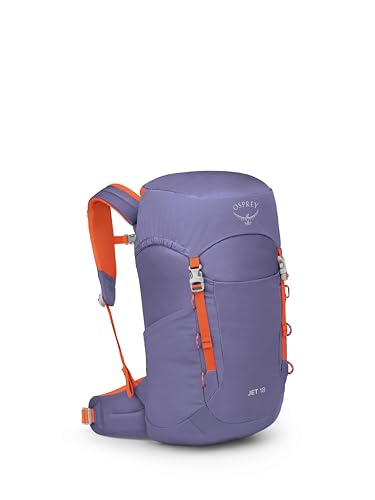
Osprey Jet 18L Kid’s Backpack, Purple
A Closer Look At Each Pick
The Rook 50 lands in a useful middle ground between a roomy daypack and a large expedition pack. Its adjustable AirSpeed suspension spreads the load across the torso, while the ladder-lock torso adjustment helps position the pack more precisely. For someone learning to pack a tent, sleeping bag, food, and clothing, that adjustability matters.
Compared with the much smaller G4Free 10L Small Backpack, it can handle a complete overnight load without forcing everything into a cramped opening. The integrated raincover adds useful protection during unsettled forecasts, although the cover won’t replace dry bags for prolonged downpours.
Positive Points
- The 50L capacity suits first overnight trips and roomy weekend campouts.
- Adjustable suspension creates a more adaptable fit for changing torso lengths.
- The built-in raincover removes one item from a first backpacking gear list.
- Larger capacity reduces dependence on carrying essentials in hand or pockets.
- The blue finish makes this men’s model easy to distinguish from similarly sized packs.
Trade Offs
- Its size and empty weight can feel excessive for short local walks.
- Owners should store the raincover clean and fully extended after damp hikes to prevent trapped moisture.
Key Attributes
Built With In Mind
This pack benefits new backpackers taking a first two-night trip and needing enough capacity for standard shelter and sleep gear.
A Better Fit Elsewhere
The Maelstrom Hydration Backpack with Bladder suits day hikers who want frequent access to water and smaller items without overnight capacity.
Organized access makes this 20L design appealing to hikers who like stopping often to check a map, retrieve a snack, or refill water. A hydration bladder is a reservoir that sits inside the pack and delivers water through a drinking tube, reducing the need to remove the entire backpack at every break. This model is offered with 2L and 3L bladder options, although capacity choice depends on the listing selected.
Unlike the Osprey Rook 50L Backpack, it prioritizes compartments and hydration for a single outing rather than overnight capacity. The front valuables section, upper pocket, lower pockets, and helmet storage make it practical for cycling breaks, short trails, and moderate weather walks.
Real-World Strengths
- Multiple pockets reduce the need to dig through one crowded compartment.
- The hydration system keeps water within reach during warm, multi-stop hikes.
- A dedicated helmet space adds useful flexibility for trail activities that call for one.
- Twenty liters balances carrying room with a manageable size for day outings.
- Separate valuables storage prevents small belongings from mixing with clothing or trail supplies.
Practical Considerations
- Bladders add bulk and need regular cleaning before storage.
- Twenty liters is tight for cold-weather layers, water, and a substantial first-aid kit.
- Bladder capacity should match the route and refill frequency to avoid carrying unnecessary water.
Feature Snapshot
Made For
Day hikers and cyclists benefit most from quick reservoir access, organized storage, and room for compact trail gear.
Reach For A Different Pick When
The Osprey Rook 50L Backpack, Blue is the stronger choice for new backpackers carrying sleep equipment and shelter for multiple nights.
Sixty-five liters shifts this model firmly into backpacking territory, with enough room for longer trips and bulkier cold-weather clothing. Its women’s-specific fit gives hikers with shorter torsos or different hip geometry a more relevant starting point than an oversized unisex design, depending on individual body proportions. The adjustable AirSpeed suspension and torso position help keep that larger load under control.
Compared with the Osprey Rook 50L Backpack, the Renn carries more and suits longer itineraries, but it also asks for better packing discipline. New hikers on short local trails may find the volume and weight unnecessary. The integrated raincover still adds sensible coverage, though pack liners offer stronger protection during sustained rain.
What It Does Well
- Large capacity supports longer routes, colder layers, and more equipment.
- Women’s-specific proportions can improve contact at the torso and hip belt.
- Torso adjustment makes the pack more adaptable to different body shapes.
- The integrated raincover supports preparation for changing forecasts.
- Internal-frame construction supports the large volume with a more structured carry.
Where It May Fall Short
- The 65L capacity is inconvenient for errands and short day hikes.
- A loaded pack requires careful weight distribution to remain comfortable.
- Emptying and reorganizing the full interior can become tedious on frequent trips.
The Right Fit
Women beginning multi-night backpacking benefit from the Renn’s larger capacity, specific fit, and adjustable suspension.
Where A Sibling Pick Shines
The Osprey Rook 50L Backpack, Blue may suit first-time backpackers who want meaningful carrying capacity in a somewhat less bulky package.
Ten liters is the starting point for a casual hiker who carries a small bottle, snack, phone, light layer, and a few personal essentials. At 10.2 by 4.3 by 13 inches, the G4Free remains compact enough for travel days and short walks, and its 0.71-pound listed weight keeps bulk low. The nylon construction offers a practical balance for regular outings, although it doesn’t replace a padded suspension system on longer routes.
Compared with the N NEVO RHINO 17L Hydration Backpack, this model has a smaller storage system and no included reservoir. That makes it simpler to manage, but dependent on the items already carried rather than supplied with the bag.
Noteworthy Benefits
- The compact body fits easily into lockers, car trunks, and travel luggage.
- Water-repellent nylon helps with ordinary splashes and damp surroundings.
- Scratch resistance suits regular transport across vehicles, desks, and outdoor surfaces.
- The small weight keeps it comfortable for short walks and casual trail outings.
Small Caveats
- Ten liters leaves little room for extra clothing or a full water reservoir.
- Smooth zippers may catch grit after dusty trips and deserve occasional cleaning.
- The pack offers less structure for heavy loads than the 40L and 50L options.
- Its water-repellent finish requires air drying after sustained moisture exposure.
Quick Facts
Who Should Grab It
Casual hikers benefit most from this pack for short local trails, travel days, and carrying a minimal set of essentials.
Skip It When
The Maelstrom 40L Hiking Backpack better serves backpackers who need clothing, water, food, and weather gear for a full day outdoors.
This 17L pack sits neatly between minimal daypacks and larger hydration models, with a 500ml soft flask already included. A soft flask conforms more readily to the bag’s internal space than a rigid bottle, making it useful for shorter routes and warm-weather walking. The high-density foam back panel adds cushioning and ventilation against the body, which matters more than shape or color on an active day.
Compared with the Maelstrom Hydration Backpack with Bladder, this option uses a smaller supplied reservoir but adds prominent back padding. People carrying camera equipment or extra layers may still find 17L too constrained, depending on what they normally take outside.
Everyday Perks
- The included 500ml flask removes the need to source a matching reservoir.
- Dense foam padding improves comfort during longer warm-weather walks.
- Seventeen liters offers useful room without the bulk of a 40L daypack.
- The nylon exterior is suited to active use and easy packing around daily essentials.
Honest Caveats
- The included flask may hold less water than a full-day route requires.
- Foam padding needs time to dry after perspiration or rain.
- The smaller compartment volume can limit bulky layers.
Feature Rundown
Who Will Love This
Warm-weather hikers benefit from the compact size, included reservoir, and padded back contact during frequent breaks.
Look Elsewhere When
The Maelstrom 40L Hiking Backpack is the better fit for full-day hikes, compact camping, and routes carrying extra clothing.
Forty liters gives new hikers a flexible middle point between a regular daypack and a full backpacking bag. A ventilated back area, padded hip belt, and adjustable buckles help manage longer carries, while the survival whistle adds a small practical trail detail. The included rain cover gives the pack broader wet-weather utility than a bare fabric model.
Unlike the Maelstrom Hydration Backpack with Blader, this larger pack doesn’t come with a reservoir, so water capacity remains a separate consideration. People moving between day hikes, campsite trips, and overnight routes will find the size more versatile, while occasional walkers may still prefer the simpler G4Free 10L Small Backpack.
Positive Takeaways
- Forty liters handles day-hike supplies and limited overnight gear.
- A padded hip belt transfers part of the load away from the shoulders.
- The included rain cover supports changing mountain conditions.
- Adjustable buckles let the compacting system secure a partially filled bag.
- Ventilated back padding improves comfort during active movement.
- The integrated whistle offers a compact trail accessory.
Possible Compromises
- Forty liters can remain awkward for errands and very short walks.
- A bladder must be added separately for convenient trail hydration.
- The rain cover should be washed and dried carefully to prevent mildew or corrosion.
Best Suited To
Flexible beginners benefit most from this pack for full-day hikes, basic camping, and occasional overnight routes.
Consider Something Else When
The Osprey Rook 50L Backpack, Blue may suit a hiker who wants a larger, adjustable suspension system for more substantial backpacking loads.
Young hikers can manage more of their own essentials with the Jet’s 18L kid-sized format. The wide opening makes it easier to locate snacks, clothing, and small outdoor items without unpacking the entire daypack. Exterior stretch mesh pockets add flexible storage for things that need frequent access, such as a light layer or collected natural objects.
Compared with adult picks such as the N NEVO RHINO 17L Hydration Backpack, the Jet has no included reservoir, so the reservoir isn’t a factor here. The AirScape back panel uses shaped padding and channels to improve airflow and distribute contact across a smaller back, while the purple color gives a young hiker a clearly personal pack.
Where It Helps
- The wide opening makes snacks and clothing easier for young hikers to reach.
- Stretch mesh pockets accept frequently used items without rigid compartments.
- Eighteen liters carries a useful day-hike load in a child-sized format.
- Ventilated back padding supports airflow and comfort during movement.
- The design helps children practice carrying and organizing their own equipment.
Points To Note
- The pack may become loose as a child’s torso and shoulders change.
- Elastic mesh pockets can stretch or trap wet clothing during cleaning.
- Young hikers still need age-appropriate guidance for carrying weight and using the trail.
Core Details
Whose Shelf It Belongs On
Families with young day hikers benefit from the manageable capacity, easy-access opening, and child-oriented proportions.
Another Choice May Suit
The Maelstrom Hydration Backpack with Blader may suit older teens who need a larger reservoir and more extensive storage.
Fit And Capacity Matter Most For New Hikers
Start With Trip Length
A day hike usually calls for less equipment than an overnight trip, so 10L to 20L models offer a sensible starting point. Water, snacks, a light layer, a phone, and compact first-aid supplies should guide the capacity choice. A full day in variable weather or a basic campsite requires more room, making 40L to 50L packs easier to organize.
Treat Fit As Equipment
A pack should rest close to the torso without restricting arm movement, with most weight supported by the hip belt. Adjustable torso systems help position the bag correctly, while hip-belt padding becomes important as capacity rises. A small hiking daypack may feel fine with a simple strap system, but a loaded overnight pack needs structured support.
Check Access Before Capacity
Hydration bladders favor frequent drinking and refill stops, while bottle pockets offer a simpler system. Multiple compartments help separate wet clothing, food, electronics, and navigation tools. A wide opening also makes packing faster, though external stretch pockets can handle trail snacks and layers that need frequent access.
Plan For Actual Weather
An integrated raincover provides useful backup, but it doesn’t make the entire pack waterproof. Owners should check forecast conditions and use internal waterproof liners or dry bags for electronics and sleep gear. Larger nylon packs may repel light moisture, while seams and zipper openings still need attention during sustained rain.
Separate Day Hiking From Backpacking
New hikers sometimes buy one pack for every possible outing, even though day hiking and backpacking have different requirements. A compact daypack is easier to manage and less distracting on short trails. A larger backpacking pack earns its added weight by carrying shelter, insulation, food, cooking items, and recovery gear for longer stays.
Choosing A Pack Without Common Oversights
Common Shopping Slip Ups
The biggest mistake is choosing capacity before considering trip length. A roomy bag still needs correctly organized contents, while a small bag can become uncomfortably dense. Ignore the packed appearance in a store and compare each dimension with expected gear, especially for an overnight route.
When Paying More Pays Off
Higher-tier packs often contribute through adjustable suspension, denser hip-belt padding, and lower empty weight. Those improvements matter as the carried load rises, but a sophisticated system is unnecessary for short walks. Spending more earns its place only when a route, load, or long-term comfort requirement calls for it.
Frequently Asked Questions
What size backpack should a beginner hiking backpack use?
A 10L to 20L model works for most day hikes with water, snacks, and a light layer. A 40L to 50L pack suits basic camping or an overnight trip requiring more equipment.
Are hydration backpacks better for hiking?
Hydration backpacks are convenient for frequent water access on warm or multi-stop routes. Bottle pockets remain simpler for short walks or hikers who prefer to control their own reservoir setup.
How much capacity does an overnight backpack need?
A 40L to 50L pack generally accommodates basic shelter, sleeping gear, clothing, food, and water for one or two nights. Actual needs vary with the season, group equipment, and required clothing.
How should a hiking backpack fit?
The pack should sit close to the torso, with adjusted straps distributing tension and the hip belt supporting most of the load. A loose bag or poorly positioned hip belt can cause shoulder discomfort on longer routes.
Do beginner hikers need an internal frame?
An internal frame becomes more valuable for larger or heavier loads because it provides structure and load control. A lightweight daypack can work without one on short routes, particularly for people carrying only compact essentials.
Final Verdict
The best capacity is the smallest amount that handles the planned trip without forcing equipment into awkward corners. Compact models suit short walks, while 40L to 65L packs reward backpackers moving toward camping and overnight travel. The right choice also depends on suspension, hydration access, weather, and the hiker’s proportions, not capacity alone.