
A waterproof trail bag earns its place by keeping rain, spray, mud, and damp gear away from everything inside. I rely on precise construction details, capacity, and real-world use scenarios to separate roll-top dry sacks, organized case sets, see-through storage, and lightweight crossbody options.
The right fit depends on the outing. A day hiker may value low weight and quick access, while paddlers and campers need stronger weather protection, useful capacity, and closure systems that tolerate rough handling.
A Snapshot Of The Selections


YETI Sidekick Dry 3L Gear Case

Sea to Summit Lightweight Dry Bag Set

Sea to Summit Lightweight Multi-Purpose Dry Bag
Rynapac 5L Dry Bag with Bottle Holder

Sea to Summit View Dry Bag
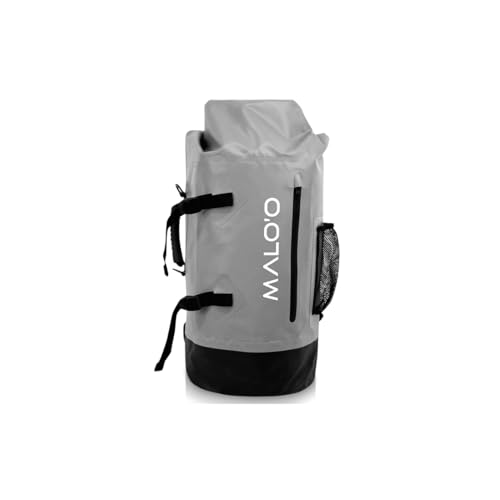
Malo’o 45L Waterproof Dry Bag Backpack
The Strengths Of Each Pick
The KAVU Original Rope Bag favors mobility over sealed storage. Its crossbody format suits short hikes, scenic walks, and travel days in which carrying a phone, wallet, and compact layers matters more than carrying a full load of trail equipment.
Water resistance helps during drizzle or spray, but I would not treat it as the same protection offered by a roll-top dry sack. Compared with the YETI Sidekick Dry 3L Gear Case, this is the easier everyday companion, though it makes no claim of full submersion protection.
Reasons It Performs
- Hands-free carrying keeps both feet available on uneven trails.
- Water resistance adds useful protection during ordinary rain and damp commutes.
- The crossbody format suits people who travel light rather than pack for extended trips.
Points To Note
- It is a water-resistant sling, not a sealed waterproof dry bag.
- Capacity and internal organization are not specified, so bulky gear may fit awkwardly.
Made For
Day hikers and urban walkers who want uncomplicated crossbody access during variable weather.
Another Choice May Suit
Sea to Summit Lightweight Multi-Purpose Dry Bag suits hikers who need a roll-top closure and compact dry storage.
Built around a 3-liter capacity, the YETI Sidekick Dry 3L Gear Case targets electronics, layers, and boating essentials rather than bulky camping loads. That makes it a natural fit for canoe trips, coastal walks, and hikes near exposed water.
The magnetic closure joins two rigid sections without a traditional roll-top edge. RF-welded seams, a durable raft-style shell, and the sealed closure create a more deliberate weather barrier than the KAVU Original Rope Bag, though a rigid case can be less convenient for irregularly shaped loads.
Practical Pluses
- Magnetic closure enables quick access without repeatedly rolling and fastening an opening.
- RF-welded seams limit stitched pathways that can admit water.
- The 3L volume accommodates small electronics and clothing without excessive bulk.
- Hard-shell construction should retain shape during travel and transport.
Worth Noting
- Cleaning the magnetic contact surfaces and checking for trapped grit helps preserve smooth closure.
- Rigid construction may handle flat items better than bulky, compressible gear.
Feature Snapshot
Built With In Mind
Paddlers and travelers who need compact, quickly accessible protection from rain and spray.
Where A Sibling Pick Shines
Malo’o 45L Waterproof Dry Bag Backpack serves longer trips that need substantially more carrying capacity.
The three-piece format gives the Sea to Summit Lightweight Dry Bag Set more packing flexibility than a single-bag setup. Separate sizes can organize small electronics, a compact first-aid supply, and clothing without forcing everything into one crowded compartment.
That organization is useful for backpackers, cyclists, and paddlers moving between activities. The available data does not identify individual capacities or material layers, so I would verify the dimensions against the intended load before packing fragile equipment.
Advantages To Know
- Three separate bags allow smaller essentials to remain sorted.
- Multiple sizes can cover compact personal items and larger clothing.
- Lightweight construction supports backpackers who track carried weight closely.
Small Caveats
- Individual sizes are not specified, making load planning less precise.
- A multi-piece setup creates more items to inspect, roll, and keep track of.
Quick Facts
Who Will Love This
Backpackers and day paddlers who prefer several small dry-storage compartments over one larger sack.
A Better Fit Elsewhere
YETI Sidekick Dry 3L Gear Case suits someone wanting rigid construction and a fast magnetic closure.
A 1.5-liter volume makes the Sea to Summit Lightweight Multi-Purpose Dry Bag more useful as an organizer than as a large equipment bag. It fits charging cables, a compact first-aid kit, damp gloves, or small clothing layers without claiming room for a full day’s load.
The 70D nylon shell uses polyurethane coating on the outside and inside, while a DWR finish, or durable water-repellent treatment, helps shed moisture. The white interior improves visibility, a practical detail during dusk hikes and crowded campsites.
Everyday Perks
- The compact size supports well-organized accessories without adding much pack bulk.
- Double-stitched and taped waterproof seams strengthen vulnerable join lines.
- Hypalon roll-top closure provides a dependable seal after proper rolling.
- White lining makes dark cables and small gear easier to locate.
Minor Gripes
- Proper rolling matters because a loosely folded top will not seal consistently.
- The 1.5L capacity excludes bulky layers and full-size footwear.
Key Specs
The Right Fit
Hikers and cycle travelers who need a compact organizer for damp accessories and small clothing.
Reach For A Different Pick When
Rynapac 5L Dry Bag with Bottle Holder suits outings requiring more volume and exterior bottle access.
The Rynapac 5L Dry Bag with Bottle Holder combines dry storage with two external access points. A structured side pocket supports a bottle, while a mesh pocket keeps a smaller item from disappearing into the main compartment.
Compared with the Sea to Summit Lightweight Multi-Purpose Dry Bag, this setup carries more gear and exposes the bottle and mesh storage to the surroundings. That works well for kayaking, fishing, and beach outings, where hydration access can be more frequent than protection from every splash.
What Makes Sense
- Five liters suits a towel, snacks, clothing, and compact day-hike essentials.
- The dedicated bottle holder reduces rummaging through the main compartment.
- Mesh storage provides quick access to a small frequently used item.
- The roll-top format allows capacity adjustments for compressible gear.
Details To Watch
- The external bottle and mesh pocket do not receive the main compartment’s protection.
- Rinse salt or sand from the coated fabric after coastal use and allow the roll-top to dry fully.
Technical Sheet
Built With In Mind
Paddlers, anglers, and beachgoers who want dry storage with fast access to a water bottle.
Look Elsewhere When
Sea to Summit View Dry Bag fits trips where checking smaller contents without opening the bag matters more.
The Sea to Summit View Dry Bag is built around visibility, so I see it as a practical choice for small boating gear, travel accessories, and boating supplies that need frequent identification. Finding a cable or line without opening the bag reduces unnecessary handling.
That benefit comes with a trade-off. A transparent panel can show scuffs and dirt, and the source does not provide capacity, material construction, or closure details, so I would confirm those specifications before relying on it for a full day of rain or rough travel.
The Upside
- The see-through format supports quick identification of small contents.
- Visible organization reduces the need to open the bag at stops along the route.
Points To Keep In Mind
- Capacity and material specifications are absent, limiting detailed load planning.
- Transparent surfaces may need regular cleaning around splashes, salt, and trail dust.
Details At A Glance
Who Should Grab It
Boaters and travelers who frequently need to locate compact accessories without opening a bag.
Skip It When
Malo’o 45L Waterproof Dry Bag Backpack better serves trips that need greater capacity and backpack-style carrying.
At 45 liters, the Malo’o 45L Waterproof Dry Bag Backpack moves well beyond day-hike essentials. The capacity can hold clothing, towels, tackle, food, and electronics for boating, camping, fishing, or travel days that may include changing conditions.
DryCore construction and thermo-welded seams form the core weather barrier, while the IPX6 rating denotes resistance to powerful water jets rather than complete submersion. Compared with the Rynapac 5L Dry Bag with Bottle Holder, this model sacrifices compactness for serious carrying capacity and backpack handling.
Useful Strengths
- Forty-five liters accommodates full-day clothing and activity equipment.
- Thermo-welded seams create joined waterproof lines across high-stress areas.
- A front zip pocket separates frequently used items from the main compartment.
- Side mesh pockets support quick access to water bottles or smaller gear.
- Backpack carrying distributes a larger load more naturally than a hand-held sack.
Practical Considerations
- The 45L size takes much more pack space than a small dry bag.
- External mesh pockets provide organization rather than the same sealed protection as the main compartment.
Core Details
Whose Shelf It Belongs On
Campers, paddlers, and beach travelers carrying clothing, electronics, and activity gear over longer distances.
Swap It Out When
Sea to Summit Lightweight Dry Bag Set better serves backpackers who prefer several compact, separately sized bags.
Choosing For Weather, Capacity, And Access
A waterproof or water-resistant label describes very different levels of protection. For repeated rain, river spray, and exposed hikes, I prioritize welded seams, coated fabric, and a closure that remains secure after packing.
Match Capacity To The Outing
A 1.5L organizer handles accessories and small damp garments. A 5L sack suits towels, snacks, and short-trip clothing, while 45L models accommodate full-day equipment and heavier loads. Bigger capacity helps only when the bag remains manageable on the trail.
Examine The Closure System
A roll-top closure must be rolled down, flattened, and clipped correctly to establish its seal. Magnetic and rigid cases favor quick access, but they may accept fewer irregularly shaped objects. Moisture-resistant finishes also matter because seams and openings remain common weak points.
Balance Protection And Access
External bottle holders and mesh pockets save time but leave contents exposed to rain. See-through storage improves identification, while rigid cases protect electronics better than soft sacks. Daily commuters may value access more, while campers and paddlers usually benefit from narrower exposure.
Check Weight Beyond Capacity
Large waterproof fabric, closures, and backpack components add weight even before gear goes inside. Backpackers should compare packed space with the size of their typical load, while casual day hikers may receive more benefit from a smaller bag that leaves room for other essentials.
Practical Lessons Before The Trail
Mistakes Worth Dodging
A common mistake is treating water-resistant as identical to submersible protection. I would also avoid choosing by color or capacity alone, because a loose closure, weak seam construction, or unnecessary features can outweigh a minor size difference. Inspect every seam and fold before packing sensitive gear.
What Separates Premium From Basic
Higher-tier models often spend more on welded construction, tougher base fabrics, stronger closures, or more precise capacity. That added material benefits frequent paddlers and exposed-weather trips; it may be unnecessary for short walks around town. Paying up makes the most sense when repeated use or poor weather is normal.
Frequently Asked Questions
Are waterproof dry bags suitable for hiking?
Yes, a properly sealed dry bag can protect gear during rain and damp trail conditions. Match its construction and capacity to the expected exposure.
Is a water-resistant sling enough for a day hike?
It can handle ordinary drizzle and brief exposure, but it is not the same as sealed dry storage. Pack critical items in a proper dry bag during sustained rain.
How do I roll-top dry bags close?
Roll the opening downward, flatten trapped air, and secure the folded section with the attached closure. An uneven or loose roll can leave gaps.
Which capacity fits a full-day outing?
A 5L bag works well for compact day-hike essentials. Fishing, camping, or beach trips often benefit from the 45L capacity of the Malo’o model.
Do exterior mesh pockets stay waterproof?
No, mesh and open bottle holders provide access rather than sealed protection. Keep water-sensitive items inside the main compartment.
Final Verdict
The strongest choice depends on the outing rather than a single universal design. I favor the YETI Sidekick Dry 3L Gear Case for quick access, the Rynapac 5L Dry Bag with Bottle Holder for active day trips, and the Malo’o 45L Waterproof Dry Bag Backpack for larger loads.
For smaller organized essentials, the Sea to Summit Lightweight Multi-Purpose Dry Bag offers a more focused balance of capacity and visibility. Choose the construction that matches the weather, then pack only what belongs in it.