
Mountain trekking shoes must handle more than a scenic weekend path. Daily dog walks, uneven camp approaches, wet rocks, and long climbs demand a balance of cushioning, traction, secure footing, and durable construction. I focus on those real trail conditions while separating low-cut shoes, mid-height boots, waterproof models, and a more casual sneaker-style option. The footwear that works best depends less on fashion than on terrain, pack weight, and the amount of debris each route brings.
A Snapshot Of The Selections

Merrell Men’s Moab 3 Hiking Shoe

Merrell Men’s Moab 3 Mid Boot
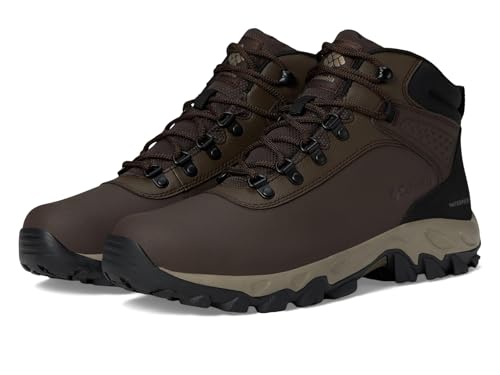
Columbia Newton Explorer Hiking Shoe

Merrell Men’s Moab 3 Mid Waterproof Boots

KEEN Men’s KS86 Retro Sneakers
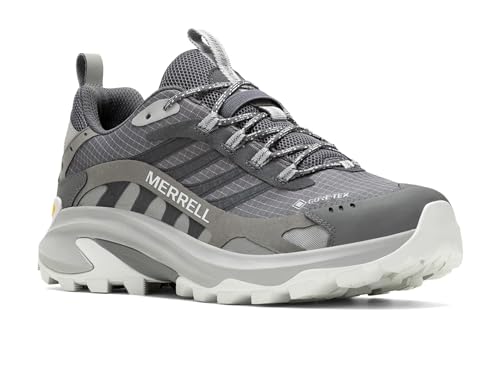
Merrell Moab Speed 2 Gore-Tex
Merrell Moab Speed 2 GTX
A Deeper Look At The Lineup
I favor the Moab 3 for hikers who move quickly and do not need a boot rising above the ankle. Its low-cut shape suits maintained trails, local hills, and the walk from a trailhead to a backcountry campsite without adding unnecessary bulk.
The support comes from a revised insole, softer midsole cushioning, and a Vibram outsole designed to improve traction. That combination looks more balanced than the waterproof models here, particularly for warm-weather routes where breathability and quick pace matter more.
What Pays Off
- The low-cut profile keeps the shoe lighter and less restrictive during long approaches.
- Soft midsole cushioning can reduce fatigue on rocky paths and sustained descents.
- Vibram traction provides a useful grip foundation across mixed outdoor surfaces.
- The supportive insole balances cushioning with a steadier feel underfoot.
- Its all-purpose shape works well for day hikes, errands, and everyday outdoor use.
Worth Noting
- The low-cut design offers less debris coverage than a mid-height hiking boot.
- Loose soil and mud can work their way into a low-profile hiking shoe more readily.
Quick Facts
Who It Suits Best
This model best suits experienced day hikers covering maintained routes in mild or dry conditions.
Where Another Pick Suits Better
Merrell Moab Speed 2 GTX suits hikers who place greater priority on waterproof protection and faster trail movement.
Compared with the low-cut Moab 3, this mid version adds ankle coverage and a more substantial trail presence. I see that as a sensible change for rough paths, loose gravel, and routes crossing streams or muddy clearings.
Its cushioning and underfoot support still follow the familiar Moab approach, so the choice comes down mainly to coverage and pace. The mid shape should feel more stable on uneven ground, though its extra structure may weigh more on a fast recreational walk.
Points In Its Favor
- Mid-height coverage gives the ankle and lower leg more protection from brush and debris.
- The cushioned midsole softens repeated impacts on stony routes.
- Vibram rubber provides traction for gravel, soil, and mixed rock.
- A supportive insole adds comfort without abandoning a grounded platform.
Trade Offs
- More upper material may feel warmer and bulkier than the standard Moab 3.
- Its sturdy shape is less natural for casual travel and light errands.
- Fabric and laces can collect dried mud and require regular cleaning.
Feature Snapshot
Made For In Mind
It fits hikers who regularly cross uneven terrain and favor more coverage than a low shoe provides.
Reach For A Different Pick When
KEEN Men’s KS86 Retro Sneakers fit casual urban paths better than technical or heavily broken-in trails.
The Newton Explorer brings together a waterproof leather upper, metal hardware, and a cushioned platform for wet trails. I see it as a practical fit for forest tracks where damp leaves, shallow puddles, and mixed debris are more common than technical climbing terrain.
Omni-Tech refers to Columbia’s waterproof and breathable construction system, while the Techlite midsole provides lightweight cushioning. Those details separate it from the basic low-cut Moab 3, especially on long walks where protection and energy return carry more weight.
Advantages To Know
- The waterproof upper helps keep feet dry through wet grass, mud, and light rain.
- Breathable construction balances moisture control with comfort on active walks.
- Techlite cushioning keeps the platform relatively light during sustained mileage.
- Metal hardware adds ruggedness to a hiking shoe expected to see repeated outdoor use.
Small Caveats
- Leather may need more attention than mesh after wet or muddy hikes.
- Waterproof protection can retain internal heat during warm, high-intensity walks.
Core Details
The Right Fit
This shoe suits hikers who regularly cross damp woodland routes and want protection without a heavy high boot.
Swap It Out When
Merrell Men’s Moab 3 Hiking Shoe serves fast, dry hikes better because its low-cut profile emphasizes movement and versatility.
Adding waterproof protection to the Moab 3 Mid changes its role from a general trail boot into a stronger choice for wet mountain routes. I would consider it for muddy approaches, rain-soaked paths, and camps where keeping outer debris out matters.
The mid-cut shape offers more coverage than the standard Newton Explorer, while the waterproof construction adds a practical barrier against surface moisture. Heat can build during sustained climbs, so this is less compelling on hot, dry pavement than a breathable low-cut shoe.
Why It Works Well
- Waterproof construction provides a meaningful advantage in rain, mud, and wet grass.
- The mid-height profile limits the entry of soil, pebbles, and trail debris.
- Its covering makes it more practical for cool-weather trekking and campsites.
- The shape suits hikes that combine maintained paths with rougher access routes.
Practical Considerations
- Waterproof boots may feel warmer during long sunny climbs.
- Dirt can remain around the deeper laces and mid-cut seams after muddy walks.
- The structured profile may take more breaking in than a low hiking shoe.
Who Will Love This
It best suits hikers who prioritize waterproof coverage on muddy or rain-exposed mountain trails.
Look Elsewhere When
Merrell Moab Speed 2 Gore-Tex better fits fast hikers who want waterproof protection in a more streamlined profile.
The KS86 is the casual counterpoint to the technical footwear in this roundup. I see it working best on paved greenways, short woodland paths, travel days, and any outing where a retro sneaker profile matters more than deep-trail protection.
Its wider fit reflects KEEN’s conventional approach to room around the toes, while a durable mesh or leather upper provides the base construction. An aggressive tread adds useful grip, although the fashion-sneaker shape lacks the ankle coverage offered by the hiking boots.
The Value In It
- The roomy shape suits long days that call for comfort around the toes and forefoot.
- Recycled mesh offers a lighter option for casual warm-weather walking.
- The alternative leather construction provides a sturdier material choice.
- Retro styling moves easily between outdoor errands and everyday outfits.
Less Ideal Details
- Mesh can trap grit and drying mud, requiring prompt brushing and cleaning.
- The low profile offers little protection around the ankle on technical trails.
- It lacks the water-management focus of the waterproof hiking models here.
Who Should Grab It
This sneaker suits casual trekkers using paved routes, short trails, and everyday outdoor travel.
Another Choice May Suit
Columbia Newton Explorer Hiking Shoe better suits damp woodland paths where waterproof leather and trail cushioning matter.
The Moab Speed 2 Gore-Tex favors movement over the heavier shape of a traditional hiking boot. I would shortlist it for maintained mountain routes, wet rock, and long days that call for responsive footing without ankle coverage.
Vibram TC5+ rubber and revised traction lugs form the core of its grip system, meaning the outsole compound is tuned to balance control as feet push forward. Gore-Tex protection adds a waterproof barrier, giving this model a stronger wet-weather profile than the standard Moab 3.
A Few Highlights
- Vibram TC5+ rubber is formulated to support traction on demanding outdoor surfaces.
- New traction lugs improve the outsole’s contact with uneven ground.
- Gore-Tex construction helps protect against rain, puddles, and wet trail surfaces.
- The athletic shape supports quicker strides than a mid-height boot.
- It combines fast-moving design with serious trail-oriented traction.
Factors To Consider
- Waterproof construction may retain heat during warm, high-output hikes.
- The lower cut provides less ankle support on loose or sharply uneven ground.
Technical Highlights
Built For This Use
It suits experienced hikers who want waterproof protection and energetic movement on maintained mountain trails.
Consider Something Else When
Merrell Men’s Moab 3 Mid Boot better suits rugged routes where ankle coverage and debris protection take priority over a streamlined stride.
The GTX designation places this model alongside the other Moab Speed 2, but I would treat the listing as a separate option rather than assume every color or configuration is identical. Its core strengths remain a sporty profile, waterproof protection, and an aggressively treaded outsole.
Vibram TC5+ rubber gives the sole a focused trail foundation, while the revised lug pattern improves contact with uneven surfaces. That makes the shoe practical for damp multi-day routes, although hikers preferring a full boot may find the low profile less protective.
A Few Strong Suits
- GTX construction supports travel through rain, damp campsites, and wet trails.
- Vibram TC5+ rubber contributes dependable grip for mixed outdoor terrain.
- Updated lugs help the outsole grip changing ground during active steps.
- The athletic shape works well for faster hiking and light travel packing.
Possible Compromises
- The low-cut shape offers limited ankle coverage on very rough ground.
- Waterproof materials may feel warm during sustained climbs in hot weather.
- Owners should clean trapped mud from the tread and upper to preserve the sole pattern.
Technical Reference
Whose Shelf It Belongs On
This GTX model belongs with lightweight hikers who need wet-weather protection and responsive trail grip.
Where A Sibling Pick Shines
Merrell Men’s Moab 3 Mid Waterproof Boots better suit hikers who value extra ankle and debris coverage over speed.
Choosing Footwear That Matches the Route
Terrain Comes Before Style
I start with the ground underfoot. Maintained paths reward a low-cut shoe with a responsive sole, while loose soil, sharp rocks, and uneven descents give mid-height coverage more value. Technical hikers should also pay close attention to outsole compounds and lug geometry rather than relying on the hiking label alone.
Waterproofing Changes the Whole Experience
A waterproof membrane helps during rain, wet grass, and shallow crossings, but it can reduce heat escape on warm routes. I keep waterproof footwear for cool or changeable mountain conditions and favor more breathable low-cut models for hot pavement and dry woodland paths.
Cushioning and Fit Work Together
A cushioned midsole absorbs repeated impact, while a supportive insole adds structure beneath the foot. Neither feature replaces proper fit, and room around the toes remains important after long days of walking. Wide-foot profiles deserve a closer look, especially where a narrow forefoot can create pressure on descents.
Weight Changes the Entire Day
Low-cut footwear generally feels lighter during continuous movement, while mid boots offer stronger coverage. I account for the route, pack weight, pace, and ankle stability together because a lighter shoe is not automatically better on broken terrain.
Details That Matter Across the Lineup
Mistakes Worth Dodging
I avoid choosing footwear from appearance alone, especially when waterproof leather and technical mesh look similar from a distance. The practical choice comes from matching shaft height, weight, and weather protection to the actual route. Boots also need generous drying time after wet hikes to prevent persistent moisture around the footbed.
What Separates Premium From Basic
Higher-tier hiking footwear commonly adds stronger waterproof systems, refined cushioning, specialized rubber, or more protective construction. The extra investment makes sense for frequent hikers, wet climates, and rough terrain, while casual walkers may gain little from a heavier technical design. Value depends on how often and where the footwear will be used.
Frequently Asked Questions
Are Mountain Trekking Shoes Suitable for Everyday Walking?
Many models work well for daily walks and outdoor errands, especially low-cut designs built on cushioned midsoles. Technical hiking footwear is best reserved for routes that need stronger traction or water protection.
Should Mountain Trekking Shoes Be Waterproof?
Waterproof footwear makes sense in rain, mud, wet grass, and cold mountain conditions. Breathable low-cut shoes may feel more comfortable during hot, dry hikes where heat retention becomes uncomfortable.
What Is the Difference Between a Hiking Shoe and Boot?
A hiking shoe usually sits below the ankle and prioritizes lighter weight and easier movement. A boot extends farther above the foot, providing greater coverage and perceived support on rough or debris-filled routes.
Are Wide-Fit Hiking Shoes Better?
Wide-fit footwear can reduce pressure across the forefoot and toes, especially during long hikes. Individual foot shape and sock thickness still determine whether a roomy construction feels comfortable.
How Should Mountain Trekking Shoes Be Cleaned?
Loose soil should be brushed away before washing, followed by careful cleaning around the laces, seams, and tread. Waterproof footwear needs adequate drying time before storage to prevent trapped moisture.
Final Verdict
I find Merrell’s Moab range the most useful starting point for most trail routines. The standard Moab 3 suits fast day hikes, the Mid adds coverage, the waterproof version handles wet routes, and the Speed 2 GTX brings a lighter athletic approach. Columbia remains a strong alternative for waterproof leather, while the KEEN KS86 works best when casual styling leads the decision.