
Night vision gear has to do more than brighten a dark scene. A hunter needs recognition range, a rifle-scope user needs a stable sight picture, and a tactical user may prioritize helmet compatibility, recording, or a wide field of view. I compare the available formats through magnification, display specifications, mounting options, infrared illumination, and practical carry considerations, while separating functional night vision from the nonfunctional model kit included here.
The Essentials At A Glance
WOSPORTS 4K Night Vision Goggles 80X 64GB
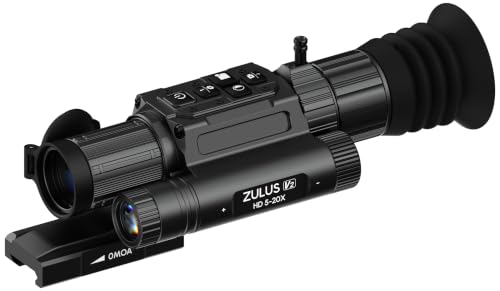
DNT Optics Zulus HD V2 Scope, No LRF

Night Operators Fusion Thermal & Night Vision Goggles

GOYOJO NVG20 Helmet-Mounted 2K Night Vision Goggles

DNT Optics Zulus HD V2 Rangefinder Scope
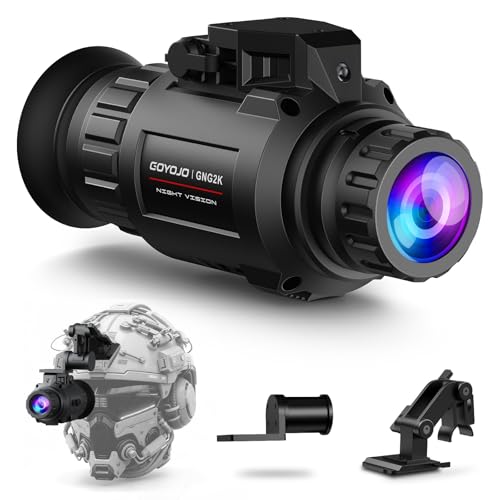
GOYOJO GNG2K 2K 60Hz Night Vision Monocular

AOTUMUT PVS15 Dummy Night Vision Model Kit
A Closer Look At Each Pick
WOSPORTS concentrates on documentation rather than a specialized helmet interface. Its 4K video, 48MP stills, and included 64GB card suit wildlife watching, campsite observation, and recording nocturnal activity. The 3-inch display provides an immediate way to review captured scenes.
Magnification reaches 10X optically and 80X digitally, though the highest digital settings may show more image processing than a glass scope. For casual outdoor observation, the broad feature set looks more useful than a minimal monocular.
What Works In Its Favor
- 4K video and 48MP photographs preserve recorded details for later review.
- The included 64GB card supports extended outings without another purchase.
- A 3-inch screen makes framing and playback more convenient than a tiny eyepiece.
- 10X optical magnification offers a more natural starting point than pure digital enlargement.
Practical Considerations
- 80X is digital magnification, so fine detail may soften at extreme levels.
- The bulk of a binocular body and storage card makes this less convenient for helmet use than the GOYOJO GNG2K.
- Owners should keep the TF contacts clean and store cards in a dry case during humid camping trips.
Key Details
Who It Suits Best
This model fits wildlife watchers and campers who want recorded night scenes alongside live observation.
Another Choice May Suit
The GOYOJO GNG2K is a lighter fit for helmet-mounted users who value a compact monocular layout.
The Zulus HD V2 brings digital-scope technology to daylight and darkness without adding a laser rangefinder. A Sony STARVIS 2 sensor, ED glass, and a 1920×1080 Micro-OLED display target hunters who need both daylight color and nighttime definition. The 60Hz screen also offers smoother movement than many lower-refresh displays.
Infrared illumination supports low-light operation, while the scope format keeps aiming and magnification together. Compared with WOSPORTS binocular-style recording, this model places more emphasis on a stable rifle sight picture, although the absence of a rangefinder simplifies the control layout.
What Makes Sense
- The 1080p Micro-OLED display gives fine aiming data more visual room.
- A 60Hz refresh rate supports more fluid tracking across a field.
- STARVIS 2 sensitivity supports both daylight color and dim-light recognition.
- Built-in infrared gives the scope more capability after sunset.
Worth Noting
- The missing laser rangefinder means distance data requires another instrument.
- Electronic scopes need dependable cold-weather power management during all-day hunts.
- Mount security and eye-relief clearance should be checked against the rifle before installation.
Technical Highlights
Made For
Hunters using a rifle and prioritizing a daylight-capable digital sight fit this configuration well.
Where A Sibling Pick Shines
The DNT Optics Zulus HD V2 Rangefinder Scope is more useful when measured distance and ballistic data belong in the sight.
Combining thermal and digital night-vision modes gives this head-mounted unit a broader role than a conventional image intensifier. The stated viewing distances reach about 100 meters in night-vision mode and 150 meters in thermal mode, with an external infrared illuminator available for additional night-vision reach. A 60Hz display keeps movement relatively fluid.
The 1x lens favors orientation rather than distant identification, so this looks more natural for close-quarters airsoft, tactical exercises, and awareness training. The fixed magnification and head-mounted weight are less comfortable for long wildlife-watching sessions than WOSPORTS’ binocular-style body.
A Few Highlights
- Thermal and night-vision modes provide distinct ways to interpret a dark scene.
- A 60Hz frame rate makes handheld movement appear less choppy.
- Head and helmet mounting keeps both hands available.
- USB recharging supports routine preparation before training.
Room For Improvement
- Fixed 1x magnification limits identification of distant subjects.
- Headgear balance matters more than with a handheld monocular.
- Training participants should inspect straps, mounts, and charging ports between sessions.
Right Fit For
This model suits airsoft participants and tactical trainers who value two sensing modes in a head-mounted format.
A Better Fit Elsewhere
GOYOJO’s NVG20 offers 4X magnification for sessions where distant observation matters more than thermal switching.
The NVG20 combines 2K recording, up to 4X magnification, and four display modes in a binocular-style housing designed for helmet mounting. It produces color imagery in daylight and monochrome imagery at night, which makes training review easier to follow than an image that changes appearance completely. Recording and playback add value during airsoft exercises and outdoor observation.
Compared with Night Operators’ fixed 1x thermal system, the GOYOJO places more emphasis on magnification and captured video. The helmet is not included, so compatible gear and a properly positioned mount remain part of the setup. For stationary wildlife watching, the binocular bulk may feel less convenient than a compact monocular.
The Practical Payoff
- Up to 4X magnification helps inspect subjects beyond arm’s reach.
- HD recording preserves training sessions and nocturnal observations.
- Four color modes allow display changes for different environments.
- The helmet-ready format supports hands-free movement.
Points To Note
- Helmet compatibility and mounting hardware need verification before use.
- The binocular housing takes more space than a monocular.
- Lens care and storage matter in dusty or wet outdoor environments.
Feature Snapshot
Built With In Mind
Hands-on trainees and helmet users benefit most from the NVG20’s mountable, recordable format.
Consider Something Else When
The WOSPORTS 4K Night Vision Goggles serve stationary wildlife watchers better with their included card and binocular screen.
This Zulus HD V2 scope expands the earlier no-laser configuration with a laser rangefinder and ballistic calculator. That combination reduces the need to break the sight picture and consult a separate distance tool, especially across changing terrain. It is built for hunters who value a consolidated aiming and measurement interface.
Day and night operation comes from a Sony STARVIS 2 sensor and an integrated 850nm illuminator, which provides invisible infrared illumination without a visible red glow. The added controls may feel dense compared with the simpler DNT Optics Zulus HD V2 Scope, No LRF, but the information is more useful for field shooting.
Everyday Advantages
- Laser ranging places distance data directly in the sight.
- The ballistic calculator organizes shot data within the scope.
- An 850nm illuminator supports concealed nighttime illumination.
- STARVIS 2 sensitivity serves both daytime color and dim conditions.
Practical Considerations
- More controls require practice before a field outing.
- Rangefinder results depend on a clear line of sight to the target.
- The electronics require reliable cold-weather power and careful lens maintenance.
Who Will Love This
Experienced field-sports users appreciate the convenience of having range and ballistic information inside one scope.
Not Your Match When
The GOYOJO GNG2K is the easier companion for helmet-mounted trail observation without a rifle interface.
The GNG2K concentrates a high-resolution display, smooth refresh rate, and extremely low-light sensor into one monocular. Its 2688×1520 screen and 60Hz refresh are meaningful for dark trails, property checks, and helmet setups, where a still or delayed image can make scanning harder. A sensitivity of 0.0001 lux indicates very low ambient-light capability.
Infrared illumination at 940nm remains outside visible red wavelengths, which helps reduce the appearance of emitted light. Compared with the GOYOJO NVG20, this smaller format may leave more helmet space, but it provides only one viewing channel. The trade-off is simpler handling in exchange for less binocular-style depth perception.
A Few Strong Suits
- 2K resolution adds definition to dark trails and property edges.
- A 60Hz refresh produces fluid movement during quick scans.
- The monocular housing suits helmet layouts with limited space.
- Four color modes accommodate different viewing preferences.
Small Caveats
- One-eyed viewing offers less natural depth perception than binocular housings.
- The infrared illuminator adds a control to manage during night outings.
- Helmet balance should be adjusted carefully to prevent neck strain.
Quick Facts
Whose Shelf It Belongs On
Hikers, property watchers, and helmet users who prefer one compact viewing tube will appreciate this layout.
Look Elsewhere When
Night Operators’ dual-mode goggles serve tactical training better when thermal switching matters more than a minimal monocular profile.
This entry belongs in a different category from the six functioning vision devices. The AOTUMUT kit recreates the appearance of binocular night-vision equipment with a helmet mount for cosplay, props, photography, and nonfunctional training displays. Its PVS15-style shape makes it easy to pair with tactical-themed equipment without adding powered optics.
The mounting platform adjusts vertically and by viewing angle, allowing placement on FAST-style helmets and other compatible headgear. Distance from the eyes can also be changed for comfort. Since there is no image-producing function, nobody can use this kit for wildlife, security, navigation, or aiming.
Real-World Strengths
- Adds tactical-looking night-vision gear to cosplay and prop sets.
- The 1:1 PVS15-style shape supports realistic visual presentation.
- Height and angle adjustments help align the unit with a helmet.
- Eye-distance adjustment improves positioning for different wearers.
Details To Watch
- It produces no image, infrared illumination, or recording.
- Helmet compatibility still needs confirmation before mounting.
- Loose screws and hard shell parts need regular checks during repeated use.
Core Details
Best Suited To
Cosplay participants, prop collectors, and photography-focused users benefit from this nonfunctional model.
Skip It When
Actual observation requires the GOYOJO GNG2K or WOSPORTS 4K Night Vision Goggles rather than this display model.
Matching Night Vision Gear to the Mission
Magnification and field of view should drive the first cut. A fixed 1x system favors close-range orientation, while 4X or 10X optical magnification offers more detail across a property or clearing. Digital enlargement can extend the apparent range, but image processing may become more visible at extreme settings.
Mounting changes the practical answer too. Binocular housings provide a more natural two-eye view, while monocular designs leave more room on compact helmets. Rifle scopes serve a completely different purpose and need compatible mounts, adequate eye relief, and confidence in cold-weather power management. The AOTUMUT model kit falls outside functional night vision entirely.
Sensors and displays also shape the experience. STARVIS 2 is designed for high digital sensitivity in the DNT scopes, while the GOYOJO monocular uses a 0.0001-lux sensor and 60Hz screen. Thermal mode adds another sensing method rather than merely amplifying available light. For long outings, removable storage, included media, and recording controls may be as useful as raw magnification.
Real-World Viewing Priorities
Daylight color, monochrome night imagery, and thermal contrast reveal different parts of an outdoor scene. A digital scope may be more convenient across changing daylight, while paired night-vision goggles can give a more natural sense of depth. Recording is useful for reviewing a trail encounter, but it should not be mistaken for live imaging through a decorative housing.
Power And Maintenance
Rechargeable electronics need dependable charging before an outing, and cold weather can reduce battery performance. Lens surfaces should be kept free of dust, oils, and moisture, then stored in a dry case. Helmet-mounted equipment also needs periodic strap and fastener checks to prevent shifting during movement.
Avoiding Costly Night Vision Mistakes
Mistakes Worth Dodging
Confusing digital zoom with optical magnification can lead to unrealistic expectations about distant detail. Helmet compatibility also deserves attention before purchase, since housing dimensions and mount locations vary. The biggest category mistake is assuming every PVS15-style model produces an image, as the AOTUMUT kit is strictly for display.
What Separates Premium From Basic
Sensors, display resolution, refresh rate, infrared illumination, and rangefinding hardware drive most of the price differences. A higher-tier scope earns its place when distance data, smooth daytime operation, or better low-light sensitivity materially improves the intended task. Basic digital devices remain more practical for basic observation.
Frequently Asked Questions
Are digital night vision devices the same as image intensifier goggles?
No. Digital devices use electronic sensors and displays, while image intensifier goggles amplify available light through a different optical process.
What does 60Hz mean for night vision?
A 60Hz refresh rate redraws the displayed image 60 times each second, generally producing smoother movement than a lower-refresh screen.
Can the AOTUMUT PVS15 kit display a live image?
No. It is a nonfunctional model intended for cosplay, props, photography, and equipment displays.
Which pick is simplest for a helmet?
The GOYOJO GNG2K uses a single monocular housing, which can be less bulky than the binocular-style GOYOJO NVG20.
Do all night vision devices include a laser rangefinder?
No. Only the DNT Optics Zulus HD V2 Rangefinder Scope among these picks includes the stated rangefinding and ballistic-calculation features.
Final Verdict
I favor the DNT Optics Zulus HD V2 Rangefinder Scope for rifle-focused hunting, while the GOYOJO GNG2K makes more sense for compact helmet setups. Wildlife watchers and recorders may prefer the WOSPORTS model, and the AOTUMUT kit serves only as a nonfunctional display. Match the device to the actual mission, then verify mounting, power, and optical needs before the first outing.