
Choosing hiking footwear becomes easier once the terrain, trip length, and amount of ankle coverage match the shoe. A low-cut trail shoe works well for maintained paths and faster day hikes, while a mid-height boot earns its place on loose ground, steep paths, and trips carrying heavier loads. I focus on cushioning, traction, waterproof construction, fit, and practical ownership considerations in these seven options.
Your Options, Compared

Merrell Men’s Moab 3

Merrell Men’s Moab 3 Mid
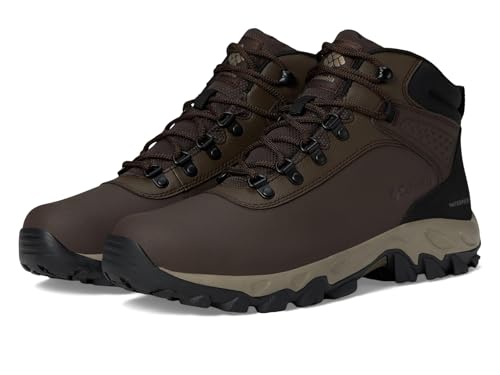
Columbia Newton Explorer

Merrell Men’s Moab 3 Mid Waterproof

KEEN Men’s KS86 Sneakers
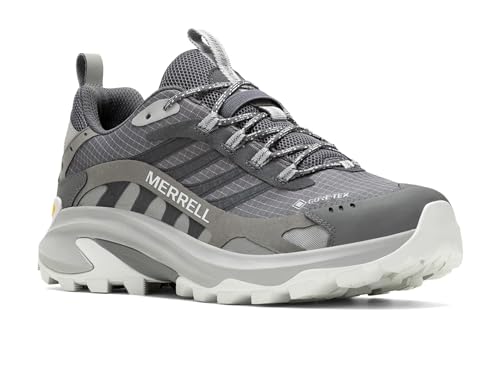
Merrell Mens Moab Speed 2 Gore-tex
Merrell Mens Moab Speed 2 GTX
More Details On My Top Picks
The low-cut Moab 3 sits between a trail shoe and a hiking boot without carrying a bulky high-top profile. That balance suits maintained paths, neighborhood walks, and day hikes that may include an unexpectedly rough section. Compared with the Merrell Men’s Moab 3 Mid, it sacrifices some ankle coverage for easier stride flexibility.
The supportive insole and softer, cushioned midsole make long walking days more manageable, particularly for hikers breaking into footwear with shaped soles. A midsole is the cushioning layer between the foot and outsole, while the insole adds contact support inside the shoe. Trail conditions still matter, so loose descent may feel less secure than it would in the mid-height version.
What Helps Most
- Cushioned midsole softens the feel of long paved approaches and packed trail miles.
- Supportive insole structure benefits regular walking and gradual mileage increases.
- Low-cut design reduces bulk and supports a natural stride on maintained paths.
- Vibram rubber provides a grip-focused outsole for mixed outdoor surfaces.
Room For Improvement
- Low-cut construction offers less ankle coverage on uneven descents and loose scree.
- Owners commonly clean outsole grooves and inspect the upper after muddy hikes to prevent trapped debris.
Quick Facts
Made For
Day hikers, trail walkers, and beginners who want lightweight support across maintained and moderately rough terrain.
A Better Fit Elsewhere
Hikers crossing loose, steep ground benefit more from the added coverage of Merrell Men’s Moab 3 Mid.
The mid-height cut makes the Moab 3 Mid a practical choice for rough approaches, uneven campsites, and trails with loose material underfoot. The extra shaft coverage can feel more substantial during descents, where the foot otherwise flexes and shifts over uneven ground. It is still less restrictive than a traditional heavy boot, at least in principle for long walks.
That middle ground explains why I consider it more adaptable than many tall hiking boots. The supportive insole and cushioned midsole carry over from the low-cut model, while Vibram rubber targets traction. Hikers moving from one footwear system to another may still need time to adjust the higher collar and added contact around the ankle.
Everyday Perks
- Mid-cut coverage adds useful stability on uneven descents and loose trail surfaces.
- Cushioned midsole makes longer approaches more comfortable than a stiff traditional boot.
- Supportive insole gives daily hikers a structured platform without an excessively rigid feel.
- Vibram outsole rubber serves mixed terrain and maintained paths in one design.
Trade Offs
- The higher collar may feel restrictive during fast movements on flat terrain.
- Creasing around the upper is normal with use and may require brushing after dusty hikes.
- Waterproofing is not established by the available listing details, so wet-weather protection remains uncertain.
Built With In Mind
Regular hikers and backpackers need a flexible boot that handles loose ground and long approaches without the weight of a traditional expedition boot.
Reach For A Different Pick When
Fast hikers on maintained paths may prefer the lower-profile Merrell Men’s Moab 3.
The Newton Explorer brings a weather-focused construction to mixed trails, with a waterproof leather upper and breathable Omni-Tech membrane. That membrane sits behind the outer material to block moisture while permitting vapor movement. It is a sensible choice for damp woodland paths and changeable forecasts, though the leather upper needs more attentive care than mesh.
Techlite cushioning gives the shoe a lighter, more athletic profile than a bulky traditional boot. Metal hardware reinforces the lacing structure, which matters across rocky approaches and repeated trail use. Compared with Merrell Men’s Moab 3 Mid, Columbia places a clearer emphasis on waterproof leather, making it the more weather-oriented choice of the two.
What It Does Well
- Waterproof leather helps protect the foot during wet grass, mud, and light rain.
- Omni-Tech construction combines moisture protection with breathability for variable conditions.
- Techlite midsole cushioning supports long walks without a heavily built appearance.
- Metal hardware adds structure at the lace points during rough approaches.
Things To Consider
- Leather requires prompt drying and careful cleaning after wet hikes.
- The weather protection may feel unnecessary on hot, dry trails, depending on personal heat tolerance.
Feature Snapshot
Who It Suits Best
Hikers dealing with wet trails and changing weather appreciate the protective upper and lightweight cushioning.
Another Choice May Suit
Warm-weather hikers on maintained paths may find the lighter Merrell Men’s Moab 3 more comfortable.
Adding waterproof protection changes the Moab 3 Mid from a general trail boot into a stronger option for wet ground and changeable mountain weather. The mid-cut design still provides more coverage than Merrell Men’s Moab 3, which matters around loose rocks and descending trails. I see the appeal most clearly for hikers carrying gear or walking through muddy access routes.
The cushioned midsole and supportive insole remain the comfort priorities carried across the Moab range. Vibram rubber adds traction-focused outsole construction, while the waterproof designation creates a useful barrier between the foot and wet surfaces. Fit remains central, since a waterproof boot with excess room can let the foot move more than intended on technical ground.
Notable Gains
- Waterproof construction adds practical protection from rain, mud, and wet trail surfaces.
- Mid-height coverage improves stability over loose ground compared with a low-cut shoe.
- Cushioned midsole supports long approaches and loaded hikes without adopting a rigid boot shape.
- Supportive insole provides structure for regular walking across uneven terrain.
- Vibram rubber places traction ahead of a casual sneaker outsole.
Practical Considerations
- Waterproof boots retain internal moisture, so outdoor airing and careful drying matter after sustained wear.
- The higher collar takes more adjustment than the low-cut Moab 3.
- Loose lacing can create rubbing on long descents, a common issue worth preventing early.
Right Fit For
Backpackers, wet-weather hikers, and walkers facing scree or muddy trails benefit from the added protection and coverage.
Swap It Out When
Hikers on hot, dry, maintained routes may prefer the less enclosed Merrell Men’s Moab 3.
The KS86 sits closer to a travel sneaker than a technical trail shoe, which makes it useful for light walks, sightseeing days, and casual nature trips. Its retro profile pairs with everyday clothing, while the wider KEEN fit offers room for people who dislike narrow footwear. Compared with the Moab models, it sacrifices technical ankle structure for easier city use.
Durable recycled mesh or leather options provide the upper, depending on the selected variant, and the aggressive tread adds grip beyond a fashion-only sole. That tread can handle maintained park paths and packed dirt, though it does not turn the sneaker into a load-bearing hiking boot. I would keep technical trails with sharper rocks and deep mud out of the equation.
Everyday Wins
- Wide-footwear shape gives many wearers more room than a narrow casual sneaker.
- Aggressive tread adds useful grip for light trails and everyday outdoor surfaces.
- Retro styling moves easily between travel outfits and casual weekend clothing.
- Mesh or leather construction options accommodate different priorities for weight and durability.
Where It May Fall Short
- Low ankle coverage and sneaker proportions offer limited support on loose or steep trails.
- Mesh versions need prompt drying after rain, while leather requires regular cleaning and conditioning.
- Carrying a heavy pack across technical ground would favor a dedicated hiking boot.
Core Details
Who Will Love This
Travellers, casual walkers, and people seeking one shoe for parks, travel, and everyday wear will get the most value.
Look Elsewhere When
Long-distance hikers carrying packs need the structure of Merrell Men’s Moab 3 Mid instead.
The Moab Speed 2 Gore-tex has a quicker, more athletic profile than the traditional Moab 3, making it appealing on mixed paths and faster hikes. GORE-TEX construction points toward weather protection, while the Speed design keeps the upper and sole from appearing as bulky as a traditional boot. It feels more purpose-built for movement than KEEN Men’s KS86 Sneakers.
Vibram TC5+ rubber is the standout technical feature: traction lugs are shaped rubber projections that grip loose soil and harder surfaces. That design supports hikers moving across changing terrain at a steady pace. Weather protection and athletic shape still require compromise, since neither the lightweight profile nor the secure traction is likely to serve every long backpacking route equally.
Positive Points
- Vibram TC5+ rubber and traction lugs support confident footing across mixed ground.
- GORE-TEX construction targets protection during wet hikes and changeable forecasts.
- The athletic profile promotes a faster stride than a bulkier mid-height boot.
Points To Note
- The low-profile design offers less ankle coverage than the Moab 3 Mid.
- Owners commonly check the small traction lugs after abrasive rock routes, since debris can collect between them.
Technical Highlights
Best Suited To
Hikers covering mixed terrain at a brisk pace appreciate the athletic shape, wet-weather construction, and aggressive outsole.
Where A Sibling Pick Shines
Long backpacking trips favor the more supportive Merrell Men’s Moab 3 Mid Waterproof.
The GTX designation places the Moab Speed 2 GTX in the same weather-oriented, performance-minded territory as the Gore-tex version. Both prioritize Vibram TC5+ traction and lugged soles, so the meaningful distinction depends on the exact listing and fit rather than a dramatic change in intended terrain. I would treat them as closely related choices rather than completely separate trail categories.
Fast hikers benefit from the streamlined shape, which encourages a responsive stride across maintained paths and mixed ground. The traction-focused outsole is more technically useful than the tread found on a casual sneaker, including KEEN Men’s KS86 Sneakers. Long expeditions may still call for the additional ankle coverage found in a traditional mid boot.
Good Reasons To Consider
- GTX construction supports wet-weather hiking without a bulky boot profile.
- Vibram TC5+ rubber gives the outsole a technical foundation for varied ground.
- Redesigned traction lugs improve grip around loose soil and uneven trail sections.
- The athletic shape suits faster day hikes and mixed-pace travel.
Small Caveats
- Low-cut construction offers less stability on loose descents than a mid-height hiking boot.
- Waterproof footwear needs time to dry between long outings, particularly after muddy hikes.
- The available details do not establish a substantial weight difference from Merrell Mens Moab Speed 2 Gore-tex.
Key Product Details
The Right Fit
Fast-paced day hikers moving through wet or mixed terrain benefit from the responsive profile and traction-focused outsole.
Consider Something Else When
Carrying heavy packs over rough ground calls for the added mid-cut structure of Merrell Men’s Moab 3 Mid Waterproof.
What Matters Before Choosing Hiking Footwear
Terrain and route length
A low-cut shoe works well for maintained paths, park trails, and fast day hikes. Loose rock, muddy slopes, and loaded backpacking routes justify more ankle coverage, while long mileage favors a cushioned midsole and roomy toe box. Terrain matters more than fashion for fit and control.
Water resistance versus breathability
A waterproof membrane blocks moisture from wet ground and rain, but it can also reduce ventilation during warm hikes. Breathable footwear handles dry, hot routes more comfortably. Hikers often keep a weather-focused pair separate from a lighter summer pair.
Outsole and traction
Outsole lugs are rubber projections that dig into soil and grip loose surfaces. Deeper, more widely spaced lugs tend to suit loose ground, while smoother patterns favor pavement and maintained paths. Vibram TC5+ rubber adds technical traction, but outsole design still needs to match the route.
Two Smart Choices for Hiking Shoes
Common Shopping Slip Ups
Avoid choosing footwear solely by appearance or ankle height. Foot shape, toe room, heel security, and the expected terrain matter more than a boot label. Try footwear with the socks used on long hikes, and do not assume waterproof means suitable for every warm-weather trail.
The Upgrade Payoff
Higher-tier hiking footwear often adds waterproof materials, stronger traction compounds, specialized cushioning, or more substantial support. Those features help on long routes, wet ground, or rough terrain, but they add weight and bulk. Casual walkers may receive better value from a lighter trail shoe or travel sneaker.
Frequently Asked Questions
Should hiking shoes be roomy?
Yes, hiking footwear should leave space around the toes without feeling loose. A roomier toe box allows the foot to swell during long walks, while excessive heel movement can cause instability.
Are waterproof hiking shoes better?
Waterproof footwear is useful for rain, mud, and wet trail sections. Breathable shoes often feel better in hot, dry conditions, so climate and route type should guide the choice.
Are hiking boots better than trail shoes?
Boots provide more ankle coverage and suit rough or loaded routes. Trail shoes offer a lighter, more flexible feel for maintained paths, fast hikes, and lighter packs.
How should hiking footwear fit?
The shoes should feel secure at the heel, comfortable across the forefoot, and free of pressure points. Socks and changes in foot volume can affect fit, so late-day try-ons are useful.
Can casual sneakers handle hiking?
Light paths and park walks are within reach for a capable casual sneaker. Technical trails, loose descents, and heavy backpacking require dedicated traction and more reliable ankle support.
Wrap Up
For maintained paths, Merrell Men’s Moab 3 and KEEN Men’s KS86 Sneakers provide lighter, more casual options. Rough or wet routes favor the Columbia Newton Explorer or Merrell Men’s Moab 3 Mid Waterproof, while faster mixed-terrain hikes suit the Moab Speed 2 models. The right choice comes down to terrain, pack weight, weather, and a fit that stays comfortable over distance.