
A good trail shoe has to handle more than distance. It needs enough grip for loose ground, cushioning for long miles, and a fit that stays comfortable after wet descents, rocky switchbacks, or an unexpected detour. I focus on trail capacity, weather protection, terrain coverage, and practical ownership considerations in this comparison of seven men’s options.
The Merrell Moab 3, Columbia Newton Explorer, and Merrell Moab Speed 2 lead different use cases, from flexible day hiking to wetter trails and fast-moving terrain. The KEEN KS86 has a sneaker-focused construction that suits casual trail days, while the mid-cut Merrell models add more ankle coverage. I consider fit, outsole traction, cushioning, water resistance, and maintenance before deciding which model belongs in a hiking kit.
Your Options, Compared

Merrell Moab 3 Hiking Shoe

Merrell Moab 3 Mid Hiking Boot
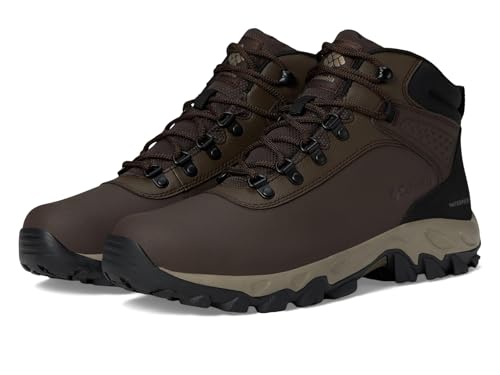
Columbia Newton Explorer

Merrell Moab 3 Mid Waterproof Boots

KEEN KS86 Retro Style Sneakers
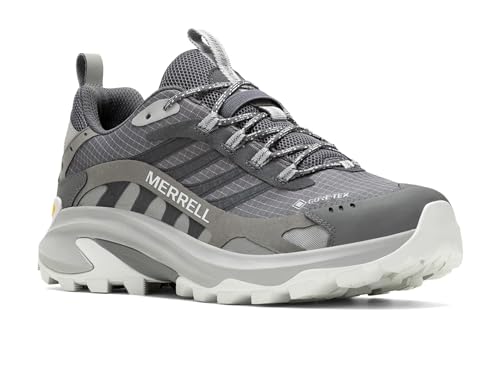
Merrell Moab Speed 2 Gore-Tex
Merrell Moab Speed 2 GTX
A Breakdown Of The Leading Choices
The Moab 3 is the flexible option here, fitting hikers who move between paved access roads, woodland singletrack, and rocky approaches. Its supportive insole and cushioned midsole make long descents easier on the feet, while the Vibram outsole, a rubber traction system designed by Vibram, adds grip on loose or uneven ground.
Compared with the mid-cut Merrell options later in the list, this low-profile shoe feels easier to pair with ordinary hiking clothes and less cumbersome around the ankle. I’d favor it for day hikes, moderate distance, and trails where aggressive boot height adds little useful structure.
Key Advantages
- Cushioned midsole helps absorb repeated impact on long walks.
- Supportive insole improves comfort for routine trail miles.
- Flexible low-cut shape allows natural ankle movement.
- Vibram traction suits mixed dirt, gravel, and rocky surfaces.
Things To Consider
- The low profile offers less ankle coverage than the Merrell mid boots.
- Owners commonly need time to break in a new pair, especially across the forefoot.
- Dirt and mud can remain embedded in the tread after wet hikes.
Key Specs
Right Fit For
Day hikers, beginners, and walkers who need one flexible shoe for mixed distances and changing trail surfaces.
Where Another Pick Shines
The Merrell Moab 3 Mid Hiking Boot suits hikers who prioritize additional ankle coverage over a low, flexible feel.
The mid-cut Moab 3 takes the familiar trail focus of the low shoe and adds coverage around the ankle. That extra height can feel more settled on uneven paths, especially with a fuller load or during steep descents. It remains a practical choice for hikers who want a balance between flexibility and support.
It works well for long afternoon walks that start on pavement and climb into rougher ground. Compared with the low-cut Moab 3, this version is more substantial through the ankle, though it may feel less natural for hikers who prefer a light, unrestricted stride.
The Upside
- Mid-cut profile gives the ankle more surrounding support on uneven trails.
- Supportive footbed and cushioned midsole balance long-mile comfort.
- Vibram rubber outsole is suited to dirt, gravel, and rocky terrain.
- One design works for trail walks, day hikes, and light backpacking loads.
Honest Caveats
- The boot-like upper may take longer to soften than the low-cut Moab 3.
- Some hikers may find the ankle cuff too warm during hot, dry walks.
- Dirt around the upper and tread requires regular brushing after muddy routes.
Made For
Hikers handling uneven terrain, moderate loads, and routes that mix walking with sustained climbs and descents.
A Better Fit Elsewhere
The Columbia Newton Explorer is a stronger fit for hikers who need a waterproof leather upper and a weather-focused trail setup.
Columbia builds the Newton Explorer around a waterproof leather upper and a wet-weather trail focus. Omni-Tech refers to a waterproof, breathable construction system intended to limit water entry while allowing moisture vapor to escape, which gives it a clear advantage over the non-waterproof Moab 3 low shoe on wet tracks.
Techlite is the lightweight midsole layer beneath the foot, designed to provide cushioning and energy return over repeated steps. The leather upper and metal hardware create a more substantial feel, so I’d consider it for hikers who regularly cross damp ground rather than only short, dry urban walks.
The Practical Payoff
- Waterproof leather helps keep trail moisture away from the foot during damp routes.
- Breathable construction balances weather protection with everyday comfort.
- Techlite midsole cushions repeated impact on long walks.
- Metal hardware adds a rugged, trail-oriented construction detail.
Practical Considerations
- Leather may need more maintenance than mesh hiking shoes, particularly after mud and rain.
- The protective construction can feel heavier than the lighter Merrell Speed models.
- Waterproof materials can retain internal warmth during hot, slow hikes.
Feature Snapshot
Who Will Love This
All-season hikers who regularly handle damp trails, wet grass, and mixed terrain with a preference for leather construction.
Another Choice May Suit
The Merrell Moab Speed 2 Gore-Tex may appeal more to hikers who want a faster, lighter profile for long day hikes.
The mid-cut, waterproof version of the Moab 3 is aimed at hikers who need more coverage than the standard low shoe. The raised upper helps shield the ankle from brush, loose stones, and wet vegetation, while the cushioned midsole and supportive insole keep the foot supported over longer distances.
It feels like a sensible choice for a weekend route with rough approaches, damp crossings, and frequent changes in surface. Compared with the Columbia Newton Explorer, the appeal here is the established Merrell trail platform and mid-cut shape; the Columbia model may look more weather-conscious through its leather upper.
What Works In Its Favor
- Waterproof construction adds protection on wet trails and puddled sections.
- Mid-cut height offers more ankle coverage for rough, brushy routes.
- Cushioned midsole reduces impact across long, uneven walks.
- Vibram traction provides grip on dirt, gravel, and rocky ground.
Trade Offs
- Waterproof protection can feel warmer than an open mesh hiking shoe.
- The mid-cut profile may restrict quick ankle movement on fast terrain.
- Cleaning dried mud from the upper and outsole takes more work than wiping down mesh.
Who Should Grab It
Weekend hikers who regularly encounter wet ground, rocky sections, and dense vegetation around the trail.
Reach For A Different Pick When
The Merrell Moab 3 Hiking Shoe is more suitable for hikers who prefer a lighter, lower-cut feel on dry, short routes.
The KS86 is the casual option in this group, pairing a retro sneaker shape with an aggressive tread and a wider-feeling fit. It makes more sense for short walks, park paths, urban greenways, and light-duty trail use than for a multi-day route with sustained elevation or heavy equipment.
Its recycled mesh upper or leather version provides different material options, while the wider toe shape may appeal to people who dislike narrow hiking footwear. Compared with the Merrell and Columbia trail shoes, however, the KS86 places more emphasis on everyday styling and less on weather sealing or ankle-level structure.
Reasons It Performs
- Aggressive tread gives casual shoes useful grip on paths and packed ground.
- Wider footwear shape can feel more accommodating across the forefoot.
- Recycled mesh construction offers a lighter alternative to leather.
- Retro styling makes the shoes easier to wear beyond a hiking trip.
Less Ideal Details
- It provides less ankle support than the mid-cut trail options.
- The sneaker focus makes it a poorer match for wet alpine routes or heavy backpacks.
- Mesh and leather uppers need different cleaning methods after muddy walks.
At A Glance
Built With In Mind
Casual walkers and hikers who want one sneaker for urban errands, park paths, and short daylight outings.
Not Your Match When
The Merrell Moab 3 Mid Waterproof Boots are a better fit for damp, rough routes where ankle coverage and water protection matter most.
The Moab Speed 2 Gore-Tex brings a faster, athletic profile to Merrell’s trail platform. Vibram TC5+ rubber is a traction compound used in the outsole, and the new lug pattern is designed to help the shoe maintain grip during quick movements on loose or uneven surfaces.
GORE-TEX identifies a waterproof membrane technology used inside the shoe to help block water while allowing moisture vapor to move outward. That combination makes this a compelling choice for long day hikes, wet descents, and routes where carrying a lighter shoe matters more than a bulky boot profile.
Practical Pluses
- Vibram TC5+ rubber improves grip on loose and mixed trail surfaces.
- Waterproof membrane helps manage puddles, wet rock, and damp paths.
- Low athletic shape supports quicker strides and easier pack weight.
- Lug pattern suits fast movement across changing terrain.
Points To Note
- Waterproof construction can feel warmer on hot, low-gradient trails.
- The streamlined profile gives less ankle coverage than the Moab 3 mid boots.
- New hikers may need several walks to adjust to the narrower athletic feel.
Technical Highlights
Right Fit For
Long-distance hikers who want a lightweight, weather-protected shoe for fast trails and wet descents.
Where A Sibling Pick Shines
The Merrell Moab 3 Hiking Shoe is a better choice for hikers who prefer a more flexible, less weather-focused trail setup.
The GTX version carries the same lightweight, athletic approach as the Merrell Moab Speed 2 Gore-Tex, with waterproof protection and a trail-focused outsole. I see it as a practical match for hikers who move quickly through mixed terrain and want weather coverage without moving to a full-height boot.
Compared with the Moab 3 low shoe, this model places more emphasis on water management and a faster stride. Compared with the mid-cut waterproof boot, it trades ankle coverage for a lighter feel, which may be preferable for day hikes, travel days, and routes with frequent elevation changes.
Where It Excels
- Waterproof membrane helps protect against wet trail sections.
- Lightweight shape is easier to carry during travel-heavy hiking days.
- Vibram TC5+ rubber supports traction on varied ground.
- Low-cut design allows a more natural stride on faster trails.
Small Caveats
- Less ankle coverage may feel less secure on very uneven or rocky ground.
- Waterproof materials can add warmth during hot-weather hikes.
- Trail debris still needs attention after muddy outings.
Made For
Hikers and travelers who want a light, waterproof trail shoe for moving between urban access routes and outdoor paths.
Consider Something Else When
The Merrell Moab 3 Mid Hiking Boot is a better fit for hikers who need more ankle coverage than this low-profile model provides.
Choosing Footage Before The Trail
Match the shoe to the terrain
A low-cut shoe works well on maintained trails, woodland paths, and routes with frequent elevation but limited ankle risk. A mid-cut boot makes more sense on rough approaches, uneven ground, or trips that carry a fuller pack. A waterproof construction deserves consideration for wet grass, mud, and rainy climbs, although it can reduce breathability on warm days.
Cushioning and traction matter together
Cushioning is the midsole structure that softens repeated impact, while traction comes from the rubber compounds and lug pattern underfoot. A cushioned shoe may feel comfortable on pavement and packed dirt, but a technical outsole offers more confidence on loose gravel, mud, or angled rock. I’d choose based on the least forgiving part of the route rather than the easiest section.
Check fit before buying
Hiking shoes should hold the foot securely without creating pressure points around the heel, toes, or forefoot. Walk through the store and consider socks similar to those worn on the trail. A wider toe area may benefit hikers with roomier feet, while a more athletic last can feel narrower during extended descents.
Water resistance is not the same as waterproofing
Water-resistant shoes slow light moisture, while waterproof membranes are designed to block more substantial entry through the upper. For streams, wet rock, and rainy trails, the waterproof Columbia, Merrell waterproof boot, and GTX models offer more protection. For hot, dry routes, an open or mesh construction may ventilate more freely.
Common Trail-Shoe Mistakes To Avoid
Common Shopping Slip Ups
Choosing by appearance alone overlooks the terrain underfoot. A casual sneaker may look suitable until the route turns rocky, wet, or steep. Check the outsole, upper material, ankle height, and expected mileage before settling on a pair.
What Separates Premium From Basic
Higher-tier trail shoes often add waterproof membranes, more specialized traction, supportive midsoles, or stronger upper materials. Those upgrades help on wet, long, or technical hikes, but a simpler shoe can be more comfortable for short paved walks and casual outings.
Frequently Asked Questions
Are waterproof hiking shoes better than non-waterproof shoes?
Waterproof shoes are better suited to mud, wet rock, puddles, and rainy climbs. Non-waterproof shoes often ventilate better and can be preferable on hot, dry trails.
How much ankle support do I need?
Low-cut shoes suit maintained paths and moderate terrain. Mid-cut boots provide more surrounding structure for rocky trails, heavier packs, and uneven descents.
Can casual sneakers work on hiking trails?
Casual sneakers work well for short, maintained paths and park routes. Technical trails benefit from deeper traction, stronger structure, and more substantial weather protection.
Should hiking shoes be tight?
A secure fit is important, but tight shoes can create blisters and pressure points. Leave room around the toes and check the fit while wearing the socks used for hiking.
How do I clean trail shoes after hiking?
Let mud dry enough to brush away, then clean the upper with a soft brush and mild soap appropriate to its material. Keep leather away from excessive moisture and allow the footwear to air out fully.
Final Verdict
The Merrell Moab 3 Hiking Shoe suits flexible day hikes, the mid-cut versions add support and weather coverage, and the Columbia Newton Explorer emphasizes waterproof leather. For faster movement on wet trails, the Merrell Moab Speed 2 models lead the way, while the KEEN KS86 fits casual outings and urban greenways. Choose the design that matches the trail rather than the broadest feature list.