
Walking and hiking footwear has to handle two very different jobs: steady movement on pavement and dependable grip on uneven ground. I compare seven men’s options across support, traction, water resistance, height, and everyday versatility, with particular attention to daily commutes, long trail days, wet paths, and mixed-use wardrobes.
The best all-around option is not always the most specialized boot. A low shoe may serve a walker better, while a waterproof mid-cut model earns its place on muddy trails and cool, damp hikes.
Your Options, Compared

Merrell Moab 3 Hiking Shoe

Merrell Moab 3 Mid Hiking Boot

Merrell Moab 3 Mid Waterproof Boots

KEEN Targhee 4 Waterproof Hiking Shoe

KEEN KS86 Retro Style Sneakers
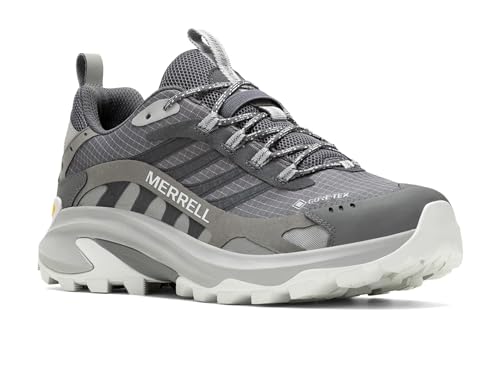
Merrell Moab Speed 2 Gore-Tex
Merrell Moab Speed 2 GTX
Inside Each Recommended Option
The low-cut Merrell Moab 3 bridges trail capability with footwear that looks less like a technical boot. Its low profile gives ankle mobility freedom on neighborhood walks, maintained paths, and moderate day hikes.
Compared with the taller Moab 3 Mid, this model feels better suited to pavement and quick errands. A supportive insole, cushioned midsole, and grippier Vibram outsole make it a practical transition between everyday movement and rougher ground.
What Helps Most
- Low-cut construction moves easily through long urban walks.
- The cushioned midsole softens contact on paved routes.
- Vibram traction adds confidence on mixed surfaces.
- Its appearance works with casual clothing better than a mid boot.
Points To Note
- The low opening offers less ankle coverage than the Moab 3 Mid.
- Outdoor owners will need to clean embedded dirt from the tread after muddy walks.
Key Specs
Who It Suits Best
Weekend hikers, daily walkers, and commuters who split their time between pavement and maintained trails will get the most flexible fit.
Another Choice May Suit
Merrell Moab Speed 2 Gore-Tex suits faster hikers who favor aggressive traction and a more athletic low-cut profile.
The Merrell Moab 3 Mid extends coverage above the ankle, which can feel more settled on uneven trails, rocky approaches, and descents. The higher profile also gives long-distance hikers room to adjust the lacing through the boot shaft.
This is the more substantial companion to the low-cut Moab 3, though not as weather-focused as the waterproof version. Its supportive footbed, softer cushioning, and Vibram traction are well matched to hikers carrying gear over variable ground.
What Makes Sense
- Mid-cut coverage adds structure for rough trails.
- Footbed support benefits extended days on varied terrain.
- Cushioning helps absorb repeated impacts from uneven ground.
- Vibram rubber supplies traction for a broad range of outdoor surfaces.
- Adjustable shaft lacing creates a more secure feel.
Small Caveats
- The taller profile carries more visual and physical weight than a low hiking shoe.
- Owners may need several wears to settle the footbed and lacing around the upper.
- Regular debris removal is important for maintaining the laces and tread.
Made For
Experienced hikers, weekend trekkers, and backpackers who spend substantial time on uneven trails will appreciate the added coverage.
A Better Fit Elsewhere
KEEN Targhee 4 Waterproof Hiking Shoe suits long-distance walkers who prefer a low profile and a fused waterproof construction.
Water resistance changes the equation for wet trails, puddled paths, and cool-weather hikes. The Merrell Moab 3 Mid Waterpair adds that protection while retaining the support and traction associated with the wider Moab line.
Compared with the standard Mid, this version makes more sense for damp environments, although sealed construction can retain more heat during warm hikes. The model therefore feels most appropriate for cool, wet outings rather than hot summer walks.
The Helpful Details
- Waterproof protection supports wet trails and light rain.
- Mid-cut height adds useful coverage over loose ground.
- A supportive insole improves stability across long outings.
- Softened midsole cushioning reduces harsh impact from uneven terrain.
Things To Weigh
- Waterproofing can feel less ventilated during warm-weather hikes.
- Drying and routine cleaning take more care than a traditional open trail shoe.
- The bulky profile is unnecessary for most paved walks.
Core Details
Right Fit For
Hikers who regularly cross damp ground, shallow streams, or rain-soaked paths will find the waterproof design particularly useful.
Look Elsewhere When
KEEN KS86 Retro Style Sneakers fit warm-weather urban walkers better than anyone needing sealed trail footwear.
The KEEN Targhee 4 brings a low profile together with waterproof protection and durable construction. Its all-terrain traction serves both neighborhood walks and trails with loose gravel, compacted earth, or wet pavement.
Direct-attach construction connects the upper and outsole as part of a fused structure, reducing the number of separate layers that can loosen over time. Compared with the taller Merrell mid boots, this model keeps ankle movement freer and works better for long days on mixed surfaces.
Reasons It Performs
- Waterproof construction handles damp pavement and trails.
- Direct attachment creates a durable fused build.
- Low-cut shape remains flexible for walking and trail travel.
- All-terrain traction suits paths with changing surfaces.
Worth Noting
- Low ankle coverage offers less support on loose, uneven descents.
- The sealed upper can warm up during hot, dry weather.
- Owners will need to rinse mud from the fused seams and tread regularly.
Feature Breakdown
Who Should Grab It
Long-distance walkers and light hikers who cover pavement, gravel, and damp trails in a low-cut shoe will get a versatile daily companion.
Reach For A Different Pick When
Merrell Moab 3 Mid Waterproof Boots suit hikers who need additional ankle coverage on rough or loose terrain.
The KEEN KS86 is the city-focused option, combining retro sneaker styling with KEEN’s roomier approach to footwear. It works well for daily commutes, errands, and long walks on pavement without the visual bulk of a hiking boot.
An aggressive tread gives it more edge than a conventional casual sneaker, but that does not make it a substitute for a technical trail model. Compared with the Targhee 4, the KS86 prioritizes appearance and all-day movement rather than waterproof trail construction.
Good Reasons To Consider
- Retro styling works with casual clothing and commuting outfits.
- Aggressive tread adds grip on urban surfaces.
- A wider fit can feel more accommodating for broad feet.
- Recycled mesh provides a lighter material option for warm weather.
Room For Improvement
- Trail performance remains secondary to pavement walking.
- The retro shape may feel less secure on steep loose ground.
- Mesh owners will need careful cleaning to prevent dirt and moisture buildup.
Feature Overview
Who Will Love This
Urban walkers and commuters who want durable everyday traction without wearing footwear that looks overtly technical will appreciate the KS86.
Swap It Out When
Merrell Moab 3 Hiking Shoe serves regular day hikers better than the KS86, especially on uneven or loose trails.
The Merrell Moab Speed 2 Gore-Tex has the athletic shape and aggressive outsole of a speed-oriented hiking shoe. Its low profile favors quick foot placement, making it relevant for hikers who favor a responsive feel over full boot coverage.
Vibram TC5+ rubber and reshaped traction lugs are the key details. Compared with the standard Moab 3, this model leans harder toward rough ground and quicker hiking movement, while the Gore-Tex designation adds weather protection for damp routes.
Everyday Advantages
- Low-cut shape promotes agile movement on trails.
- Vibram TC5+ rubber improves contact with demanding terrain.
- Redesigned lugs support traction during climbs and descents.
- Gore-Tex construction suits wet-weather hiking.
- The athletic profile works better than a bulky boot for moving quickly.
Practical Considerations
- Waterproof protection can add warmth during mild, dry conditions.
- The low opening provides less support than the Moab 3 Mid.
- Mud removal is especially important around the deep traction lugs.
Technical Highlights
Built With In Mind
Fast hikers and experienced walkers who cover wet, steep, or loose terrain will appreciate the focused traction and low profile.
Another Choice May Suit
KEEN Targhee 4 Waterproof Hiking Shoe serves long-distance walkers better who need a more understated low-cut design.
The Merrell Moab Speed 2 GTX shares the athletic Moab Speed platform, including an aggressive outsole and pronounced traction lugs. That makes it a sensible choice for regular hikers moving quickly over loose soil, gravel, and mixed outdoor surfaces.
GTX identifies the use of a protective weather layer, which adds value during wet hikes. Compared with the Moab 3 Mid, it remains lower and more streamlined, so the trade-off is less ankle coverage in exchange for quicker-feeling foot movement.
Standout Benefits
- Vibram TC5+ rubber supports grip across demanding terrain.
- Deep traction lugs help on loose dirt and gravel.
- The low profile feels more responsive than a mid-cut boot.
- GTX weather protection suits damp trail conditions.
Potential Drawbacks
- Low ankle coverage may feel insufficient on uneven descents.
- The weather layer can feel warm during sunny hikes.
- Technical styling is less discreet with everyday clothing.
Whose Shelf It Belongs On
Frequent hikers who cover loose, wet terrain in warm conditions will gain a useful combination of speed-oriented shape and weather protection.
Consider Something Else When
KEEN KS86 Retro Style Sneakers suit casual urban walkers better than those who need serious outsole traction.
Matching Footwear to the Route
Terrain Comes Before Style
Pavement rewards cushioning and unrestricted ankle movement, while loose trail ground calls for deeper traction and firmer contact. A low-cut hiking shoe works well for maintained paths and mixed commuting, whereas a mid-cut boot provides more coverage on uneven descents.
Water resistance matters only where moisture is expected. Sealed layers can block rain and damp ground, but they may also retain warmth, making a ventilated option more comfortable during hot, dry activities.
Cushioning and Support Serve Different Purposes
Cushioning softens repeated impact, which helps during long walks on pavement and hard-packed paths. Support comes from the footbed, upper, midsole, and outsole working together, with the upper and mid-cut height adding structure around the ankle.
Hikers carrying a substantial load may prioritize support and secure lacing over minimal weight. Everyday walkers often benefit more from comfort and a flexible profile than from maximum trail rigidity.
Construction Shapes Long-Term Wear
Fused upper-and-outsole designs use fewer separate connections than traditional constructions. That can help limit common separation points, although mud still needs prompt removal from seams, lugs, and laces.
Material choice also affects care. Leather may tolerate brushing and routine wiping well, while mesh requires more attention to prevent trapped dirt and moisture. A waterproof lining deserves similar attention, particularly around the opening and upper seams.
Avoiding Common Footwear Errors
Mistakes Worth Dodging
Choosing by appearance alone can lead to excess bulk on pavement or inadequate traction on loose ground. I would compare the actual route, weather, carrying load, and ankle coverage before selecting a model, then inspect outsole lugs and upper seams for trapped debris after each demanding outing.
What Separates Premium From Basic
Higher-tier footwear commonly adds weather protection, stronger construction, and more specialized traction. Those features help during wet trails and rough hiking routes, but they rarely justify added complexity for short paved walks or dry neighborhood strolls.