
A tactical hiking stick can add stability on steep trails, useful support during long walks, or a steady hand for daily mobility. I’ve separated heavy-duty survival tools, carved wooden canes, adjustable trekking poles, and rope-gripped sticks by the situations each one handles best. That distinction matters because a compact emergency tool and a full-length hiking pole serve very different roles.
For everyday support, I favor the ergonomic Asterom canes. Trail users may prefer the adjustable TheFitLife pair or the survival-focused Rhino USA, while the Prime Adventure model carries the broadest collection of built-in functions.
The Lineup, Simplified

Prime Adventure 15-in-1 Tactical Hiking Staff

Asterom Handmade Wolf Walking Cane

Asterom Ergonomic Oak Walking Cane

Asterom Handcrafted Oak Walking Cane

Rhino USA Survival Hiking Stick Multi-Tool

TheFitLife 7075 Aluminum Trekking Poles
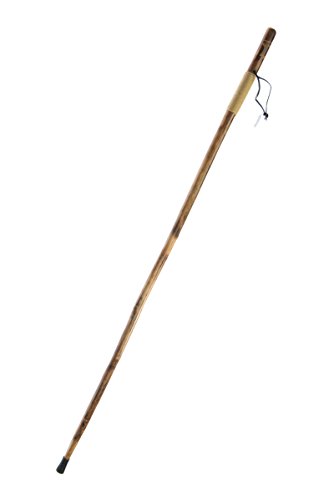
SE Survivor Series Eagle Hard Pine Hiking Stick WS626-55RE
Why These Options Stand Out
The Prime Adventure staff compresses numerous trail functions into one aluminum shaft, which reduces the need to pack several loose accessories. Its 6061-T6 aluminum alloy, a corrosion-resistant metal commonly used in demanding equipment, favors campers and hikers who value a substantial, collapsible support.
Unlike the telescopic TheFitLife poles, this model centers on compact utility rather than paired balance or extensive height adjustment. Depending on local terrain, that arrangement may suit open campsites and woodland paths better than technical hikes demanding fine pole-length control.
Features That Help
- Fifteen functions consolidate useful camp and trail tasks.
- Collapsible construction simplifies transport in a pack or vehicle.
- Machined 6061-T6 aluminum supports a durable, substantial design.
- Eight-tube construction suits people prioritizing self-contained equipment.
Points To Note
- The broad accessory collection may add weight to a long approach.
- Owners should inspect locking sections before each demanding outing.
Quick Facts
Built With In Mind
I favor this staff for campers carrying varied trail tasks without a full equipment belt.
Where Another Pick Shines
TheFitLife 7075 Aluminum Trekking Poles suit hikers who prioritize matched poles, telescopic adjustment, and lighter pack-down dimensions.
Hardwood oak gives the wolf design more visual presence than the plainer Asterom ergonomic cane. I see it fitting neighborhood walks, park paths, and casual outings where a supportive walking aid also needs to look carefully considered.
The hand-sanded carving matters because smoother contact areas reduce the chance of distracting roughness during frequent use. Compared with Prime Adventure’s equipment-heavy aluminum staff, this Asterom model focuses on a single-purpose wooden cane with unmistakable decoration.
Advantages To Know
- Carved wolf detailing creates a memorable appearance.
- Oak construction suits regular walking with routine care.
- Hand sanding produces a smoother, more refined surface.
Honest Caveats
- Wood needs protection from prolonged rain and direct dampness.
- The decorative shaft may be less suitable for rough alpine terrain.
- A fixed design offers less height customization than telescopic poles.
Who Will Love This
I recommend this cane for adults who want traditional oak character and a carved wolf focal point for everyday walking.
Look Elsewhere When
TheFitLife 7075 Aluminum Trekking Poles better serve long hikes requiring matched support and precise height changes across changing terrain.
Daily walking puts greater emphasis on hand contact and consistent comfort than an alpine route does. This Asterom oak cane centers that practical need with an ergonomic shape and hand-sanded wooden construction, making it a sensible option for routine errands and residential walks.
It lacks the prominent carving seen on the Asterom Wolf Cane, so appearance is quieter. In my view, that restraint can make the model easier to coordinate with everyday clothing, though grip feel and the exact handle shape remain the decisive details.
Positive Takeaways
- Ergonomic shaping keeps hand comfort central.
- Oak gives the cane a natural, substantial feel.
- Hand sanding supports smooth regular contact.
Worth Noting
- The fixed shaft offers no telescopic height range.
- Oak may swell, crack, or lose finish after extended moisture exposure.
Feature Snapshot
The Right Fit
I favor this model for frequent everyday walking by an adult who values a shaped oak handle over trail hardware.
Skip It When
Rhino USA suits campers who need stored fishing, fire-starting, compass, screwdriver, and bottle-opening functions.
Handcrafted oak gives this Asterom cane a warmer, more traditional role than the aluminum models in the lineup. It makes sense for paved paths, garden walks, and daily mobility where visual character matters alongside a dependable handhold.
The ergonomic Asterom Oak Walking Cane offers a more expressly comfort-focused identity, while this version emphasizes appearance and hand-finished character. For casual users, that difference may be enough, although a close hand comparison helps prevent surprises.
Practical Advantages
- Oak construction suits smooth neighborhood paths.
- Hand-finished detailing adds character to daily use.
- A single cane offers straightforward support for casual walking.
- Wood requires no complex folding mechanism.
Small Caveats
- Moisture can affect wood grain and finish.
- Heavy packs or rough trails may expose the limits of a decorative wooden cane.
- Fixed dimensions constrain fit.
Made For
I favor this cane for adults who prefer a classic wooden appearance for neighborhood and light outdoor walks.
Another Choice May Suit
The SE Survivor Series Eagle Hard Pine Hiking Stick better suits trail walkers who want rope texture, a wrist strap, and a steel spike.
The Rhino USA model stores practical trail accessories inside its shaft, turning one staff into a compact equipment carrier. A textured aluminum grip and anodized finish suit active hikes where slipping hands and ordinary weather exposure deserve attention.
Its built-in kit includes a compass, fire starter, fishing line, tackle, screwdriver, and bottle opener. Compared with Prime Adventure’s wider 15-function approach, Rhino USA presents a more compact, camp-oriented storage concept, with adjustability adding another layer of usefulness.
Why It Works Well
- Stored fishing equipment supports remote camping trips.
- A fire starter and compass consolidate essential trail functions.
- Textured grip improves control in changing conditions.
- Adjustable height supports different walking positions.
- Paracord lanyard offers a practical carry connection.
Details To Watch
- Multiple stored sections deserve careful checks for looseness before travel.
- The accessory bundle can make the shaft less convenient for simple daily walks.
At A Glance
Who Should Grab It
I recommend this staff for campers who want fishing and fire tools carried within one adjustable hiking support.
A Better Fit Elsewhere
TheFitLife 7075 Aluminum Trekking Poles better serve hikers who value a matched pair and a much wider telescopic range.
Matched telescopic poles make more sense than a single carved cane on long routes with changing grades. TheFitLife adjusts from 62 to 135 centimeters, allowing the pair to suit shorter users, steep climbs, and flatter terrain without replacing the entire set.
Each pole separates into three sections and packs to roughly 56 centimeters, fitting diagonally inside a suitcase of at least 22 inches. That pack-down profile may be useful on road trips, although airline treatment of trekking equipment should be confirmed before departure.
What Makes Sense
- 7075 aluminum creates a light, compact metal system.
- Three telescopic sections span 62 to 135 centimeters.
- A 56-centimeter packed length simplifies luggage storage.
- Matched poles improve consistency on long walks.
Trade Offs
- Section locks and tips need regular inspection for cracks or loosening.
- A single-shaft staff can feel less balanced than a pair.
- Packed poles may need diagonal placement in a 22-inch suitcase.
Technical Highlights
Whose Shelf It Belongs On
I favor these poles for hikers who regularly change terrain or need compact support for suitcase travel.
Reach For A Different Pick When
The Asterom Handmade Wolf Walking Cane better suits casual walkers who value carved oak character over matched telescopic poles.
Hard pine and a rope-wrapped grip give this 55-inch stick a traditional trail appearance with practical hand texture. The carved eagle adds a decorative focal point, while the wrist strap helps keep the shaft close during steep or uneven sections.
Unlike the telescopic TheFitLife poles, this SE model has a fixed form that avoids sectional locks and adjustment mechanisms. For traditionalists, that simplicity is an advantage, especially on woodland paths where carved wood and rope feel more natural than technical hardware.
Where It Helps
- Rope wrapping adds texture around the gripping area.
- The wrist strap reduces the chance of dropping the stick.
- Carved eagle details suit traditional outdoor aesthetics.
- The steel spike supports traction on suitable ground.
- A 55-inch length suits taller walkers and steady trail use.
Things That May Matter
- The fixed length may be less comfortable for shorter adults.
- Wood and rope require dry storage between wet outings.
- The spike needs inspection for wear and secure attachment.
Core Details
Best Suited To
I favor this stick for taller trail walkers who prefer rope grip, carved detail, and fixed wooden construction.
Consider Something Else When
TheFitLife 7075 Aluminum Trekking Poles better serve shorter users who need a 62-centimeter starting length and matched support.
Choosing the Right Stick for the Route
Match the Construction to the Ground
Aluminum suits hikers who value low weight and packed length, while oak and hard pine create a more traditional feel. Hard wood can handle routine walking, but exposure to moisture calls for dry storage and occasional surface care. Trail users should also consider the bottom tip, grip texture, and how firmly the shaft suits the intended terrain.
Adjustability Matters on Varied Routes
Telescopic sections help with height changes, descents, and users who need a precise starting length. Fixed wooden sticks avoid adjustment hardware and can feel more straightforward, although their dimensions need to match the walker. My rule is simple: repeated terrain changes favor adjustability, while casual routes reward simplicity.
Separate Utility from Support
A multi-tool staff stores camping equipment inside one shaft, reducing accessory clutter. Trekking poles serve a different purpose by providing matched support with less emphasis on stored tools. I would avoid paying for either approach solely by feature count and instead choose the construction that matches the actual outing.
Practical Details That Shape the Choice
Mistakes Worth Dodging
Oversized sticks are awkward in vehicles and tiring on long walks. Wooden models also require dry storage, while telescopic poles need regular checks around locks, tips, and joints. Choosing appearance over handle comfort or terrain over adjustability can turn a distinctive accessory into a poor fit.
What Separates Premium From Basic
Higher-tier models may add stronger aluminum, more precise adjustment, better grips, or organized storage. Those refinements matter for repeated hikes and long-haul travel, while a light-duty walker may gain little from extra equipment. Paying more becomes sensible only when the added feature changes comfort, portability, or trail usefulness.
Frequently Asked Questions
Are Tactical Hiking Sticks Better Than Trekking Poles?
Tactical hiking sticks often emphasize stored tools and a strong single shaft. Trekking poles provide matched support, balanced use, and wider height adjustment.
How Do I Choose Between Wood and Aluminum?
Wood offers a traditional appearance but needs protection from moisture. Aluminum packs lighter and suits frequent travel, adjustable routes, and wet-weather concerns.
What Length Hiking Stick Fits Best?
The correct length depends on body dimensions and walking posture. TheFitLife adjusts from 62 to 135 centimeters, while fixed sticks require close measurement before selection.
Are Built-In Survival Tools Necessary?
Built-in tools add convenience on self-supported trips. Travelers carrying a separate camp kit may prefer lighter support without a storage-heavy shaft.
How Do I Maintain a Wooden Hiking Stick?
Dry the shaft and grip after damp outings, then store it away from prolonged humidity. The tip, rope, and carved surface merit regular inspection for wear.
Final Verdict
I favor TheFitLife for adjustable hiking, Rhino USA for organized camp tools, and Asterom for refined everyday support. Prime Adventure suits self-contained outings, while the SE Survivor Series delivers traditional grip and carving. The right choice comes down to terrain, portability, and how much built-in equipment the route actually needs.