
Thru hiking turns footwear into a second home base, carrying a hiker across long days of trail, changing weather, and uneven ground. I focus on cushioning, traction, ankle coverage, and dependable construction because each one affects comfort across a long route. The footwear in this lineup ranges from flexible low shoes to waterproof mid boots, giving day hikers and long-distance backpackers distinct options.
Your Options, Compared

Merrell Moab 3 Hiking Shoe

Merrell Moab 3 Mid Hiking Boot

Merrell Moab 3 Mid Waterproof Hiking Boots

KEEN Targhee 4 Low Waterproof Hiking Shoes

KEEN Men’s KS86 Retro Style Sneakers
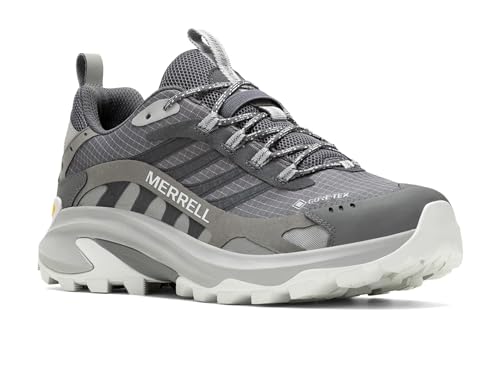
Merrell Moab Speed 2 Gore-Tex
Merrell Moab Speed 2 GTX
A Deeper Look At The Lineup
The low-cut Moab 3 feels natural for day hikes, local trails, and walks that may finish near a paved road. Its supportive insole and cushioned midsole manage repeated impact, while a Vibram outsole supplies traction where the trail turns rough. Compared with the mid boots later in the lineup, it sacrifices ankle coverage for easier bending and a lighter profile.
That balance serves hikers who value mobility more than a sealed upper. Fit may still vary around the heel and toe box, so getting an accurate measurement remains sensible for a long day. I consider it an easy transition from casual footwear to more capable trail equipment.
Strengths Worth Knowing
- The cushioned midsole softens impact across rocky pavement and forest paths.
- The supportive insole helps keep each step composed on extended walks.
- Vibram traction gives the outsole a dependable grippy foundation.
- The low profile permits natural ankle movement and uncomplicated packing.
Worth Noting
- The low-cut shape offers less support on loose descents than a mid boot.
- Trail mud may collect in the outsole pattern and require cleaning after wet hikes.
Key Attributes
Made For
This model fits day hikers, beginners, and hikers moving between maintained trails and rough paths.
Another Choice May Suit
KEEN Targhee 4 Low Waterproof Hiking Shoes suit hikers who need a low shoe with a waterproof lining.
Adding a mid-height collar changes the Moab 3 from a flexible trail shoe into a more substantial boot. That extra coverage can feel reassuring beneath a full backpack, especially on loose descents, while the cushioned midsole handles long stretches of hard ground. The profile remains more substantial than the Merrell Moab 3 Hiking Shoe, though not as weather-focused as the waterproof model.
For regular backpackers, the balance between cushioning and support is the central draw. Heavier footwear may feel less natural during quick pavement approaches, depending on personal preference. This is a practical boot for gradual climbs, forest routes, and rocky terrain rather than speed-focused movement.
Standout Benefits
- Mid-height coverage adds stability beneath a substantial pack.
- The cushioned midsole keeps long pavement approaches comfortable.
- A grippy Vibram outsole handles loose dirt and changing trail surfaces.
- The supportive insole balances cushioning for steady all-day movement.
- Boot height offers added debris protection.
Small Caveats
- The larger upper may take up more pack space than a low shoe.
- Deeper tread can retain mud and needs occasional cleaning.
- Warm conditions may feel less comfortable because of the fuller construction.
Technical Highlights
Built With In Mind
Backpackers carrying a moderate load benefit most from the added coverage and cushioning.
Look Elsewhere When
Merrell Moab Speed 2 GTX suits hikers who prefer a low, responsive shape over a fuller boot.
Wet weather shifts the decision toward protection, and the waterproof version of the Moab 3 Mid adds that layer without changing the familiar cushioned foundation. A waterproof membrane, or lining designed to block outside moisture, helps during muddy trails, shallow crossings, and drizzly approaches. It also means more material, so hot weather may feel less comfortable than in the non-waterproof Moab 3 Mid Hiking Boot.
I favor this option for cool-season routes where staying dry matters more than minimal bulk. The waterproof construction is valuable, but footwear still needs time to dry fully after a wet day. Owners commonly find that allowing air circulation at camp helps prevent lingering moisture around the footbed.
What Makes Sense
- Waterproof construction suits wet trails and unsettled weather.
- Mid-height coverage adds protection from damp ground and trail debris.
- The soft midsole supports long routes across hard and uneven ground.
Points To Consider
- The waterproof upper may retain warmth during mild or hot weather.
- Drying time becomes an ownership issue after sustained rain or stream crossings.
- Its fuller shape can feel unnecessary on short, dry outings.
The Right Fit
Cool-weather backpackers and hikers facing muddy routes benefit most from the waterproof upper.
Reach For A Different Pick When
The Merrell Moab 3 Hiking Shoe serves hikers staying on dry trails who prioritize a lighter, flexible profile.
The Targhee 4 approaches trail footwear as a durable daily shoe, not merely an occasional mountain boot. A fused upper and outsole reduce separate layers that can loosen during repeated use, while KEEN.DRY waterproofing protects against wet ground and weather. Compared with the Merrell mid boots, it retains a lower profile and a more casual shape.
That construction suits long-distance walkers who split time between camp, town, and trail. Cushioning is described as resilient, although the exact feel remains personal across foot shapes. The low cut also leaves more ankle movement available than either Moab 3 mid model, which helps on level walks and packed paths.
Well-Handled Touches
- The fused construction supports repeated daily wear with fewer loose components.
- Waterproof lining adds protection during wet trail approaches.
- Resilient cushioning suits long walking days and regular use.
- All-terrain traction remains useful beyond technical hiking routes.
- The low profile works naturally for mixed camp and town use.
Trade Offs
- Low-cut coverage offers less ankle-area support than a mid boot.
- Cleaning fused seams may require more attention after muddy outings.
Feature Snapshot
Who Will Love This
Multi-use hikers benefit from the durable, waterproof construction for both trail and everyday wear.
A Better Fit Elsewhere
Merrell Moab 3 Mid Hiking Boots suit hikers who need more ankle coverage beneath a full backpack.
The KS86 occupies a different lane from the trail-focused footwear here: it pairs retro styling with a rugged tread for campgrounds, paved approaches, and casual short walks. Recycled mesh offers a lighter material option, while leather provides a different appearance and wear character depending on the selected version. KEEN’s wider footwear shape also prioritizes room around the forefoot.
That makes it convenient for hiking weekends with significant time spent around a vehicle or campground. I would not treat it as the equal of a technical thru-hiking shoe on wet rock or loose descent because the supplied details do not establish that level of protection. Its strength is comfortable, versatile footwear with a casual appearance.
Positive Takeaways
- Retro styling transitions easily from trailhead parking to everyday use.
- The aggressive tread provides useful grip for maintained and casual routes.
- Recycled mesh keeps the upper relatively lightweight in that material option.
Less Ideal Details
- It lacks the weather protection stated for the KEEN Targhee 4 Low Waterproof Hiking Shoes.
- The sneaker profile offers less structure for unstable terrain.
- Mesh versions may need gentle cleaning, while dirt can settle into the tread.
- Long loaded hikes may favor the more substantial hiking footwear in this list.
Made For
Casual hikers spending more time on maintained paths, campgrounds, and paved surfaces fit this profile.
Swap It Out When
Merrell Moab Speed 2 Gore-Tex suits hikers who need technical traction and weather protection.
The Moab Speed 2 leans toward quick movement and technical footing rather than the relaxed all-around balance of the Moab 3. Vibram TC5+ rubber is combined with revised traction lugs, giving the outsole a more deliberate pattern for loose dirt, mud, and changing trail surfaces. Gore-Tex protection adds weather coverage without requiring a bulky mid-height collar.
Fast hikers and experienced backpackers can appreciate that responsive direction, though personal stride and forefoot room still matter. Compared with KEEN Targhee 4 Low Waterproof Hiking Shoes, this model appears more oriented toward technical control. Wet root systems and slick rock remain demanding surfaces, and the low profile offers no mid-boot support.
Everyday Wins
- Vibram TC5+ rubber targets traction on demanding trail surfaces.
- Redesigned traction lugs support control on loose ground.
- Gore-Tex construction adds protection during rain and shallow dampness.
- The low profile permits a quick, natural stride.
- Technical design favors hikers who value precise footing.
Areas To Watch
- A low upper gives less ankle support on deeply uneven descents.
- Mud lodged among the traction lugs needs clearing after wet routes.
Technical Reference
Best Suited To
Experienced fast hikers benefit from the technical outsole and low, responsive profile.
Consider Something Else When
KEEN Targhee 4 Low Waterproof Hiking Shoes suit hikers prioritizing durable daily construction over technical agility.
The GTX designation identifies the Gore-Tex version, placing this shoe at the intersection of responsive trail geometry, technical traction, and weather protection. Vibram TC5+ rubber and new traction lugs sharpen the outsole for difficult ground, while the low cut keeps the stride direct. It shares a focused design with the Merrell Moab Speed 2 Gore-Tex, so differences may come down to color, sizing, or listing configuration.
Repeated-use hikers may prefer this balance for long routes that combine pavement, singletrack, and changing weather. The technical outsole demands decent control, and the waterproof upper needs time to dry after sustained moisture. I still see the Moab 3 Mid Hiking Boot as a more sensible choice for a heavily loaded pack on loose descents.
Notable Upsides
- GTX construction protects against rain and damp trail conditions.
- Vibram TC5+ rubber supplies a technical traction foundation.
- Updated lugs help grip loose dirt and uneven terrain.
- The streamlined shape supports brisk movement on mixed routes.
Where It May Fall Short
- The low profile remains less supportive than a mid-height hiking boot.
- Waterproof footwear needs deliberate drying after rain.
- Technical outsole features may feel less necessary on flat campground walks.
- Fit around long-distance hikers remains highly personal.
Feature Facts
Right Fit For
Frequent hikers crossing mixed terrain benefit from responsive traction and weather protection.
Where A Sibling Pick Shines
Merrell Moab 3 Mid Waterproof Hiking Boots suit hikers who prioritize ankle coverage over a low profile.
Choosing Footwear That Handles the Long Route
Terrain and pace
Fast singletrack calls for responsive traction, while loose descents reward structure around the foot and ankle. Hikers covering mostly maintained paths can prioritize cushioning and low weight, whereas technical routes demand careful attention to outsole compound and lug geometry.
Cushioning and ground contact
A cushioned midsole absorbs repeated impact, which matters across concrete trailheads, rocky paths, and long descents. Firmer, more responsive footwear often feels better during quick movement, although personal foot shape and hiking weight can change the result.
Height and weather protection
Low shoes allow natural ankle movement and take less space in a pack. Mid boots add coverage and underfoot support, while waterproof construction helps during rain and damp ground but may retain warmth and take longer to dry.
Fit over unfinished features
Accurate foot measurements, secure heel placement, and adequate forefoot room remain central. Trail socks should be worn during fitting, and hiking footwear benefits from being tried before a long route rather than selected solely by appearance.
What Matters Beyond the Basic Features
Mistakes Worth Dodging
Choosing footwear by style alone can leave technical hikers without the traction they need, while oversized shoes can cause instability on steep terrain. A waterproof upper should not replace preparation for cold, wet conditions. Gear also needs regular cleaning because packed mud reduces the function of otherwise useful tread.
When Paying More Pays Off
Higher-tier hiking footwear may add waterproof materials, durable upper construction, specialized rubber, or more substantial cushioning. Those additions matter most for repeated hikes, changeable weather, and long routes carrying a substantial pack. Casual walkers can often spend their budget more efficiently on a simpler trail-focused pair.
Frequently Asked Questions
Are low-cut thru hiking shoes suitable for long routes?
Yes, low-cut shoes work well for many long routes, especially on maintained trails and mixed terrain. Backpackers needing more ankle coverage may prefer a mid boot.
What makes hiking footwear waterproof?
A waterproof membrane or lining blocks moisture from passing through the upper while preserving breathability. Seams and openings still affect performance, and the shoe must dry after getting wet.
How much cushioning is enough for backpacking?
Cushioning depends on body weight, pack load, terrain, and personal preference. A softer midsole may suit rocky routes, while a responsive sole can feel better during quick movement.
How should thru hiking shoes fit?
A secure heel, stable footing, and room around the toes are the central requirements. Walking in hiking socks helps reveal pressure points that casual footwear may conceal.
Can casual sneakers handle short hiking trails?
Maintained paths and short campground walks are reasonable uses for sturdy casual sneakers. Technical footing, backpacking loads, and wet terrain call for dedicated hiking footwear.
Final Verdict
I favor the Merrell Moab 3 Hiking Shoe for flexible day hiking, the Moab 3 Mid Hiking Boot for balanced support, and the KEEN Targhee 4 Low Waterproof Hiking Shoes for durable mixed use. Technical hikers can move toward the Moab Speed 2 models, while the KS86 remains better suited to casual trail days. The strongest choice comes down to terrain, pack weight, and preferred ankle coverage.