
Water treatment becomes essential on multi-day hikes, exposed campsites, and international trips where dependable drinking water isn’t available. A compact purifier can turn questionable water into a practical part of daily hydration, while a larger gravity system suits campsites and group preparation. I compare portability, filtration method, maintenance demands, and real-world capacity to narrow down options for solo treks, family camps, and home-based emergency preparation.
A Quick View Of The Lineup

Bluevua RO100ROPOT-Lite Countertop Water Filter
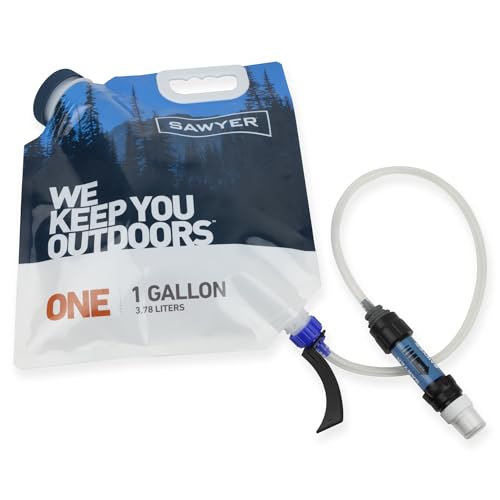
Sawyer SP160 One Gallon Gravity Filtration System
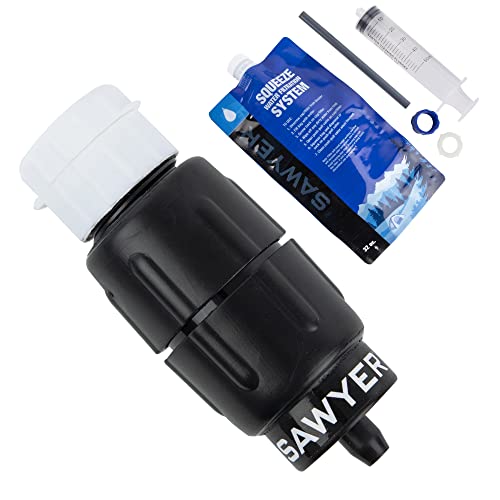
Sawyer SP2129 Micro Squeeze Water Filter
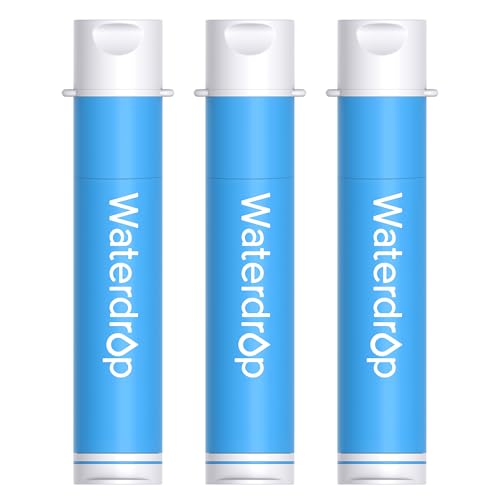
Waterdrop Portable Water Filter Straw

Purewell 3-Stage 0.01μm Gravity Filter PW-OB

Bluevua RO100ROPOT Countertop Water Filter
Bluevua RO100ROPOT-Travel Countertop Water Filter
Meet The Standout Selections
The RO100ROPOT-Lite brings reverse osmosis treatment to a countertop format that needs no plumbing connection. Reverse osmosis forces water through a selective membrane, so this approach suits households seeking a dedicated purification setup rather than a trail filter that must fit beside a sleeping bag.
On a cabin weekend or during home emergency preparation, the glass carafe gives purified water a dedicated landing place. It appears more substantial than the Waterdrop straw, though trail pack weight and group capacity remain the deciding factors for a hike.
Noteworthy Benefits
- Countertop placement keeps installation and plumbing out of the process.
- The borosilicate glass carafe stores treated water without relying on a plastic container.
- Reverse osmosis suits users focused on dissolved-solute reduction from household water.
- Round-the-clock support adds help beyond the initial purchase decision.
Trade Offs
- Power and a free countertop surface are required, limiting remote use.
- Owners should expect routine filter replacement and carafe care.
Who It Suits Best
Apartment residents, cabin travelers, and households building a compact purification station benefit most from this design.
A Better Fit Elsewhere
Sawyer SP2129 Micro Squeeze Water Filter serves solo hikers better because it avoids dependence on power and a countertop setup.
The SP160 is built around a one-gallon bag and gravity feed, meaning the container’s weight moves water through the filter rather than an electrical pump. That arrangement makes it more natural beside a tent or in a vehicle trunk than a countertop unit, particularly for camps with several people.
The supplied dual-threaded MINI filter adds a compact filtration component, although the one-gallon vessel still determines the system’s real-world footprint. Compared with the Waterdrop straw, this model is bulkier but far more practical for repeated campsite use.
Why It Works Well
- Gravity flow eliminates the need for a powered pump.
- The one-gallon bag prepares useful quantities for a group campsite.
- Compact components support transport in a vehicle or base-camp pack.
Points To Note
- The hanging bag needs suitable support above the collection container.
- Bulk and water weight make it less suitable for fast hiking.
- Cleaning and storage require attention after each camping trip.
Made For
Family camps, backpackers establishing base camp, and groups preparing water each morning fit this system well.
Consider Something Else When
Waterdrop Portable Water Filter Straw is the lighter choice for a fast day hike where only personal water needs matter.
The SP2129 puts water treatment into a squeezable format suited to a fast-moving hiker. Instead of filtering into a large vessel, a user presses untreated water through the unit into a clean bottle, a controlled approach for streams, trail taps, and campsite water collection.
Its compact shape gives it an edge over the SP160 for a single-person pack, although manual effort replaces passive gravity flow. The Waterdrop straw takes even less space, yet the SP2129 provides a more substantial filter body for routine use.
Key Advantages
- Pocketable construction protects space in a day pack.
- Direct bottle filling reduces the number of containers required.
- The filter removes bacteria, protozoa, and microplastics according to its published performance data.
- No powered components keep trail use straightforward.
Small Caveats
- Squeezing many liters can fatigue the hands.
- Cloudy or heavily sedimented water may require prefiltration.
Built With In Mind
Ultralight hikers, solo backpackers, and international travelers benefit from the direct, container-light design.
Another Choice May Suit
Sawyer SP160 One Gallon Gravity Filtration System better serves a stationary camp that prepares larger batches each morning.
Minimal pack weight defines the Waterdrop straw. Its 0.1-micrometer ultrafiltration membrane reduces chlorine, sediment, sand, dirt, particles, and odor, making it more relevant to improving ordinary source water than serving as a substantial trail-processing system.
That simplicity works for a short hike or travel day, yet it offers less margin than the Sawyer squeeze model on sustained trips. In my view, the straw is a convenient backup layer rather than the centerpiece of a remote water plan.
The Case For It
- Tiny dimensions suit emergency kits and tightly packed bags.
- Ultrafiltration targets fine particles without a bulky housing.
- Simple operation works well for personal water preparation.
Honest Caveats
- Flow rate is likely the central constraint during repeated use.
- Limited capacity makes it awkward for a group.
- Owners should keep the intake clean and follow the supplied replacement schedule.
- It is not the most natural match for prolonged wilderness travel.
The Right Fit
Day hikers, flight travelers, and occasional campers who prioritize pack economy benefit most from the straw format.
Reach For A Different Pick When
Sawyer SP2129 Micro Squeeze Water Filter better supports frequent backcountry use through its more substantial filter housing.
The PW-OB shifts the focus from packability to a stationary three-stage gravity system. A hollow-fiber ultrafiltration membrane, activated carbon stage, and stainless-steel housing work together to reduce chlorine, sediment, rust, organic material, and heavy metals, making the setup more relevant to fixed camps and home preparation.
Its listed 2.25-gallon capacity suits a household or group, but that volume also creates a clear contrast with the SP2129. Two replacement filters and a stand form part of the package, which is convenient for extended operation between cartridge changes.
Advantages To Know
- Three-stage treatment provides a broad mechanical and carbon-based filtration approach.
- The stainless-steel vessel suits fixed indoor or campsite use.
- A 2.25-gallon reservoir reduces refills for families.
- Two filters support planned replacement intervals.
Practical Considerations
- The system’s size and weight make backpack transport less practical.
- Gravity flow needs a suitably elevated upper container.
Whose Shelf It Belongs On
Family households, cabin owners, and campers needing batch quantities benefit from the large reservoir.
Swap It Out When
Bluevua RO100ROPOT-Lite Countertop Water Filter fits smaller spaces that cannot accommodate the stainless system.
The standard RO100ROPOT takes the plumb-free approach established by the Lite model and presents it as a fuller countertop system. It is a logical fit for apartments, cabins, and temporary emergency setups where a dedicated drinking-water station is more useful than a trail accessory.
Power remains essential, and the system must stay near a sink or prepared water source. Compared with the Sawyer SP160, this model offers finer residential treatment stages but loses the portable gravity arrangement that makes campsite use straightforward.
Standout Benefits
- Countertop operation avoids permanent installation work.
- Reverse osmosis addresses dissolved-solute concerns in tap water.
- Glass carafe storage provides a dedicated serving vessel.
- Ongoing support helps with setup and maintenance questions.
Less Ideal Details
- Power dependence rules out off-grid use.
- Countertop space and routine cartridge upkeep add household overhead.
Best Suited To
Apartment residents, renters, and cabin travelers who need dedicated treatment without under-sink plumbing benefit most.
Look Elsewhere When
Waterdrop Portable Water Filter Straw is more practical for travel involving flight packing and very limited storage.
The Travel version develops the countertop concept with a six-stage reverse osmosis arrangement, a 0.0001-micrometer membrane, and UV treatment. Those additions suit longer stays, mobile camps, and households wanting a more involved treatment setup, although the system still depends on power and a substantial water source.
It makes more sense than the standard RO100ROPOT for users comparing treatment depth, yet it does not replace an actual trail filter. The Sawyer SP160 remains more practical for active backcountry routes because weight and passive gravity flow matter more than countertop capacity.
Bright Spots
- Six stages create a detailed treatment path for household water.
- UV treatment complements the listed reverse osmosis stages.
- Countertop placement keeps setup away from plumbing lines.
- Round-the-clock support assists troubleshooting questions.
Details To Watch
- Power and water access limit genuine mobility.
- Multiple treatment components require careful replacement planning.
- Carrying or storing the unit demands more space than a trail filter.
Who Should Grab It
Extended-stay travelers, cabin households, and campers with reliable power benefit from the expanded countertop design.
Where A Sibling Pick Shines
Sawyer SP160 One Gallon Gravity Filtration System serves remote camps better because it needs no electrical outlet.
Matching Treatment To The Route
Portability Comes First
A fast hiker gains more from a small filter than from a large countertop treatment path. Sawyer SP2129 Micro Squeeze Water Filter or Waterdrop Portable Water Filter Straw leaves more room for clothing and shelter, but each demands manual flow. Backpackers should account for the filter, source water, and clean containers together.
Capacity Shapes The Camp Routine
Stationary camps need a different balance. Sawyer SP160 One Gallon Gravity Filtration System supports batch preparation, while Purewell 3-Stage 0.01μm Gravity Filter PW-OB offers a larger 2.25-gallon capacity. The stainless system occupies a permanent surface, making vehicle storage and campsite stability relevant ownership details.
Reverse Osmosis Serves Fixed Water Sources
Reverse osmosis uses a membrane to reduce dissolved substances, making the three Bluevua models more relevant to tap or prepared water than to isolated alpine streams. Their reliance on electricity sets a firm boundary on use, while glass carafes provide convenient storage. I consider these models best for cabins, rentals, and homes without under-sink space.
Maintenance Predicts Long-Term Suitability
Every portable option requires clean storage between trips, and cartridge-based systems add replacement expenses over time. Group users should also examine backflush or cleaning routines in the supplied instructions. A setup that stays unpacked and dry between outings is more likely to remain convenient than one repeatedly assembled in poor weather.
Practical Filter Choices Explained
Mistakes Worth Dodging
Choosing by capacity alone can leave a hiker carrying excessive weight, while selecting only by size may underestimate daily water demand. Treat source clarity, available storage, cleaning needs, and the route’s remoteness as connected decisions. A compact straw has little value in the same role as a one-gallon campsite system.
The Upgrade Payoff
Higher-tier models add membrane precision, UV treatment, larger vessels, or more replacement components. Those additions help households and extended-stay campers, but they add cost, upkeep, and bulk. Paying above a basic filter makes more sense when broader treatment or batch capacity offsets that added maintenance.
Frequently Asked Questions
Can a countertop filter work while camping?
Only at a campsite with reliable power and an appropriate water source. The Bluevua models require electricity, while Sawyer SP160 and Purewell use gravity flow.
Which filter is easiest to carry?
Waterdrop Portable Water Filter Straw occupies the least space among these options. Sawyer SP2129 adds more housing but suits more frequent filtering.
Do gravity systems require pumping?
No. Gravity systems move water through the filter using the weight of elevated water. The Sawyer SP160 and Purewell PW-OB follow this operating principle.
How much water should a group bring?
Daily demand depends on party size, weather, meals, and route conditions. A one-gallon Sawyer system or 2.25-gallon Purewell reservoir reduces refill frequency at base camp.
Are compact trail filters suitable for home water?
They address different needs. Trail filters concentrate on portability, while countertop reverse osmosis systems are designed around household water sources and electricity.
Final Verdict
The Sawyer SP2129 stands out for solo hiking, the Sawyer SP160 handles stationary camps, and the Waterdrop straw favors minimal pack space. Bluevua and Purewell options serve cabins, apartments, and home-based preparation where power or a fixed surface is available. Choose from the actual water source and route rather than treating filtration capacity as a single ranking.