
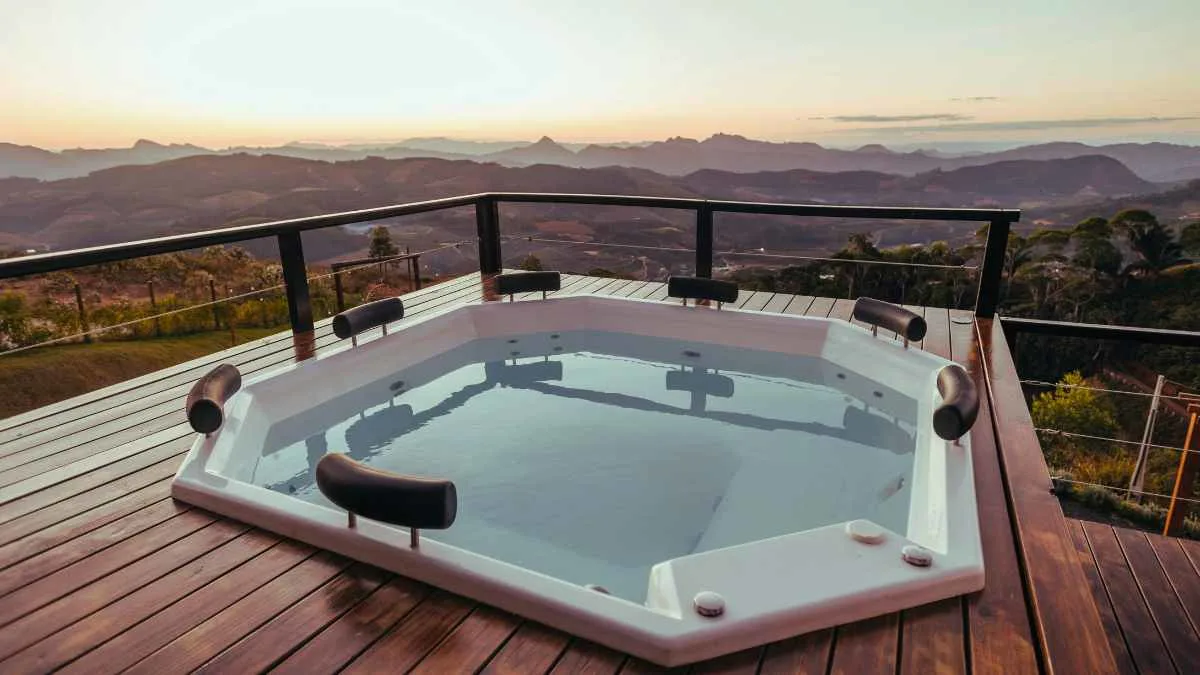
Is It Safe To Use Jacuzzi In A Hotel Room?
Yes — using a jacuzzi in a hotel room can be safe, but it depends on how well it’s maintained, and how carefully you use it.
If the water is clean, the tub and jets are in good working order, and you follow safe practices (like limiting time and avoiding high temperatures), you can enjoy it with minimal risk.
In this article, we’ll go through the real safety issues, what to look out for, how to use the tub responsibly, and what you can check to make sure you’re getting the relaxing experience you expect — all explained.
What are the main risks of using a hotel room jacuzzi?
1. Microbial contamination (bacteria, fungi, viruses)
Warm water + jets + lots of places for moisture to hide = a good environment for germs.
According to the Centers for Disease Control and Prevention (CDC), many water‑borne illness outbreaks between 2000‑2014 were traced to hotel pools or hot tubs, with main culprits being germs like Legionella, Pseudomonas aeruginosa, and parasites like Cryptosporidium. Harvard Health+1
For example, one report found that more than half of hotel jacuzzi tub water samples contained pathogens like E. coli. Lovia Spa
So if the tub isn’t cleaned properly, you could pick up skin infections, ear infections, or worse.
2. Chemical and water‐quality issues
To keep a jacuzzi safe, the water needs proper chemical treatment (like chlorine or bromine), right pH levels, and good filtration. If this is neglected, you face risks: chemicals can irritate your skin or lungs; poorly balanced water can degrade jets or surfaces. Peery Hotel+1
Also, heat plus chemicals means higher risk of dehydration or heat stress. One specialist site says that hot tubs should be kept under about 104°F (40 °C) for safety. Jacuzzi+1
3. Health & body risks
Even when a jacuzzi is clean, some people may face higher risk when using it:
-
If your body temperature gets too high (soak too long or water too hot) you might feel dizzy, faint, or worse. ABC+1
-
If you’re pregnant, have heart problems, high blood pressure, or open wounds – your risk is higher. Safety guidelines say people with certain conditions should avoid or be cautious. Jacuzzi+1
4. Slip, fall and electrical hazards
Getting in and out of a bathtub with jets involves wet surfaces, maybe a step or two. Slipping is possible.
Also, jacuzzi equipment uses electricity, so poorly maintained outlets or controls can be dangerous. Wikipedia’s hot tub page notes that human entrapment and drowning have been reported in spas/hot tubs. Wikipedia
How to tell if a hotel room jacuzzi is likely safe:
Here are good checks you can do (or ask for) so you feel safer using your in‑room jacuzzi.
1. Check the water and tub first
-
Is the water clear (you can see the bottom or a coin on the bottom) and not cloudy, green, or smelly? One tip: drop a coin and if you can’t see it clearly, the water may be dirty. Healthfully
-
Look around the jets, drain, tub edges: do you see grime, mold, or residue? That could mean cleaning is poor. Lovia Spa
-
Smell: a strong chemical smell (chlorine smell) or bad odour could indicate too many chemicals or poor disinfection. ABC+1
2. Ask about maintenance
-
Ask the hotel: “How often do you clean and disinfect this jacuzzi in the room?” Hotels should have maintenance logs. Healthfully
-
Check if the tub is separate or just a standard tub with jets — rooms labelled “whirlpool suite” or “jacuzzi tub in room” often get extra attention.
3. Follow usage guidelines
-
Limit your time: Experts recommend no more than 15‑20 minutes in one session. TubHotels+1
-
Check temperature: Make sure it’s not hotter than about 104°F (40°C), and safer still if around 100‑102°F. Jacuzzi
-
Shower first: Wash off lotions, oils, sweat. These things reduce the effectiveness of cleaning chemicals and can increase contamination. TubHotels
-
Stay hydrated: Warm water makes you sweat. Drink water. Avoid excessive alcohol. TubHotels
Read Next: What Is It Called When A Hotel Has A Jacuzzi In The Room | Jacuzzi Suite?
If you have health conditions:
If you’re pregnant, diabetic, have heart disease, very young or older age, it’s wise to talk with a doctor before soaking. Some people should avoid high‑heat tubs altogether. Jacuzzi+1
Practical steps for safe and enjoyable jacuzzi use:
Here’s a simple checklist you (or your travel‑companion) can follow:
-
Upon arrival, check the room and the jacuzzi tub: look, smell, check jets.
-
If something seems off (cloudy water, strong smell, visible grime), call the hotel and ask for cleaning or a different room.
-
Before entering: take a quick shower. Remove makeup, oils, lotions if possible.
-
Set temperature to around 100‑102°F (37‑39°C) if you can control it.
-
Limit your soak to 15‑20 minutes. Set a timer.
-
Drink water. Don’t drink lots of alcohol in the tub.
-
Keep your head above water; avoid aggressive jets directly on your body if it’s uncomfortable.
-
If you feel dizzy, overheated, very tired, or find the water unclear — get out.
-
After soaking: shower again to cleanse off any chemicals.
-
Let the jets run a minute (if you know how) to flush the system (optional but helpful). Some detail guides mention running the jets and draining before use if you doubt the cleanliness. ProfitableVenture
Should you ever avoid using the room jacuzzi?
Yes — there are situations where it may be wise to skip it:
-
If the water is visibly dirty or jets are not working well.
-
If you see obvious neglect: mould, stuck jets, weird smells.
-
If you start feeling unwell, dizzy, skin irritation, ear pain after first minutes.
-
If you are pregnant (especially first trimester) and not cleared by doctor. The heat can be harmful to the fetus. Wikipedia+1
-
If you have an open wound, skin infection, or weak immune system. A warm tub can worsen infection risk.
Why use a jacuzzi in your hotel room anyway?
It’s worth it — when done right — because:
-
It adds a special touch to your stay (relaxing soak, maybe romantic).
-
It’s private: you don’t have to go to a shared spa or hot tub area with many other guests.
-
It can help you unwind after travel, sightseeing, work.
Of course, safety can’t be ignored — which is why the above checks matter.
