
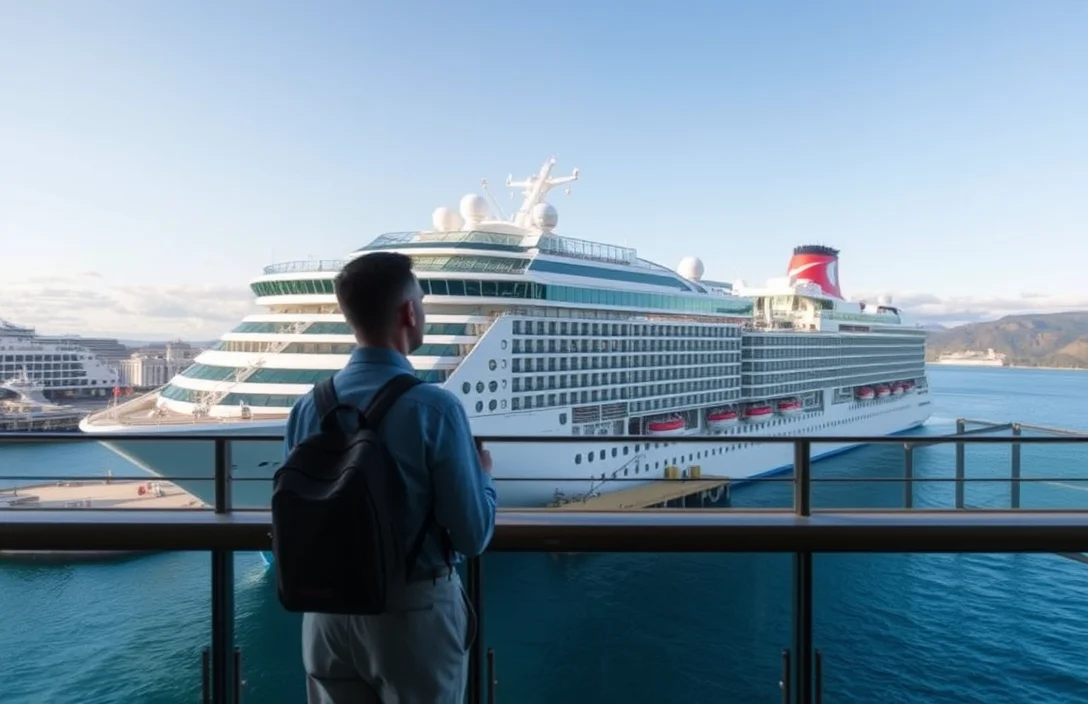
Imagine standing on the deck of a cruise ship, the ocean stretching endlessly before you, while you guide others to similar vistas. If you’ve ever thought about how to become a cruise travel agent, you’re in the right place. This profession combines a passion for travel with the joy of helping others find their perfect getaway.
Becoming a cruise travel agent requires understanding the industry, gaining specific certifications, and building a client base. You’ll discover the essential steps to embark on this career path, from educational requirements and recommended training programs to tips for finding internships. By the end, you’ll have a clear view of how to thrive in this rewarding field, including valuable resources and strategies for success.
| Step | Description |
|---|---|
| Education | Relevant courses or degrees |
| Certifications | Recommended programs |
| Experience | Internships or entry-level roles |
Role of a Cruise Travel Agent
Understanding the role of a cruise travel agent is essential for anyone considering this career path. These agents specialize in planning and booking cruises, ensuring that clients have memorable experiences at sea. This section outlines the key responsibilities and daily tasks that define the role, providing insights into what you can expect in this profession.
Key Responsibilities
- Personalized Trip Planning: Tailoring cruise itineraries to meet the specific needs and preferences of clients, such as family-friendly options or romantic getaways.
- Booking Coordination: Managing bookings for cruise lines, accommodations, shore excursions, and transportation, ensuring all elements of a trip are seamlessly connected.
- Client Consultation: Offering expert advice based on clients’ travel preferences, budget, and desired experiences, guiding them towards the best cruise options.
- Problem Resolution: Addressing any issues that arise before or during the cruise, such as itinerary changes or service complaints, to ensure client satisfaction.
Daily Tasks
Every day as a cruise travel agent can look different, but common tasks include:
- Researching new cruise packages and destinations to stay updated on the latest offerings.
- Communicating with clients via phone, email, or in-person to discuss travel plans and answer questions.
- Attending training sessions or industry events to network with cruise line representatives and learn about new promotions.
- Managing bookings and customer databases, ensuring accuracy in details and payments.
“One of the most rewarding aspects of being a cruise travel agent is hearing from clients about their incredible experiences at sea. It makes the planning all worthwhile!”
Educational Requirements for Cruise Agents
To become a cruise travel agent, a solid educational foundation is crucial. This section outlines the educational background needed to enter the field, including the importance of a high school diploma and relevant degrees. Understanding these requirements can help you plan your path toward a successful career in cruise travel.
High School Diploma
Most cruise travel agencies require candidates to have at least a high school diploma or equivalent. This basic education provides essential skills in communication and customer service, which are vital for success in the travel industry. Here are some key points regarding this requirement:
- Offers fundamental knowledge in subjects like mathematics, English, and social studies.
- Enhances communication skills, which are essential for client interactions.
- Serves as a stepping stone for further education or training programs.
Relevant Degrees
While a high school diploma is the minimum requirement, pursuing further education can significantly enhance your prospects. Here are some degrees that can be beneficial:
- Associate’s Degree in Travel and Tourism: This two-year program covers essential topics such as travel planning, customer service, and industry regulations.
- Bachelor’s Degree in Hospitality Management: A four-year degree that provides in-depth knowledge of the hospitality and travel industries, focusing on management and operations.
- Business Administration Degree: This degree can help you understand the business side of travel agencies, including marketing, finance, and management practices.
“Many successful cruise travel agents have found that a degree in hospitality management opened doors to better job opportunities and higher earning potential.”
Investing in your education not only equips you with the necessary knowledge but also sets you apart in a competitive field. The right educational background can lead to more lucrative positions and opportunities for advancement as a cruise travel agent.
Essential Certifications to Pursue
Becoming a cruise travel agent requires not just passion for travel but also formal certifications that enhance your credibility and expertise in the industry. In this section, we’ll explore key certifications like the Certified Travel Associate (CTA) and specialized cruise certifications that can elevate your profile and client trust.
Certified Travel Associate (CTA)
The CTA designation is a foundational certification that provides essential knowledge about the travel industry, including cruise travel. This certification demonstrates your commitment and professionalism, making it a valuable asset when attracting clients.
- Cost: Approximately $300 – $500.
- Duration: Self-paced; typically takes 6-12 months to complete.
- Requirements: Must have at least 12 months of experience in the travel industry.
Specialty Cruise Certifications
In addition to the CTA, pursuing specialty cruise certifications can set you apart from competitors. These certifications focus specifically on cruise lines, itineraries, and unique selling points.
- CLIA Certification: Offered by the Cruise Lines International Association, this program provides comprehensive training. Cost is around $79 for a membership that includes the certification.
- Cruise Line Specific Certifications: Many cruise lines (e.g., Royal Caribbean, Carnival) offer their own training programs, often free of charge, that provide in-depth knowledge about their offerings.
“Completing my CLIA certification not only improved my knowledge but also gave me confidence to recommend cruises tailored to my clients’ interests.”
Investing in these essential certifications not only boosts your knowledge but also enhances your credibility as a cruise travel agent, making it easier to build a loyal client base.
Step-by-Step to Start Your Career
Becoming a cruise travel agent is an exciting opportunity that allows you to share your passion for travel while helping others plan their dream vacations at sea. To kickstart your career, it’s essential to research training programs and enroll in the right courses that will equip you with the necessary skills and knowledge. Here’s how to get started.
- Research Training Programs: Begin by exploring various training programs specifically designed for cruise travel agents. Look for programs that are accredited and offer comprehensive information about cruise lines, booking systems, and customer service techniques. Some reputable organizations, like the Cruise Lines International Association (CLIA), provide extensive training resources and certification paths that can boost your credibility in the industry.
- Enroll in Courses: Once you’ve identified suitable training programs, enroll in courses that align with your career goals. These courses often cover essential topics such as cruise itineraries, destination knowledge, and sales techniques. Prices can vary, typically ranging from $200 to $1,000 depending on the depth of the course and included materials. Investing in quality education can significantly enhance your skills and increase your earning potential as a cruise travel agent.
- Consider Specializations: After completing your initial training, consider specializing in specific cruise lines or types of cruises, such as family, luxury, or adventure cruises. This will set you apart from other agents and allow you to cater to niche markets. Research the most popular cruise lines and their offerings to determine where your interests lie and how you can best serve future clients.
Gaining Experience in the Industry
Gaining practical experience is crucial for anyone aspiring to become a cruise travel agent. Internships and entry-level positions provide firsthand insights into the cruise industry, allowing you to build essential skills while making valuable connections. Here’s how to get started.
- Seek Internships with Cruise Lines: Many cruise lines offer internship programs designed for aspiring travel agents. These internships typically last from a few weeks to several months and provide hands-on experience in various departments, including sales, marketing, and customer service. Check the official websites of major cruise lines like Carnival, Royal Caribbean, and Norwegian for available opportunities.
- Apply for Entry-Level Positions: Consider applying for entry-level roles in travel agencies that specialize in cruises. Positions such as travel coordinator or customer service representative can provide a solid foundation in industry practices and customer interactions. Look for agencies that offer training programs or mentorship opportunities to further enhance your knowledge.
- Network with Industry Professionals: Attend travel expos, seminars, and workshops to meet seasoned professionals in the cruise sector. Networking can lead to internship offers or job openings that may not be advertised publicly. Consider joining professional organizations like the Cruise Lines International Association (CLIA) for additional resources and connections.
- Volunteer for Cruise Events: Volunteering at cruise-related events can be a great way to immerse yourself in the industry. Not only will you gain experience, but you’ll also meet industry insiders who can provide guidance and potential job leads. Look for local cruise fairs or travel shows seeking volunteers.
Building Your Client Base
Establishing a solid client base is crucial for a successful career as a cruise travel agent. Attracting and retaining clients not only boosts your income but also enhances your reputation in the cruise industry. Here, we’ll cover effective networking methods and how to leverage social media to grow your clientele.
Networking Methods
- Join Travel Associations: Becoming a member of associations such as the American Society of Travel Advisors (ASTA) can provide networking opportunities and resources.
- Attend Travel Expos: Participate in cruise-specific expos and trade shows to connect with other travel professionals and potential clients.
- Local Community Events: Engage in local events or fairs to promote your services and interact with potential clients.
Utilizing Social Media
Social media platforms are powerful tools for reaching prospective clients. Here are some effective strategies:
- Create Engaging Content: Share stunning photos of cruise destinations, travel tips, and client testimonials to attract followers.
- Run Targeted Ads: Use platforms like Facebook and Instagram to run ads targeting specific demographics interested in cruises.
- Join Relevant Groups: Participate in cruise and travel groups to connect with potential clients and showcase your expertise.
“On my last adventure, I gained several clients by sharing my travel stories and tips on Instagram. The personal touch made all the difference!”
Building your client base as a cruise travel agent takes time and effort, but with the right networking methods and social media strategies, you’ll create a loyal clientele eager to book their next cruise with you.
Marketing Your Cruise Services
Effective marketing is crucial for cruise travel agents looking to attract clients and stand out in a competitive industry. By creating a professional online presence and leveraging content marketing, you can showcase your expertise in cruise travel and build trust with potential customers.
Creating a Website
Your website is your primary marketing tool. It should not only be visually appealing but also user-friendly and informative. Here are key elements to consider:
- Professional Design: Invest in a clean, modern design that reflects the cruise lifestyle.
- Mobile Compatibility: Ensure that your website is mobile-friendly, as many clients will browse on their phones.
- Booking Functionality: Incorporate online booking tools that allow clients to check availability and book cruises directly.
- Client Testimonials: Showcase positive reviews and experiences from past clients to build credibility.
Content Marketing
Creating valuable content can position you as an authority in cruise travel. Here’s how to approach it:
- Blog Posts: Write articles about popular cruise destinations, tips for first-time cruisers, or comparisons of cruise lines.
- Social Media: Utilize platforms like Instagram and Facebook to share stunning images and updates, engaging with followers regularly.
- Email Newsletters: Maintain a mailing list to send updates on promotions, new cruise offerings, and travel tips.
“On my last cruise, I wrote a blog post detailing my experience, which attracted several inquiries from readers interested in booking.”
By prioritizing these marketing strategies, you can effectively promote your cruise services, ensuring potential clients find you and feel confident in your expertise.
Tips for Success in Cruise Travel
To thrive as a cruise travel agent, staying updated on industry trends and providing exceptional customer service are crucial. These elements not only enhance your credibility but also ensure that your clients have memorable experiences. Here are some best practices that can help you excel in the cruise travel industry.
Staying Updated
- Subscribe to industry newsletters such as Cruise Industry News and Travel Weekly to receive the latest updates on cruise lines, itineraries, and new ships.
- Attend trade shows and webinars focused on cruise travel. This is an excellent way to network with industry professionals and learn about emerging trends.
- Join professional organizations like the Cruise Lines International Association (CLIA) for access to exclusive resources and training programs.
Customer Service Excellence
Providing outstanding customer service is vital for building long-term relationships with clients. Here are some strategies:
- Always be available for your clients. Prompt responses to inquiries can make a significant difference.
- Personalize your service by understanding your clients’ preferences and needs, ensuring tailored cruise options that match their desires.
- Follow up after the cruise to gather feedback. This not only shows that you care but also helps you refine your offerings.
“On my last cruise booking, a personalized approach turned a one-time client into a loyal customer. They appreciated the tailored recommendations, which made all the difference.”
By staying informed and prioritizing customer satisfaction, you can build a solid foundation for a successful career as a cruise travel agent.
Resources for Aspiring Cruise Agents
Becoming a cruise travel agent means immersing yourself in a world of opportunities and connections. This section provides essential resources for education and networking that can help kickstart your career as a cruise travel agent. From professional organizations to online learning platforms, these tools will equip you with the knowledge and contacts necessary to thrive in the cruise industry.
Professional Organizations
Joining professional organizations can greatly enhance your credibility and provide networking opportunities. Here are some key organizations to consider:
- CLIA (Cruise Lines International Association): Offers training, certifications, and extensive resources for cruise agents.
- NACTA (National Association of Career Travel Agents): Supports travel agents with resources, education, and networking events.
- ASTA (American Society of Travel Advisors): Provides advocacy, education, and networking opportunities for travel professionals.
Online Learning Platforms
Online courses can provide flexible learning options to expand your cruise knowledge. Consider these platforms:
| Platform | Cost | Key Courses |
|---|---|---|
| Udemy | $20-$200 | Cruise Travel Basics, Selling Cruises |
| Coursera | Free – $79 | Travel Industry Essentials |
| Travel Institute | $99 – $300 | Cruise Specialist Certification |
“Networking with established cruise agents has been instrumental in growing my business. Attending CLIA workshops opened doors to partnerships with major cruise lines.”
Investing time in these resources can lead to invaluable connections and knowledge that will set you apart as a cruise travel agent. Based on personal research; experiences may vary.
Quick Summary
- Understand the Industry: Familiarize yourself with cruise lines, itineraries, and customer preferences.
- Get Certified: Consider enrolling in cruise-specific training programs to enhance your credibility.
- Build a Network: Connect with industry professionals and join travel agent communities for support and resources.
- Market Your Services: Utilize social media and create a website to attract clients and showcase your expertise.
- Stay Updated: Regularly review industry trends and updates to offer the best advice to clients.
| Step | Action |
|---|---|
| Research | Explore cruise lines and their offerings. |
| Training | Enroll in relevant courses. |
| Network | Join professional groups. |
This guide equips you with essential steps to become a successful cruise travel agent, making your journey smoother and more informed. Ready to dive into this exciting career? Share your experiences in the comments! What’s your favorite cruise destination?
Frequently Asked Questions
What is the best time to start a career as a cruise travel agent?
The best time to become a cruise travel agent is during the early spring or fall, as this is when cruise lines typically launch new itineraries and promotions, making it easier to attract clients.
What are the costs associated with becoming a cruise travel agent?
You can expect initial costs to range from $200 to $1,000 for training courses, licensing, and marketing materials, so budgeting accordingly is crucial for a smooth start.
How do I book cruises for my clients once I’m an agent?
You can book cruises through travel agent portals provided by cruise lines, which often require you to register and get a unique agent ID to access exclusive deals and commissions.
Is it safe to work as a cruise travel agent with kids or seniors in mind?
Yes, working as a cruise travel agent is safe, and you can specialize in family or senior travel, focusing on accessible itineraries and amenities tailored to their needs.
What are some common mistakes to avoid as a new cruise travel agent?
A common mistake is not fully understanding the variety of cruise lines and their target markets; take the time to research and specialize to better serve your clients’ preferences.
